A door rarely attracts attention when everything works as expected. It opens when someone pushes it, moves back toward its closed position, and settles into place without much thought.
Yet the closing movement can shape the way a door feels in daily use.
A door that swings back too quickly may feel uncomfortable. One that stays open longer than expected can interrupt the use of a room. A door that closes unevenly may also place unnecessary stress on surrounding hardware. These small details become more noticeable in places where doors are opened and closed throughout the day.
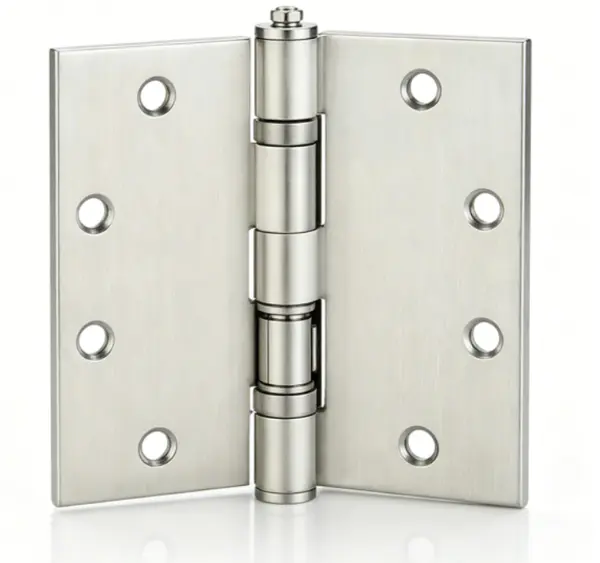
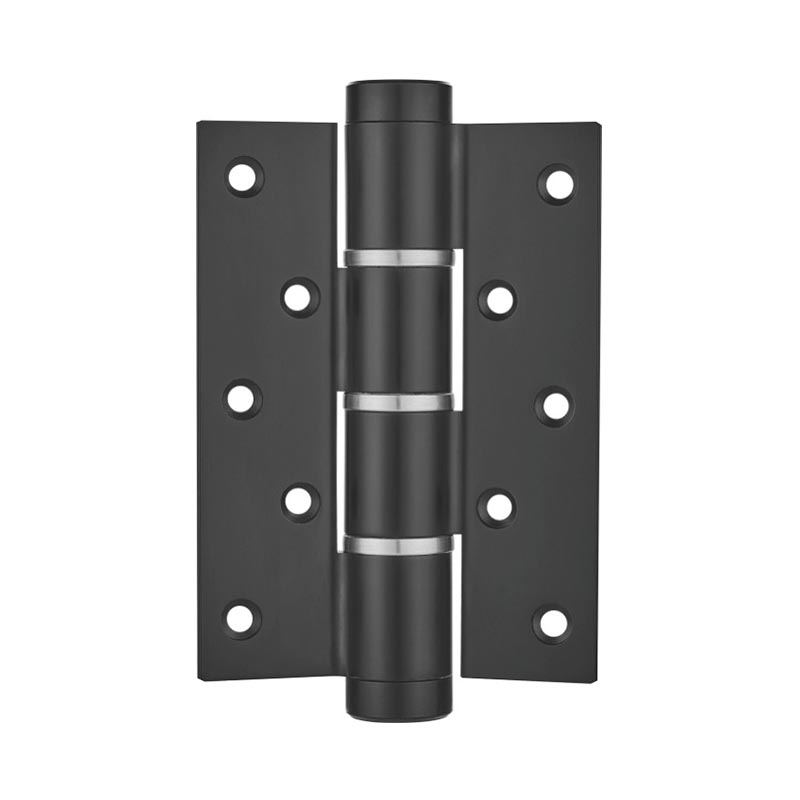
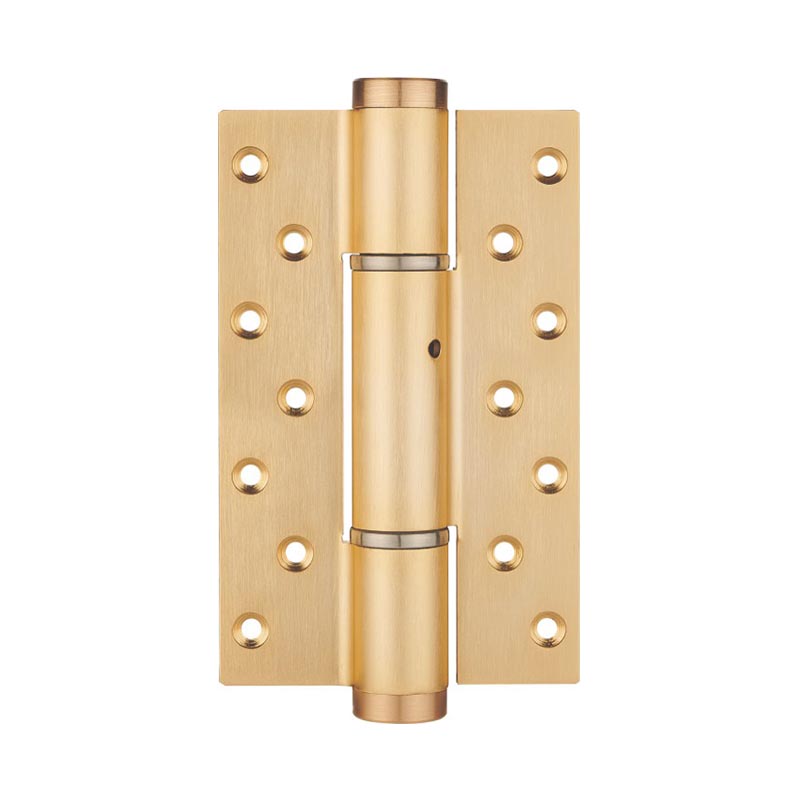
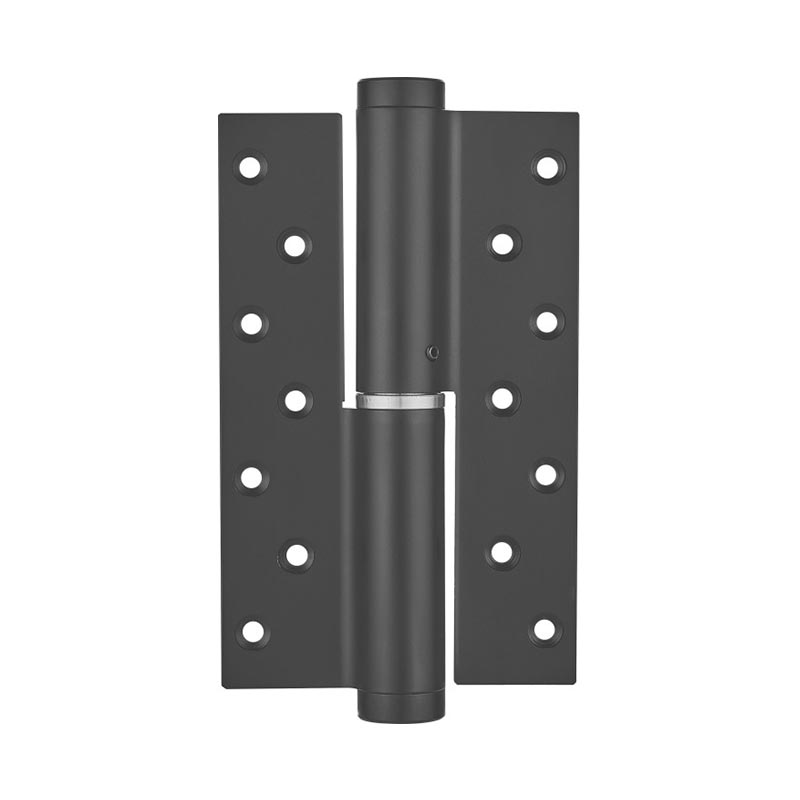
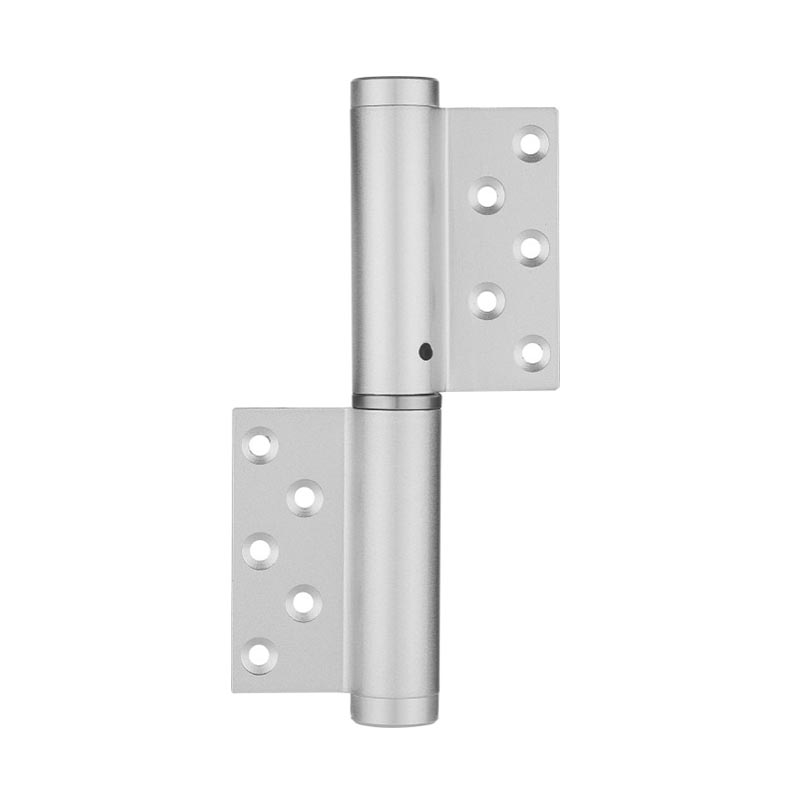
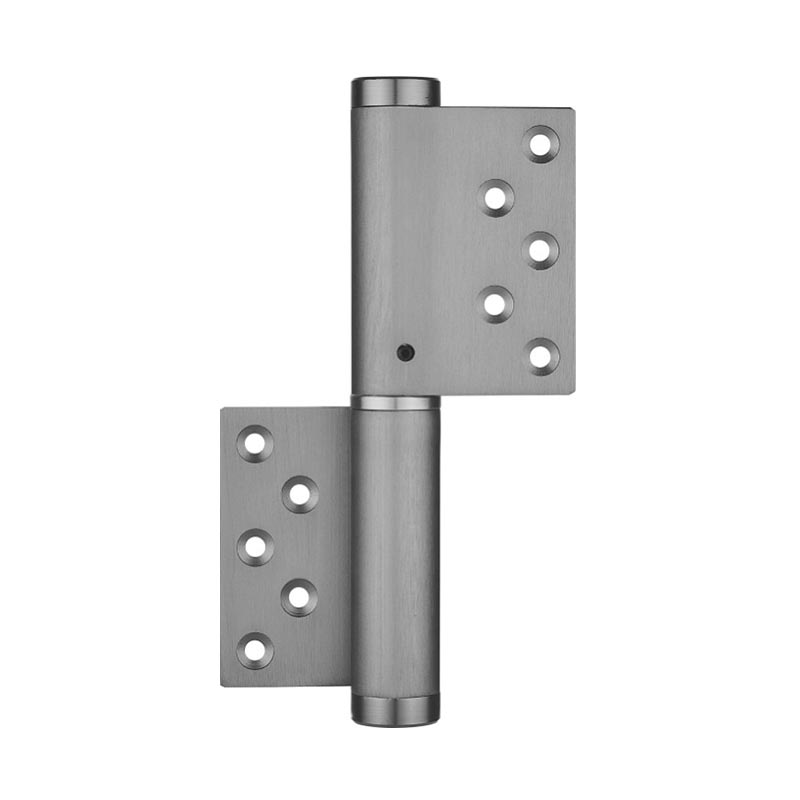
This is where Hydraulic Spring Hinge have gained attention.
Unlike a basic hinge that mainly allows a door to rotate, a spring hinge combines door movement with a controlled closing action. The result is not simply a door that can close. It is a door whose movement can be managed more deliberately.
For architects, hardware distributors, door manufacturers, installers, and building owners, this distinction can matter. Door hardware is no longer viewed only as a collection of small components. It is increasingly considered part of the overall user experience.
So why are hydraulic spring hinges being considered for controlled door closing?
A conventional hinge provides the basic connection between the door and its frame. It allows the door to swing while supporting its movement.
A spring hinge adds another function.
It uses spring action to encourage the door to return toward its closed position, while hydraulic control helps manage that movement. Instead of allowing the door to move freely until it reaches a stopping point, the hinge is designed around a more measured closing process.
This difference may seem small when looking at the hardware itself. It becomes much more noticeable when the door is used repeatedly.
Think about a busy interior space. People enter while carrying boxes, walk through with their hands full, or move between rooms several times during the day. The door may be pushed open only slightly in one situation and much farther in another.
A hinge that responds in a controlled way can make these different movements feel more consistent.
The value is therefore not limited to the hinge itself. It comes from how the hinge interacts with the door, frame, and people using the space.
This has also changed the way some buyers look at door hardware. Instead of asking only whether a hinge can support movement, they may also ask how that movement should happen.
Controlled closing is largely about movement rather than appearance.
A door has weight and momentum. Once it starts moving, it does not simply stop because someone lets go. Without a suitable closing mechanism, the final movement can be unpredictable.
A spring hinge approaches this differently.
The spring provides a closing force. Hydraulic action helps regulate the movement. Together, these functions can create a closing motion that feels more deliberate.
That can influence several everyday experiences.
A door that moves toward the frame at a manageable pace can feel less abrupt. This is especially noticeable in quiet indoor spaces.
The difference is not necessarily dramatic. In fact, the most useful hardware may be the hardware people barely notice. When a door closes smoothly and predictably, users can simply move through the space without thinking about the mechanism behind it.
The final part of door movement matters. A door that approaches the frame too aggressively can create noise and vibration.
Controlled movement can reduce the sense of impact. It may also make the door feel more refined during repeated use.
Different people use doors in different ways. Some push them open quickly. Others move them gently.
A controlled closing mechanism helps the door return toward its closed position without relying entirely on the user's movement.
This can be useful in shared spaces where no single person controls how the door is operated.
Door design has changed.
A door is no longer evaluated only by its surface finish, color, or shape. The way it opens and closes can also influence how people perceive the space.
This is especially relevant as interior design becomes more focused on comfort and usability.
A minimalist door may look simple from the outside. Behind that simple appearance, however, several hardware components determine how it behaves.
The hinge is one of them.
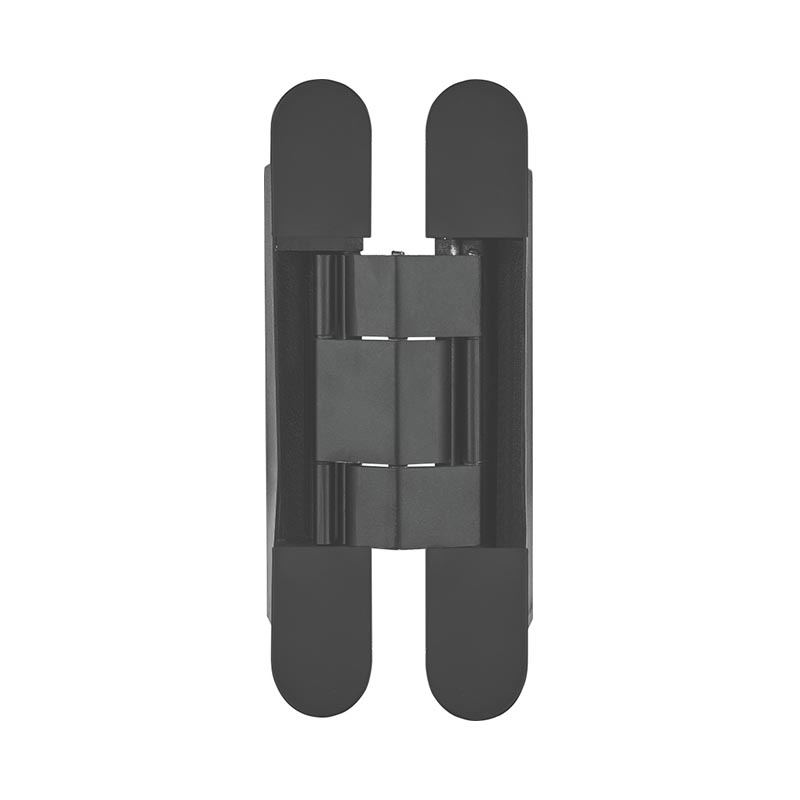
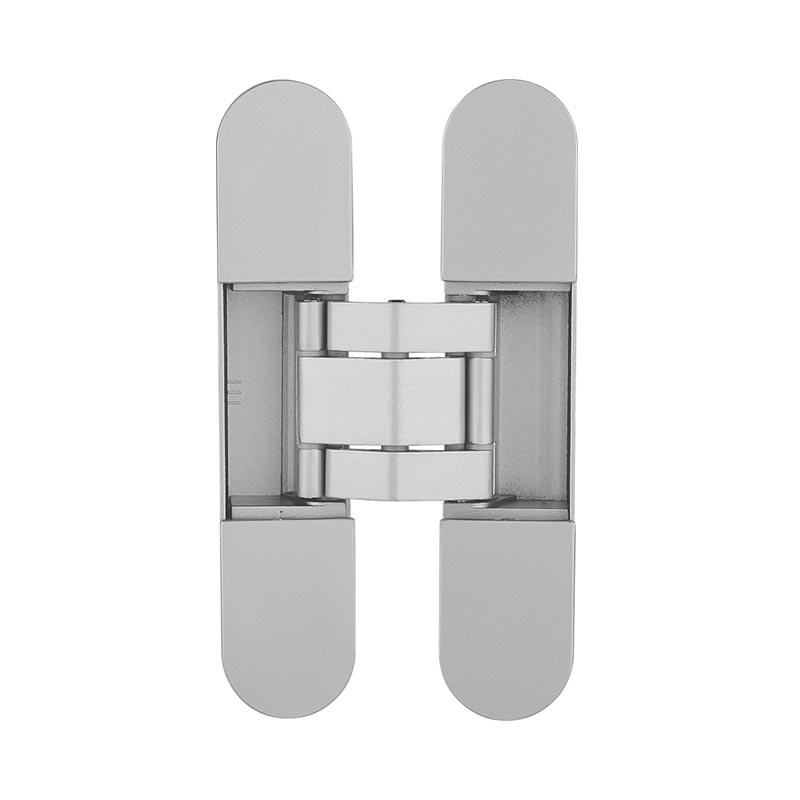
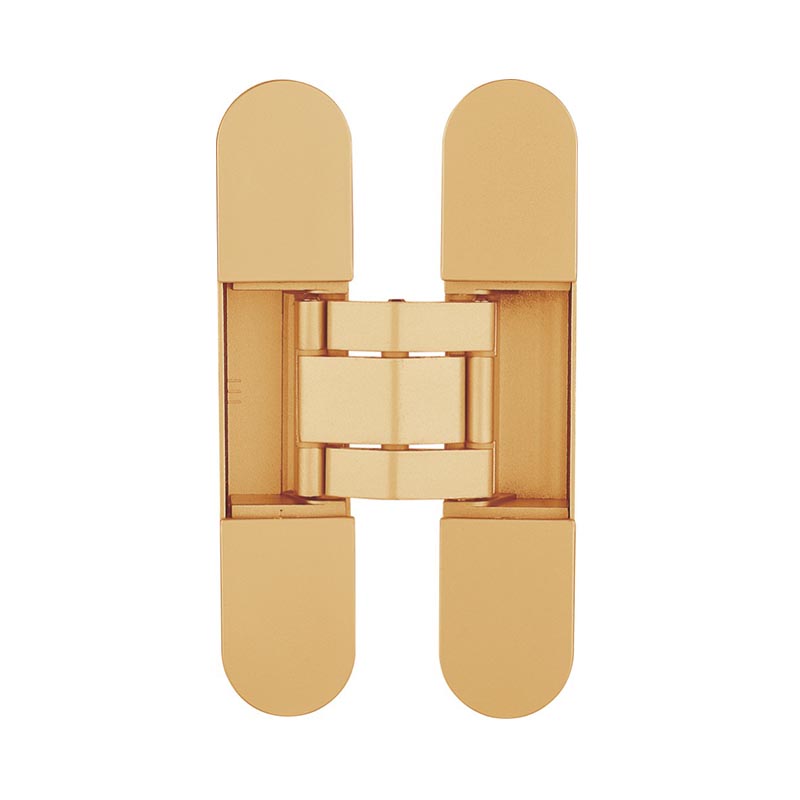
A spring hinge can support a cleaner hardware concept because its closing function is integrated into the hinge rather than relying entirely on separate visible components.
This does not mean every door needs this type of hinge. The choice depends on the door design, usage conditions, installation approach, and desired movement.
Still, the integrated concept is attracting attention because it connects two functions that have traditionally been considered separately: supporting door movement and encouraging door closure.
That can give designers another option when planning functional door systems.
| Door consideration | Why it matters |
|---|---|
| Closing movement | Influences how the door feels during everyday use |
| Hardware appearance | Can affect the visual simplicity of the door |
| Space usage | Determines how often and how widely the door may be opened |
| User behavior | Changes how the door experiences repeated movement |
| Maintenance needs | Can influence long-term hardware planning |
| Installation approach | Affects how the hinge works with the door and frame |
The important point is that hinge selection is becoming less isolated from the rest of the door design.
Spring hinges can be considered in many situations where controlled door closing is useful.
Interior doors are an obvious example. Rooms within homes, offices, commercial spaces, and public buildings may all benefit from predictable door movement.
But the potential applications go beyond a single type of building.
In homes, doors are often used by people with different habits. One person may leave a door partly open while another expects it to close.
A self-closing hinge can help create a more consistent routine.
The hinge can also support a cleaner appearance when designers want to avoid adding separate closing hardware to the visible side of the door.
Office doors experience repeated use. People move between meeting rooms, work areas, storage spaces, and shared facilities throughout the day.
Controlled closing can help reduce unnecessary door movement and make the space feel more organized.
Retail stores, restaurants, hotels, and other commercial environments often pay close attention to how customers move through a space.
A door that closes in a predictable manner can support smoother circulation without drawing attention to the hardware.
In shared environments, users may not always remember to close a door.
A spring-assisted closing mechanism can reduce dependence on individual habits. This can be useful where keeping doors closed is part of normal space management.
The application should still be evaluated individually. Door weight, frame condition, installation quality, frequency of use, and environmental conditions can all affect the suitability of a particular hinge.
The interesting part of hinges is not only their closing function.
They also encourage a different way of thinking about hardware.
Traditional door hardware is often selected component by component. A hinge supports movement. A separate closer manages closing. Other fittings handle different functions.
An integrated hinge can bring some of these ideas closer together.
This can simplify the visual language of a door.
For modern interiors, that matters. Designers often want hardware to perform its function without becoming the main visual feature.
A smaller or more integrated hardware arrangement can help maintain a clean appearance.
There is also a practical consideration.
Every additional component introduces another part that needs to be selected, installed, adjusted, and maintained. Combining functions can sometimes make the overall door concept easier to organize.
However, integration should not be confused with universal suitability.
A spring hinge is still one component within a larger door system. Its performance depends on how well the hinge matches the door and frame.
This makes selection an important part of the design process.
The phrase "hydraulic spring hinge" can sound straightforward, but buyers should look beyond the product name.
The most useful questions are related to the actual door.
An interior room door has different requirements from a frequently used commercial door.
The material, construction, size, and surrounding frame can all influence hinge selection.
Some doors are used gently. Others are opened quickly and repeatedly.
Understanding normal movement can help buyers choose hardware that matches the way the door will actually be used.
"Self-closing" does not necessarily mean the same thing as "controlled closing."
A buyer may want the door to return toward its closed position while avoiding an overly abrupt final movement.
The desired user experience should therefore be identified before selecting the hardware.
Location matters.
An indoor residential door has a different environment from a door exposed to frequent temperature changes, moisture, dust, or heavy traffic.
The surrounding conditions should be considered alongside the door itself.
Installation can influence how the hinge performs.
Correct positioning and suitable alignment help the door move as intended. Poor installation can create problems that may appear to be caused by the hinge even when the real issue lies elsewhere.
For distributors and project buyers, installation guidance can therefore be almost as important as the product selection.
This is one of the more interesting questions surrounding spring hinges.
In some door designs, an integrated hinge may provide a practical alternative to using a separate door-closing component.
That can create a simpler hardware arrangement.
However, it would be misleading to assume that one hinge can replace every type of door closer in every application.
Different doors have different functional requirements. Some projects may need a dedicated closing system because of the door's design or operating conditions.
Hydraulic spring hinges are better viewed as another option within the broader range of door hardware.
The benefit comes from matching the hinge to the application rather than treating the product as a universal replacement.
This distinction is important for responsible product communication.
Claims about suitability should be based on actual application requirements. Advertising language should also avoid suggesting that a particular hinge automatically solves every door-closing problem.
For buyers, this creates a useful decision point: Is an integrated hinge enough for the intended door, or does the project call for a separate closing solution?
That question can help narrow the selection process.
The development of door hardware often follows a simple pattern.
Users want fewer things to manage. Designers want hardware that fits naturally into the overall appearance. Building operators want predictable daily operation.
These expectations are pushing attention toward components that combine useful functions without adding unnecessary visual complexity.
Spring hinges fit into this broader movement.
Their significance is not necessarily about replacing traditional hinges across the market. It is about expanding the choices available to people designing and purchasing doors.
A hinge can now be considered not only as a pivot point but also as part of the closing experience.
That shift may influence how manufacturers develop future hardware products and how buyers compare different solutions.
It also changes the questions asked during a project.
Instead of simply asking, "Which hinge fits this door?", a designer may ask, "How should this door move?"
That is a more useful starting point.
The answer can affect the choice of hinge, closer, frame, handle, and other components.
As door hardware becomes more closely connected with interior comfort and functional design, hydraulic spring hinges have a place in that conversation. Their appeal comes from combining spring-assisted closing with hydraulic movement control in a form that can fit naturally into a broader door system.
For architects, manufacturers, distributors, and installers, the opportunity lies in understanding where that combination makes sense.The hinge may be small.The effect of its movement is not always small.

No.123, Kaixuan road, yunshan street, lanxi city, jinhua city, zhejiang province, china

+86-18066248602

+86-579-88864580

+86-579-88864581

Copyright © 2024 Lanxi Maya Hardware Co., Ltd. All Rights Reserved. Privacy Policy

Hydraulic Door Hinges Hardware Factory



 English
 Español
 русский