

 English
 Español
 русский
News
Home / News / Industry News / Vertical Spring Hinges Bring Self-Closing Function Into Door Hardware Design
A door hinge is easy to overlook. Most people notice the door itself, its surface, handle, frame, or general appearance. The hinge usually stays in the background. Yet this small component can influence how a door behaves every time it is opened and released.
A door may need to return to its closed position after someone passes through. It may also need to move in a way that feels controlled rather than sudden. In shared spaces, this behavior can become even more noticeable because many people use the same door throughout the day.
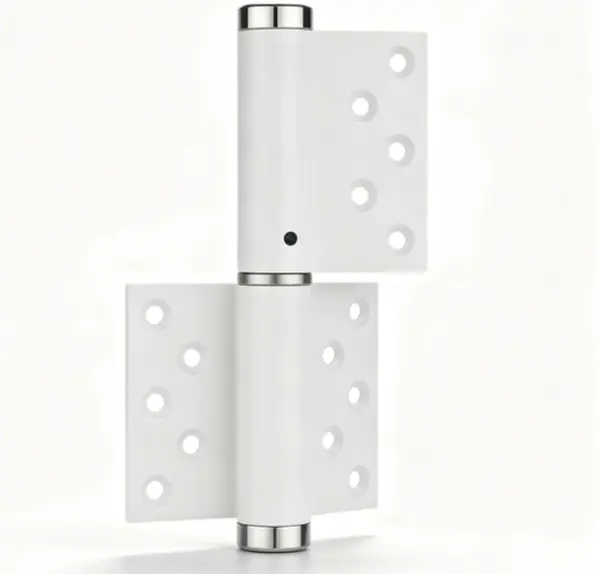
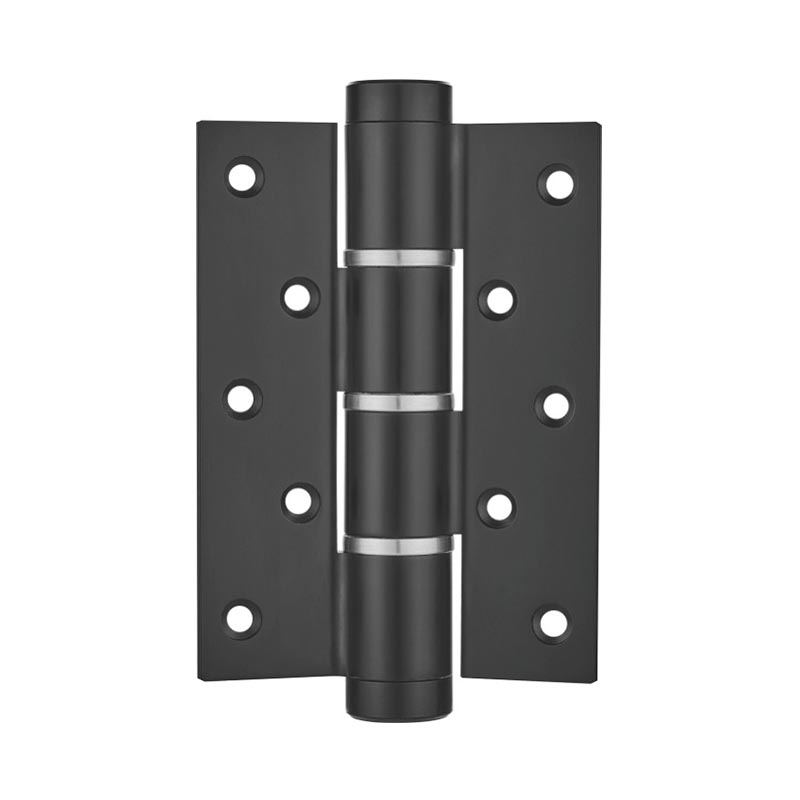
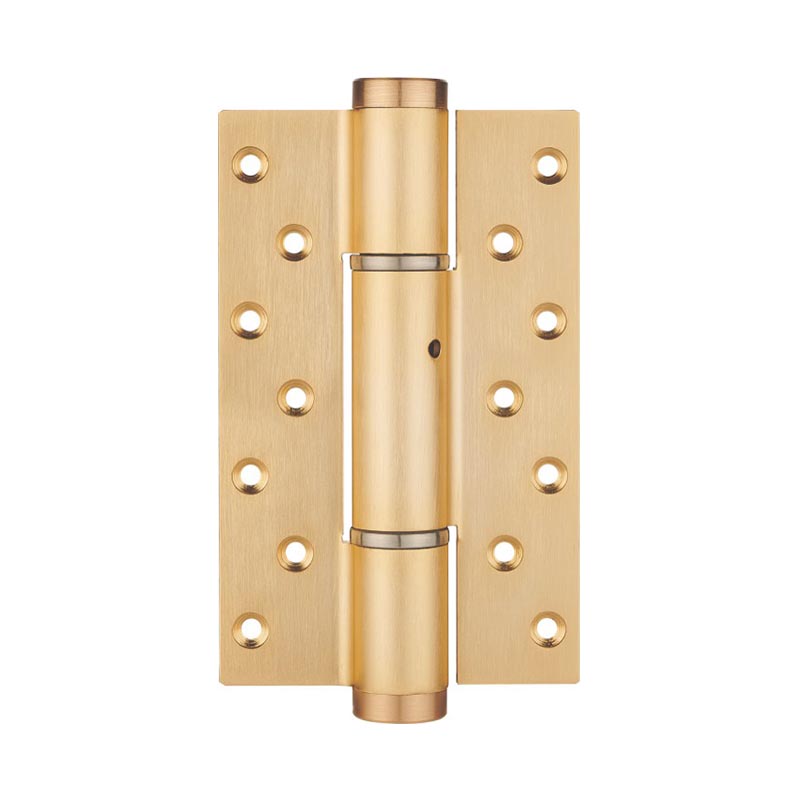
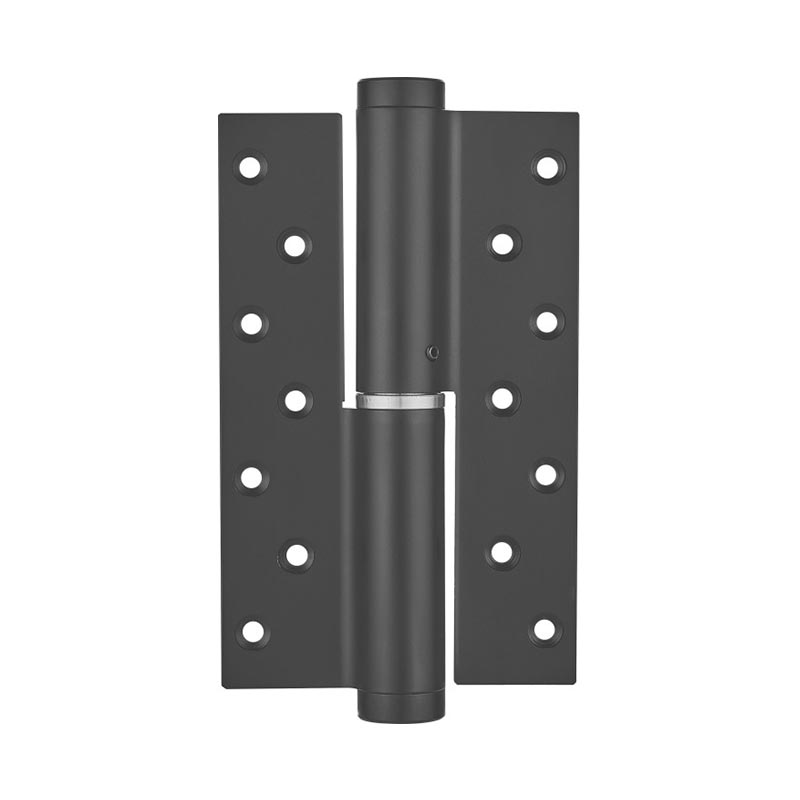
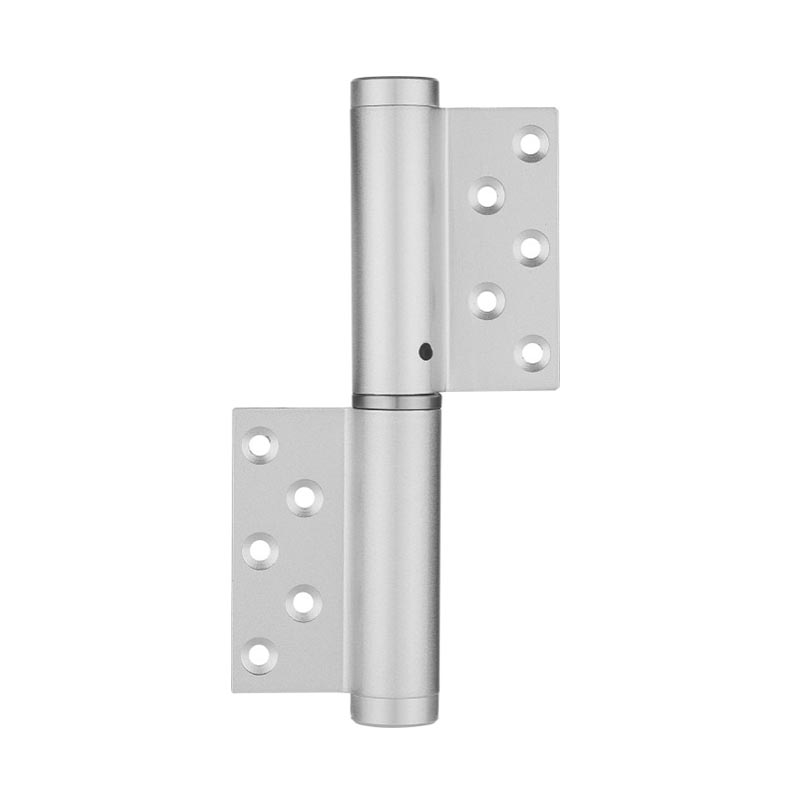
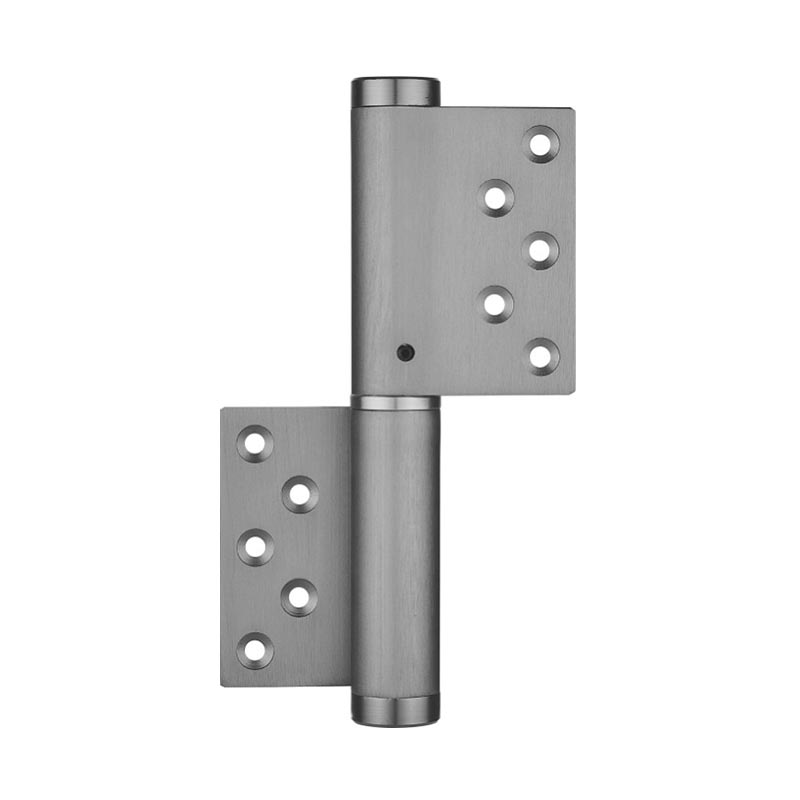
These needs are bringing more attention to self-closing door hardware. Vertical Spring Hinges offer one approach by combining the basic movement of a hinge with spring-assisted closing. Instead of treating the closing function as something completely separate, the hinge itself becomes part of the door's return movement.
This idea is influencing how manufacturers, designers, distributors, and installers think about door hardware. The discussion is no longer limited to whether a hinge can connect a door to its frame. It can also involve how the door should move, how it should return, and how the hardware can fit naturally into the overall design.
A door controls movement between spaces. It may separate a room from a hallway, connect two working areas, or provide access between public and private sections of a building. Although opening the door is an active action, closing it is often treated as something that should happen naturally after the person has passed through.
In many spaces, that does not always happen. Someone may hold the door open for another person. Someone carrying an item may leave it partly open. Another user may simply walk through without thinking about the door behind them. When several people use the same entrance, these different habits can make door positions unpredictable.
Self-closing hardware provides another way to manage this behavior. Instead of depending entirely on users to pull the door back into place, the hardware can encourage the door to return after it has been opened. This can make sense in areas where keeping the door closer to its normal position is part of everyday space management.
Vertical Spring Hinges are attracting attention because they bring this idea into the hinge itself. The component continues to provide the basic pivoting function while also using spring action to encourage the door to close. This creates an integrated approach that can be considered during the early stages of door and hardware selection.
The basic idea is relatively easy to understand. When a door is opened, the spring inside the hinge is involved in the movement. Once the door is released, the spring encourages it to move back toward its normal closed position. The hinge therefore becomes part of both the opening and closing process.
This is different from thinking about a hinge as a component that only allows rotation. A standard hinge can support the movement of a door, but it does not necessarily provide a built-in closing action. A spring hinge adds another function to the same general hardware concept.
That combination can be useful where designers want self-closing behavior without making a separate closing component the main feature of the door. The hardware remains closely associated with the hinge position, which can support a relatively straightforward visual arrangement.
The actual performance of any hinge still depends on the door and its surroundings. Door construction, frame condition, installation quality, frequency of use, and the intended application should all be considered. A spring hinge should be selected according to the actual requirements of the door rather than treated as a universal answer for every application.
Self-closing may appear to be a small hardware feature, but its effect can become noticeable through repeated daily use. Imagine a door between an office and a corridor. One person opens it gently, another pushes it quickly, and someone else walks through while carrying something. Each user interacts with the same door differently.
Without a closing function, the final position of the door can depend heavily on the person using it. The door may remain partly open or require another action to bring it back into position. In a busy environment, these small differences can become part of the everyday experience of the space.
A Vertical Spring Hinge changes that relationship by making the hardware participate in the return movement. The user still controls the opening action, but the hinge can encourage the door to move back afterward. This can reduce reliance on individual habits and create a more consistent pattern of use.
The value of this function can vary between applications. It may be useful for interior doors, shared facilities, office spaces, commercial areas, and other locations where doors are frequently opened and expected to return toward a closed position.
Vertical Spring Hinges can be considered wherever the desired door movement includes a self-closing function. Interior doors are one common area of consideration because users often move through them without wanting to stop and close the door manually. A hinge that encourages the door to return can become part of the normal movement of the space.
Commercial and shared environments create another potential application. Doors in these areas may be used by many people with different habits. Instead of expecting every person to close the door in the same way, the hardware can help establish a more consistent return movement.
They can also be relevant when appearance matters. Some modern interior designs favor simple door surfaces and limited visible hardware. When the closing function is integrated into the hinge, designers have another option for keeping the hardware arrangement visually straightforward.
| Application area | Why self-closing may matter |
|---|---|
| Residential interiors | Helps doors return toward their normal position after use |
| Office spaces | Supports consistent movement between shared areas |
| Commercial interiors | Reduces reliance on users manually closing the door |
| Shared facilities | Helps manage doors used by people with different habits |
| Interior design projects | Allows closing function to be considered within the hinge arrangement |
The application should still be evaluated on its own. A hinge suitable for one door may not be suitable for another. The door's construction, surrounding frame, usage pattern, and installation conditions all have a role in the final choice.
One reason Vertical Spring Hinges are interesting is the way they combine functions. A traditional door assembly may use separate components for movement and closing. Each component has its own place and purpose, which can make hardware selection a more involved part of the design process.
A spring hinge brings closing assistance into the hinge itself. This does not necessarily eliminate the need for other hardware, but it can give designers another way to organize the door system. For certain applications, that integrated approach may fit better with the desired appearance and operation.
This can be particularly relevant to interiors where hardware is expected to remain visually quiet. The door may have a simple appearance, while the hinge performs an additional function in the background. In this sense, the hinge becomes part of the design without needing to become its visual focus.
For project planners, the main benefit is flexibility rather than a promise that every door can use the same solution. The decision should be based on how the door needs to operate and whether the hinge can meet that requirement within the complete door assembly.
This approach helps keep the focus on the application instead of selecting hardware simply because it has a particular feature.
Choosing a Vertical Spring Hinge starts with the door rather than the product name. Buyers should understand what the door needs to do and how people will use it. A door in a private room may have different requirements from one located in a busy shared area.
The desired closing behavior also deserves attention. Some applications may simply require the door to return toward its closed position. Others may require a different type of closing arrangement. Understanding this distinction can prevent buyers from expecting one hinge design to handle every possible door situation.
Installation is another important consideration. Even suitable hardware may not behave as expected if the door or frame is poorly aligned or the hinge is not installed correctly. For this reason, product selection and installation planning should be treated as related decisions.
Buyers can use a simple set of questions during the selection process:
These questions can make the purchasing process more practical. They also help avoid broad assumptions about what a spring hinge can or cannot do.
There is a wider design idea behind the growing interest in self-closing hinges. Door hardware is increasingly being considered as part of the overall user experience rather than simply as a collection of separate components.
A handle determines how people interact with the door. A lock affects access. A hinge influences movement. When spring action is added, the hinge can also influence what happens after the user releases the door. Each component remains relatively small, but together they shape how the door feels.
This makes the Vertical Spring Hinge particularly interesting from a design perspective. It connects the physical movement of the door with a function that users experience directly. The hinge is no longer only something that allows the door to swing. It also participates in how the door returns.
For designers, this raises a useful question: should hardware be selected only according to its basic mechanical role, or should it also be considered according to the experience it creates? The answer will depend on the project, but the question itself shows how door hardware is being viewed in a broader way.
The trend toward integrated functions also creates room for different approaches. Some doors may still need conventional hinges and separate closing hardware. Others may benefit from a hinge that combines movement and spring-assisted closing. The choice depends on the door and the space rather than on a single universal formula.
Self-closing hardware is closely connected with everyday behavior. People generally do not think about the number of times they open a door during a normal day. They simply expect the door to respond naturally when they push or pull it.
That expectation creates an opportunity for hardware designers. Instead of adding a closing function after the door has already been designed, the movement of the door can be considered from the beginning. The hinge can become part of that planning process.
This approach encourages several practical questions. Should the door return to its closed position after use? Should the closing function remain visually subtle? Would an integrated hinge fit the intended appearance? Does the space benefit from a door that behaves more consistently between users?
These questions place the Vertical Spring Hinge within a broader area of door hardware design. Its role is not limited to connecting a door with its frame. It can also become part of how designers approach self-closing behavior, everyday usability, and the relationship between functional hardware and modern interior spaces.

No.123, Kaixuan road, yunshan street, lanxi city, jinhua city, zhejiang province, china

+86-18066248602

+86-579-88864580

+86-579-88864581

Copyright © 2024 Lanxi Maya Hardware Co., Ltd. All Rights Reserved. Privacy Policy

Hydraulic Door Hinges Hardware Factory