

 English
 Español
 русский
News
Home / News / Industry News / Sprung Fire Door Hinges Are Supporting More Reliable Fire Door Operation
Fire doors are part of many building spaces that people use every day.
They can be found in offices, apartment buildings, hotels, schools, hospitals, warehouses, commercial facilities, and other properties. Most of the time, people may not pay much attention to them. A fire door simply needs to open when access is required and return to a closed position when it is no longer being used.
Behind this simple movement are several door components working together.
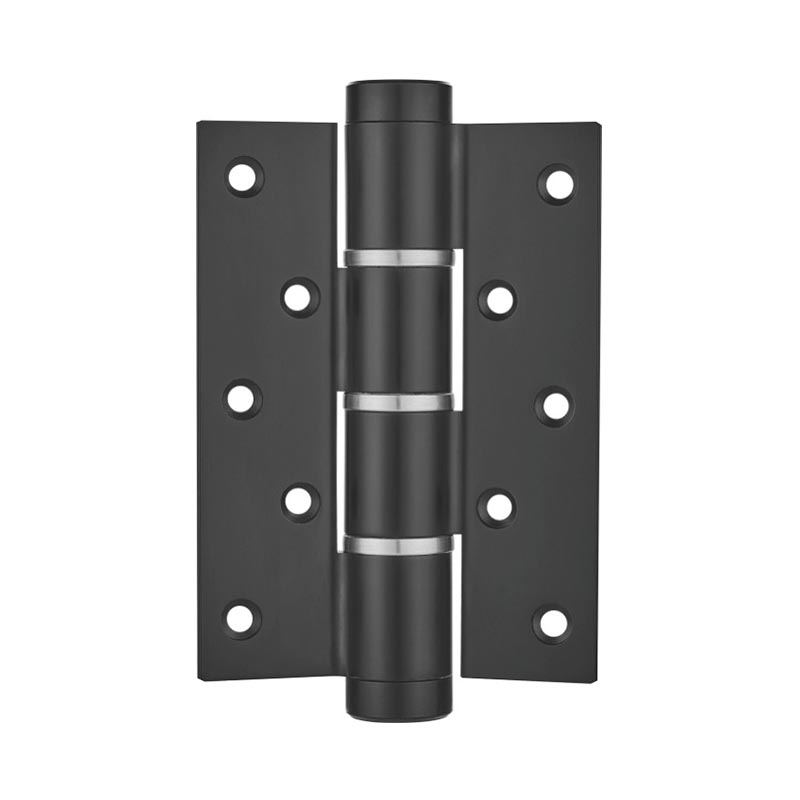
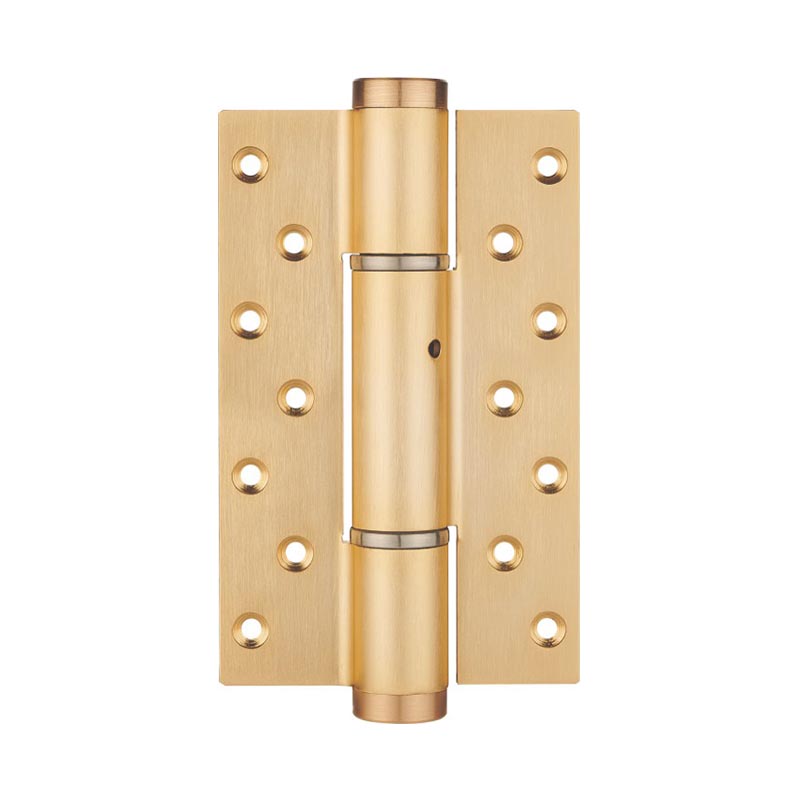
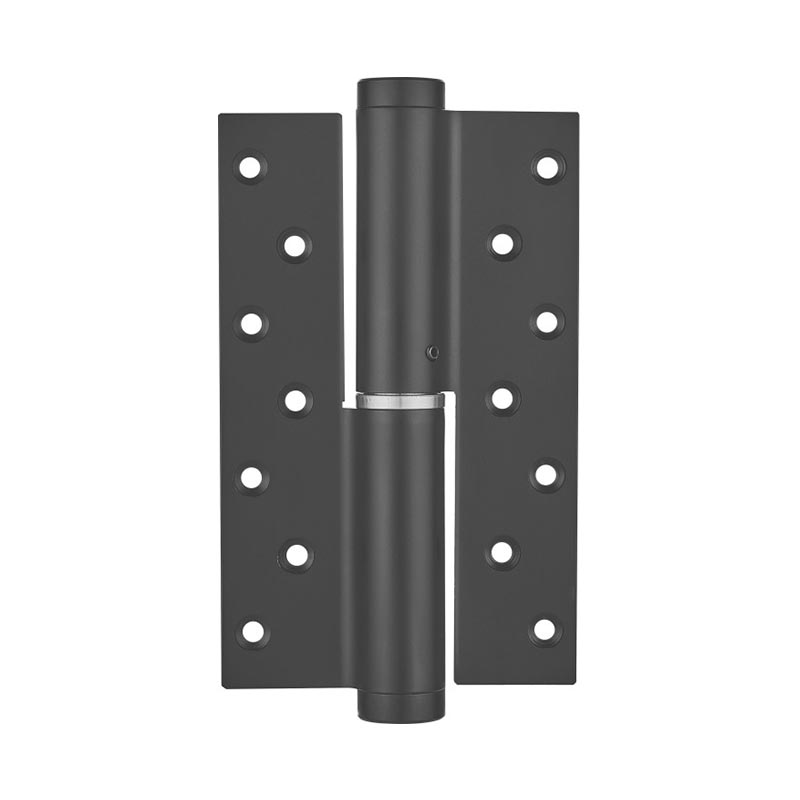
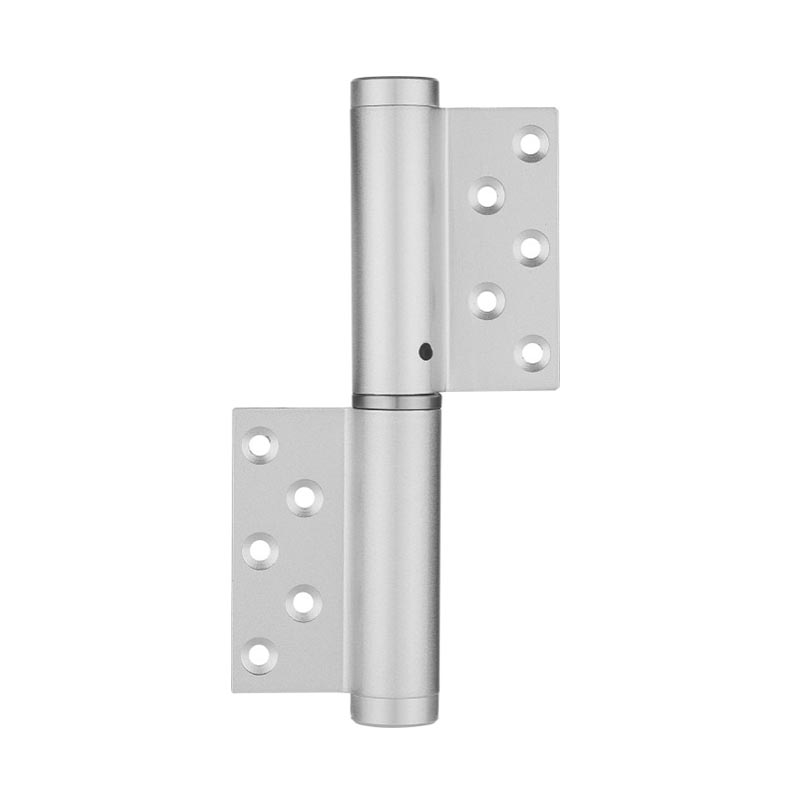
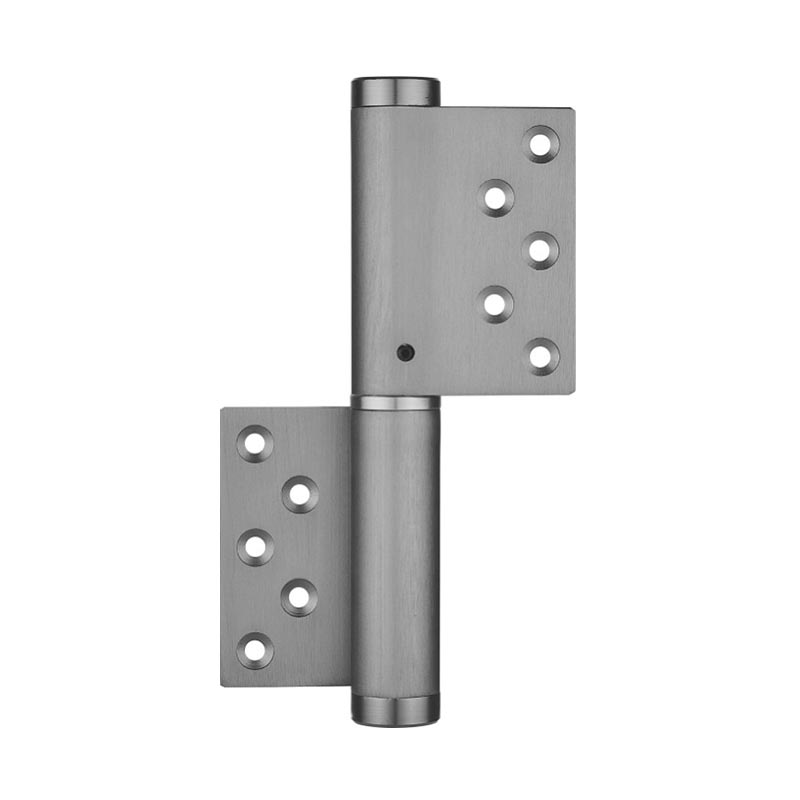
Hinges are one of them. They support the connection between the door and its frame and allow the door to move during opening and closing. When a spring function is added, the hinge can also contribute to the door's return movement.
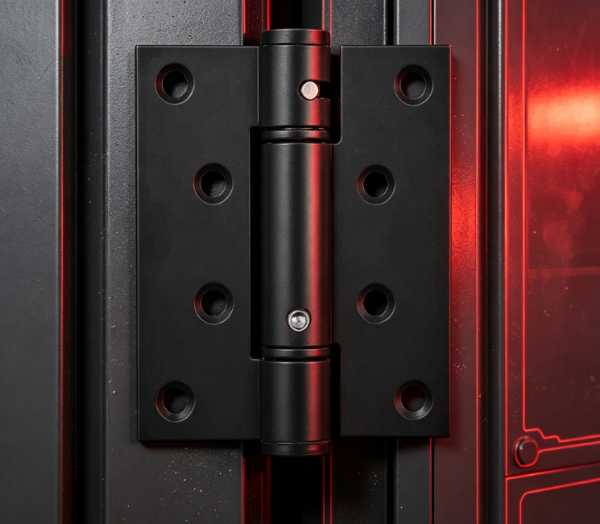
This is where sprung fire door hinges are receiving more attention.
The role of these hinges is not limited to holding a door in place. Their relationship with door movement can influence how a fire door behaves during everyday use. For building owners, contractors, maintenance teams, and door hardware suppliers, this makes hinge selection part of a wider discussion about fire door operation.
A fire door is used as part of a building's overall safety arrangement. Yet it is also a working door.
People need to pass through it. Staff may move equipment through it. Residents may use it many times during the day. In some buildings, the door can experience frequent opening and closing.
This creates a practical challenge. The door needs to provide access when needed while also returning to its intended position after use.
A door that does not close properly may create problems for the building's normal operation. The issue may come from several sources, including the door, frame, hinge, closing hardware, installation, or general wear.
This is why reliable movement matters.
The hinge is a relatively small part of the complete door assembly, but it has a direct connection with movement. A suitable sprung hinge can help support the closing action while remaining part of the normal opening process.
For this reason, door hardware should not be viewed as an isolated accessory. It forms part of the way the complete door system works.
A standard hinge mainly allows the door to pivot around its connection with the frame.
A sprung hinge adds another function. Its internal spring provides a closing force that encourages the door to return toward its closed position after being opened.
This can be useful in areas where people frequently pass through a fire door.
The user does not need to think about the hinge while opening the door. The movement feels like part of the door itself. After the person passes through, the spring action helps the door move back toward its normal position.
The actual result depends on the complete door arrangement. The door, frame, hinge, installation, and other hardware need to work together.
A simple way to understand the role of a sprung hinge is to separate the main functions:
| Door Function | Contribution of a Sprung Hinge |
|---|---|
| Door movement | Allows the door to pivot during opening and closing |
| Closing action | Provides spring-assisted movement toward the closed position |
| Daily use | Supports repeated opening and closing |
| Door alignment | Works as part of the connection between door and frame |
| System operation | Contributes to the overall behavior of the door assembly |
The hinge does not work alone. Its value comes from how well it fits the complete door system.
Sprung fire door hinges can be relevant across many building environments.
Commercial buildings are one common setting. Offices, retail spaces, hotels, and public buildings often contain doors that need to balance regular access with controlled closing.
Residential buildings can also have similar requirements. Apartment blocks and other shared properties may contain fire doors in corridors, stairway areas, entrances, and service spaces.
Industrial and storage facilities present another type of environment. Doors may be used by workers carrying tools, materials, or equipment. The hardware needs to support normal movement without making daily access unnecessarily difficult.
The application can therefore vary widely.
| Building Type | Typical Door Use |
|---|---|
| Offices | Corridors, service areas, and shared spaces |
| Residential buildings | Common areas and access routes |
| Hotels | Guest areas, corridors, and service spaces |
| Schools | Classrooms, corridors, and shared facilities |
| Warehouses | Work areas and internal access points |
| Commercial buildings | Staff areas, service rooms, and public spaces |
The correct hinge choice depends on the actual door arrangement and the applicable building requirements.
This makes application knowledge important for both buyers and suppliers. A product that fits one type of door may not automatically suit another.
Choosing a hinge is not simply a matter of finding a component that fits the door.
The hinge needs to work with the door and frame. Its closing behavior needs to be appropriate for the way the door is expected to operate. Installation also needs to follow the requirements of the complete door system.
For fire doors, compatibility is particularly important.
The door is part of a larger safety arrangement. Hardware should therefore be selected with the complete application in mind rather than based only on appearance or general size.
Several questions can help guide the selection process:
These questions help move the discussion away from the hinge alone.
A sprung fire door hinge may provide a useful closing function, but it still needs to be suitable for the actual application. Proper installation and regular inspection remain important parts of responsible door management.
Fire doors are often associated with emergency protection, but most of their life is spent in ordinary daily use.
People open them when moving between areas. Employees may pass through several times during a working day. Residents may use them while entering or leaving shared spaces.
This makes convenience relevant.
A door that is difficult to open or does not move naturally can affect the daily experience of the building. At the same time, a door that stays open when it is expected to return to a closed position may create another concern.
Sprung hinges offer a way to connect these two aspects.
The spring assists the return movement after the door has been opened. This can reduce the need for someone to manually close the door every time, depending on the complete door arrangement.
The effect is especially useful when a door is used repeatedly.
However, convenience should not be treated as a substitute for proper door management. If a door is difficult to close, unusually heavy, or not moving correctly, simply changing one component may not solve the underlying issue.
The complete system needs to be considered.
Even a suitable door component can be affected by regular use.
Doors move repeatedly. Hinges experience movement each time the door opens or closes. Over time, dirt, wear, loose fittings, alignment changes, or other issues can affect the way the door behaves.
Regular inspection can help identify these changes.
Maintenance teams may look at whether the door opens and closes as expected. They can also check the condition of the hinge and the relationship between the door and frame.
Unusual movement can be an early sign that something needs attention.
A practical maintenance routine may include:
| Inspection Area | What to Observe |
|---|---|
| Door movement | Whether the door opens and closes normally |
| Hinge condition | Signs of wear or visible damage |
| Door alignment | Whether the door sits correctly in the frame |
| Closing action | Whether the door returns toward its intended position |
| Fixings | Whether components remain securely fitted |
| Surrounding hardware | Whether other door components affect movement |
Maintenance should follow the requirements of the specific fire door system and applicable regulations.
This is important because a hinge is only one part of the assembly. Problems with the door, frame, closer, latch, or other hardware can also influence operation.
Building maintenance is becoming more focused on the condition of individual components.
A door may appear simple from the outside, but it contains several parts that need to work together. When one part changes, the movement of the entire assembly can also change.
This is why maintenance teams often need to look beyond visible surfaces.
A damaged hinge may not always be obvious at a glance. A small change in door movement may appear gradually. Regular checks can help maintenance staff notice such changes before they become more disruptive.
Sprung fire door hinges fit into this approach because their role is directly connected with door movement.
They can support the closing function while remaining part of the basic hinge connection. This makes them relevant to maintenance planning, particularly in buildings with many fire doors.
For property managers, the wider issue is organization.
A building may contain many doors, and each one may have different hardware. Keeping clear records of door types, hardware, inspections, and maintenance work can make routine management easier.
The hinge then becomes part of a broader maintenance process rather than an isolated replacement item.
The right choice depends on the door, the building, and the intended use.
A building owner should consider how the door is used during normal operation. A door in a quiet service area may have a different use pattern from one in a busy corridor.
The relationship between the hinge and other hardware also matters. Door closers, latches, seals, handles, frames, and other components all influence how the door operates.
Fire door requirements should also guide the selection.
A hinge should not be chosen simply because it appears suitable. It needs to be compatible with the relevant door system and installed according to the appropriate requirements.
The selection process can therefore focus on several practical areas:
| Consideration | Key Question |
|---|---|
| Door type | What type of fire door will use the hinge? |
| Usage | How will people interact with the door each day? |
| Closing | What closing behavior is expected? |
| Compatibility | Does the hinge work with the complete door arrangement? |
| Installation | Can it be installed according to the applicable requirements? |
| Maintenance | Can its condition be checked during routine inspections? |
| Replacement | Is there a clear process for addressing wear or damage? |
These considerations can help buyers make decisions based on the actual application.
The role of sprung fire door hinges is becoming easier to understand when viewed from this wider perspective. They are not simply pieces of metal connecting a door to a frame. Their spring action can contribute to the way a door returns after opening, while their basic hinge function supports everyday movement.
For buildings where fire doors are used regularly, that relationship matters.
The industry is also looking more closely at the small components that influence building operation. Hinges, closers, latches, seals, and other hardware may not attract attention when everything works normally. Their importance becomes clearer when a door fails to move or close as expected.
Sprung fire door hinges sit within this larger hardware system.
Their role connects everyday convenience with responsible fire door management. As building owners, contractors, and maintenance teams pay closer attention to how doors are installed, used, inspected, and maintained, the choice of hinge becomes part of that practical conversation.

No.123, Kaixuan road, yunshan street, lanxi city, jinhua city, zhejiang province, china

+86-18066248602

+86-579-88864580

+86-579-88864581

Copyright © 2024 Lanxi Maya Hardware Co., Ltd. All Rights Reserved. Privacy Policy

Hydraulic Door Hinges Hardware Factory