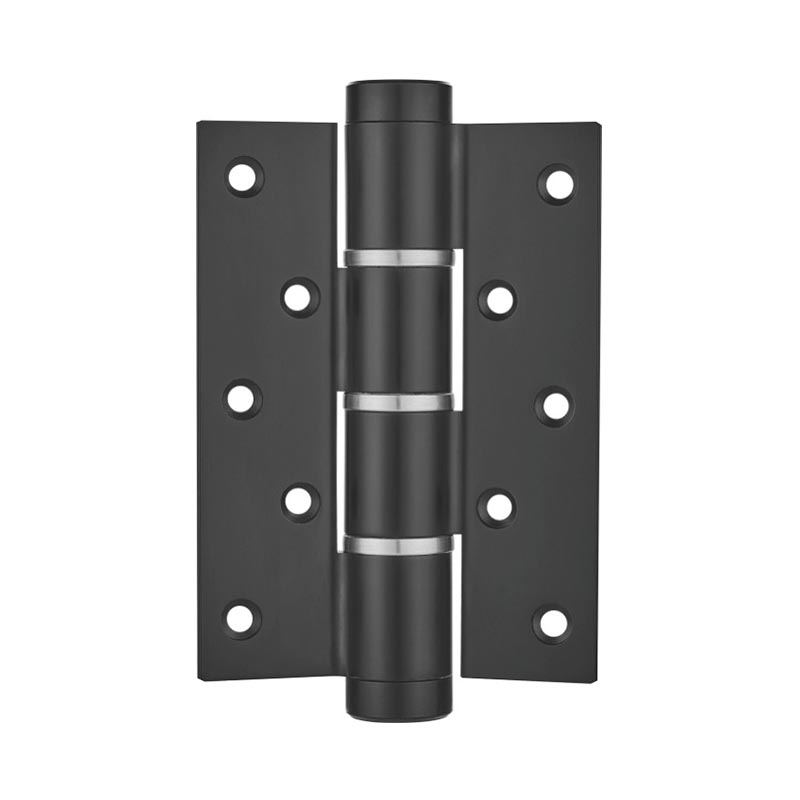
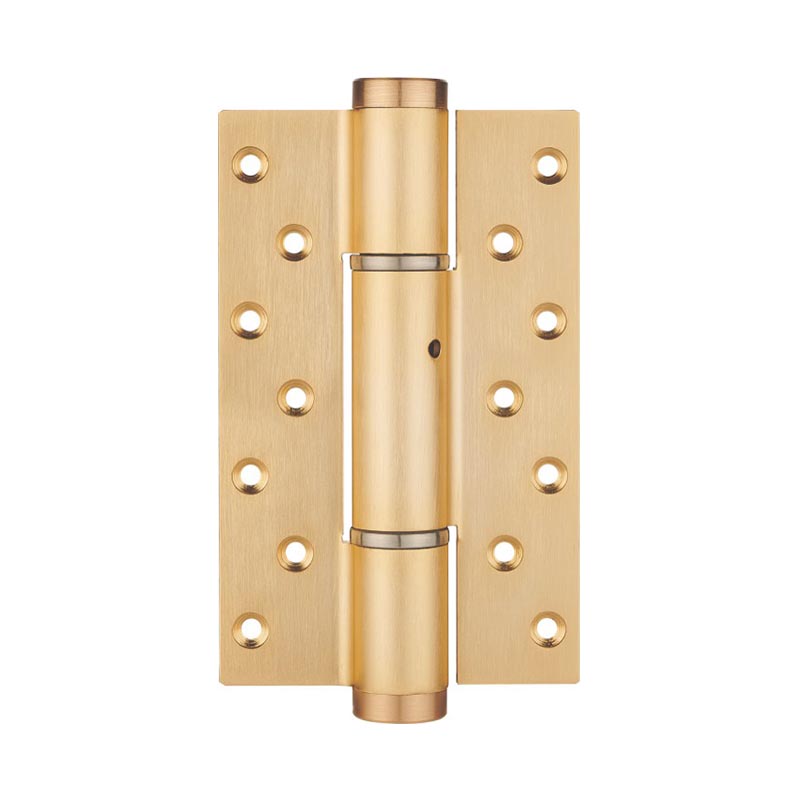
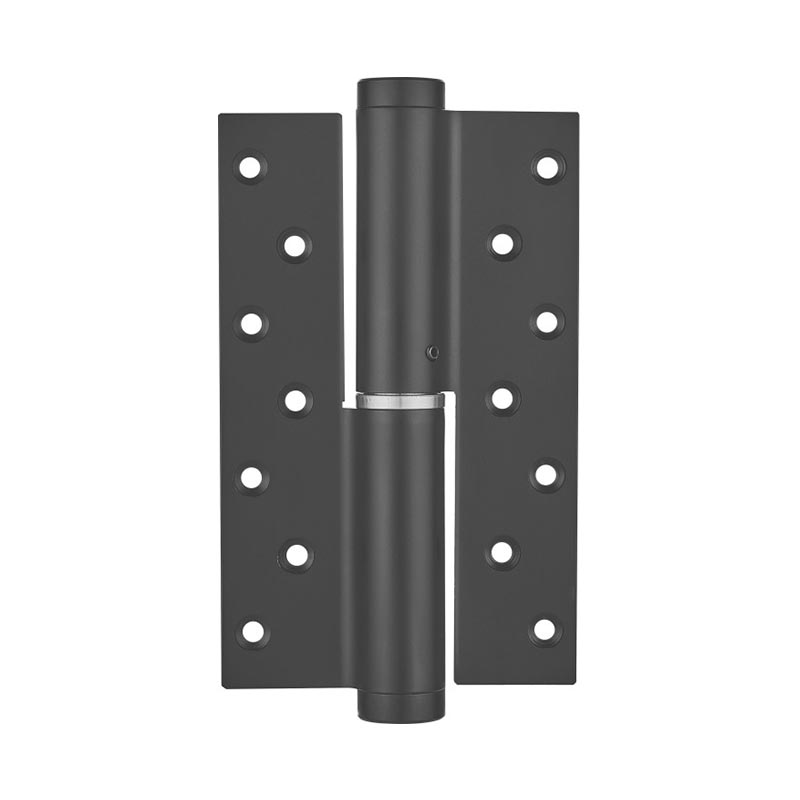
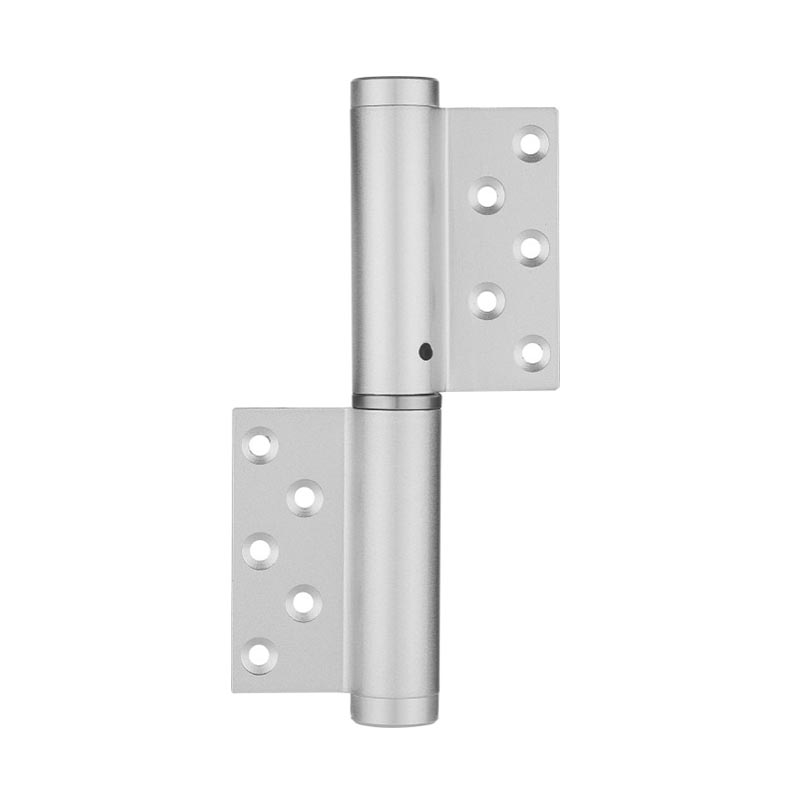
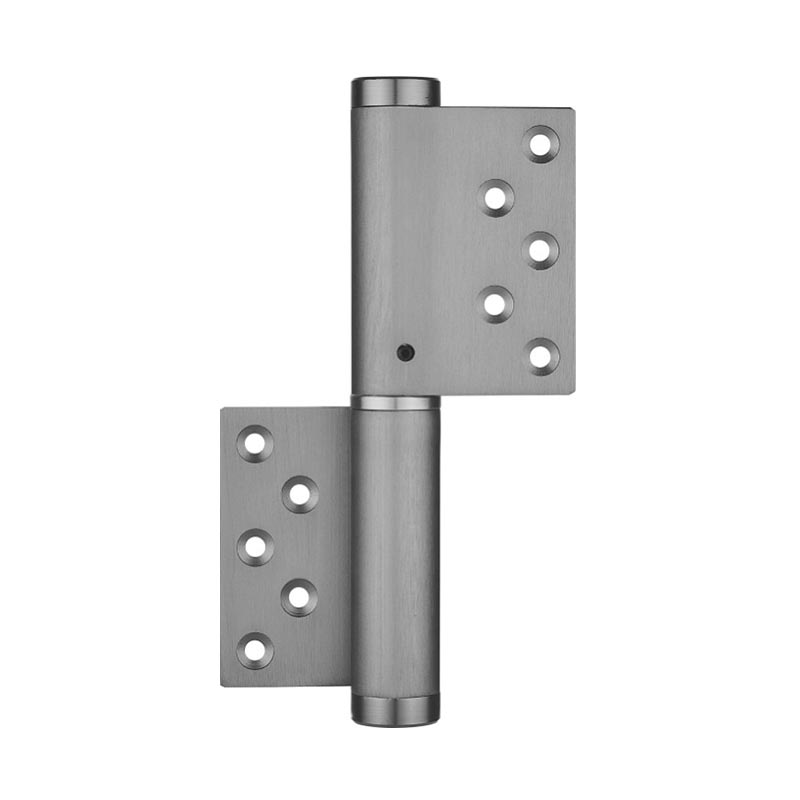
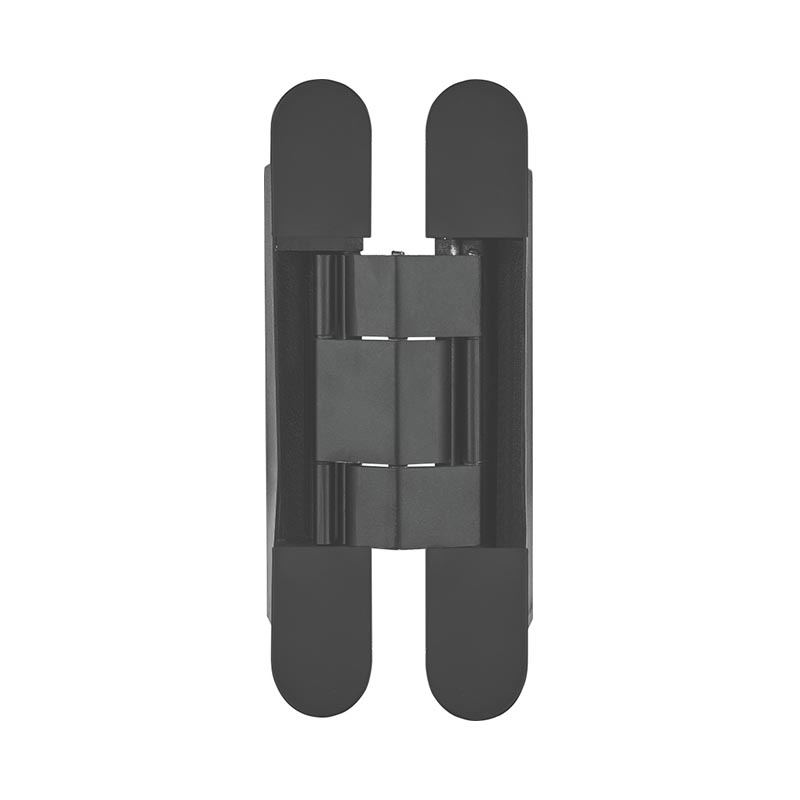
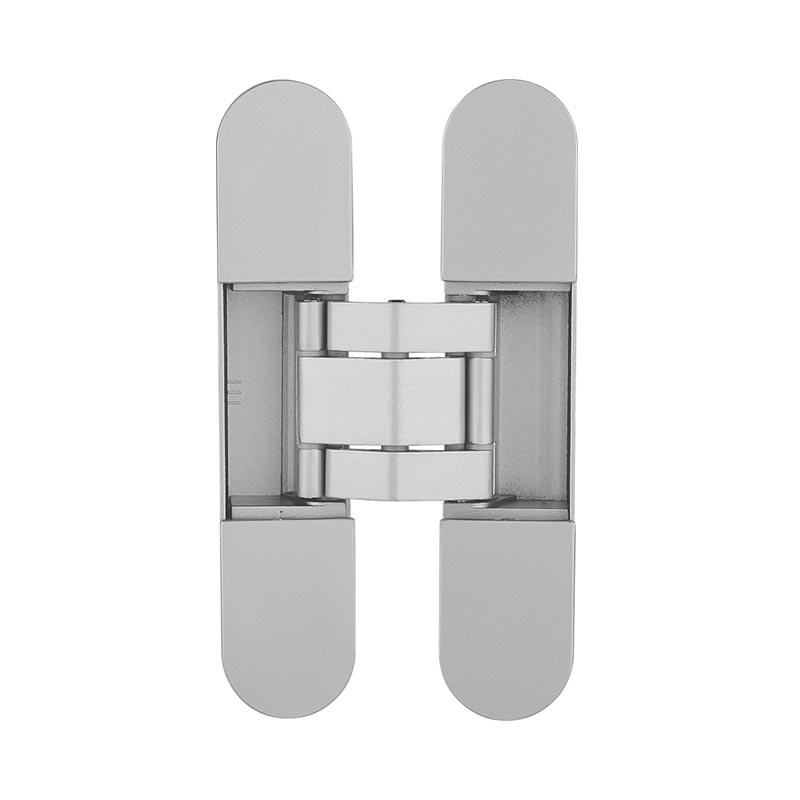
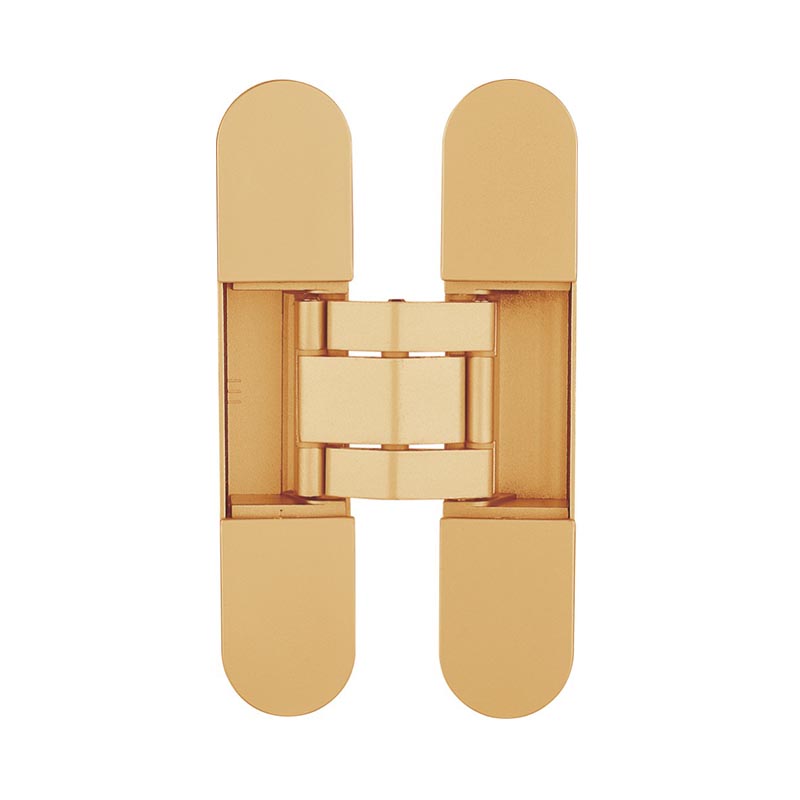
Door installation is no longer viewed as a simple process of attaching a door to a frame.
Modern buildings often have different layouts, materials, door styles, and space requirements. A door may need to fit a compact entrance, a busy commercial area, an interior passage, or a space where appearance matters as much as daily use. These differences can make hardware selection more important than it may seem.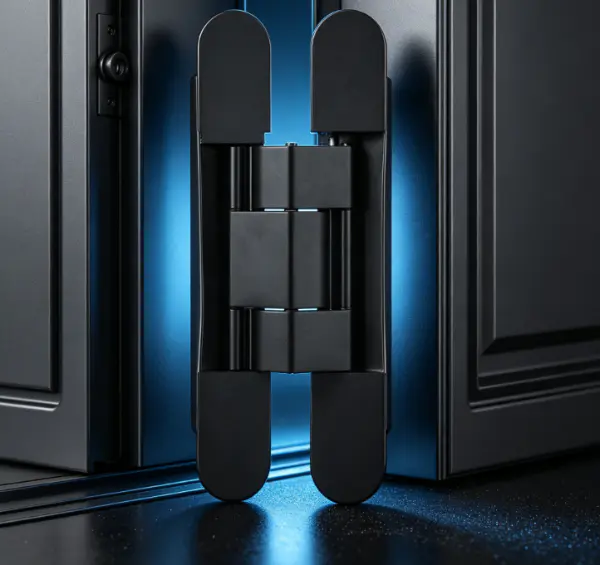
This is one reason 3D hydraulic hinges are receiving more attention.
A hinge connects the door with the frame, but its role can extend beyond basic movement. A 3D hydraulic hinge can combine door adjustment with controlled closing. This creates more flexibility during installation and later use.
For installers, flexibility can make it easier to deal with small differences between the planned design and the actual installation. For building owners, suitable door hardware can support smoother everyday operation. For designers, it can provide another way to balance appearance, movement, and practical requirements.
The growing interest in 3D hydraulic hinges reflects a wider change in how door hardware is considered. Instead of treating a hinge as a small accessory, more projects are looking at it as part of the complete door system.
Every building has its own installation conditions.
Even when a door has been carefully designed, the actual site may present small differences. The frame may not sit exactly as expected. The door may require adjustment after installation. Nearby surfaces may affect the available space. Other hardware may also need to share the same area.
These situations can make a rigid installation approach less convenient.
Flexible installation gives installers more room to make adjustments during the fitting process. It can also help when a door needs attention after being used for some time. Instead of treating every small difference as a major installation problem, adjustable hardware can provide more ways to bring the door into a suitable position.
This is particularly relevant to modern building projects. Doors are used in many different settings, from residential spaces to offices, hotels, commercial properties, public buildings, and interior partitions. Each environment can have different expectations for appearance and operation.
The idea of flexibility also applies to the complete door system. A door needs to move correctly, remain aligned with its frame, and work comfortably during everyday use. Hardware that allows adjustment can become part of that process.
| Installation Need | Why Flexibility Matters |
|---|---|
| Door alignment | Helps installers adjust the door position |
| Different frame conditions | Provides more room to respond to installation differences |
| Everyday operation | Supports a more suitable door position |
| Interior design | Helps hardware work with different door styles |
| Maintenance | Makes later adjustment more practical |
| Space limitations | Allows installers to work within different layouts |
As these needs become more common, adjustable hinges are becoming part of a broader conversation about flexible door installation.
The term "3D" refers to the ability to adjust the door in more than one direction.
This can be useful because door alignment is not always a simple matter of moving the door left or right. The relationship between the door, frame, and surrounding space can involve several directions. An adjustable hinge gives installers more control over that relationship.
The hydraulic element adds another function. It can support controlled door closing rather than leaving the door movement entirely uncontrolled. This can change the way the hinge contributes to everyday operation.
The combination is what makes the design interesting for flexible installation. Adjustment helps with positioning, while hydraulic control is connected with the closing action. These functions can work together within one piece of door hardware.
For installers, this can mean fewer compromises when positioning a door. A small adjustment may help correct the relationship between the door leaf and frame. The goal is not to solve every installation issue through the hinge, but to give the installer another useful adjustment option.
The result can also affect later maintenance. Doors can experience changes through regular use. Hardware may need inspection or adjustment as part of normal building maintenance. An adjustable hinge can provide more room for this type of attention.
3D hydraulic hinges can fit a range of door applications where adjustment and controlled movement are both relevant.
Interior doors are one example. A door inside a building may need to match surrounding finishes while also opening and closing comfortably. Small alignment differences can become noticeable when the door is placed next to clean architectural lines.
Commercial buildings can create another type of demand. Doors in offices, hotels, shops, and other shared spaces may be opened and closed frequently. Their hardware needs to fit the design of the building while supporting routine use.
Residential applications can also benefit from adjustable door hardware. Homeowners may pay close attention to how a door looks when closed, how it sits within the frame, and how easily it moves. Hardware that supports adjustment can give installers more options when fitting the door.
Other applications may have their own requirements.
For example, a project may involve a door with a particular finish, a narrow surrounding space, or a design that places greater attention on the visibility of hardware. In such cases, the hinge needs to fit both the practical installation process and the appearance of the finished door.
The following areas can be considered when assessing whether this type of hinge fits an application:
This makes 3D hydraulic hinges relevant to more than one type of building. Their usefulness depends on how well the hinge matches the complete application.
A major benefit of adjustable hardware is that it gives installers more room to respond to real conditions.
Plans describe the intended result. Installation takes place in a physical environment. Small differences can appear between the design and the finished opening. A flexible hinge can help installers make adjustments without changing the basic door arrangement.
This can be especially useful when the door needs to sit neatly within its frame. Alignment affects more than appearance. It can also influence how the door moves and closes. If the door position is not suitable, everyday use may become less comfortable.
Three-direction adjustment can provide more ways to address these conditions. The installer can work with the position of the door instead of relying only on the original installation position.
That does not mean adjustment should replace careful installation. The frame, door, fixing points, and surrounding structure still need to be prepared properly. A hinge works as part of a system.
The real value of flexibility comes from having additional options when those parts come together.
For projects with different door designs, flexible adjustment can also simplify planning. Designers and installers do not necessarily need to approach every door as an entirely separate hardware problem. A suitable adjustable hinge can provide a common approach across different applications while still allowing individual doors to be fitted appropriately.
Adjustment is only one part of the story.
A door also needs to move in a way that suits its environment. Hydraulic control can support a more controlled closing action. This makes the hinge relevant not only during installation but also during everyday use.
A door that closes too quickly can be uncomfortable. A door that does not close properly can create another set of practical concerns. The closing behavior needs to suit the door, the surrounding space, and the way people use the building.
Hydraulic hinges bring this consideration into the hinge itself.
This can be useful in spaces where door movement is noticeable. Offices, residential entrances, hospitality areas, and other shared spaces may benefit from a door that does not simply swing freely and stop wherever its movement ends.
The relationship between adjustment and closing control is also important.
A door that is correctly positioned is easier to manage during daily use. If the door sits poorly within the frame, controlled closing may not deliver the expected result. This is why installation and operation should not be treated as separate issues.
A 3D hydraulic hinge connects these two stages. It gives attention to where the door sits and how the door moves.
| Hinge Function | Connection With Installation and Use |
|---|---|
| Multi-direction adjustment | Helps position the door within the frame |
| Hydraulic closing | Supports controlled door movement |
| Compact hardware design | Can fit different door arrangements |
| Adjustment after fitting | Provides options during maintenance |
| Door alignment support | Helps maintain the relationship between door and frame |
This combination is one reason hydraulic hinges are being considered in projects where both installation flexibility and everyday movement matter.
Installation is not necessarily the end of the adjustment process.
A door may be used many times after a building is occupied. Repeated use can make small alignment issues more noticeable. Changes in the surrounding environment can also affect how the door sits or moves.
This is where adjustable hardware can remain useful.
If a hinge allows suitable adjustment, maintenance personnel may have more options when dealing with minor positioning issues. The objective is to keep the door working in a suitable way rather than immediately replacing the entire hardware arrangement.
Door alignment also has a visual side.
Modern interiors often use simple lines and carefully planned surfaces. A door that sits unevenly within its frame can stand out. In residential and commercial interiors, small details may influence how the finished space is perceived.
The hinge itself may be relatively small, but its position can affect the relationship between the door and frame.
Maintenance teams therefore need to look beyond whether the door simply opens. They may also consider whether the door remains properly positioned, whether it closes as expected, and whether the hardware shows signs that adjustment or attention is needed.
A practical maintenance approach may include:
These steps can help keep the door system under regular observation rather than waiting for a noticeable operating problem.
Not every door needs the same type of hinge.
The selection process should begin with the door itself. Its design, construction, use, and surrounding environment all influence the type of hardware that makes sense.
The frame is equally important. A hinge may offer useful adjustment, but that adjustment still needs to work within the actual door and frame arrangement. Installers should understand how the hinge fits the complete system before installation begins.
Door usage is another consideration.
A lightly used interior door and a frequently used commercial door may place different demands on their hardware. The closing function should match the way people interact with the door.
Appearance can also influence the decision. Some projects place the hinge in a visible position, while others place more attention on keeping the hardware visually subtle. The finish and overall form should therefore fit the door and interior design.
A simple selection checklist can help:
| Selection Area | Key Question |
|---|---|
| Door design | Does the hinge fit the door structure? |
| Frame | Can the hinge work with the frame arrangement? |
| Adjustment | What type of positioning flexibility is needed? |
| Closing action | How should the door move when closing? |
| Appearance | Does the hinge fit the visual design? |
| Maintenance | Can the hardware be inspected and adjusted conveniently? |
| Installation | Can installers work with the hinge comfortably on site? |
This approach keeps the focus on the actual application rather than choosing hardware based on one feature alone.
Door design continues to move toward a closer relationship between appearance, function, and installation.
As doors become part of wider interior concepts, hardware needs to fit more than the basic task of connecting a door to a frame. Designers may need to consider movement, visual integration, adjustment, and long-term use at the same time.
This creates space for multifunctional hinge designs.
A 3D hydraulic hinge combines several practical roles within one hardware solution. Its adjustment function can support installation flexibility, while its hydraulic function relates to controlled closing. These characteristics can be considered together during the design process.
The idea is particularly relevant when different door applications share a common project. A building may contain several types of rooms and entrances, each with slightly different requirements. Hardware that provides useful adjustment can give installers more flexibility across these spaces.
Future door projects may also place greater attention on maintenance from the beginning. Instead of thinking only about how a door looks when newly installed, project teams can consider how it will be adjusted, inspected, and used over time.
This changes the conversation around hinges.
A hinge is no longer only about allowing a door to move. It can also be part of the installation strategy and the everyday experience of the building. 3D hydraulic hinges fit into this shift by bringing adjustment and controlled movement into the same part of the door system.
For manufacturers, installers, designers, and building owners, that creates a broader way to think about door hardware. The focus is not simply on adding another feature. It is about giving the door system more room to respond to different installation conditions, design choices, and patterns of everyday use.

No.123, Kaixuan road, yunshan street, lanxi city, jinhua city, zhejiang province, china

+86-18066248602

+86-579-88864580

+86-579-88864581

Copyright © 2024 Lanxi Maya Hardware Co., Ltd. All Rights Reserved. Privacy Policy

Hydraulic Door Hinges Hardware Factory



 English
 Español
 русский