Door hardware is easy to overlook when a commercial space is being designed or renovated. Attention often goes to the door panel, frame, handle, glass, or overall appearance. Yet the hinge has an important role in how a door moves during everyday use.
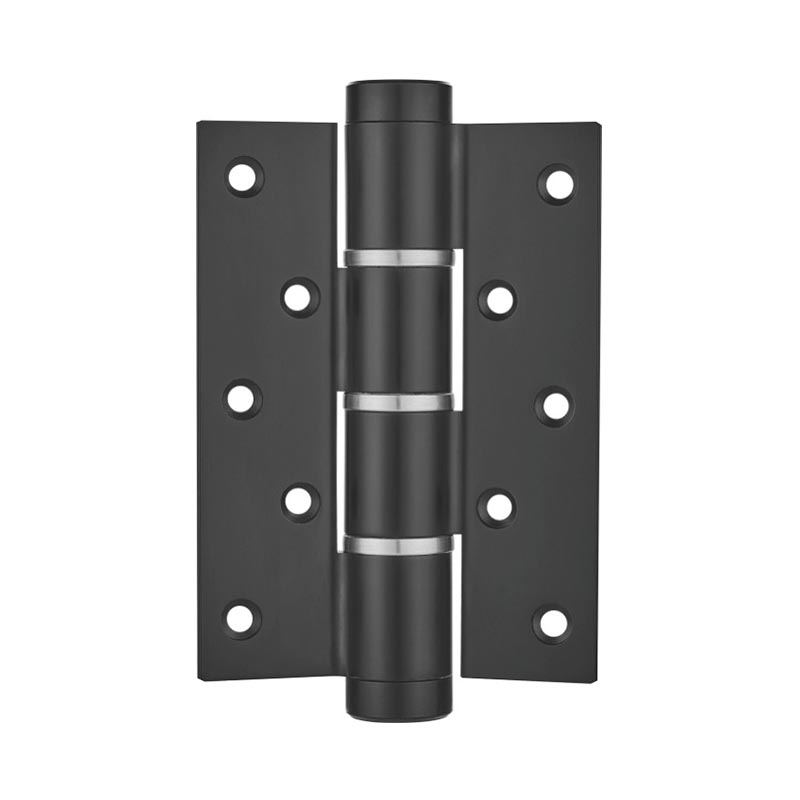
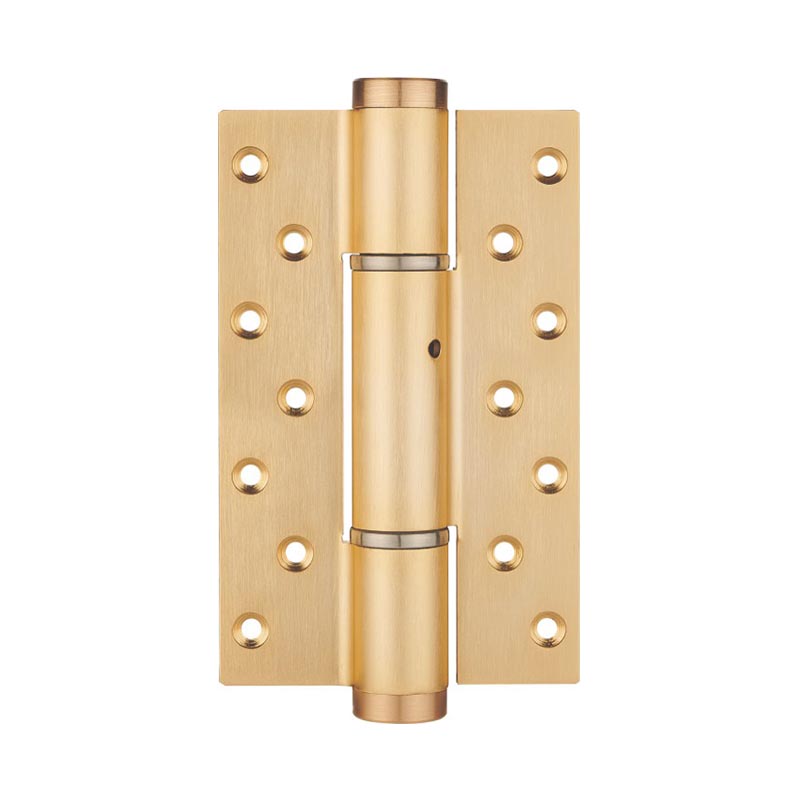
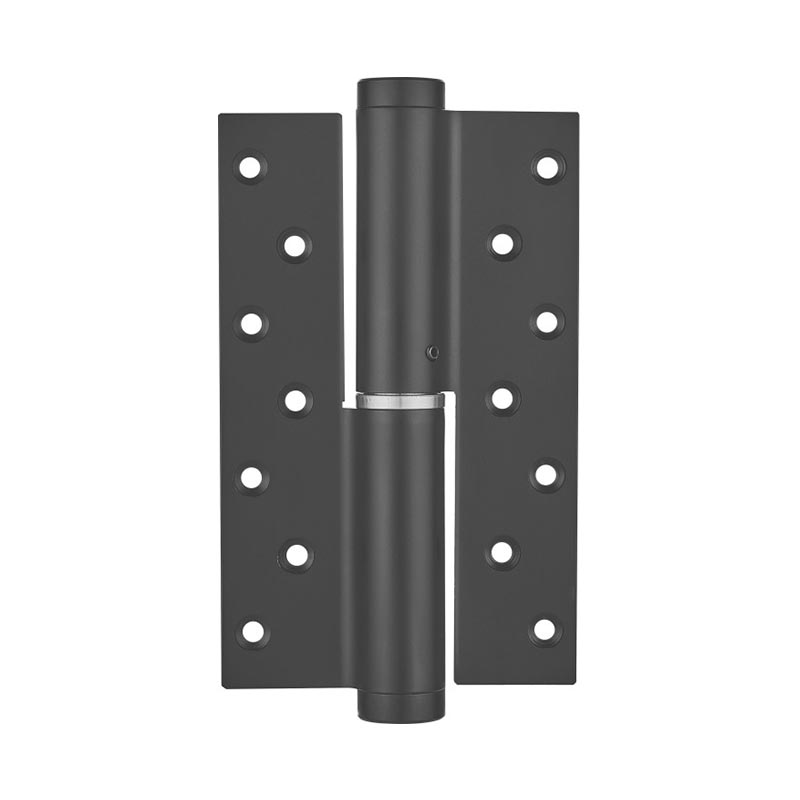
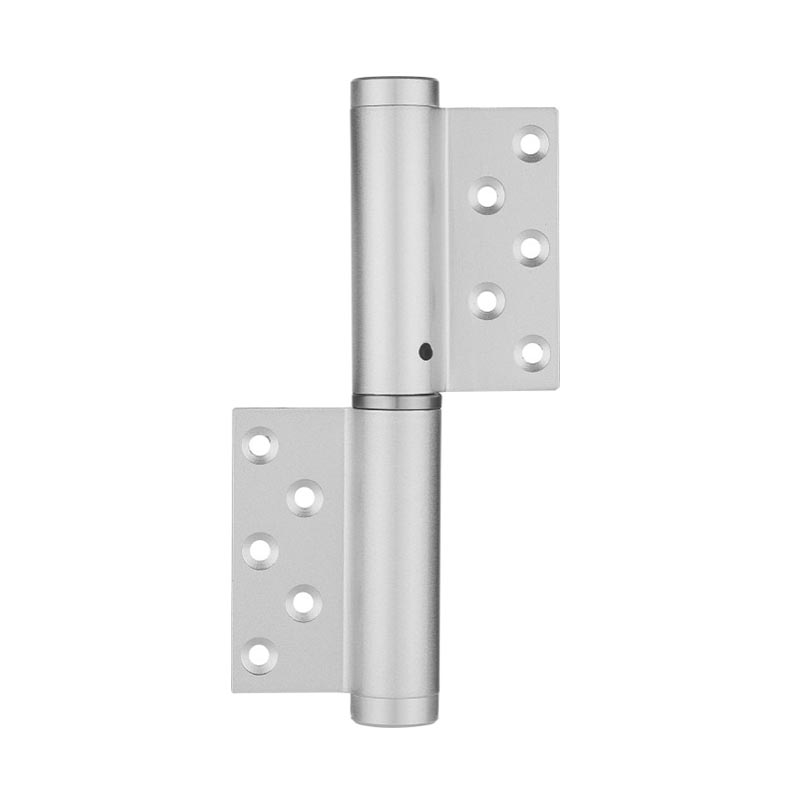
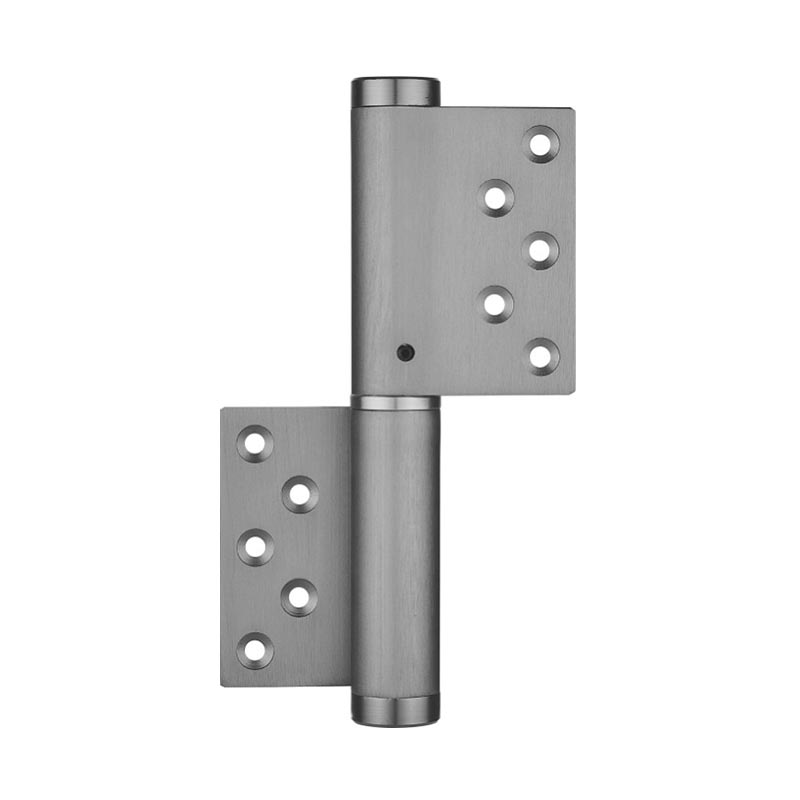
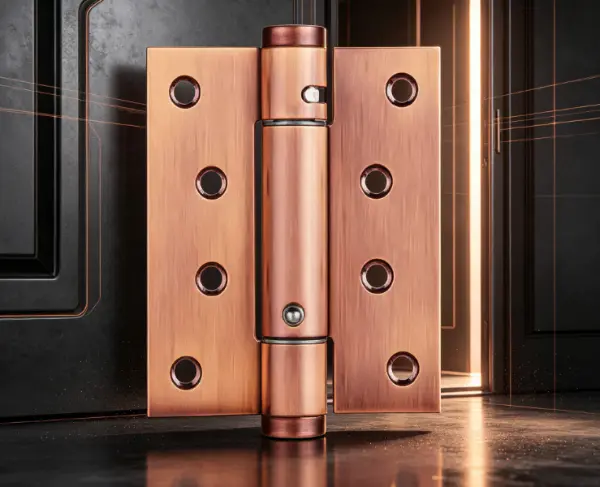
Commercial spring loaded door hinges are designed to support door movement while also helping the door return toward a closed position. This can make them relevant in spaces where doors are opened and closed regularly and where a more organized closing action is useful.
The question is not whether every commercial door needs this type of hinge. Different buildings have different layouts, door styles, user habits, and operating needs. A hinge that works well in one setting may not be suitable for another.
For architects, contractors, hardware buyers, and facility managers, the more useful question is when spring loaded door hinges should be considered during a commercial door project. Looking at the intended use, traffic pattern, door position, user convenience, and maintenance needs can help make that decision more practical.
A commercial door can be opened many times throughout a normal working day. Employees, customers, visitors, and service staff may all interact with the same door. If a door remains open after use, it can affect the movement of people through the space and change how the surrounding area is used.
Spring loaded hinges provide a way to support a more consistent closing action. When the door is opened, the hinge helps create a return movement as the door is released. This can reduce the need for users to think about manually closing the door every time.
That does not mean the hinge should be viewed as a universal solution. Its usefulness depends on the door and the environment around it. A low-use interior door may have different requirements from a door located along a busy route.
The design stage is therefore a good time to consider the hinge rather than treating it as a small hardware decision made at the end of a project. Thinking about how the door will actually be used can help buyers select hardware that matches the wider purpose of the space.
The need for a spring loaded hinge often becomes clearer when a door needs to return toward a closed position after being opened. This can be relevant in commercial spaces where doors are used frequently and users may not always stop to close them manually.
Several situations may make this type of hinge worth considering:
The decision should remain connected to the actual application. A spring loaded hinge can be useful when its closing function supports the way the door is expected to operate.
A hinge is one of the parts that users rarely think about until something does not feel right. When a door opens smoothly and returns naturally, the hardware tends to disappear into the background. This is part of what makes hinge selection relevant.
Spring loaded hinges add a return function to the normal hinge movement. After a user opens the door and releases it, the spring action helps move the door back toward its resting position. The exact behavior depends on the hinge design and the door application.
This can be helpful in shared commercial environments. Employees and visitors do not need to perform a separate closing action every time. The door can return as part of its normal movement, making the process feel more natural.
The benefit can also extend to space organization. A door that regularly returns to its intended position can help maintain a more predictable layout. This may be useful in corridors, work areas, offices, service rooms, and other commercial settings where open doors can interfere with normal movement.
| Door Use Situation | Why Spring Loaded Hinges May Be Considered |
|---|---|
| Busy Interior Areas | Supports a more consistent closing routine |
| Shared Workspaces | Reduces reliance on users remembering to close doors |
| Staff Access Areas | Can support movement when users are carrying items |
| Service Rooms | Helps keep doors from remaining open unnecessarily |
| Commercial Renovations | Provides an opportunity to review existing door hardware |
| Frequently Used Doors | Supports repeated opening and closing activity |
The important point is that the hinge should support the door rather than make the door harder to use. The desired movement should be considered alongside the weight, design, location, and purpose of the door.
Commercial buildings contain many different types of spaces, and each can create different hardware requirements. A door in a private office may be used differently from one connecting a busy corridor to a shared work area.
Retail environments are one example. Staff may move between sales areas, storage spaces, and service areas throughout the day. A door that returns toward a closed position can help separate these areas without requiring constant manual attention.
Office buildings can also have situations where spring loaded hinges are useful. Doors between working areas, meeting rooms, utility spaces, and other shared areas may be opened regularly. The hinge can support a more predictable door position while fitting into a broader interior design.
Hospitality and service environments can create another application. Staff may need to move between different work areas while carrying supplies or equipment. Hardware that supports the return movement of the door can be considered when planning these routes.
The same idea applies to workshops, commercial facilities, educational buildings, and other shared spaces. The important factor is not the name of the building but the way people interact with the door.
Selecting a spring loaded hinge should begin with the door itself. Buyers need to understand how the door is expected to operate before deciding whether this type of hardware makes sense.
The door's purpose is an important starting point. A door that separates two active areas may have different needs from one that is rarely opened. The location also matters. A hinge that supports closing may be useful in one position but unnecessary in another.
Buyers can also consider the people who will use the door. Commercial spaces are shared environments. Employees, customers, visitors, contractors, and service workers may all interact with the same hardware. The door should therefore be convenient for a broad range of users.
Several questions can help guide the evaluation:
These questions can make the purchasing process more focused. Instead of selecting hardware based only on appearance, buyers can connect the choice with the actual behavior expected from the door.
The hinge is only one part of a door system, but it can influence how the entire door feels in everyday use. A door that moves smoothly and returns in a controlled way can create a different experience from one that requires frequent manual adjustment.
This is especially noticeable in busy environments. When many people use the same door, small differences in movement can become part of the daily routine. Hardware that supports a predictable action may help make the door easier to manage.
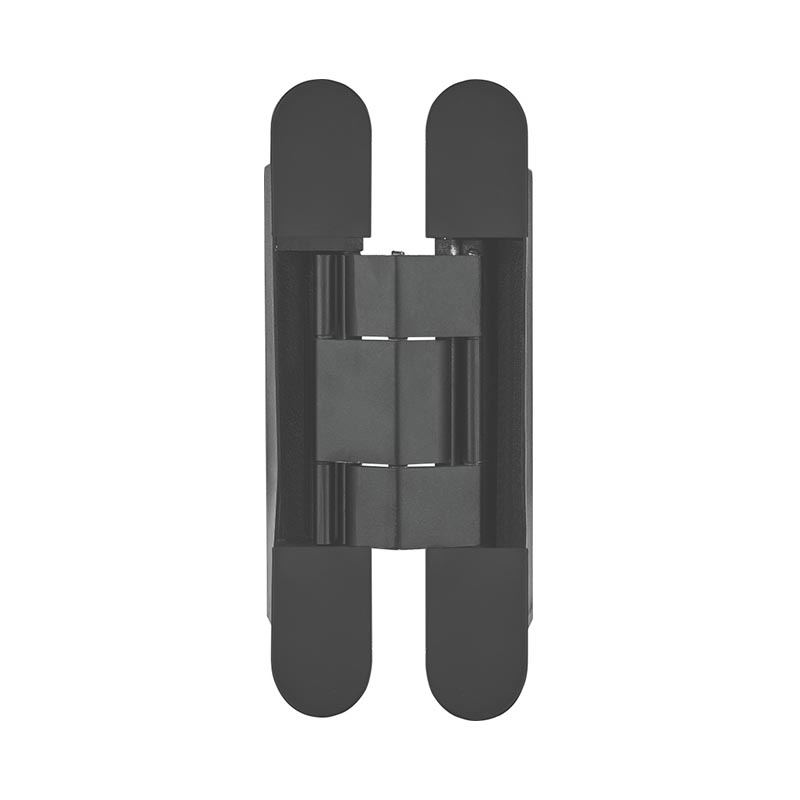
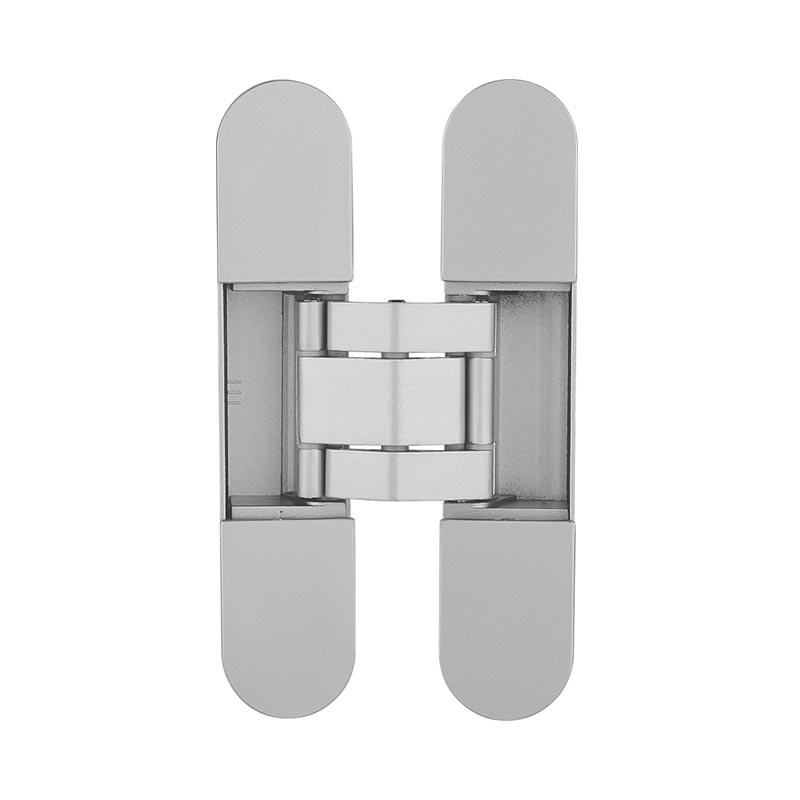
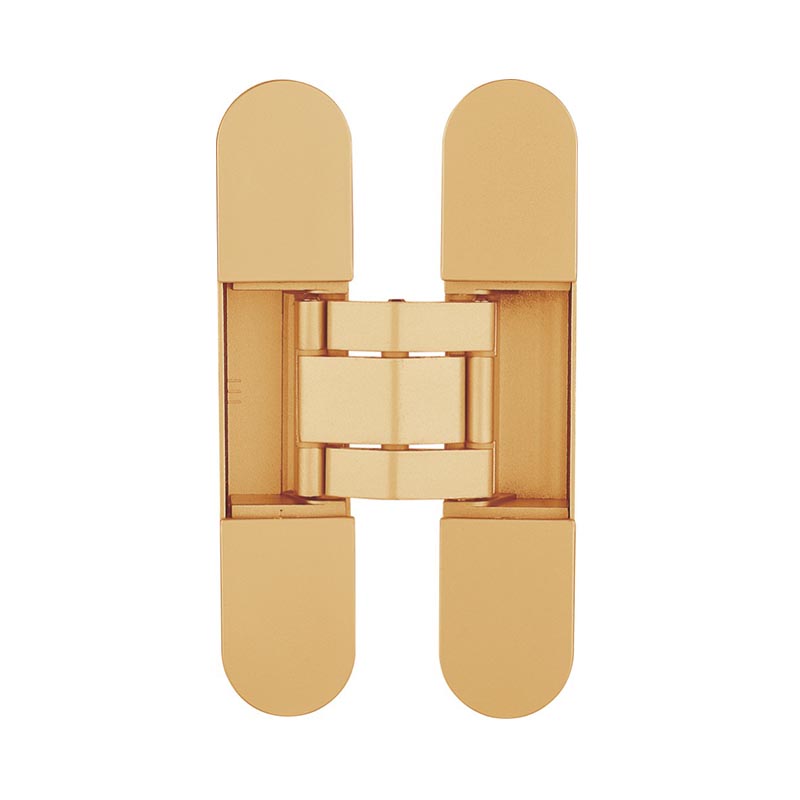
Appearance also matters in commercial spaces. Door hardware can contribute to the overall visual style of an entrance or interior area. Spring loaded hinges are available in different design approaches, allowing buyers to consider both function and appearance when selecting hardware.
However, visual consistency should not replace practical evaluation. A hinge may look suitable but still not fit the intended door use. Buyers need to consider how the hardware interacts with the door and the surrounding space.
For this reason, hinge selection can be viewed as part of the wider commercial door experience. The goal is not simply to add a closing function. It is to create a door that works naturally within the space.
Maintenance is another reason to think carefully about hinge selection. Commercial doors are used repeatedly, and their hardware is exposed to regular movement. Even a suitable hinge needs attention as part of normal facility care.
Facility managers can include hinges in routine inspections. They can look for changes in door movement, unusual resistance, loose components, visible wear, or other signs that the hardware may need attention. Early observation can make it easier to identify issues before they affect everyday door use.
The surrounding door should also be considered. A hinge does not operate independently from the door, frame, and other hardware. Changes in any of these parts can affect how the door moves.
Cleaning and basic care may also help keep the hardware in usable condition. The appropriate maintenance approach depends on the hinge design and manufacturer guidance, so facility teams should follow the product instructions rather than applying the same process to every type of hinge.
For larger commercial spaces, keeping simple maintenance records can also help identify recurring issues. If a particular door repeatedly requires adjustment, the problem may involve more than the hinge itself.
The decision becomes easier when buyers treat the hinge as part of the complete door application. Rather than asking only whether a spring loaded hinge is available, they can consider what the door needs to do throughout a normal working day.
The intended use should guide the conversation with a manufacturer or supplier. Buyers can explain the type of commercial space, the door's location, the expected users, and the desired closing behavior. This gives the supplier a clearer picture of the application.
Product compatibility should also be discussed before purchase. The hinge needs to suit the door design and the surrounding hardware. Buyers can ask about installation requirements, adjustment options, maintenance expectations, and available finishes or styles.
A practical selection process can therefore follow a simple path:
This approach can help commercial buyers make the hinge part of the design discussion earlier. It also gives manufacturers a clearer understanding of what the buyer actually needs.
Commercial spring loaded door hinges can be relevant whenever a door needs a more consistent return toward its closed position. Their usefulness depends on the application, not simply on the fact that a building is commercial.
As commercial spaces become more varied, door hardware also needs to respond to different patterns of movement and use. Offices, retail spaces, service areas, workshops, and shared facilities can all present different requirements.
For that reason, the right time to consider a spring loaded door hinge is usually when the door's intended behavior is being planned. Looking at the users, surrounding space, daily movement, maintenance needs, and overall door design can help determine whether this type of hinge fits the project.

No.123, Kaixuan road, yunshan street, lanxi city, jinhua city, zhejiang province, china

+86-18066248602

+86-579-88864580

+86-579-88864581

Copyright © 2024 Lanxi Maya Hardware Co., Ltd. All Rights Reserved. Privacy Policy

Hydraulic Door Hinges Hardware Factory



 English
 Español
 русский