A door is often used without much thought until its movement starts to feel different. It may close unevenly, make an unfamiliar sound, or require more effort to open than before.
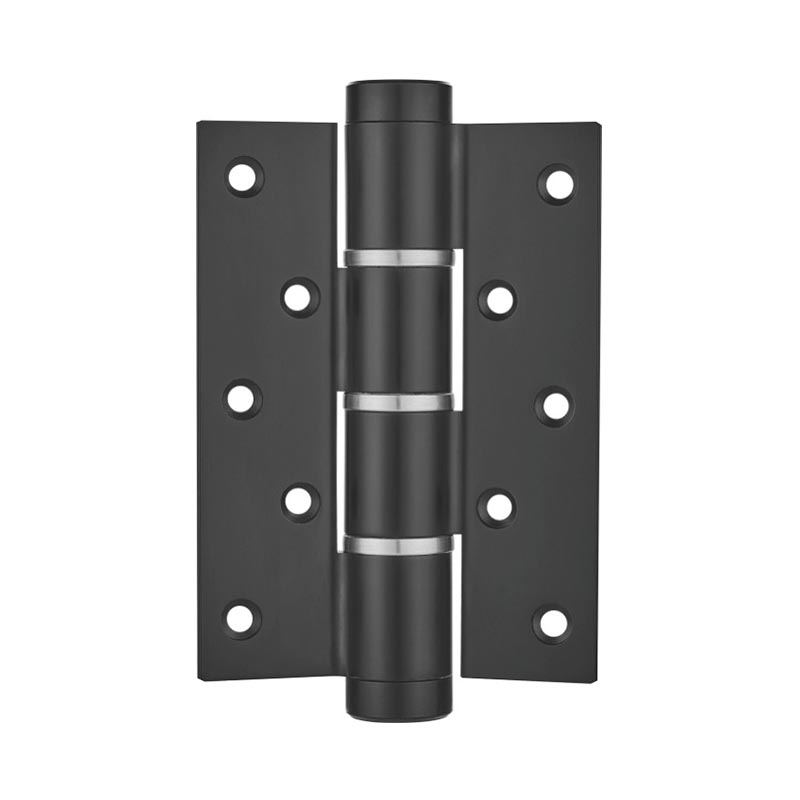
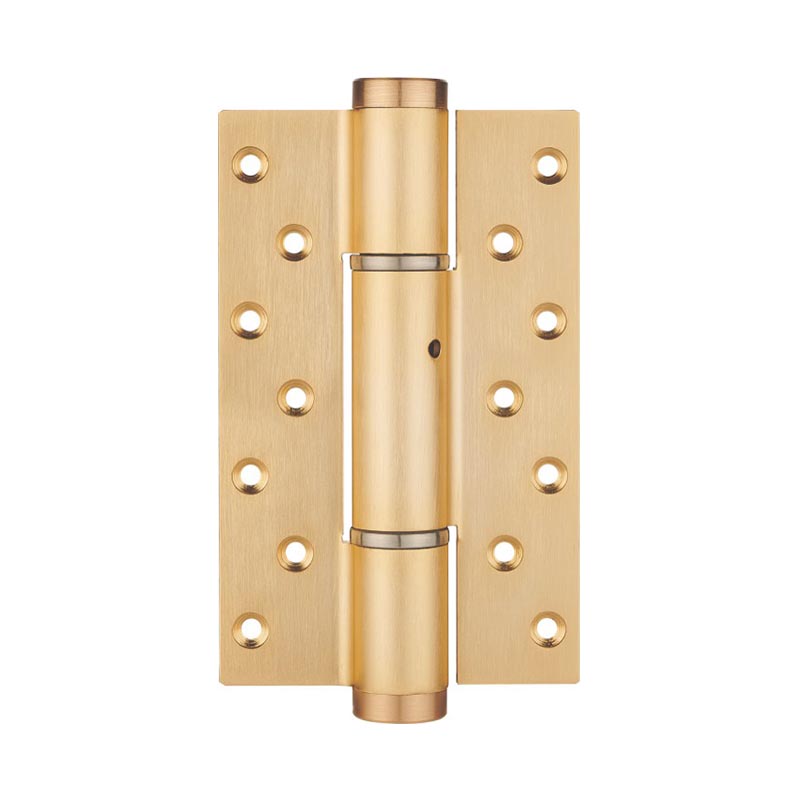
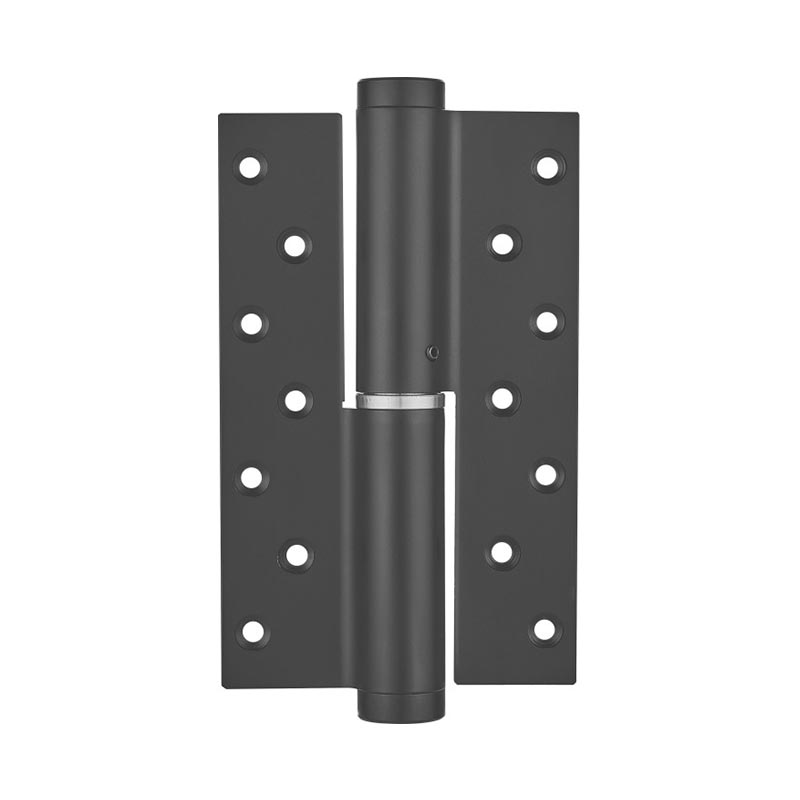
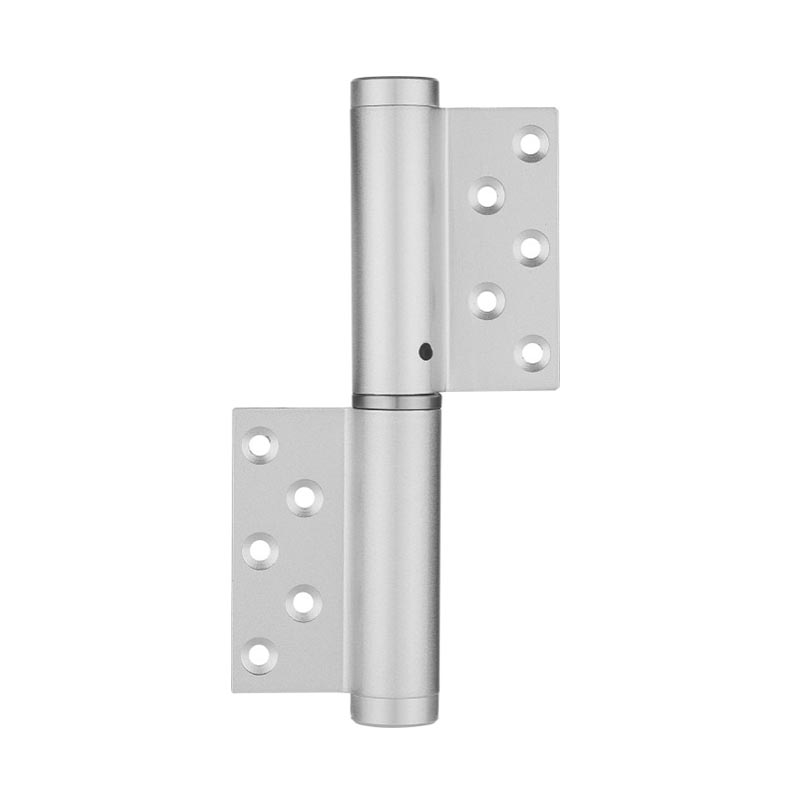
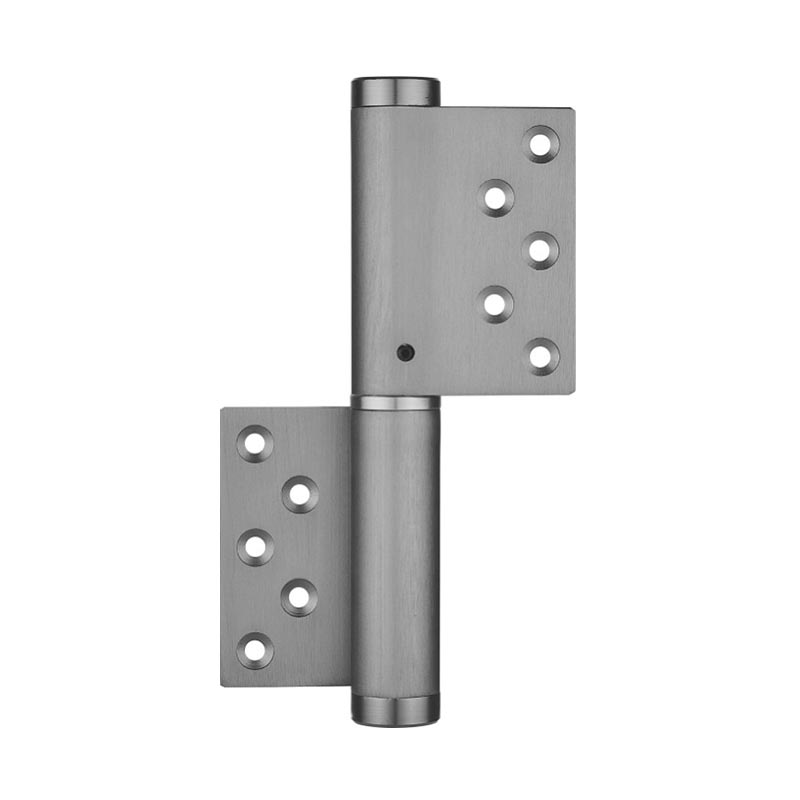
These changes can sometimes be related to the condition of the hinge. Hydraulic Door Hinges help control how a door moves during opening and closing, making their condition relevant to the way the door is used each day. Regular attention to the hinge and surrounding door area can help identify changes early and provide a practical starting point for routine maintenance.
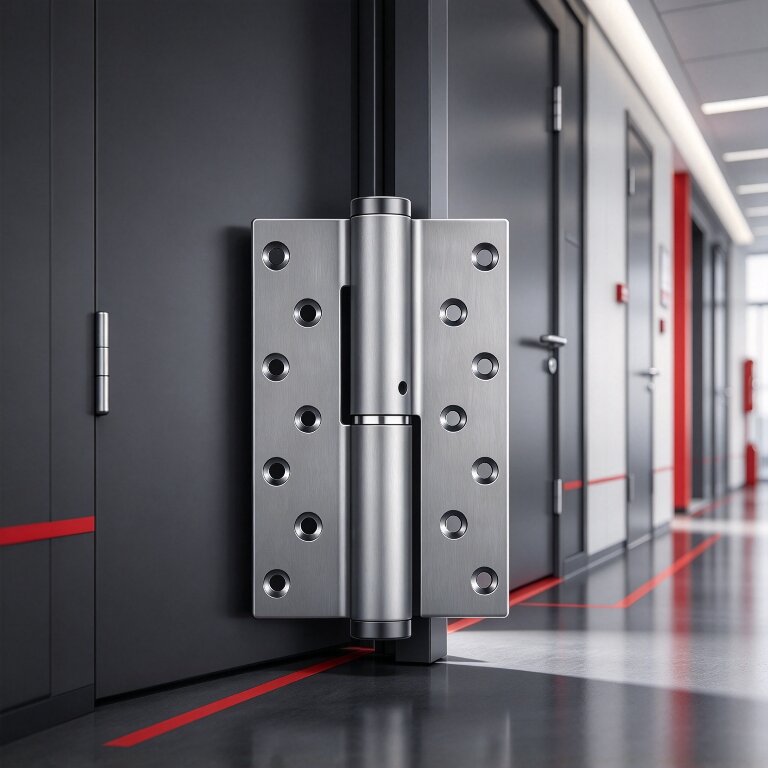
Hydraulic door hinges do more than just let a door swing open and shut. They pair the basic pivot of a normal hinge with an internal hydraulic mechanism that actively controls the speed and smoothness of that movement. Instead of the door slamming shut or drifting on its own, the hydraulic system keeps the motion steady and predictable.
You'll find these hinges in places where doors see constant use—offices, shops, public buildings, and busy interior spaces. The exact design can vary depending on the door's weight and construction, how the hinge mounts, and what the installation needs to handle.
Because the hinge works every single time the door opens or closes, small changes tend to show up gradually. Dust collecting around the moving parts, a slight shift in alignment, fasteners that have loosened, or wear inside the hydraulic unit can all start to affect how the door feels. Catching those early signs makes maintenance simpler later on.
Begin by simply watching and using the door the way you normally would. Don't jump straight into taking anything apart. Pay attention to anything that feels or sounds different from usual. This first pass helps you decide whether the hinge itself is the likely culprit or whether something else in the door assembly might be involved. It also gives you a clear baseline for what needs closer attention.
Look at the visible surfacesCheck the hinge and the area around it for dust, dirt, moisture, or any buildup at the joints and fixing points. While you're at it, look for scratches, worn spots, loose screws, damaged edges, or any play in the connections. Cleaning off the surface first often makes these details easier to see.
Test the movementSwing the door through its full range a few times and notice how it feels. New resistance, uneven travel, hesitation at certain points, or any change from the way it used to move are all worth noting. One single swing isn't enough—repeat the action so you can tell the difference between a one-off quirk and a consistent problem. If you use the door regularly, you'll probably already sense when something has shifted from its normal behaviour.
Listen carefullySqueaks, rubs, clicks, or other unfamiliar noises can point to trouble around the hinge or its connections. The sound itself doesn't tell you the exact cause—it could be surfaces rubbing, debris, a loose fixing, or something inside the mechanism. Treat noise as a useful clue rather than a diagnosis, and combine it with what you see and feel as the door moves.
Cleaning a hydraulic door hinge is simple in principle, but the approach makes a real difference. The goal is to get rid of the dirt and debris that builds up around it without forcing anything deeper into the working parts or damaging the surface.
Start by clearing loose dust and surface dirtFocus first on the outside of the hinge. Wipe away loose particles, dust, and any visible buildup, paying special attention to the joints, edges, and areas near the moving sections—these spots collect debris every time the door is used. Don't stop at the hinge itself. Check the surrounding door hardware as well, because dirt from the frame, floor, or nearby surfaces can quickly find its way back onto a freshly cleaned hinge. In a busy building it helps to treat this as regular maintenance rather than waiting until the door starts to feel stiff or awkward.
Choose the right cleaning materialsMatch the tool and product to the surface. A soft cloth is usually enough for everyday dirt and won't risk scratching the finish. Avoid abrasive pads or harsh chemicals just because the buildup looks stubborn—aggressive scrubbing can leave marks, and the wrong cleaner may affect the hinge's finish or the materials around it. Also think about where the dirt is going as you clean. The aim is to lift it off the hinge, not push it into gaps or joints that become harder to reach later.
Finish by drying the area thoroughlyOnce the dirt is gone, check for any remaining moisture on the hinge and the surrounding surfaces. This matters especially in places that deal with condensation, humidity, or regular cleaning. Don't leave water sitting around the connections. A dry hinge is easier to inspect next time, and new dirt or early signs of wear are less likely to be hidden under leftover moisture or residue.
Lubrication is a separate step from cleaning and shouldn't be done automatically every time you wipe the hinge down. Whether it is needed depends on the specific design of the hinge and which parts are meant to receive lubricant.
Why lubrication helps—when it's the right moveEvery time the door opens and closes, moving parts rub against each other. On hinges that are designed to be lubricated, the correct product reduces friction and can keep the action smoother. That doesn't mean you should reach for the lubricant whenever the door feels different. Stiffness, uneven movement, or odd noises can just as easily come from misalignment, loose screws, or changes inside the hydraulic mechanism itself. Adding oil or grease may temporarily change the feel without fixing the real problem, so inspect first.
Apply lubricant only where it belongsStick to the points intended for lubrication. Spreading it over the whole hinge just creates mess and can let the product reach surfaces where it does no good. Check the manufacturer's guidance for the particular hinge—some hydraulic models have clear lubrication points, while others need a different approach altogether. Use a modest amount, work the door a few times afterward to distribute it, and wipe away any excess so it doesn't attract dust or transfer onto the door face or frame.
The reliable results come from treating cleaning, inspection, and lubrication as connected steps rather than applying lubricant as a catch-all solution whenever the door starts acting up.
There is no single schedule that fits every installation. A door used frequently in a busy environment may need more regular inspection than one used occasionally.
Instead of relying only on a fixed calendar, pay attention to changes in movement, sound, and resistance. These observations can help determine when maintenance attention is appropriate.
The way a door closes often reveals more about the hinge and surrounding hardware than a quick visual check ever could. After cleaning or any other maintenance, it's worth operating the door again to confirm that the movement still feels consistent.
Watch the closing movement carefullyOpen the door in the normal way, then let it close under its own control without pushing or holding it. Follow the entire swing from start to finish. The motion should stay steady and controlled rather than speeding up suddenly, slowing sharply, or stopping part-way through. Any hesitation, unexpected change of pace, or departure from the usual closing pattern is worth noting. Try the same action several times—one odd movement can be a fluke, while a repeated pattern usually points to something that needs attention.
Look at the door's alignment with the frameCheck whether the door still sits true against the frame. Signs of shift include rubbing against the frame, an uneven gap along the edge, or a final closed position that looks different from before. These symptoms don't automatically mean the hydraulic hinge is at fault. The door itself, the frame, the mounting points, or other hardware may have moved. Jumping straight to adjustment can create unnecessary work on a hinge that is still doing its job correctly, so identify the source of the change first.
Track changes over timeProblems rarely appear overnight. Small shifts in how the door opens or closes often build up gradually and can be easy to miss if you're not paying attention to its normal behaviour. If the door starts needing more effort to open, closes differently, or develops a new sound, make a mental note (or a quick written one). Comparing the same door across weeks or months gives a clearer picture than a single isolated check. On doors that see heavy daily use, this kind of regular observation makes it possible to investigate while everything is still working reasonably well, rather than waiting until the movement becomes a daily nuisance.
Hydraulic hinges can show different signs when something needs attention. The same symptom may have more than one possible cause, so it is useful to look at the entire door system.
| Common Problem | Possible Cause | What to Check |
|---|---|---|
| Door closes too quickly | Hydraulic control or adjustment issue | Hinge condition and closing action |
| Door closes slowly | Resistance or adjustment issue | Moving parts and hinge setting |
| Unusual noise | Dirt, friction, or loose connection | Hinge surface and connections |
| Door does not close properly | Alignment or hinge issue | Door position and hinge condition |
| Door feels difficult to open | Friction or installation issue | Hinge movement and door alignment |
For example, a door that does not close correctly should not automatically be treated as a hydraulic problem. The door frame, installation position, surrounding hardware, or physical obstruction may also be involved.
This is why checking the door as a complete system can provide a clearer diagnosis than focusing on the hinge alone.
Keeping hydraulic door hinges in good shape doesn't require complicated procedures. Regular attention to cleanliness, how the door moves, and the condition of the surrounding hardware is usually enough to stop minor issues from turning into bigger repairs.
Keep the hinge area cleanDirt builds up around any moving hardware, especially on doors that open often or sit in dusty places. Wiping the hinge and nearby surfaces during routine cleaning clears away particles and makes the hardware easier to inspect. A clean surface also reveals changes that would otherwise stay hidden—scratches, loose fasteners, surface wear, or anything else unusual becomes much more obvious once dust and residue are gone.
Notice changes in how the door movesA door often signals early when something around the hinge is shifting. It may no longer open as smoothly, close differently, or start making a sound that wasn't there before. These clues are easy to catch during regular building or equipment checks. Simply opening and closing the door a few times while paying attention to the feel and sound can highlight problems long before the door becomes hard to use.
Operate the door normallyHydraulic hinges are built to control everyday movement, but they are still connected to the door, frame, and other hardware. Yanking the door hard, repeatedly forcing it in one direction, or putting unusual pressure on the assembly adds avoidable stress. Using the door the way it was designed to be used reduces that stress and makes genuine changes in behaviour easier to recognise, because the hinge is working under ordinary conditions.
Inspect the door and frame together with the hingeWhen a problem appears, the hinge shouldn't be treated as an isolated part. The condition of the door itself, the frame, the mounting points, and nearby fasteners can all affect how the door moves. A shift in alignment or a loose connection elsewhere can create symptoms that look as if they come from the hinge. Checking the whole installation area often gives a clearer picture and helps avoid replacing a component that isn't actually at fault.
Maintenance needs change depending on where the door is installed. A hinge inside a clean room faces very different conditions from one at a busy entrance, in a workshop, or near outdoor weather.
Indoor spacesInterior doors in offices, homes, and similar settings usually encounter less contamination. Routine cleaning and occasional checks of door movement are often enough. Still watch for dust buildup, unusual movement, and any change in the hinge or its mounting area. Catching small shifts early keeps them from becoming larger issues.
High-traffic areasDoors that open and close constantly put the hinge through many more cycles. Entrances, shared facilities, and commercial spaces therefore need more frequent observation. Changes in closing behaviour, movement, or sound are useful early warnings. Including a quick check of these doors in normal inspection routines is better than waiting until operation becomes difficult.
Humid or dusty environmentsMoisture and airborne particles make maintenance more demanding. Humidity can affect exposed surfaces, while dust settles around moving and mounting areas. In these conditions, combine cleaning with visual checks for surface changes, deposits, or buildup. Adjust how often you inspect based on what the door actually faces day to day.
Outdoor or semi-outdoor locationsDoors near exterior spaces deal with rain, moisture, dust, temperature swings, and airborne contaminants. Maintenance here should include closer attention to exposed surfaces and the surrounding mounting area. Keeping dirt under control and watching for visible changes helps separate normal aging from a developing problem.
The right maintenance routine depends on the door's location, how often it is used, and the conditions around it. Base the inspection schedule on those factors rather than applying the same approach to every installation.
A door that no longer moves the way it should does not automatically mean the hinge has to be replaced. The real cause could be something simpler—dirt around the hardware, a shift in alignment, a loose connection, or another part of the door assembly. Finding out what is actually wrong should come before deciding on any repair.
Begin with a basic inspectionWhen you notice a change in how the door moves, start by examining the hinge and the area around it. Clear away any built-up dirt, check whether connections have shifted or loosened, and then open and close the door normally a few times. Quite often a minor problem disappears once the underlying issue is dealt with. That is why replacement should never be the first reaction to every operational change.
Watch for problems that keep returningIf the same issue remains after cleaning and the usual checks, the hinge itself needs closer attention. A door that repeatedly fails to close properly, moves unevenly, or shows visible damage is a signal that further inspection is required. Always consider the hinge together with the door and frame—symptoms that appear during closing, for example, may come from alignment or another part of the installation rather than from the hinge mechanism.
Recognise when replacement makes senseReplacement becomes the practical option when the hinge has clear physical damage or can no longer control the door's movement as it should. Continuing to use a damaged component can also put extra stress on the surrounding hardware. There is no reason to replace a hinge that is still functioning correctly simply because the door has developed an operational quirk. The decision should rest on the actual condition of the part and whether it can still support normal door use.
Inspect the whole door assemblyBefore removing any hinge, look at the complete installation—the door panel, frame, mounting points, fasteners, and other connected hardware. All of these influence how the door operates. A wider check helps avoid the common mistake of replacing the hinge when another component is responsible. Once the true source of the problem is clear, the right next step may be a simple adjustment, a targeted repair, or full hinge replacement.
A practical routine can be organized into a few repeatable steps:
| Maintenance Step | What to Do |
|---|---|
| 1. Inspect | Check the hinge and observe the door movement. |
| 2. Clean | Remove dust, dirt, and visible debris. |
| 3. Lubricate | Apply suitable lubricant to areas that require it. |
| 4. Test | Open and close the door to check its movement. |
| 5. Check Alignment | Look for rubbing, shifting, or uneven movement. |
| 6. Address Problems | Inspect or service the hinge if unusual conditions remain. |
This approach keeps maintenance focused on actual signs of wear and changes in operation. It also creates a simple record of what has been checked, which can be useful in commercial or shared facilities where several doors require attention.
A hydraulic door hinge is part of a larger door system, so its condition is best understood through the way the door behaves during everyday use. Small changes in movement, sound, or closing action can provide useful clues when noticed early. Keeping the hinge area clean, paying attention to how the door operates, and responding to unusual changes can make routine maintenance easier to manage. With regular attention and proper handling, the condition of the hinge can be monitored as part of normal door care rather than only when an obvious problem appears.

No.123, Kaixuan road, yunshan street, lanxi city, jinhua city, zhejiang province, china

+86-18066248602

+86-579-88864580

+86-579-88864581

Copyright © 2024 Lanxi Maya Hardware Co., Ltd. All Rights Reserved. Privacy Policy

Hydraulic Door Hinges Hardware Factory



 English
 Español
 русский