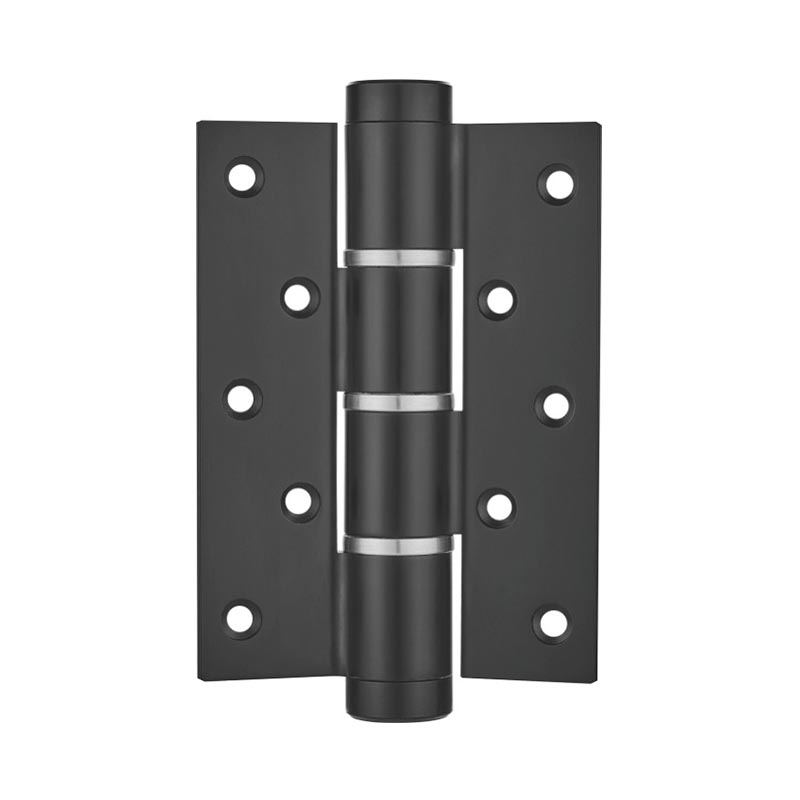
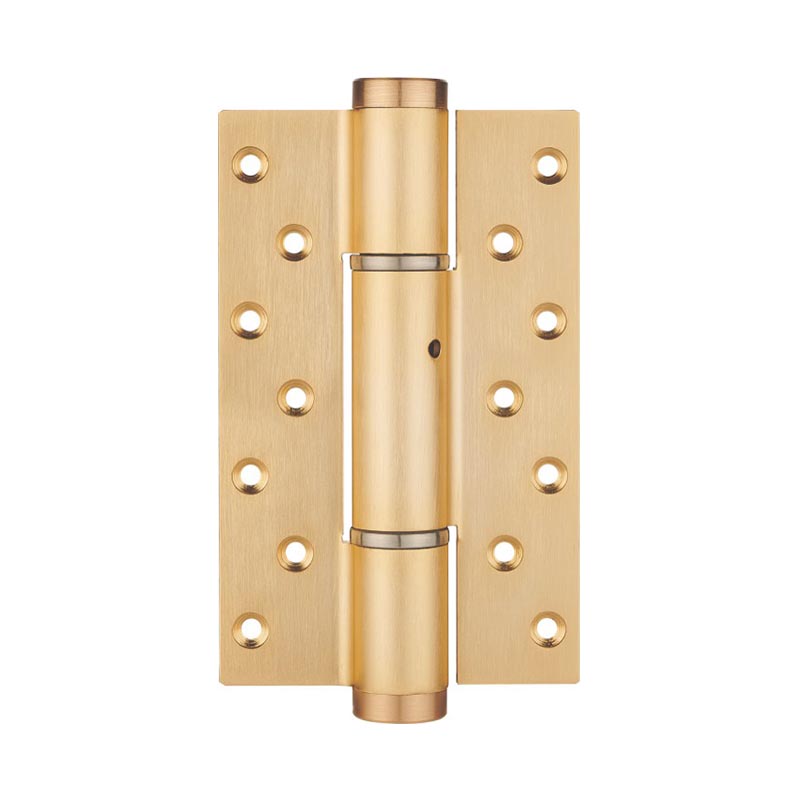
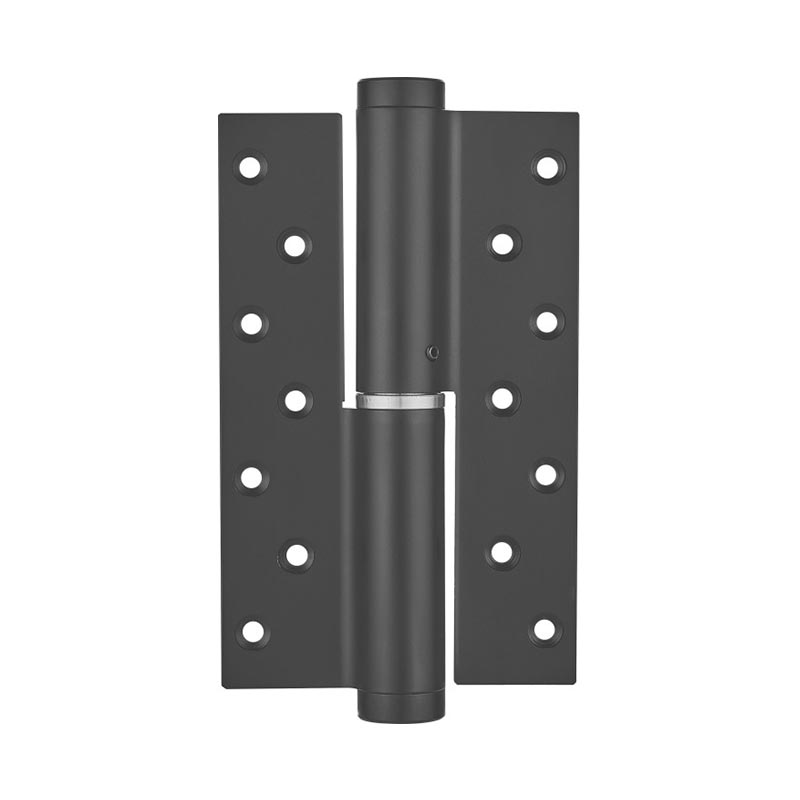
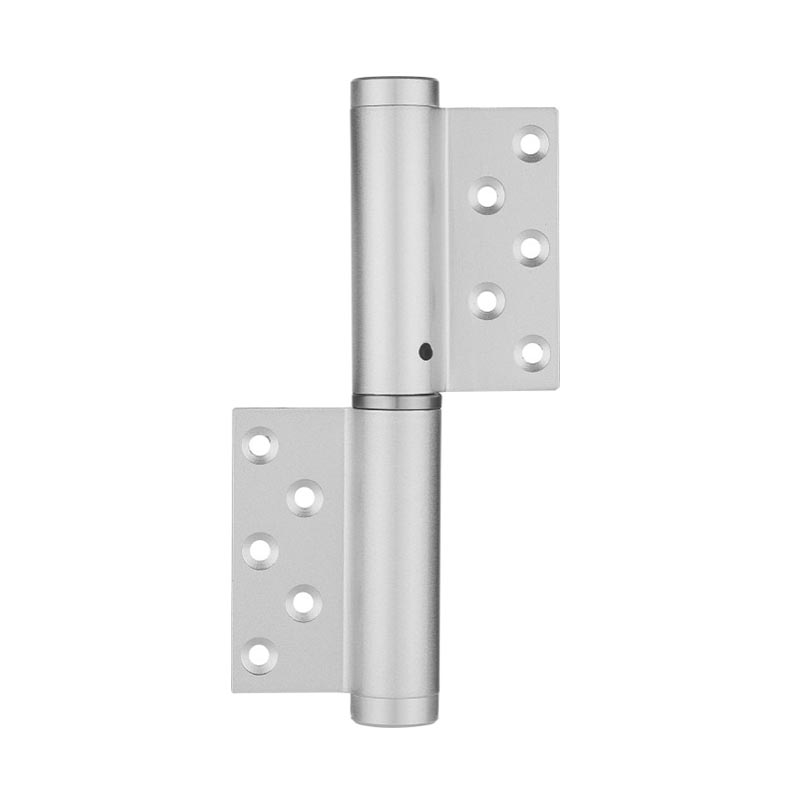
When selecting window hardware, one should first consider the window's construction and method of operation. Hinges should not be viewed in isolation; rather, they must be compatible with the window frame, the sash, the opening direction, and the available installation space.
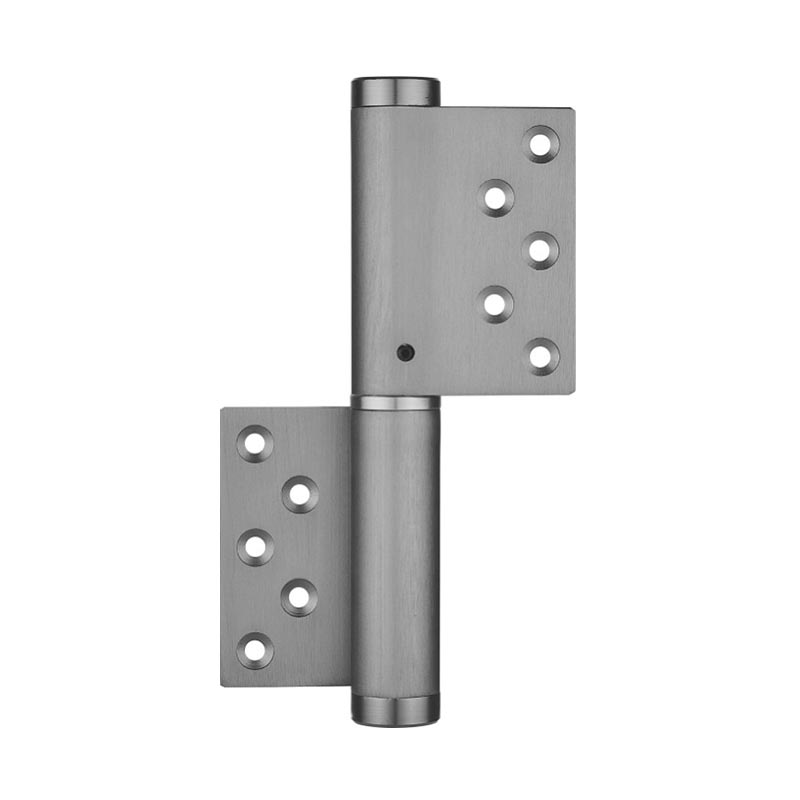
Since Hydraulic Window Hinge influence the movement of the window during daily opening and closing, it is crucial to focus on the relationship between the hinges and the overall window structure when making a selection.
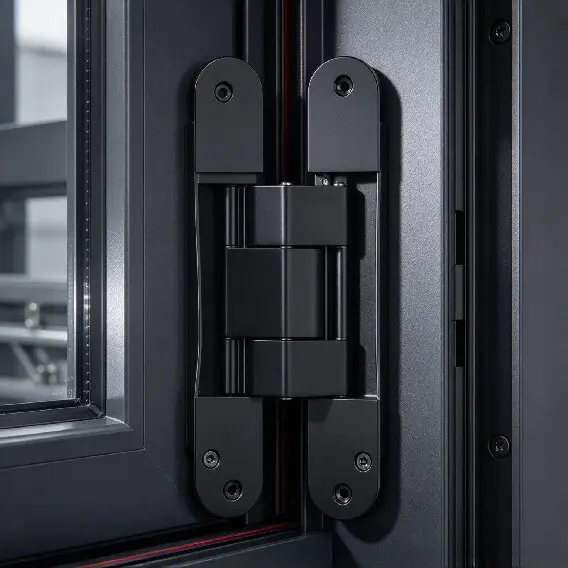
The right hinge depends on the specific window, not just the hardware itself. Windows that look similar from the outside often have different sash movements, frame layouts, and attachment points. Getting clear on these details first makes it much easier to find a hinge that actually fits and works.
What Type of Window Do You Have
Start with the basic style. Casement, awning, and other hinged windows don't always use the same hardware setup. Look closely at how the sash joins the frame and where the existing hinge or related parts sit. The current installation usually shows how the window is meant to move and where a replacement hinge needs to go. A hinge's appearance alone won't tell you if it will work—its position and how it relates to the sash and frame matter just as much.
How Does the Window Open
Next, understand the opening path. Some sashes swing outward from one side; others follow a different direction. Watch the sash from fully closed through a normal opening cycle. Note which part moves first, how far it travels, and where it comes close to the frame. The hinge must support this movement without binding or hitting anything.
Where Is the Hinge Installed
Mounting position also matters. Depending on the design, the hinge may sit along a side edge or in another area where the sash and frame meet. Check the existing connection and the space around it. Nearby parts can limit the available area, so the intended location is an important factor in choosing the right hinge.
Once installed, a hinge becomes part of the window assembly. Its suitability depends on the frame, the sash, and the space around the mounting area—not just the hinge itself.
Look at the Frame
Examine the frame carefully. Its shape, available mounting surface, and the position of existing hardware all influence where a hinge can sit. Locks, handles, seals, and other components often take up space nearby. There needs to be enough clear room for the hinge to mount securely and operate without interference.
Consider the Sash
The sash is equally important because it moves with the hinge through every open and close cycle. Its construction and connection points decide how the hinge attaches and how the motion transfers. Focus on the sash's actual movement and connection area rather than just the hinge's size or look. If the hinge position doesn't match the sash structure, the window won't open along its intended path smoothly.
Check the Available Space
Inspect the area around the mounting point before installing anything. Watch for possible contact with the frame, wall, glass, seals, or nearby hardware as the sash moves. A hinge can look fine on its own but turn out to be impractical once it's inside the real window assembly. Checking clearance and the full movement path ahead of time helps catch these problems before installation.
Window movement is closely connected to hinge selection. A hinge is part of the mechanism that guides the relationship between the sash and frame, so the movement pattern should be considered before installation.
Opening Direction
First, confirm the direction in which the window needs to move. The hinge should correspond to that movement and allow the sash to follow its intended path.
This becomes especially important when replacing an existing hinge. The replacement should be checked against the original installation position and movement direction rather than selected from appearance alone.
Opening and Closing Path
Observe the entire movement from closed to open and back again. Look for areas where the sash may come close to the frame or surrounding objects.
A suitable hinge should work within this movement path without creating unnecessary contact. Checking the path before installation also makes it easier to identify whether the issue comes from the hinge or another part of the window system.
Movement Control
Hydraulic hinges can provide controlled movement, but the required type of control depends on the application.
Consider how the window is normally used. A window that is opened and closed frequently may require different considerations from one that is used occasionally. The important point is to match the hinge's movement characteristics with the way the window is expected to operate.
Once the window structure and movement have been identified, the next step is to match the hinge with the actual application.
Match the Hinge to Window Size and Structure
Window size should not be considered separately from its structure. A larger or differently constructed window may place different demands on its connection hardware.
Look at the overall sash arrangement, frame construction, installation position, and movement before selecting the hinge.
Match the Hinge to Window Weight
The weight of the window sash is another practical consideration. The hinge needs to work with the sash without making opening and closing unnecessarily difficult.
Instead of focusing on weight alone, consider how the sash, frame, hinge position, and opening movement work together.
Match the Hinge to the Intended Opening Movement
The hinge should support the direction and type of movement required by the window. If the intended movement is different from the hinge's working direction, the installation may not function as expected.
This is why understanding the window's movement before choosing hardware is more useful than selecting a hinge first and trying to adapt the window afterward.
Match the Hinge to the Installation Position
The location of the hinge matters as well. Check whether the selected hinge can be installed in the intended position and whether it can work together with other window hardware.
When several hinges are used on one window, their positions and movement should also be considered as part of the complete installation.
The material of the window often shapes how a hinge can be mounted and connected.
Aluminum frames typically feature structured profiles with designated zones for hardware. Before selecting a hinge, confirm that the available connection surface is large enough and that the hinge will sit properly within the frame's layout.
Steel frames usually differ in both construction and attachment method. The hinge must match the existing mounting area and the way the frame and sash join together.
Windows made from other materials bring their own structural traits. Rather than assuming one hinge will suit every type of window, inspect the actual frame, sash, and connection points.
In every case, the decisive factor is whether the hinge and the window structure work together.
The conditions around the window also matter. Some windows operate in clean indoor spaces; others face dust, moisture, or constant use.
Indoor windows tend to open and close regularly without much weather exposure. In these settings, ease of maintenance and compatibility with nearby hardware often become practical concerns.
In humid locations, moisture can gradually affect hardware. For windows in such areas, it helps to choose a hinge that allows straightforward inspection and upkeep of both the hinge and the surrounding area.
Dusty or industrial environments introduce airborne particles that collect around moving parts. Accessibility for cleaning and routine checks is worth weighing when selecting the hinge.
Outdoor and semi-outdoor windows encounter changing weather and environmental conditions. The hinge should be chosen with the real installation setting in mind, rather than treating indoor and outdoor applications as the same.
A simple checklist can make the selection process easier.
| Check Point | What to Consider |
|---|---|
| Window Compatibility | Check whether the hinge fits the window frame and sash structure. |
| Opening Direction | Confirm that the hinge supports the intended opening and closing direction. |
| Installation Space | Make sure there is enough space for installation and normal hinge movement. |
| Window Movement | Observe whether the hinge can support the intended movement of the window sash. |
| Hinge Position | Check whether the planned installation location works with the window structure and surrounding hardware. |
| Material Compatibility | Consider whether the hinge is suitable for the materials and connection areas of the window. |
| Maintenance Access | Make sure the hinge can be reached for inspection, cleaning, and routine maintenance. |
This checklist can help turn a general product search into a more practical comparison.
Choosing a window hinge becomes easier when the entire window assembly is taken into account. Problems often arise when the decision is based on a single visible feature while the way the sash, frame, and hinge work together is overlooked.
Choosing a Hinge Mainly by Appearance
A hinge may look suitable at first glance without actually matching the window. Similar-looking hinges can differ in how they connect to the frame, where they sit, and how they accommodate sash movement.
Appearance is useful when narrowing down options, but the physical relationship between the hinge and the window should carry greater weight during the final selection.
Forgetting the Opening Direction
The direction in which the sash moves determines how the hinge needs to work within the assembly. A hinge intended for a different movement pattern may not align properly with the window during installation.
Before selecting the hardware, observe the complete opening process. Knowing where the sash travels gives a clearer basis for deciding whether a particular hinge arrangement is appropriate.
Underestimating the Available Space
The mounting area needs to accommodate both the hinge and the movement of the sash. A nearby frame section, lock, handle, seal, wall surface, or other component may restrict the available space.
Looking only at the hinge itself can therefore lead to an unsuitable choice. The surrounding area should be viewed as part of the installation rather than as separate space.
Looking at One Feature in Isolation
Window hinge selection involves several related factors. The physical size of the window, its construction, the way the sash moves, the hinge position, and the surrounding conditions all influence the final choice.
Focusing on just one of these details can give an incomplete picture. A hinge that appears suitable in one respect may still create difficulties when the rest of the installation is taken into account.
Replacing Existing Hardware Without Examining It
The hardware already installed on the window can reveal useful information about the original arrangement. Its position, connection points, and relationship with the sash and frame provide clues about how the window was designed to operate.
When replacing a hinge, examine the existing setup before removing it. This can make it easier to understand what needs to be retained and what may need to change.
A practical comparison starts with the window rather than with a list of isolated hinge features. The selection process can be viewed in the following order:
Window Type → Opening Direction → Window Structure → Weight and Movement → Installation Position → Environment → Maintenance → Final Selection
First, establish the type of window and its opening pattern. Then look at the construction of the frame and sash, followed by the way the window moves during normal use. The available mounting area also needs to fit into this assessment.
The surroundings matter as well. A hinge installed inside a relatively clean room may face different maintenance conditions from one exposed to moisture, dust, or frequent use.
Once these points are understood, existing hardware and future maintenance access can be considered. Comparing hinges against the actual requirements of the window makes the selection process more practical and avoids relying on appearance or a single product characteristic.
Selecting the hinge is only part of the process. Before installation begins, the window and mounting area should be examined to confirm that the chosen hardware is appropriate for the intended setup.
| Check Before Installation | What to Check |
|---|---|
| Installation Position | Confirm the hinge position matches the sash, frame, and opening direction. |
| Window and Frame | Check for damage, looseness, distortion, or movement issues. |
| Connection Area | Make sure the mounting points are compatible with the hinge. |
| Movement Path | Open and close the window slowly to check for possible interference. |
| Application Match | Consider window type, opening direction, mounting position, and operating conditions. |
Choosing a hydraulic window hinge is closely connected to the window itself. The frame structure, sash movement, opening direction, installation area, and surrounding environment all provide useful information during the selection process. Taking these factors into account can make it easier to understand whether a hinge fits the way the window is intended to operate. A careful selection process also helps connect hardware choice with everyday window use, making the hinge part of a coordinated window system rather than an isolated component.

No.123, Kaixuan road, yunshan street, lanxi city, jinhua city, zhejiang province, china

+86-18066248602

+86-579-88864580

+86-579-88864581

Copyright © 2024 Lanxi Maya Hardware Co., Ltd. All Rights Reserved. Privacy Policy

Hydraulic Door Hinges Hardware Factory



 English
 Español
 русский