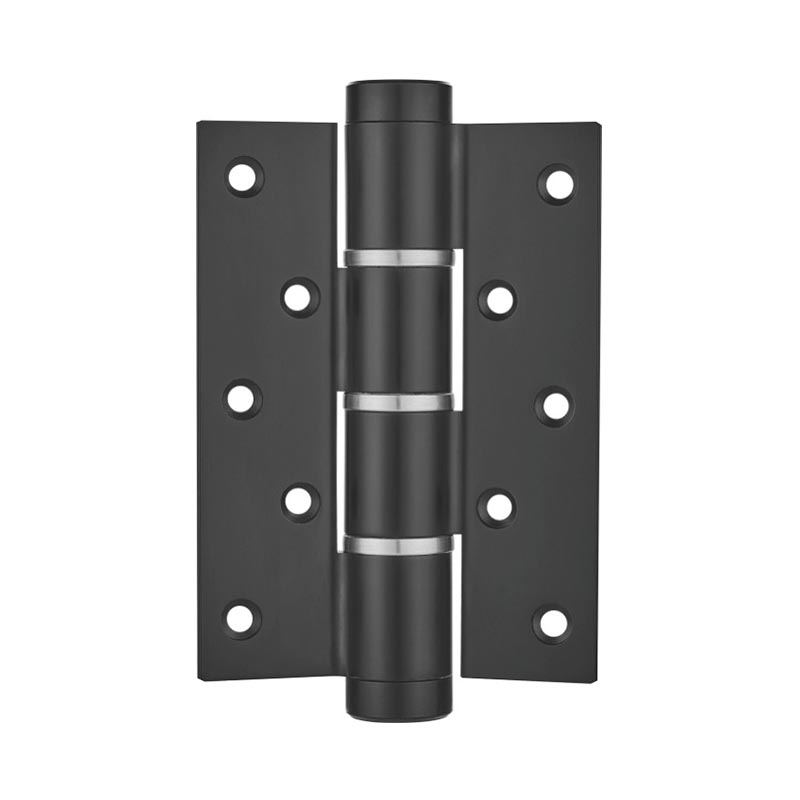
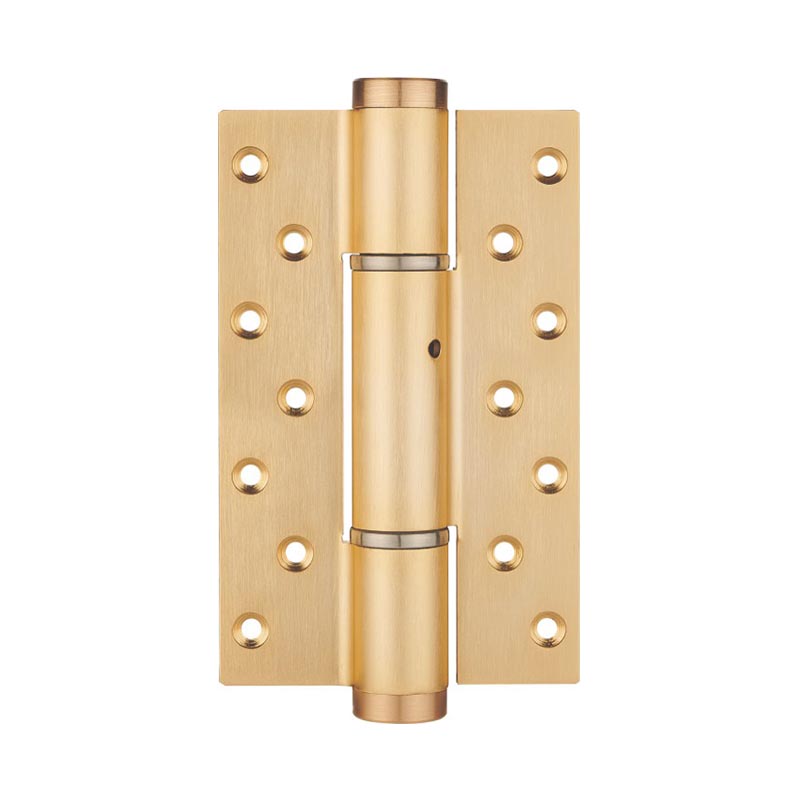
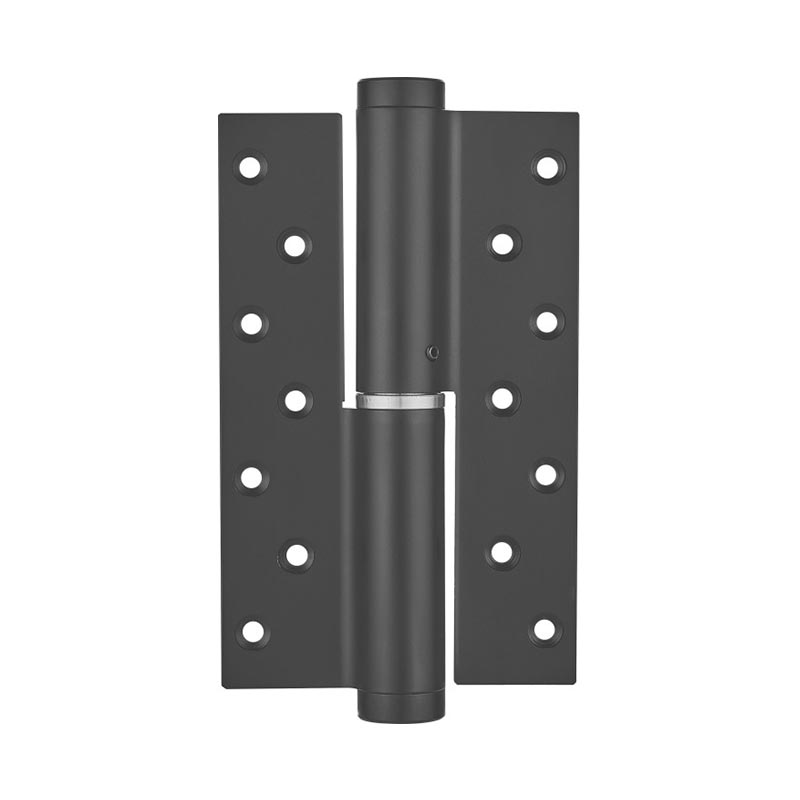
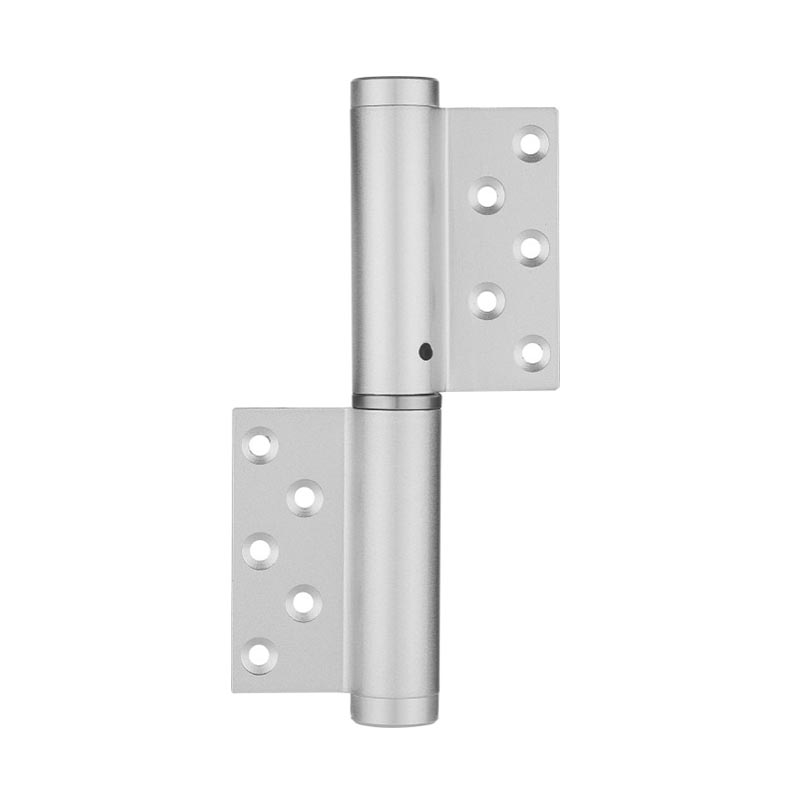
The choice of a hydraulic hinge manufacturer can shape more than a purchasing decision. It can influence how a door project moves from an idea to an installed product.

Hydraulic hinges are used in different door settings. They may be considered for glass doors, wooden doors, metal doors, interior doors, and selected commercial applications. Each project can have its own expectations.
Some buyers need standard products for routine installation. Others may need support for a particular door design. Some focus on supply consistency. Others care more about communication, customization, or after-sales service.
This makes manufacturer selection a process of matching.
A suitable manufacturer should match the product with the door application, the project with the production capability, and the buyer's expectations with the supplier's working process.
A clear project requirement makes supplier communication easier.
Buyers do not always need to know every detail about hydraulic hinges before contacting a manufacturer. However, it helps to understand the basic purpose of the product and the type of door where it will be installed.
The door material is useful information. So is the door structure. Buyers can also describe how the door is expected to open and close and where the door will be used.
For example, an interior door in an office has a different setting from a glass entrance in a commercial space. A manufacturer may need different information for each application.
The expected quantity can also affect the purchasing discussion. A small project may focus on product availability and straightforward communication. A larger project may require more attention to production coordination and supply planning.
| Buyer Information | Why It Matters |
|---|---|
| Door Material | Helps identify suitable hinge options |
| Door Structure | Supports fitting and installation discussions |
| Application Area | Provides context for product selection |
| Opening Method | Helps clarify the intended door movement |
| Purchase Quantity | Supports production and supply planning |
| Design Requirements | Helps determine whether customization is needed |
| Packaging Needs | Supports delivery and handling arrangements |
| Service Expectations | Defines the level of communication required |
The clearer these points are, the easier it becomes for a manufacturer to understand the actual request.
A manufacturer's product range can reveal how well it serves different door applications.
A supplier with only one type of hydraulic hinge may still be suitable for a simple project. A manufacturer offering different hinge designs may provide more options when the door application changes.
Buyers should not automatically assume that a larger product range is better.
The more useful question is whether the range is relevant.
If a project involves glass doors, buyers can look for manufacturers with experience in glass door hardware. If the project involves wooden doors, compatibility with wood door structures becomes more important.
Product variety can also matter when a buyer serves several markets.
A distributor may need different options for residential, commercial, and interior applications. Working with a manufacturer that understands these differences can make product sourcing easier.
Buyers can review product categories, application descriptions, installation information, and available customization options.
The goal is not to collect as many choices as possible. It is to find choices that make sense for the intended project.
A manufacturer's production capability can affect how smoothly an order is handled.
This becomes more important when buyers need a particular design or expect ongoing supply. A supplier needs to understand the product requirement and translate it into a consistent manufacturing process.
Buyers can ask how the manufacturer handles product development, production, inspection, packaging, and order coordination.
The answers can reveal how organized the supplier is.
Manufacturing capability also matters for customized products. A buyer may request changes to appearance, fitting arrangement, packaging, or other product details. The manufacturer needs to determine whether those changes can be supported within its production process.
This is where direct communication becomes useful.
A manufacturer that understands the relationship between the hinge and the door can discuss practical considerations rather than simply treating the product as a generic hardware item.
For long-term sourcing, production stability also deserves attention.
Buyers may want to know whether the supplier can maintain a consistent product approach as orders change. This does not mean every order must be identical. It means the manufacturer should have a clear process for handling product requirements.
Customization is becoming an important consideration in door hardware sourcing.
Modern doors do not always follow one standard appearance. Architects, contractors, furniture companies, and hardware distributors may have different expectations.
A buyer may want a specific appearance. Another may need the hinge to fit a particular door structure.
This is where manufacturer flexibility can become valuable.
Before choosing a supplier, buyers can ask what types of customization are available. They can also ask how the manufacturer evaluates a custom request.
Not every customization request is practical.
A responsible manufacturer should be able to explain whether a requested change fits the intended application. It should also identify information that needs to be confirmed before production.
| Custom Requirement | Buyer Should Discuss |
|---|---|
| Appearance | Whether the desired look can be supported |
| Installation Method | Whether it matches the door structure |
| Product Design | Whether the design fits the intended application |
| Packaging | Whether special packaging is available |
| Product Identification | Whether labeling requirements can be supported |
| Sample Development | Whether the design can be reviewed before production |
This process can reduce misunderstandings.
For buyers, the value of customization is not simply having a different product. It is having a product that fits a specific project more naturally.
Quality control is an important part of hydraulic hinge sourcing.
A hinge is a relatively small component, but its position within a door system makes consistency important. The buyer needs confidence that the products received match the agreed requirements.
Manufacturers may use different inspection and production practices. Buyers can ask about how products are checked during manufacturing and before shipment.
The purpose is not to collect complicated technical information.
A practical conversation can focus on whether the manufacturer has a clear inspection process, how product issues are handled, and how changes are documented.
Sample evaluation can also help.
When a buyer receives a sample, it can be reviewed against the intended application. The buyer can check the appearance, installation arrangement, packaging, and general product condition.
Communication is important when something does not match expectations.
A manufacturer that responds clearly to questions can make the purchasing process easier. Buyers can therefore evaluate both the product and the supplier's approach to quality management.
Communication can determine how efficiently a project develops.
A buyer may have questions about product selection, customization, packaging, production, or delivery. If information is unclear, small misunderstandings can become larger problems later.
Good communication does not mean using complicated language.
It means answering questions directly.
The manufacturer should understand what the buyer is asking. The buyer should also provide enough information for the manufacturer to respond accurately.
Time zones and language differences can create additional challenges for international sourcing. A clear communication process can reduce these difficulties.
Buyers can observe how a potential supplier handles the early conversation.
Does the manufacturer ask relevant questions?
Does it understand the door application?
Does it explain limitations clearly?
Does it provide useful product information?
These details can reveal how the supplier may handle future orders.
A manufacturer that communicates well during the early stage may also make later coordination easier. This is especially useful for customized products.
Price naturally matters during procurement. It is not the only consideration.
A hydraulic hinge manufacturer can offer a suitable product, but the overall purchasing experience also depends on service.
Service may include product recommendations, sample support, customization discussions, packaging coordination, order updates, and after-sales communication.
Different buyers may place different levels of importance on these areas.
A small distributor may need quick product information. A project contractor may need more support during installation planning. A brand owner may need help with product customization and packaging.
The supplier should fit the buyer's working style.
| Service Area | What Buyers Can Evaluate |
|---|---|
| Product Support | Whether questions receive clear answers |
| Sample Service | Whether samples help with product evaluation |
| Customization | Whether requirements are discussed carefully |
| Order Communication | Whether production information is communicated clearly |
| Packaging Support | Whether packaging needs can be discussed |
| After-Sales Service | Whether product concerns receive a practical response |
This broader view can prevent buyers from making decisions based only on the initial quotation.
A low purchase price may not provide much value if communication is difficult or product requirements are repeatedly misunderstood.
Comparing suppliers becomes easier when buyers use the same criteria.
Instead of looking at each manufacturer's information separately, buyers can create a simple comparison list.
The list may include product suitability, manufacturing capability, customization, communication, quality management, service, and supply arrangements.
The comparison does not need to be complicated.
The important point is consistency.
For example, one manufacturer may offer a wide product selection but limited customization. Another may have a smaller range but more experience with customized door hardware. A third may provide strong communication but focus on a particular type of door.
These differences can be meaningful depending on the project.
Buyers can also consider whether the manufacturer understands their market.
A company supplying residential door hardware may have different expectations from a business serving commercial construction projects. The manufacturer's experience should be relevant to the buyer's intended application.
A simple evaluation structure can look like this:
Product fit
Does the manufacturer offer a hinge suitable for the intended door?
Production fit
Can the manufacturer handle the expected order requirements?
Customization fit
Can it support the requested product or packaging changes?
Communication fit
Are questions answered clearly and consistently?
Service fit
Can the supplier support the buyer beyond the initial quotation?
Supply fit
Is the manufacturer's working process suitable for the buyer's purchasing plans?
This approach helps turn supplier selection into a practical comparison rather than a simple price check.
Location can affect sourcing, but it should not be considered alone.
A manufacturer located closer to the buyer may offer convenient communication or delivery arrangements. An overseas manufacturer may provide access to a different production network or manufacturing specialization.
The right choice depends on the project.
International buyers can consider communication, shipping arrangements, documentation, packaging, and after-sales support alongside the product itself.
The manufacturer's ability to serve overseas customers may also matter.
A supplier that regularly works with international buyers may already have processes for export packaging, order communication, and product documentation.
However, location does not automatically determine suitability.
The more useful question is whether the manufacturer can support the buyer's actual requirements.
A short list of questions can make the selection process more practical.
Buyers can ask:
The answers can reveal more than a product catalog.
A suitable hydraulic hinge manufacturer should be able to discuss the product in the context of the door, the installation environment, and the buyer's purchasing needs. Product selection, manufacturing capability, customization, quality management, communication, and service can all influence whether a supplier is a practical match for a particular project.

No.123, Kaixuan road, yunshan street, lanxi city, jinhua city, zhejiang province, china

+86-18066248602

+86-579-88864580

+86-579-88864581

Copyright © 2024 Lanxi Maya Hardware Co., Ltd. All Rights Reserved. Privacy Policy

Hydraulic Door Hinges Hardware Factory



 English
 Español
 русский