Door hardware is easy to overlook. Most people notice a door only when it opens, closes, or separates one space from another. The hardware behind that movement often receives less attention.
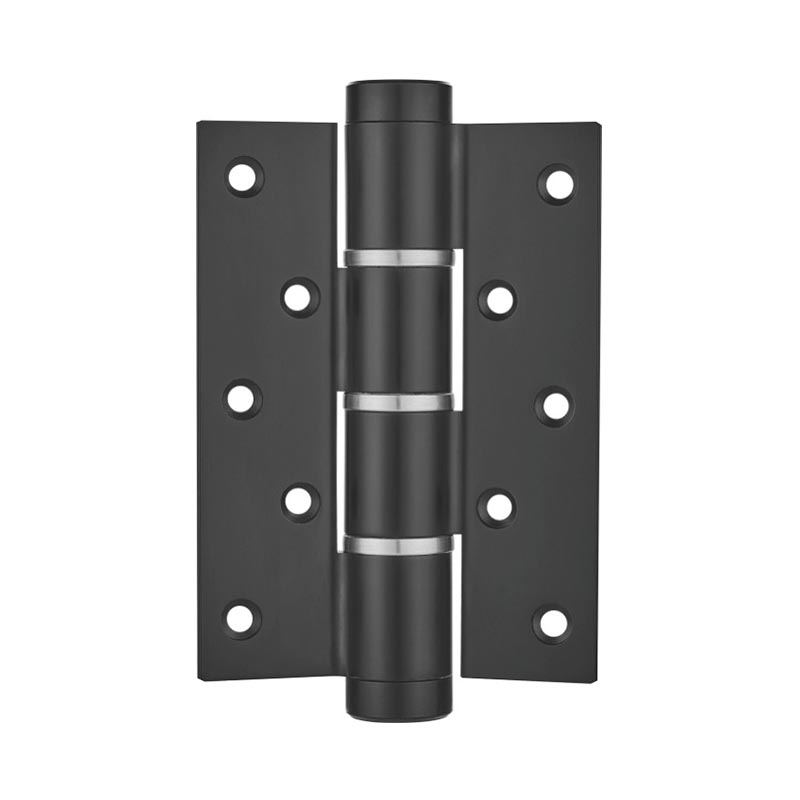
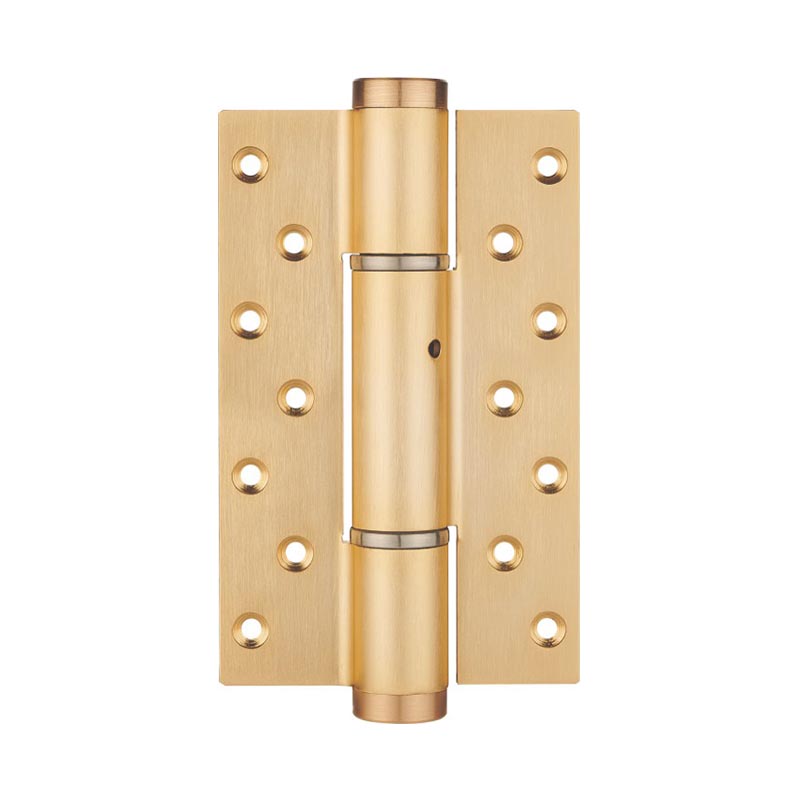
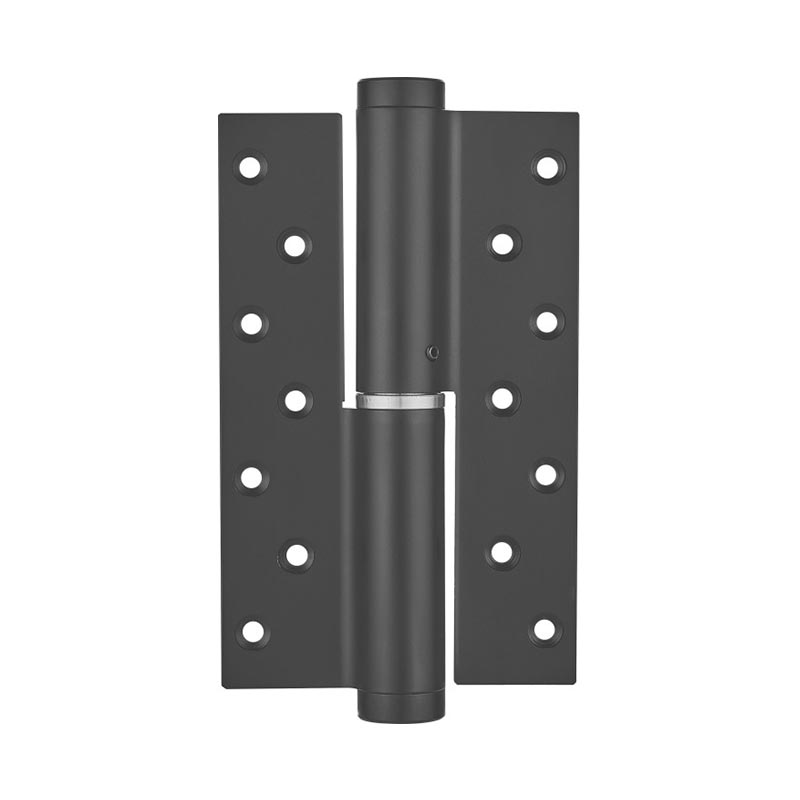
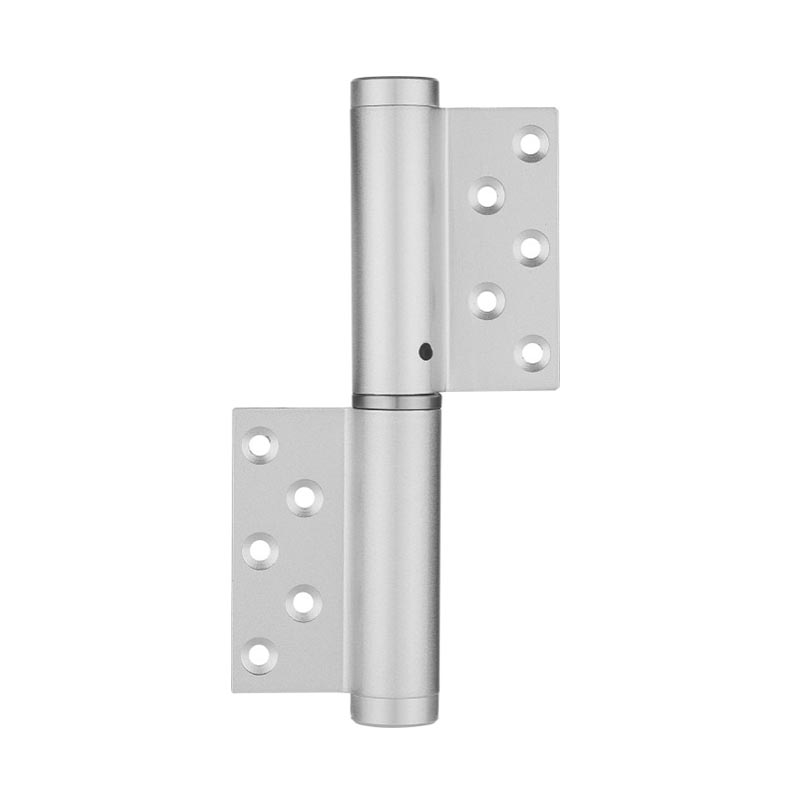
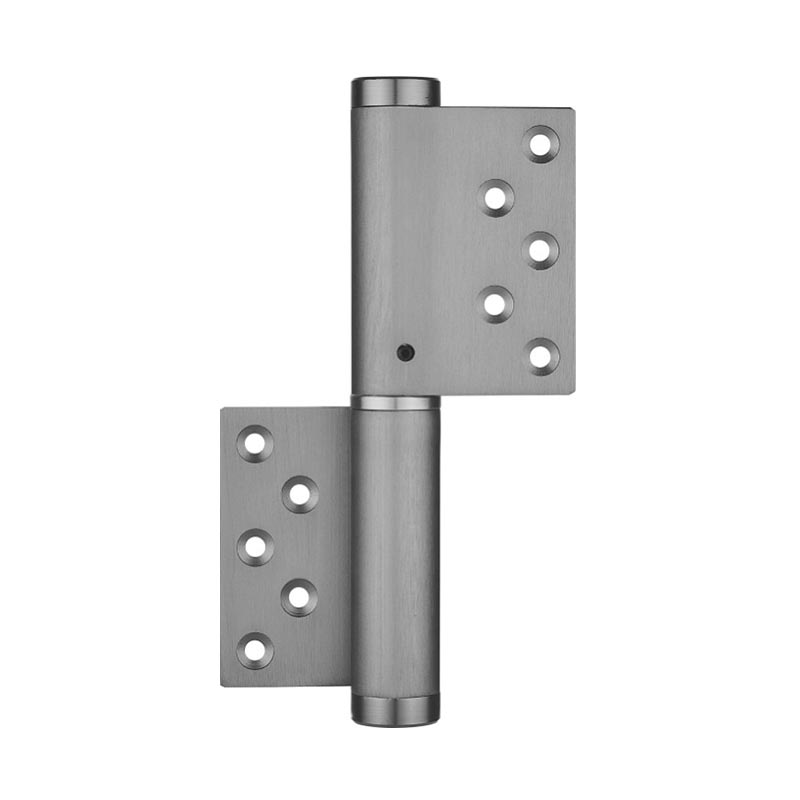
hydraulic hinges fitting are changing that conversation. They combine the basic role of a hinge with controlled door movement. This makes them relevant to projects where the way a door moves matters as much as the way it looks.
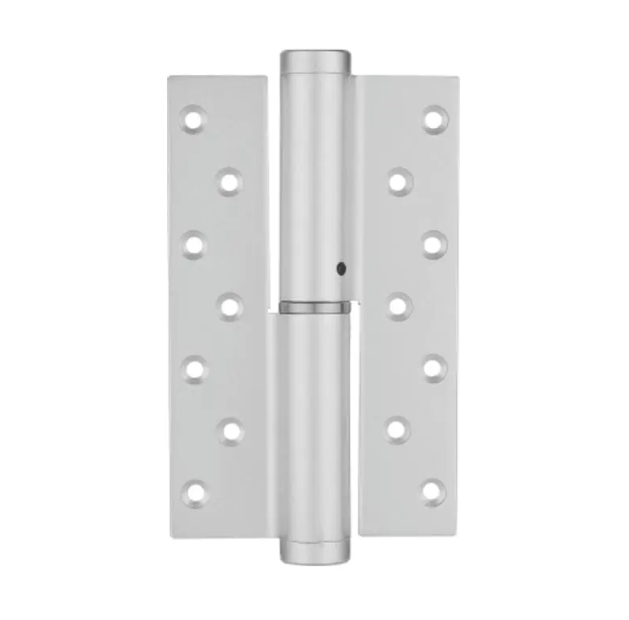
Not every door is suitable for the same hinge arrangement. Door material, structure, opening style, usage habits, installation conditions, and design requirements all influence the choice.
Hydraulic hinge fittings can be considered for several types of doors. They may appear in interior spaces, commercial buildings, glass door systems, and other applications where controlled movement is useful. The right choice depends on the relationship between the door and its surrounding structure.
A suitable door usually needs to work well with the hinge's installation position and movement pattern. The door must also have a structure that can accommodate the selected fitting.
The material is only one part of the decision. A door can be made from wood, glass, metal, or a combination of materials. What matters is whether the hinge fitting is compatible with the door construction and the way the door is expected to operate.
The surrounding frame also deserves attention. A hinge does not work in isolation. The door, frame, hardware, and installation surface form one working system.
Usage is another important factor.
A door in a quiet residential room may be opened only occasionally. A door in a commercial setting may experience much more frequent use. These different habits can influence which type of hinge fitting makes sense.
Design expectations can also shape the decision. Some projects prioritize a simple appearance. Others need hardware that fits into a more visible architectural design.
| Door Consideration | Why It Matters |
|---|---|
| Door Material | Determines whether the fitting can be properly installed |
| Door Structure | Influences how the hinge connects with the door |
| Frame Design | Affects the available installation arrangement |
| Opening Direction | Helps determine the appropriate hinge position |
| Usage Pattern | Relates to how often the door will be operated |
| Interior Style | Influences the visual relationship between hardware and door |
| Maintenance Access | Supports easier inspection and care |
This is why the question is not simply whether a hydraulic hinge can be used. The more useful question is whether the fitting matches the complete door system.
Wooden doors are among the familiar door types where hinge fittings are considered.
They are widely used in homes, offices, hotels, and other interior spaces. Their appearance can range from simple and modern to traditional and decorative.
Hydraulic hinge fittings may suit selected wooden doors when the door construction and fitting method are compatible.
One benefit of this arrangement is that the hinge can become part of the door's operating experience. Instead of treating the hinge as a hidden component, designers can consider how it influences movement.
The door's construction remains important.
Different wooden doors may have different internal structures. Some may be solid. Others may use layered or composite construction. The fitting method should take this structure into account.
The door frame also matters. The hinge needs a suitable connection point so that the door can move as intended.
For residential projects, the appeal may come from controlled movement and a clean appearance. For commercial interiors, the focus may be on repeated everyday use and coordinated door design.
A wooden door does not automatically require a hydraulic hinge. It is better viewed as one of the door categories where this type of fitting can be considered.
Glass doors create a different hardware challenge.
Unlike many wooden or metal doors, glass doors often place greater emphasis on visual simplicity. Large visible hardware can change the appearance of an otherwise clean glass surface.
Hydraulic hinge fittings can therefore be relevant in selected glass door applications.
The important issue is compatibility.
The hinge must work with the door construction and the supporting structure. The installation approach should also suit the type of glass door being used.
Glass doors are common in offices, commercial interiors, showrooms, hotels, and other spaces where transparency is part of the design.
In these environments, the movement of the door can become part of the user experience.
A door that moves in a controlled way can feel different from one that swings freely. This can influence how people interact with entrances, rooms, and partitions.
The surrounding design also matters.
A glass door may be paired with metal frames, stone surfaces, wood details, or minimalist interiors. The hinge fitting should make sense within this combination.
For this reason, hydraulic hinge selection for glass doors is not only a hardware question. It is also a design and installation question.
Metal doors are used in many commercial, industrial, and architectural settings.
They can provide a structured appearance and are often selected for environments where durability and practical use are important.
Hydraulic hinge fittings may be considered when the door needs controlled movement and the construction allows the fitting to be installed correctly.
The door's weight and structure need to be taken into account. The frame must also provide an appropriate connection point.
Metal doors can have very different designs. Some are simple interior doors. Others are part of larger building systems.
This makes application context particularly important.
A hinge that works for one metal door may not be appropriate for another. The material alone does not determine compatibility.
Designers and installers may also consider how the hardware fits into the surrounding space. A visible hinge can become part of an industrial-looking interior. A more discreet installation may suit a modern commercial space.
Hydraulic hinge fittings therefore offer a possible option rather than a universal solution for metal doors.
Interior doors are another broad category.
They can be found in homes, offices, hotels, restaurants, retail spaces, and public buildings. Each setting creates different expectations for door movement.
In a home, a hydraulic hinge may be considered for selected rooms where controlled closing is useful.
In an office, it may fit spaces where doors are opened repeatedly throughout the day.
Hotels and commercial interiors can place greater emphasis on coordinated design. Hardware needs to work with the door while also fitting the overall appearance of the room.
The type of room can also affect the choice.
A private room may have different requirements from a shared meeting room. A decorative interior door may require a different hardware approach from a simple service door.
| Interior Door Setting | Potential Reason to Consider Hydraulic Hinge Fittings |
|---|---|
| Residential Rooms | Supports controlled everyday door movement |
| Office Areas | Fits spaces with regular door use |
| Hotel Interiors | Can complement coordinated interior design |
| Retail Spaces | Supports selected customer-facing doors |
| Meeting Rooms | Can support a controlled opening and closing experience |
| Shared Facilities | May suit doors with repeated daily use |
The important point is that hydraulic hinges should be selected according to the actual use of the door.
Commercial doors often have a different operating pattern from residential doors.
People may enter and leave throughout the day. Employees, customers, visitors, and service staff may all use the same door.
This can make controlled movement an important design consideration.
Hydraulic hinge fittings may be suitable for selected commercial doors where the structure, frame, and intended movement are compatible.
Retail stores are one possible setting. Office buildings are another. Hotels, restaurants, showrooms, and similar spaces can also use doors where controlled movement is part of the design.
Appearance can be important in these locations.
A commercial entrance is often part of the building's visual identity. Door hardware can influence the overall impression even when it is relatively small.
Hydraulic hinge fittings can therefore be considered as part of the wider door design rather than treated as an isolated component.
At the same time, commercial use should not automatically lead to one particular hardware choice. Different buildings have different layouts and door structures.
The fitting needs to match the specific application.
Large doors require careful consideration because their size and construction can affect how they move.
A hydraulic hinge may be suitable for some larger doors, but the selection should be based on the complete door arrangement.
The door leaf, frame, material, installation position, and expected use all matter.
A larger door may also be used differently from a small interior door. It may form part of a building entrance or a large room opening. Users may expect smooth and controlled movement.
This is where proper fitting becomes particularly important.
The hinge must be installed in a way that works with the door structure. Poor alignment or unsuitable installation can affect the way the door moves.
Designers should also consider maintenance access. Hardware that is difficult to inspect can create unnecessary problems during routine building care.
Large doors are therefore not automatically suitable or unsuitable. They need to be assessed as complete systems.
Material affects the way a hinge fitting connects to a door.
Wood, glass, and metal each have different construction characteristics. Composite doors can introduce another set of considerations.
The key is to avoid choosing a hinge based only on appearance.
A visually attractive fitting still needs to work with the door structure.
For wooden doors, the connection area needs to provide suitable support. For glass doors, the fitting must be intended for the particular door construction. For metal doors, the frame and door structure need to accommodate the installation method.
The same principle applies to mixed-material doors.
Modern architecture often combines materials. A door may include glass with metal elements or wood with decorative metal details.
In such cases, hinge selection needs to consider how all parts work together.
| Door Material | Main Fitting Consideration |
|---|---|
| Wood | Compatibility with the door and frame structure |
| Glass | Suitable connection and intended glass-door application |
| Metal | Door and frame construction |
| Composite Materials | Compatibility with the specific door structure |
| Mixed Materials | Relationship between different door components |
This approach can help avoid treating material as the only selection factor.
A careful installation plan can make a significant difference.
The door should be inspected before the fitting is selected. Its material, structure, frame, opening direction, and expected use should all be considered.
The surrounding space should also be checked.
A door may need to open toward a wall, another door, furniture, or a busy passage. The available space can influence how the hinge should be positioned.
The appearance of the hardware is another consideration.
For a minimalist interior, a discreet fitting may be more appropriate. For an industrial-style space, visible hardware may work with the design.
Maintenance should not be forgotten.
The hinge should remain accessible enough for routine inspection and care. A door system that looks good but is difficult to maintain may create unnecessary work later.
A practical fitting process can therefore involve several questions:
These questions can help narrow the selection before installation begins.
Hydraulic hinge fittings can be used across different door applications, but their suitability depends on the relationship between the fitting, door, frame, and intended use. Wooden doors, glass doors, metal doors, interior doors, and selected commercial doors may all offer possible applications when the installation conditions are appropriate. The decision becomes more practical when door design and hardware selection are treated as one connected process.

No.123, Kaixuan road, yunshan street, lanxi city, jinhua city, zhejiang province, china

+86-18066248602

+86-579-88864580

+86-579-88864581

Copyright © 2024 Lanxi Maya Hardware Co., Ltd. All Rights Reserved. Privacy Policy

Hydraulic Door Hinges Hardware Factory



 English
 Español
 русский