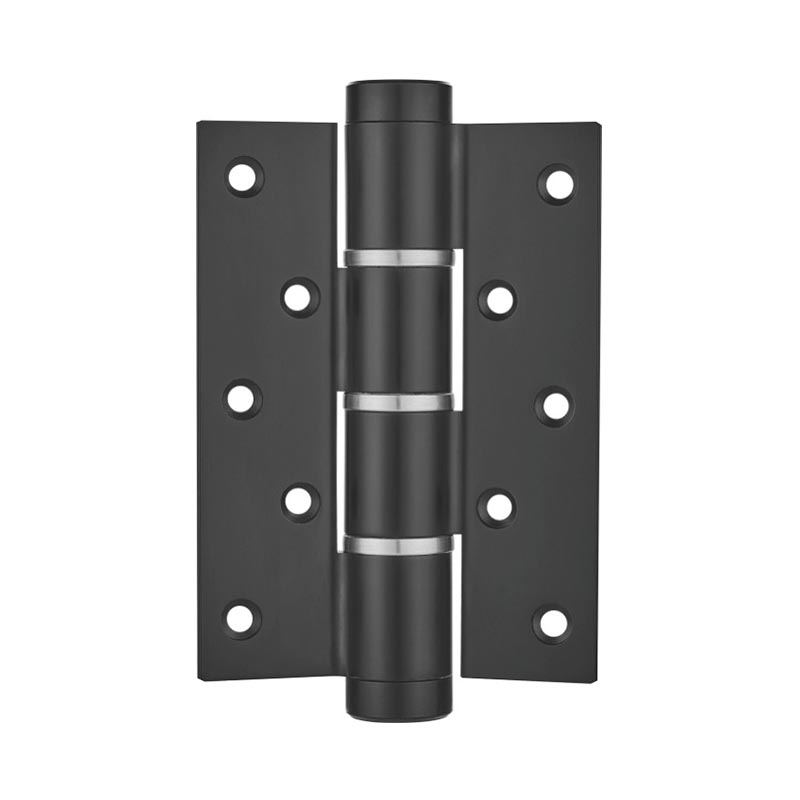
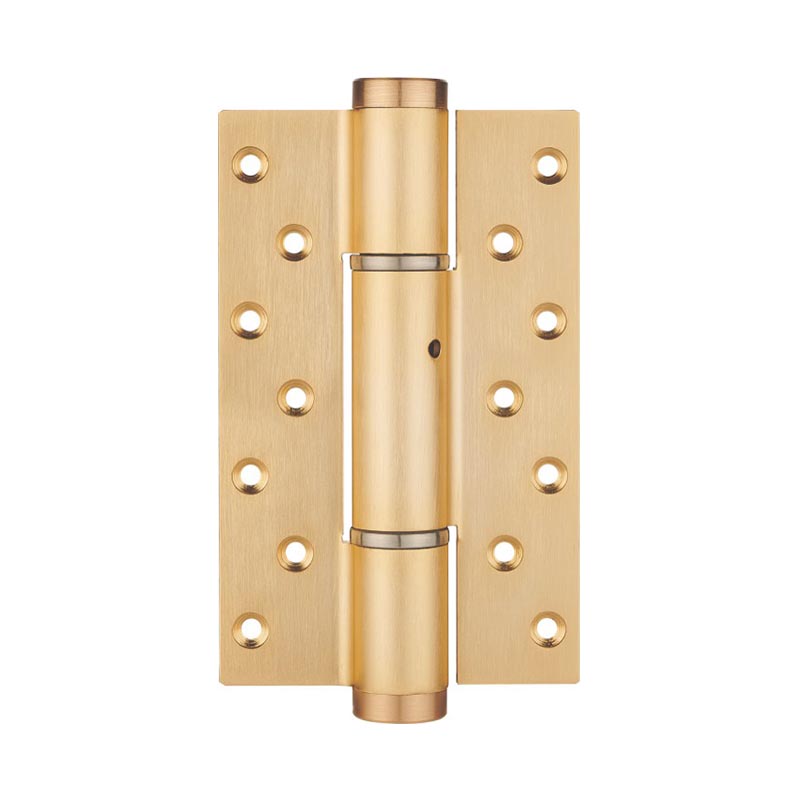
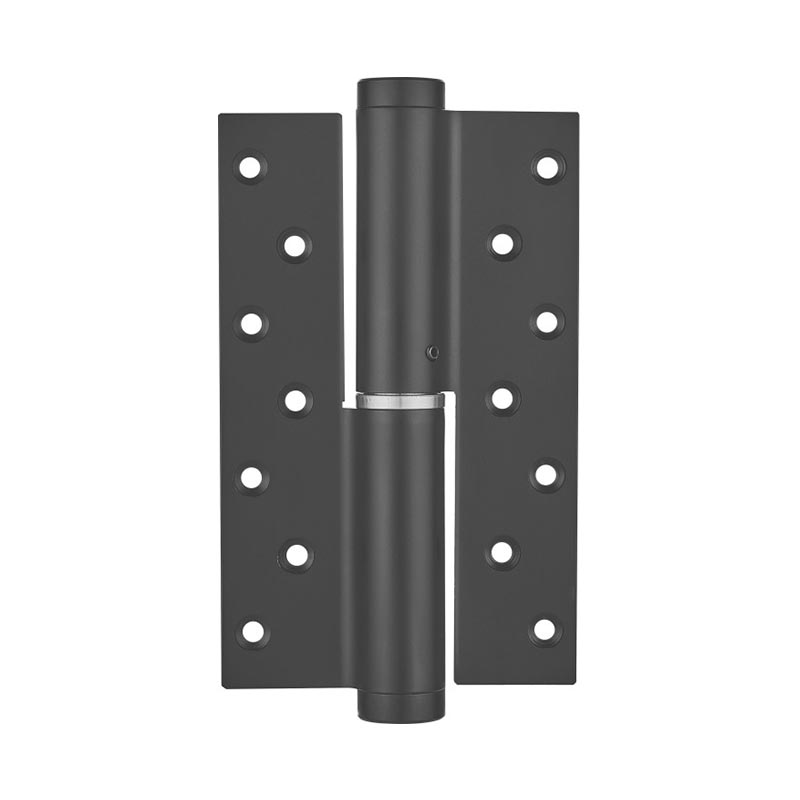
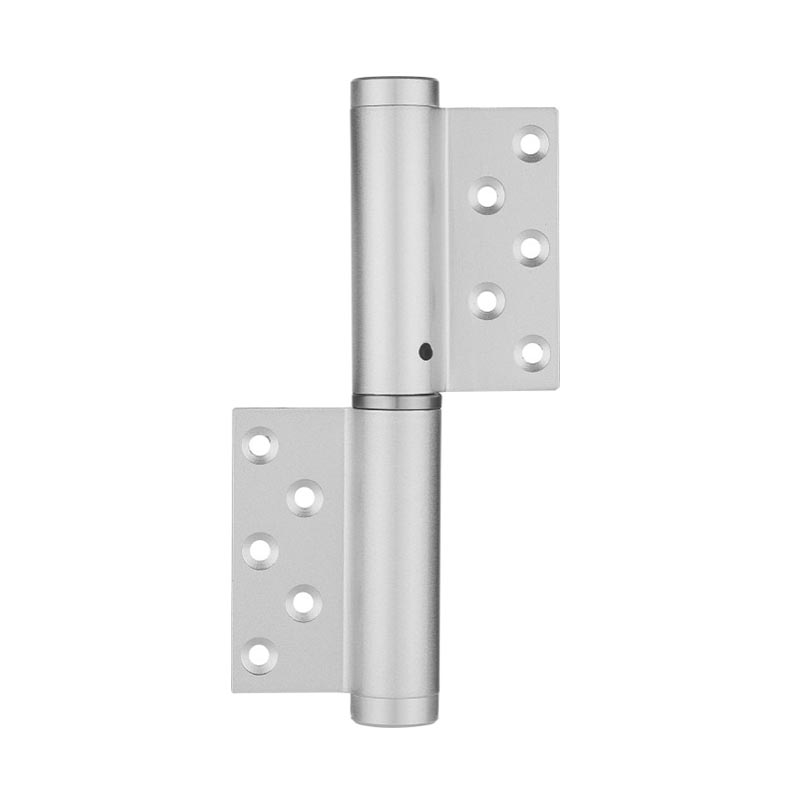
Door hardware often works quietly in the background. People notice when a door looks attractive, fits neatly into its frame, or closes with a comfortable movement. The small components that support these actions may receive less attention.
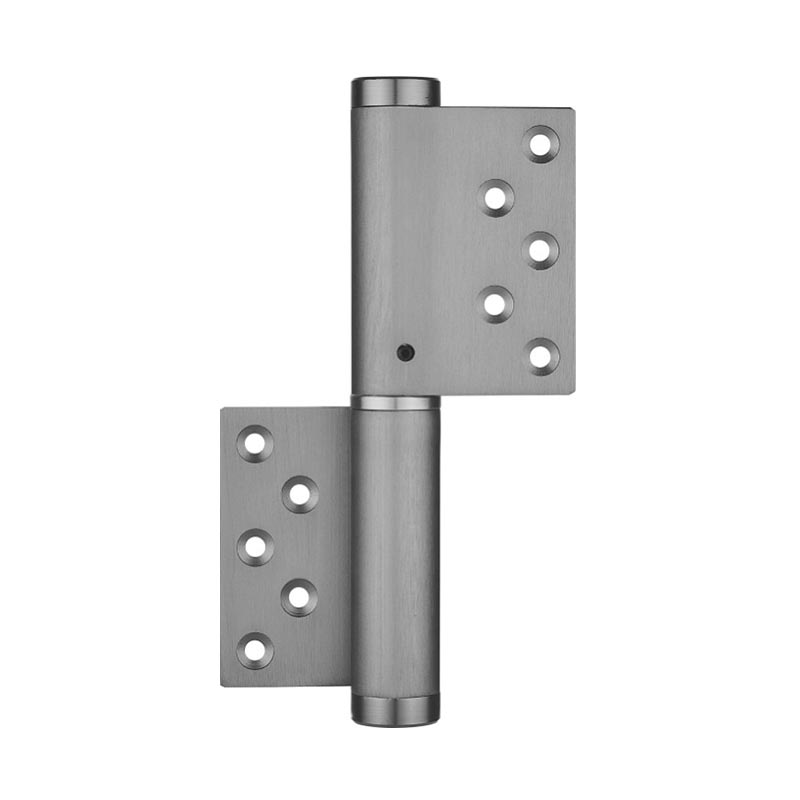
Unlike a basic hinge that mainly provides a pivoting connection, a hydraulic buffer hinge can add controlled movement to the door. This makes the hinge relevant to more than simple door installation. It can influence how a door moves during everyday use and how the hardware fits into a wider design.
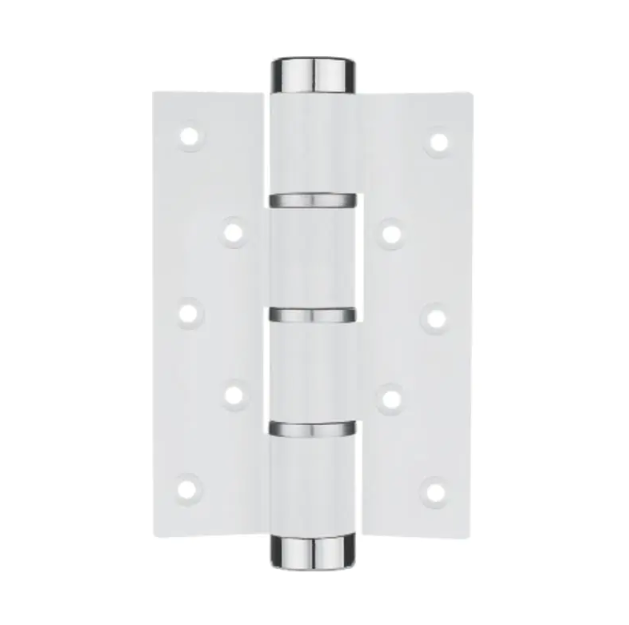
As modern doors become more closely connected with interior design, convenience, and space planning, hardware choices are receiving more attention. A hinge is no longer viewed only as a small mechanical part. It can also be part of the user experience.
This raises an interesting question. Where do hydraulic buffer hinges make sense in modern door applications?
The answer depends on the door, the surrounding space, and the type of movement users expect. Different environments place different demands on doors. A quiet residential room has different needs from a busy commercial space.
It can therefore appear across several types of modern door applications.
A door is used repeatedly. Every opening and closing action becomes part of the daily experience of a building.
When a door moves too freely or closes without much control, it can create an uncomfortable experience. The movement may feel abrupt. The door may also interact with nearby furniture, walls, or people in ways that are not desirable.
It introduces another approach.
The hydraulic element can help manage the movement of the door as it approaches the closing position. Instead of relying entirely on the natural swing of the door, the hinge can provide support for a more controlled action.
This is particularly interesting in modern spaces where comfort and appearance are both considered.
The hinge does not need to become a visible design feature. Its value can come from what users notice indirectly. A door can feel more controlled without the hardware demanding attention.
There is also a design advantage. When movement support is incorporated into the hinge, designers may have more freedom when considering the surrounding door hardware.
The exact role varies by product and door application. Hydraulic buffer hinges should always be selected according to the door structure and installation requirements.
Residential doors are one of the most familiar applications.
Homes contain many different doors. Interior room doors, cabinet-style doors, utility doors, and other spaces can all have different movement requirements.
In living spaces, people often value simple operation. A door should open naturally and close without creating an unpleasant impact. This makes controlled movement relevant to residential design.
It can be considered for doors where a softer closing experience is desirable.
They may also suit homes with a clean interior style. Modern interiors often use simple surfaces and limited visible hardware. A hinge that combines movement and buffering functions can fit into this design approach.
Bedrooms, home offices, kitchens, and utility spaces may all have different reasons for using this type of hinge.
A bedroom door, for example, may benefit from controlled movement because people often want a calm environment. A home office may also benefit from hardware that supports a quieter and more deliberate door action.
The important point is that residential applications are not defined by one specific door type. The hinge choice depends on how the door is used and what kind of experience the homeowner wants.
Commercial spaces introduce another set of requirements.
Office doors may be opened and closed many times during the day. People move through meeting rooms, work areas, storage spaces, and shared facilities. Door movement becomes part of the rhythm of the workplace.
It can be considered where controlled closing is useful.
For example, an office may have doors positioned near desks or narrow walkways. A more controlled closing action can help the door interact more naturally with its surroundings.
The same thinking applies to commercial interiors.
Retail spaces, service areas, studios, and other workplaces may use different door styles, but they share a common feature. Doors are often part of an active environment.
Hardware that supports controlled movement can therefore become part of the overall door planning process.
| Application Area | Why Hydraulic Buffer Hinges May Be Considered |
|---|---|
| Residential Rooms | Support a more controlled closing experience |
| Home Offices | Fit spaces where calm door movement is useful |
| Commercial Offices | Suit doors used regularly throughout the day |
| Retail Interiors | Support organized movement in customer areas |
| Hospitality Spaces | Complement a comfortable interior experience |
| Shared Facilities | Help manage repeated door movement |
The hinge is not necessarily the solution for every commercial door. Door construction, usage, and installation conditions still matter.
Its potential value comes from combining hinge movement with buffering support in one component.
Hotels, guest facilities, restaurants, and similar environments place considerable attention on the customer experience.
Guests may not know anything about door hardware. They simply notice whether a door feels easy to use.
This makes small details important.
A door that moves smoothly can support the overall feeling of a space. A door that closes too abruptly can have the opposite effect.
It can be considered where controlled movement fits the door design.
Hospitality interiors also tend to pay close attention to appearance. Door hardware needs to work with furniture, wall finishes, lighting, and other interior elements.
A hinge that combines practical movement support with a relatively discreet appearance can therefore be attractive from a design perspective.
Guest rooms are one possible setting. Interior service areas and shared spaces may also have different applications.
The choice should still be based on the individual door. A hinge suitable for one part of a building may not be appropriate for another.
This is why modern hardware selection increasingly starts with the use case rather than simply the product category.
Interior design has changed the way people think about hardware.
In many contemporary spaces, doors are designed to blend into walls, furniture, and architectural surfaces. Large or visually dominant hardware can interrupt this effect.
It offer an interesting design possibility because the functional role of the hinge can be combined with movement support.
The hinge can remain part of the door structure while contributing to how the door behaves.
This creates a connection between appearance and function.
Imagine a minimalist interior with a simple door surface and clean lines. The visual design may be carefully controlled. The door needs to move naturally, but the hardware should not distract from the surrounding architecture.
A hydraulic buffer hinge can fit into this type of thinking.
It does not mean the hinge itself determines the entire appearance. Rather, it becomes one component in a larger design decision.
This is especially relevant when architects, interior designers, door manufacturers, and installers need to consider hardware at an early stage.
The hinge affects more than movement. It can influence the space required for hardware, the visual relationship between the door and frame, and the user's experience when operating the door.
Modern architectural doors often use materials and designs that place additional attention on appearance.
Glass doors are one example. Their visual character comes from transparency and clean surfaces. Hardware is therefore highly visible and needs to fit the overall design.
Hydraulic hinges can be relevant in some glass door applications because they can combine hinge movement with controlled closing support.
However, suitability depends heavily on the door construction and the specific hardware design.
The same principle applies to other architectural doors with a strong visual focus. When the door is an important part of the interior design, hardware selection becomes more than a functional decision.
It becomes part of the design language.
A hinge can help determine how the door moves. It can also affect how the door sits within the surrounding structure.
This makes it useful to consider hardware alongside the door material, frame design, and intended user experience.
The goal is not simply to add more features. It is to choose components that match the needs of the complete door system.
Public and shared areas often involve frequent movement.
Doors may separate corridors, rooms, offices, service areas, or other shared spaces. Many different users interact with the same door throughout the day.
This creates a need for predictable movement.
It can be considered where controlled closing is part of the desired door behavior.
They may be relevant in community facilities, educational interiors, commercial buildings, and other shared environments. The actual suitability depends on the door type and the building requirements.
There is also a practical benefit to thinking about door movement in relation to the surrounding space.
A door does not operate in isolation. It may be close to another door, a walkway, a piece of furniture, or an area where people gather.
Controlled movement can therefore become part of broader space planning.
For designers and installers, this means the hinge may need to be considered earlier in the process. Selecting hardware after the door design is complete can limit available options.
When movement, appearance, and installation are considered together, the hinge can play a more natural role in the overall system.
The application should guide the choice.
A hydraulic buffer hinge may offer useful functions, but those functions need to match the door.
Several questions can help during planning:
What type of door will use the hinge?
Door material, structure, and design can affect compatibility.
How will the door be used?
A private room door and a shared commercial door may have very different movement patterns.
What closing behavior is preferred?
Some spaces may require more controlled movement than others.
How important is visible hardware?
Interior design can influence the preferred hinge style and placement.
Does the hinge need adjustment features?
Some applications may benefit from additional flexibility during installation.
What surrounding space needs to be considered?
Furniture, walls, walkways, and nearby doors can all influence the choice.
These questions keep the selection process practical.
The goal is not to choose a hinge because it has more functions. The goal is to choose a hinge that fits the door and the space.
This distinction matters because conventional hinges still have an important place in door design. A simple door may not need hydraulic buffering. Adding unnecessary hardware can make a straightforward project more complicated.
Hydraulic buffer hinges become more relevant when controlled movement, integrated functions, or modern design considerations are part of the project.
That is why their applications continue to extend across different door settings. Residential interiors, offices, hospitality spaces, architectural doors, and shared environments all present different opportunities.
The hinge remains a small component, but its role can reach beyond the connection between a door and its frame. It can influence movement, installation, appearance, and the way people interact with a space every day.

No.123, Kaixuan road, yunshan street, lanxi city, jinhua city, zhejiang province, china

+86-18066248602

+86-579-88864580

+86-579-88864581

Copyright © 2024 Lanxi Maya Hardware Co., Ltd. All Rights Reserved. Privacy Policy

Hydraulic Door Hinges Hardware Factory



 English
 Español
 русский