

 English
 Español
 русский
News
Home / News / Industry News / What Makes 3D Hydraulic Hinges Different from Conventional Door Hinges
Door hardware is easy to overlook. People notice the door panel, handle, frame, and finish. The hinge often stays in the background.
Yet the hinge has a direct connection with how a door moves and sits within its frame. It supports movement, affects alignment, and can influence how the door feels during everyday use.
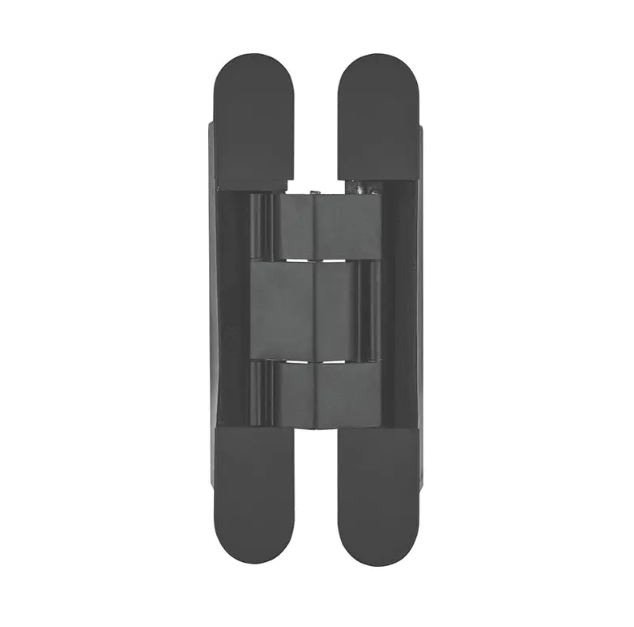
Conventional door hinges have long served these basic needs. Their familiar structure makes them suitable for many ordinary applications. As door design changes, however, some projects require more functions from the hinge itself.
This has created interest in 3D hydraulic hinges.
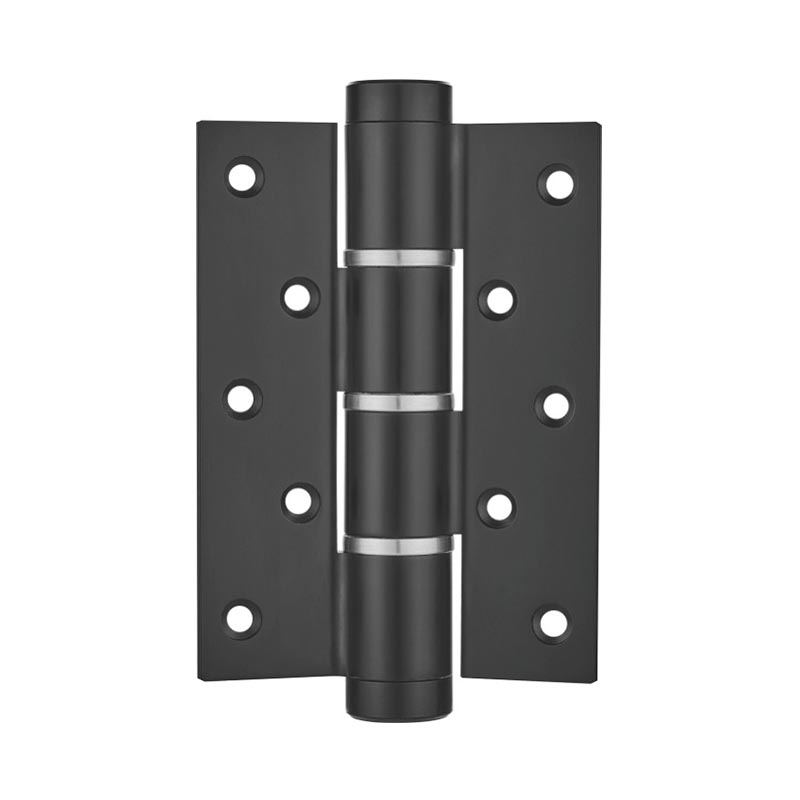
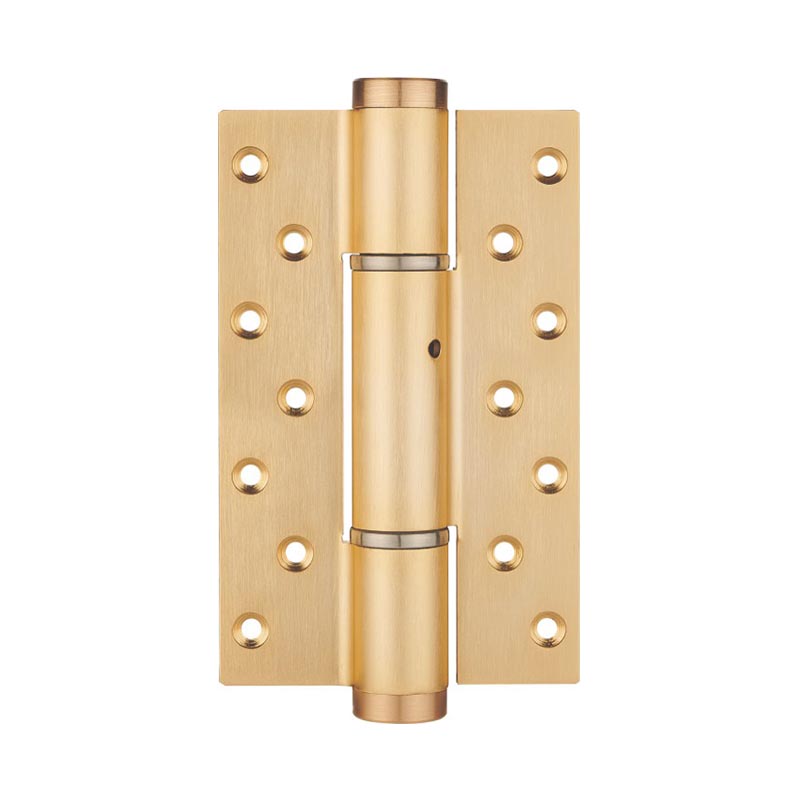
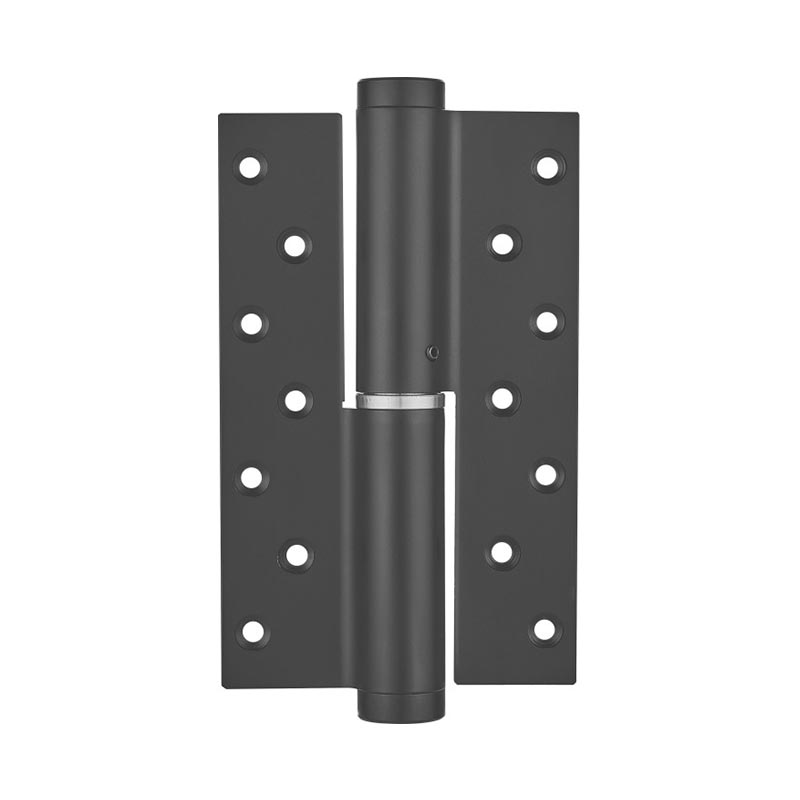
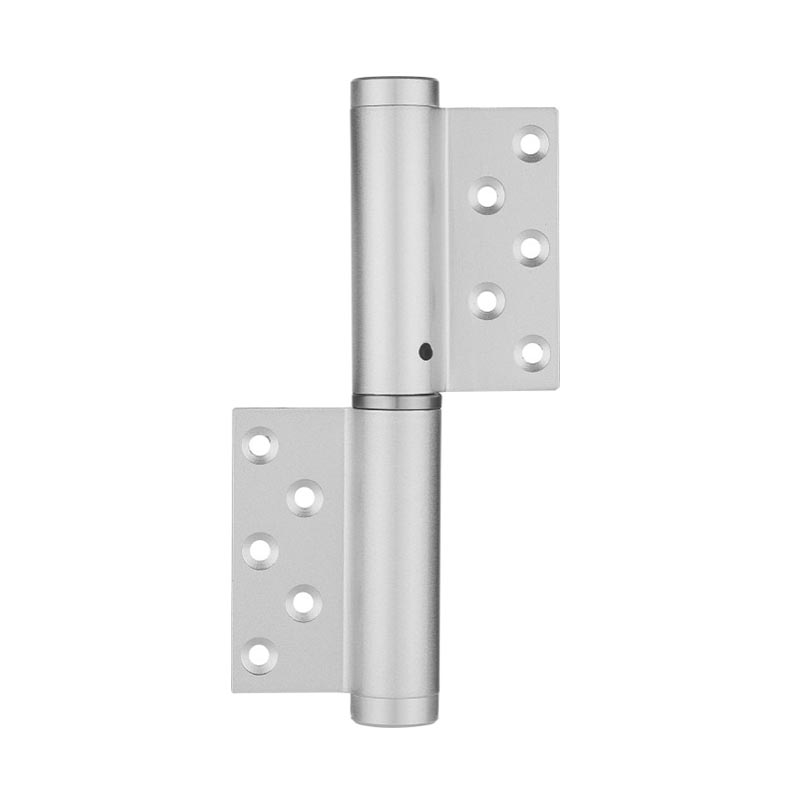
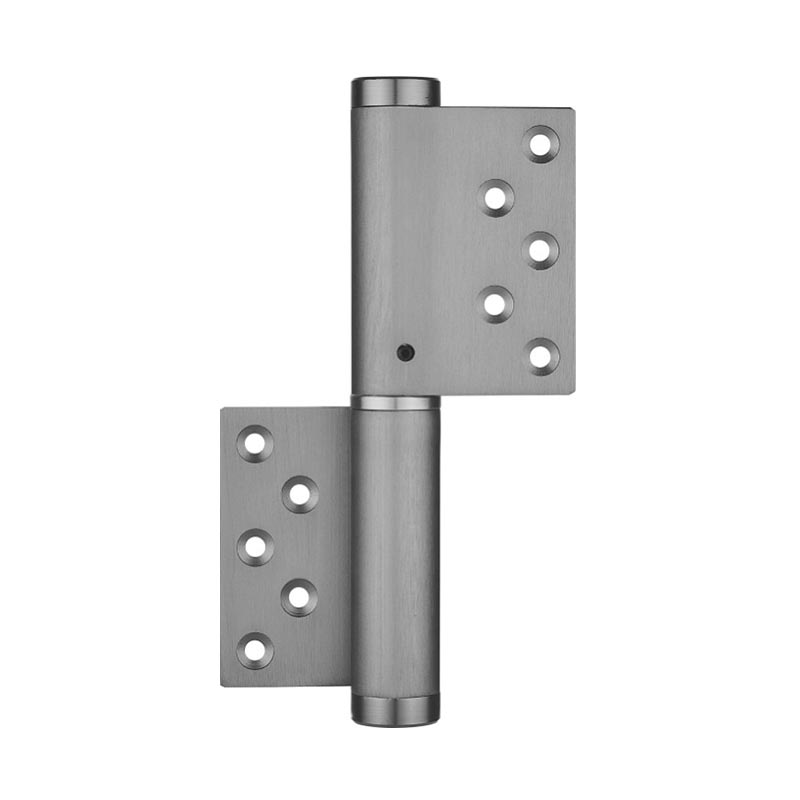
A 3D hydraulic hinge combines door adjustment with controlled closing support. The idea is different from a basic hinge that mainly provides a pivoting connection. It gives installers and users another way to manage the position and movement of a door.
The difference is not simply about appearance. It is also about how the hardware participates in the overall door system.
The clearest difference lies in their range of functions.
A conventional hinge is generally designed around a straightforward task. It connects the door to the frame and allows the door to swing. Depending on the design, the hinge may offer some adjustment, but its role remains relatively focused.
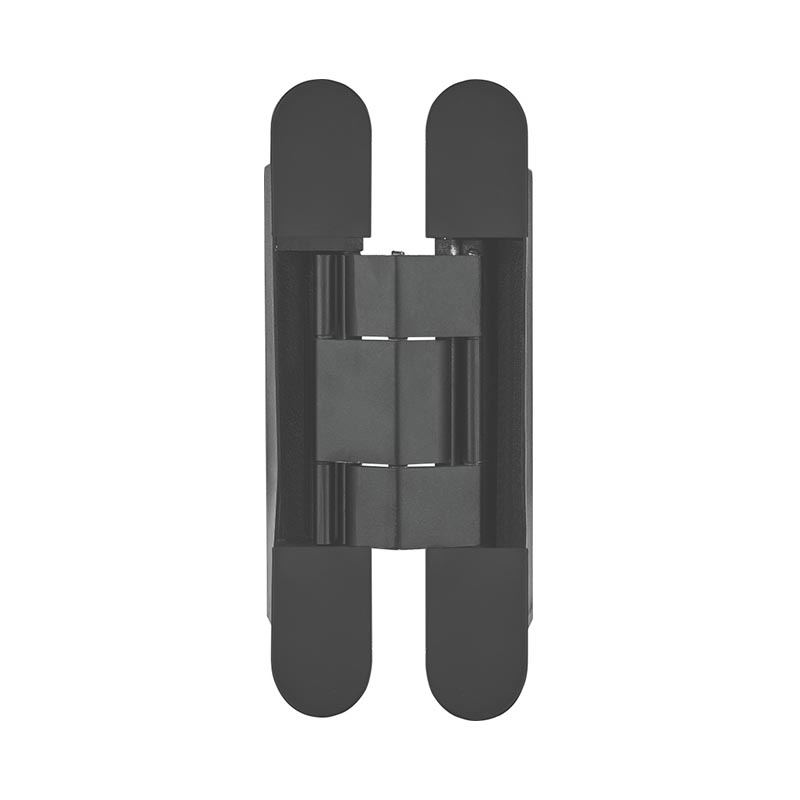
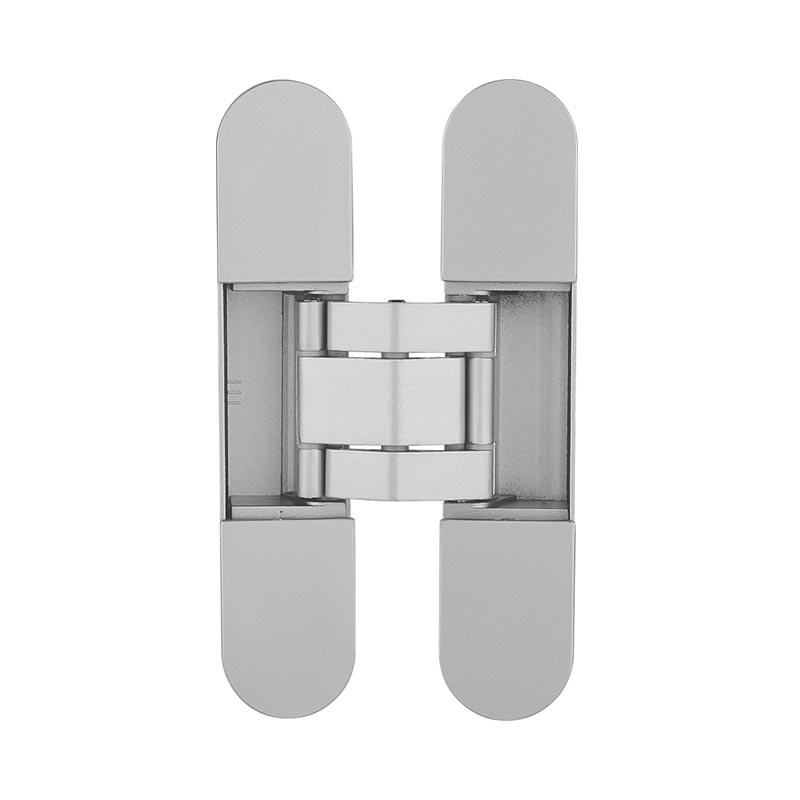
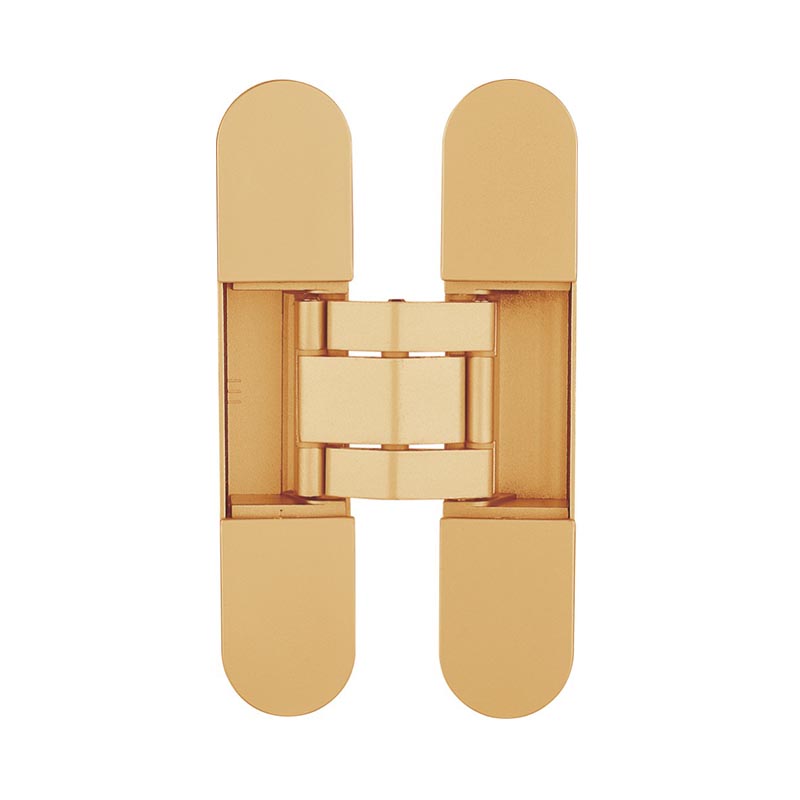
A 3D hydraulic hinge takes a broader approach. It combines several functions within one hinge structure. The door can be adjusted in different directions, while the hydraulic element supports controlled movement during closing.
This changes how the hinge is considered during installation.
Instead of treating the hinge as a passive connection between two parts, installers can view it as an active component of door positioning and movement.
The following comparison gives a simple overview.
| Feature | Conventional Door Hinges | 3D Hydraulic Hinges |
|---|---|---|
| Main Role | Connect the door and frame | Connect, adjust, and support controlled closing |
| Door Adjustment | Often limited by design | Allows adjustment in multiple directions |
| Closing Support | Usually depends on other hardware | Hydraulic mechanism can support closing |
| Installation Approach | Relatively straightforward | Requires attention to adjustment and closing behavior |
| Design Role | Mainly functional | Can contribute to both function and door appearance |
| Hardware Integration | May require separate closing components | Several functions can be combined |
The exact features vary between hinge designs. The general distinction is that hydraulic hinges are intended to handle more than basic door movement.
Door installation is not always as simple as placing a panel inside a frame.
A door may need small positional changes after installation. The panel may need to move slightly in one direction to improve its relationship with the frame. Another adjustment may be needed to improve the gap around the edges.
This is where three-dimensional adjustment becomes useful.
A 3D hinge allows the door position to be managed across multiple directions. Instead of relying only on the original installation position, the installer has more room to refine the fit.
That can be helpful when working with doors where visual alignment matters.
The adjustment concept can be understood through three basic movements:
Side-to-side adjustment
This helps manage the horizontal relationship between the door and frame.
Up-and-down adjustment
This provides a way to refine the vertical position of the door.
In-and-out adjustment
This helps manage the position of the door in relation to the frame depth.
These adjustments do not make every installation problem disappear. The door, frame, and surrounding structure still need to be properly prepared.
However, having more adjustment options can give installers greater flexibility when fine-tuning the final position.
For modern doors, this can be particularly relevant. Clean lines and consistent gaps are often part of the desired appearance. Small alignment differences can therefore become more noticeable.
A hinge with multidirectional adjustment gives the installer another tool for managing those details.
Adjustment is only part of the difference.
The hydraulic feature introduces another function. Instead of allowing the door to move entirely according to its own momentum, the hydraulic mechanism can support a more controlled closing action.
This can change the feeling of the door during everyday use.
A basic hinge allows a door to swing around its pivot point. The final closing behavior may depend on the door's movement, surrounding conditions, and any separate closing device.
A hydraulic hinge can incorporate closing support directly into the hinge.
This creates a more integrated approach.
The door can move through its normal opening path, while the hydraulic mechanism contributes to the closing process. The exact behavior depends on the design, but the general purpose is to make closing more controlled.
This can be useful in locations where a door needs to return toward its closed position without relying entirely on a separate component.
It also changes the way hardware is planned.
With conventional hinges, a project may use a hinge for movement and another device for closing. A hydraulic hinge can bring these functions closer together.
That does not automatically make it suitable for every door. Different door types have different requirements. The key point is that the hydraulic mechanism gives the hinge a more active role.
Combining functions can affect how a door system is planned.
When several components perform separate jobs, each component needs to be considered individually. The hinge needs to work with the door. A closing device needs to work with the door and frame. The appearance of each component may also need to fit the overall design.
A hydraulic hinge can reduce the number of separate functions that need to be considered.
This does not mean that every door project needs fewer components. It means the hinge itself can take on more responsibility.
That can be attractive for projects where a clean appearance matters.
Some modern doors are designed with minimal visible hardware. A large external closing device may not fit the intended appearance. In such cases, integrating closing support into the hinge can create a different design approach.
The concept also gives designers more freedom to think about the door as a complete system.
The hinge is no longer only a small metal connection hidden at the edge of the panel. Its function can influence how the door opens, closes, and sits inside the frame.
This broader role is one reason hydraulic hinges have become an interesting option for modern door hardware planning.
The suitability of a hinge depends on the door design and the needs of the installation.
Hydraulic hinges can be considered in applications where adjustment and controlled closing are both useful.
They may be relevant to interior doors where clean alignment is important. They can also be considered for doors in commercial or public environments where regular closing behavior is desirable.
Other applications may include:
The specific choice should always be based on the door construction and installation requirements.
The advantage of a multifunctional hinge is not that it works everywhere. Its value comes from matching several useful functions with a suitable door application.
This is also where conventional hinges remain relevant.
A basic door that only needs a simple pivoting connection may not require additional functions. A conventional hinge can still be a sensible choice when the project has straightforward requirements.
The difference is therefore about application rather than replacing one hinge type with another in every situation.
Installation is an important part of the discussion because adjustable hardware changes the way installers approach the door.
With a conventional hinge, the initial position of the hinge has a strong influence on the final position of the door. If the door needs adjustment later, the available options depend on the hinge design.
A 3D hydraulic hinge provides more room for fine adjustment after installation.
This can be useful when several doors need to appear consistent. The installer can make small changes to the position of each door rather than depending entirely on the original fitting.
However, additional adjustment also means installers need to understand the hinge before making changes.
The goal should be controlled refinement rather than unnecessary movement.
A practical installation process may involve:
The process is still connected to the quality of the door frame and installation work. A sophisticated hinge cannot compensate for every structural issue.
Its purpose is to provide more control within a properly prepared door system.
Modern interior design often favors simple visual lines.
Large hardware elements can interrupt those lines. Designers may therefore look for ways to keep functional components less noticeable while retaining the functions the door requires.
This is another area where 3D hydraulic hinges can be interesting.
When closing support is integrated into the hinge, there may be less need for a separate visible closing component. The result can be a cleaner appearance around the door.
The hinge itself may still be visible, depending on the design. Yet its compact role can allow the surrounding door area to remain visually simple.
The design relationship between hardware and architecture is becoming more important as doors become part of interior styling.
A door is no longer viewed only as a barrier between two spaces. It can also be part of the visual structure of a room.
Hardware therefore needs to work with that design rather than compete with it.
3D adjustment also contributes to this idea. When the door sits more consistently within its frame, the hardware supports both practical use and visual order.
Small alignment details can have a noticeable effect on the overall appearance of a doorway.
Not necessarily.
The two hinge types serve different needs.
Conventional hinges remain useful because they provide a simple solution for doors that do not require additional functions. They are familiar, practical, and available in many designs.
3D hydraulic hinges make more sense when adjustment and controlled closing are important parts of the door system.
The choice should therefore begin with the door rather than the hinge.
Consider the construction of the door, the frame, the desired opening and closing behavior, the appearance of the hardware, and the level of adjustment that may be needed.
A simple project may call for a simple hinge.
A more demanding door design may benefit from a hinge that combines several functions.
This difference also reflects a wider change in hardware design. Door components are increasingly being developed around complete use rather than a single isolated task.
A hinge can support movement. It can help manage alignment. It can contribute to closing behavior. It can also influence the visual relationship between the door and its surroundings.
That makes the choice of hinge part of the broader door design process.
The question is no longer only whether a hinge can hold a door in place. It is also about how much control, adjustment, and integration the door system needs.

No.123, Kaixuan road, yunshan street, lanxi city, jinhua city, zhejiang province, china

+86-18066248602

+86-579-88864580

+86-579-88864581

Copyright © 2024 Lanxi Maya Hardware Co., Ltd. All Rights Reserved. Privacy Policy

Hydraulic Door Hinges Hardware Factory