Fire doors have a practical role in building design. They separate spaces while allowing people to move through the building during normal use. When a door is opened, it needs to move smoothly enough for everyday access. When released, it may also need to return toward its intended closed position as part of the complete door assembly.
This is where door hardware becomes important.
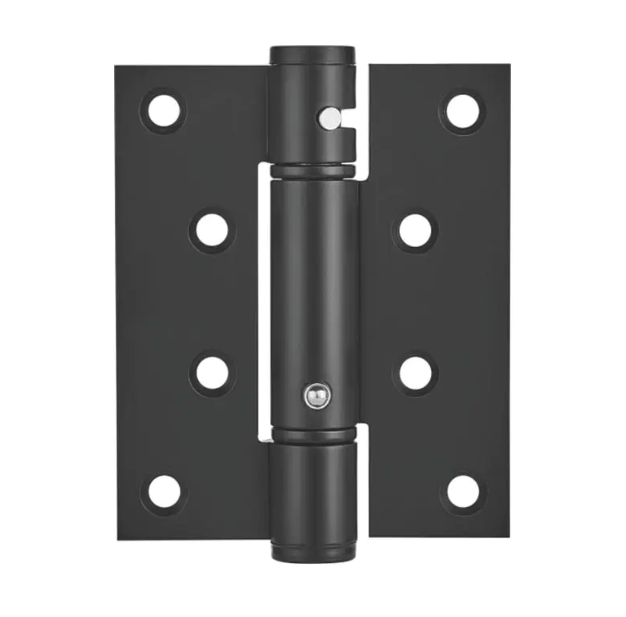
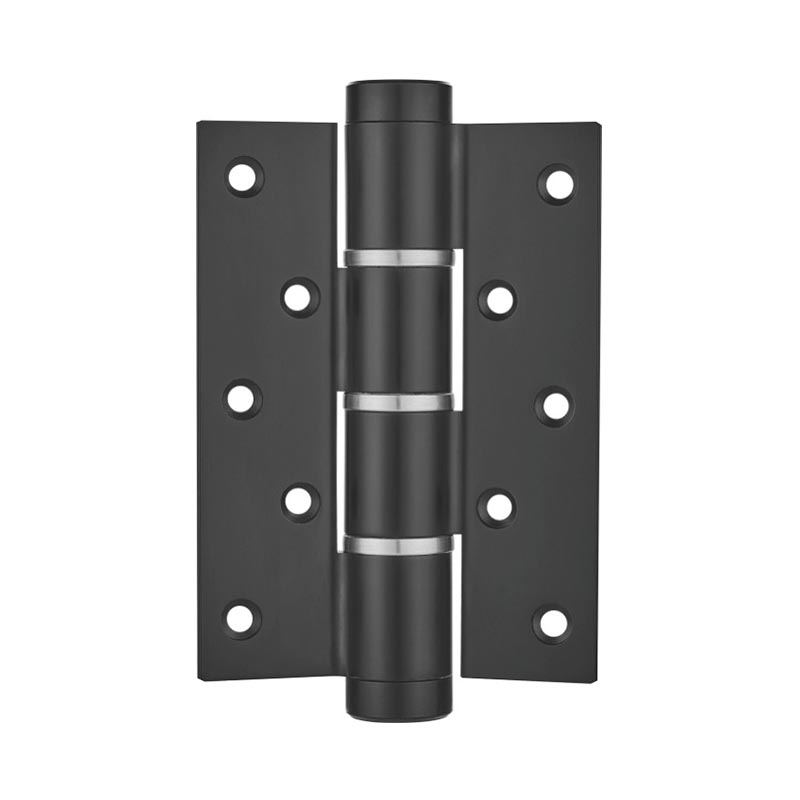
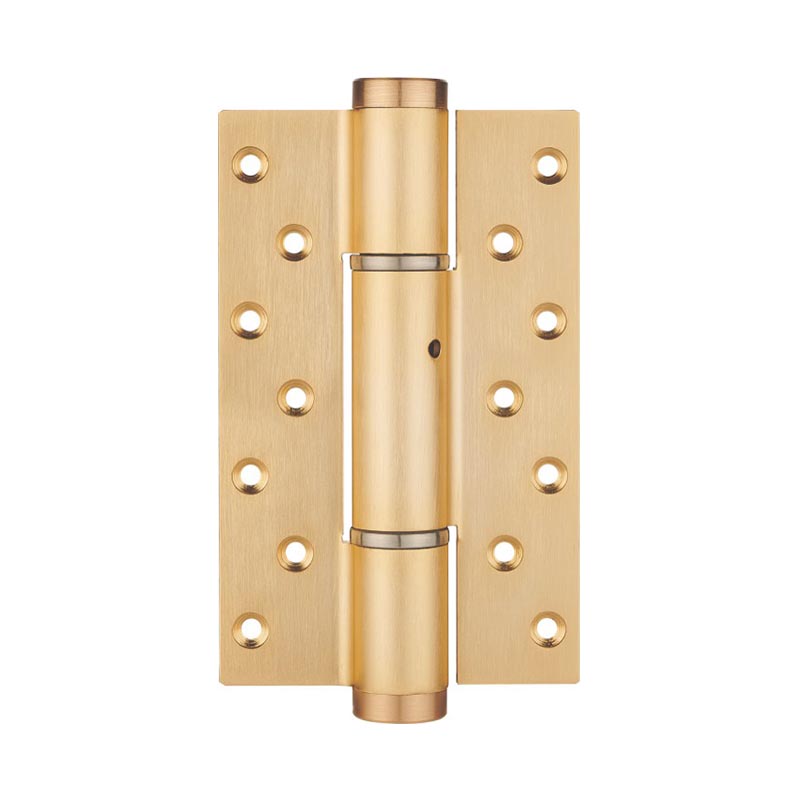
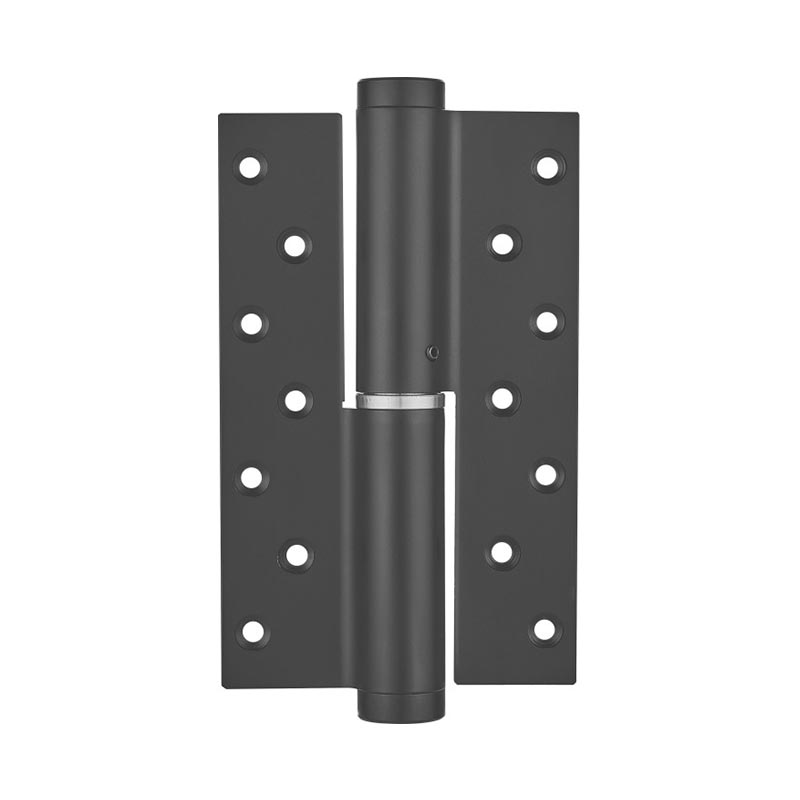
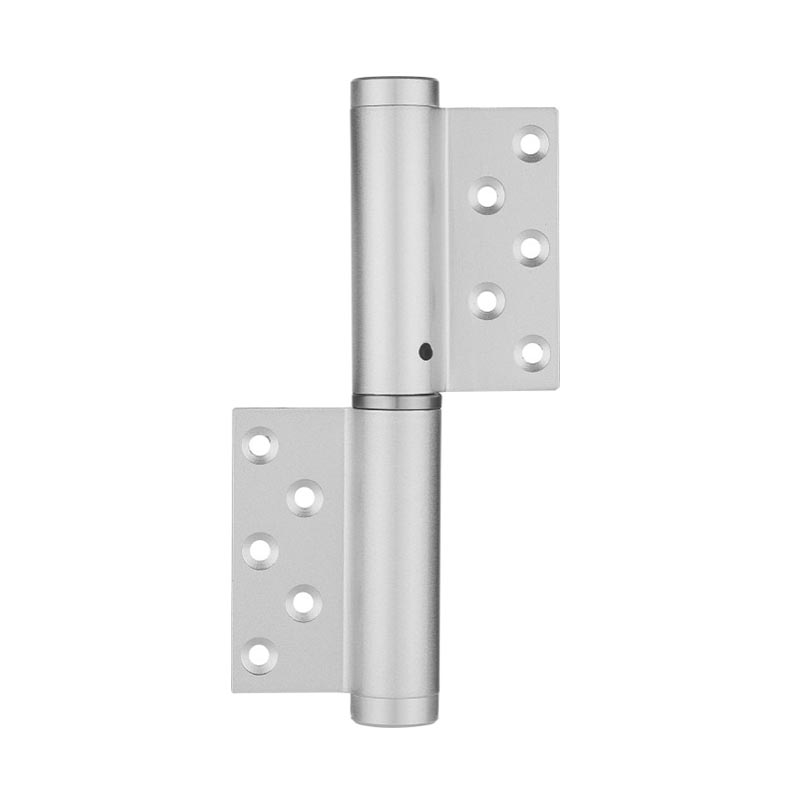
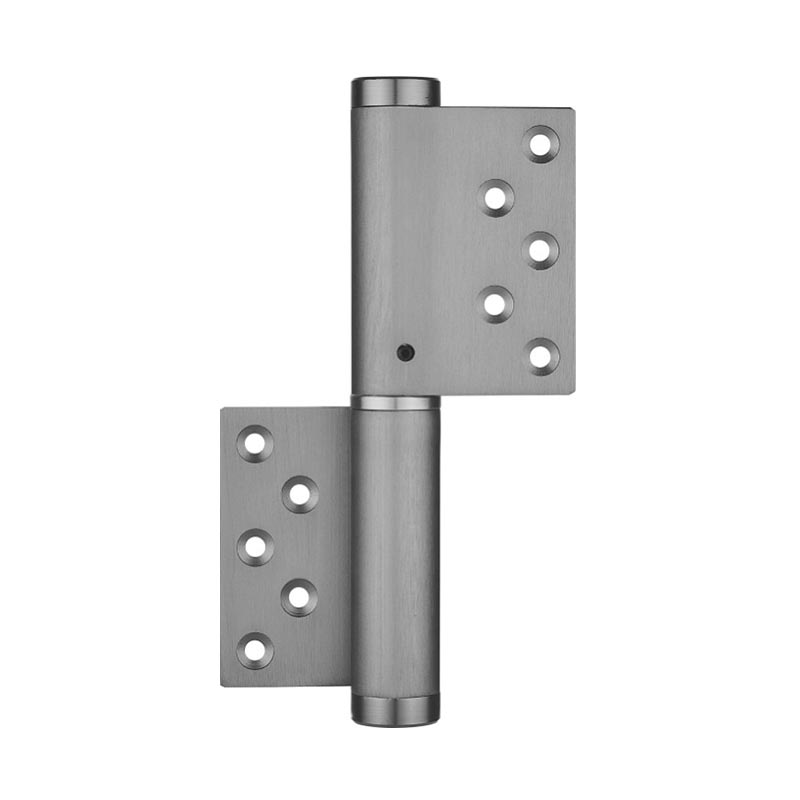
Sprung fire door hinges combine hinge movement with spring action. They can help a door move and return without relying on a separate closing arrangement in some designs. Their role is not simply to connect the door leaf to the frame. They can also influence how the door behaves during ordinary operation.
However, a hinge should never be considered separately from the complete fire door assembly. Fire doors, frames, hinges, seals, closers, and other hardware may need to meet applicable building and fire safety requirements as a coordinated system.
As building projects continue to use different door layouts, the need for suitable hardware remains relevant. Hinges can provide one practical option for applications where functional movement and fire door requirements need to be considered together.
A fire door is still a door during everyday building use.
People need to pass through it. Staff may open it repeatedly. Equipment may need to move between spaces. In some locations, the door may remain closed most of the time and only be opened when access is required.
These different situations place attention on the door's movement.
A door that is difficult to operate can affect daily convenience. A door that does not return to its intended position may also affect the way the complete door system functions.
The hinge is one part of this process.
A conventional hinge mainly provides a pivoting connection between the door and frame. A sprung hinge adds spring action to that movement. Depending on its design and adjustment, this action can assist the door as it moves toward its resting position.
The actual performance depends on the complete installation.
| Fire Door Hardware Element | General Role |
|---|---|
| Door Leaf | Provides the physical barrier between spaces |
| Frame | Supports the door and hardware |
| Hinges | Connect the door to the frame and allow movement |
| Sprung Hinges | Add spring-assisted movement to the hinge function |
| Door Closer | May provide controlled closing where required |
| Seals | Help support the intended performance of the door assembly |
| Latch or Locking Hardware | Helps keep the door in its intended position |
This relationship explains why hardware selection should be considered during the design stage rather than after the door has already been installed.
The main difference between a standard hinge and a sprung hinge is the additional spring action.
As the door moves, the spring mechanism responds to that movement. The stored force can then assist the door as it moves back toward its resting position.
The effect can be useful for doors that need regular access but should not simply remain open.
A person can open the door when passing through. After release, the spring action can help move the door back toward its closed position, depending on the hinge design and installation.
This can create a more functional daily experience.
The movement should still be considered carefully. A door should not be treated as though every sprung hinge will provide the same behavior. Different products have different construction and intended applications.
The door itself also matters.
Its size, weight, frame arrangement, hardware combination, and installation condition can all affect movement.
For this reason, the hinge should be selected as part of the complete door design.
Fire doors are used in many building areas.
They can appear in offices, commercial properties, residential buildings, institutional facilities, service areas, and other locations where fire-rated door assemblies are required.
The appearance and construction of the doors can vary.
Some may be simple internal doors. Others may form part of a larger corridor or access arrangement.
Hinges can be considered for different door designs when the hinge is suitable for the particular door assembly and its applicable requirements.
Potential considerations include:
The word "compatible" is important.
A hinge that works for one fire door does not automatically work for every fire door. Fire-rated assemblies are normally tested, assessed, or approved with particular components and installation conditions.
Changing hardware without checking compatibility can affect the intended performance of the assembly.
That is why project designers and installers should follow the applicable product documentation and local requirements.
The two hinge types share the basic purpose of connecting a door to its frame. The main difference is the way they contribute to door movement.
A standard hinge allows the door to pivot. It does not normally provide the same spring-assisted return function.
A sprung hinge incorporates spring action into the hinge.
| Feature | Sprung Fire Door Hinge | Standard Door Hinge |
|---|---|---|
| Basic Connection | Connects door and frame | Connects door and frame |
| Door Movement | Allows pivoting with spring assistance | Allows pivoting |
| Return Action | Can assist movement toward the resting position | Normally relies on other hardware |
| Hardware Role | Combines hinge and spring function | Primarily provides the pivot |
| Design Consideration | Requires attention to spring action and compatibility | Focuses on hinge fit and movement |
| Application | Suitable where the product is approved for the intended fire door use | Depends on the door assembly and application |
This does not mean that a sprung hinge should replace every other type of door-closing hardware.
Some fire door systems require a dedicated door closer or another approved closing arrangement. The correct choice depends on the door design, applicable requirements, and tested or approved configuration.
The practical value of a sprung hinge comes from combining two functions in one component where that arrangement is suitable.
People often notice a fire door only when something feels unusual.
A door may be difficult to open. It may move too quickly. It may fail to return properly. It may rub against the frame or surrounding surface.
These problems are not necessarily caused by the hinge alone.
Installation alignment, frame condition, door condition, seals, latches, and other hardware can all affect operation.
Still, hinge selection remains important.
A hinge should support the intended door movement without creating unnecessary resistance. The spring action should also be appropriate for the door and its installation.
This is especially relevant in busy buildings.
An office door may be opened many times during a working day. A service door may experience frequent movement by staff. A residential fire door may be handled by different occupants.
The door needs to remain practical for normal users while maintaining the intended function of the complete assembly.
Good hardware selection therefore begins with understanding how the door will actually be used.
A suitable hinge should match more than the appearance of the door.
Several factors deserve attention during selection.
Door Construction
The hinge should be compatible with the door leaf and frame.
Different door constructions can have different hardware requirements. The manufacturer's installation guidance should be checked before selection.
Door Weight and Movement
The hinge needs to support the intended movement of the door.
A spring mechanism that is unsuitable for the door can affect everyday operation.
Number and Position of Hinges
The hinge arrangement needs to suit the door and frame.
Positioning can affect alignment and movement. Installation should follow the requirements provided for the selected product and door assembly.
Fire Door Compatibility
This is a key consideration.
A hinge being described as a "fire door hinge" does not by itself establish that it is suitable for every fire-rated door.
The complete assembly should be checked against the relevant certification, testing, listing, or local regulatory requirements.
Installation Environment
Moisture, dust, temperature, traffic, and other conditions may affect hardware selection.
A door installed in a dry interior area can have different requirements from one exposed to a demanding environment.
Maintenance
Moving hardware needs periodic inspection.
Hinges should be checked for signs of wear, loose fixings, unusual movement, or other issues. Maintenance procedures should follow the applicable door and hardware guidance.
These factors help move the selection process away from simply choosing a hinge based on appearance or price.
The flexibility of fire door designs means that hardware needs can vary from one building to another.
In an office, the focus may be on frequent movement between work areas. In a residential building, the door may be part of a shared circulation area. In a commercial facility, access patterns can depend on staff movement and building layout.
The hinge is one small part of these larger systems.
| Building Application | Possible Door Use | Hardware Consideration |
|---|---|---|
| Office Buildings | Internal circulation | Regular opening and closing |
| Residential Buildings | Shared or internal access | Everyday usability |
| Commercial Buildings | Staff and public access | Frequent operation |
| Service Areas | Utility and maintenance access | Practical handling |
| Institutional Buildings | Room and corridor access | Consistent door operation |
| Industrial Buildings | Internal fire-rated access | Environment and hardware compatibility |
The same hinge should not automatically be used across all these applications.
Each door should be reviewed according to its construction and intended use.
This is particularly important where fire-rated performance is involved.
A door assembly may have been tested with specific hinges or hardware combinations. Replacing those components with an alternative product can require additional verification.
Even a suitable hinge can perform poorly when installed incorrectly.
Alignment is important.
The door should sit correctly within the frame. The hinges should be securely fixed. The spring action should be adjusted only according to the product instructions.
A poorly aligned door can create resistance during opening and closing. It may also place unnecessary stress on the hardware.
Installation should therefore follow the relevant manufacturer's instructions and the requirements of the fire door assembly.
Professional installation can be particularly important for fire-rated doors because the performance of the door depends on the complete system.
A simple installation checklist can include:
The purpose is not simply to make the door move.
The aim is to ensure that the door and its hardware work together as intended.
Sprung fire door hinges can provide a practical hardware option where a fire door requires hinge movement with spring assistance. Their usefulness comes from combining the basic pivoting role of a hinge with an additional return action.
At the same time, fire performance cannot be judged from the hinge alone. The door leaf, frame, seals, closing devices, latches, hinges, and installation all form part of the wider system.
For building designers, contractors, and facility teams, this makes compatibility an important part of hardware selection. A suitable sprung hinge needs to match the door design, installation conditions, movement requirements, and applicable fire safety documentation.
When these factors are considered together, hinge selection becomes part of a broader approach to practical fire door operation rather than a simple hardware purchase.

No.123, Kaixuan road, yunshan street, lanxi city, jinhua city, zhejiang province, china

+86-18066248602

+86-579-88864580

+86-579-88864581

Copyright © 2024 Lanxi Maya Hardware Co., Ltd. All Rights Reserved. Privacy Policy

Hydraulic Door Hinges Hardware Factory



 English
 Español
 русский