Access panels are easy to overlook. They may sit on a floor, wall, ceiling, platform, or equipment enclosure. Yet when maintenance is needed, these small openings can become important points of access.
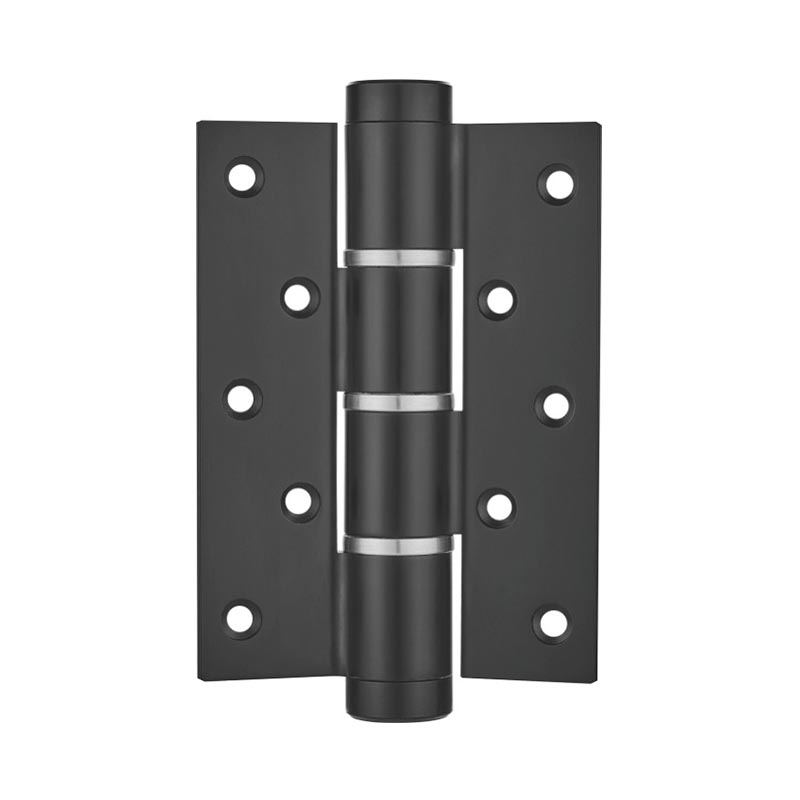
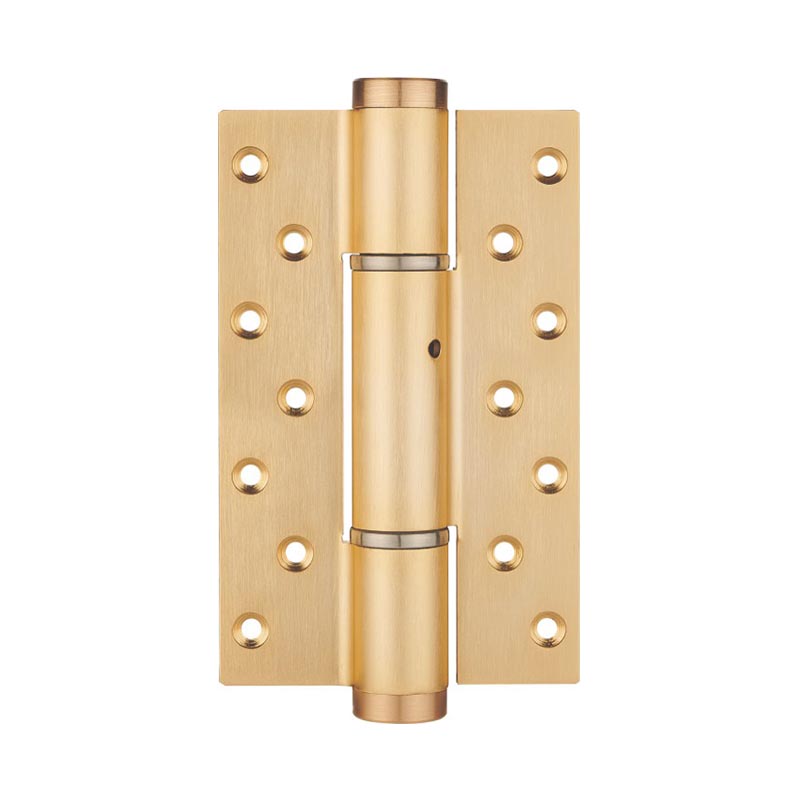
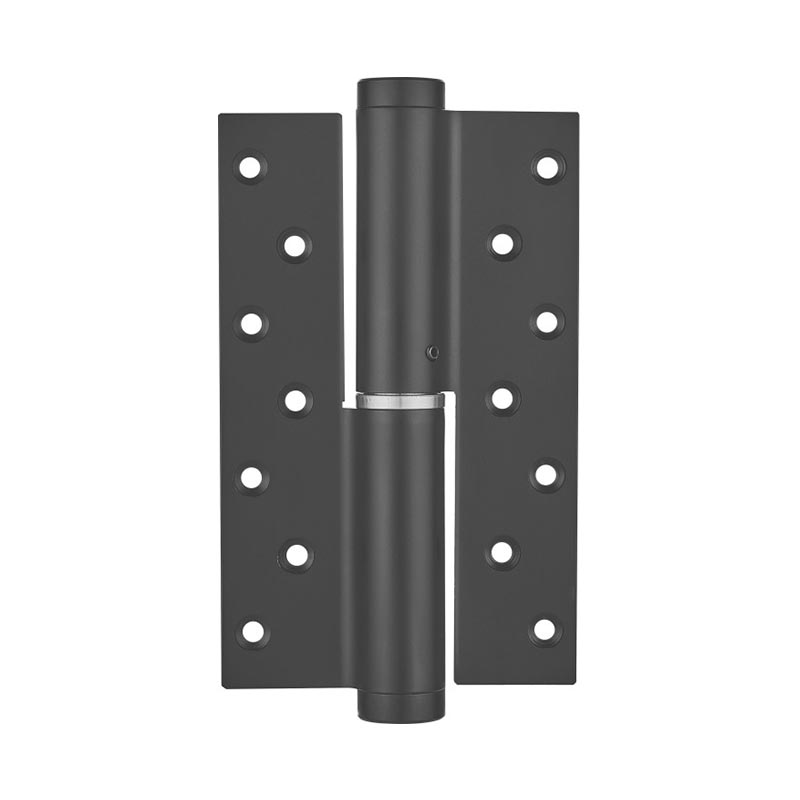
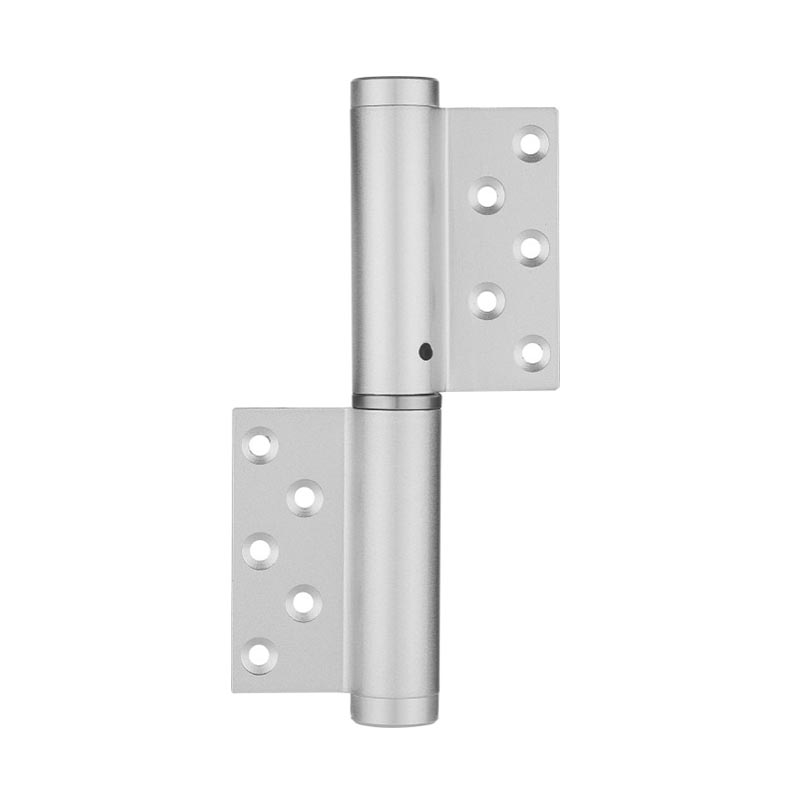
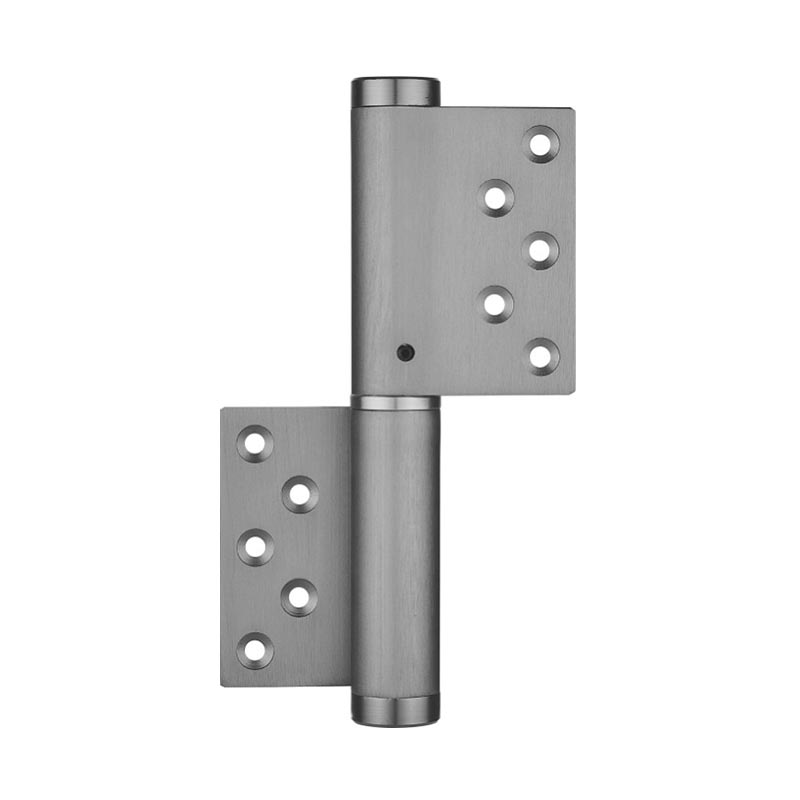
The hinge used on an access panel can influence how the panel opens, closes, and stays connected to its surrounding structure. For designs that need some assistance with movement, trap door spring hinges can provide a practical option.
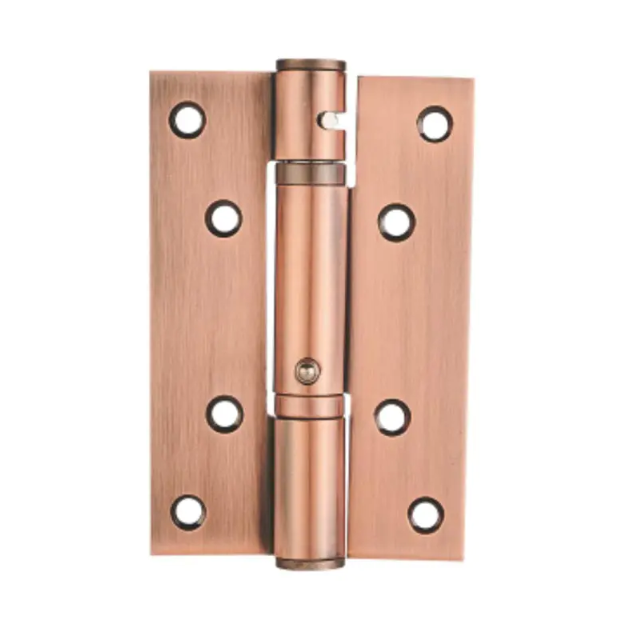
Their use is not limited to one type of trap door. Access panels can vary in shape, position, material, and purpose. Some are opened often. Others remain closed for long periods and are used only when inspection or maintenance is required.
This variety means hinge selection needs to follow the panel design rather than rely on a single standard arrangement.
Trap door spring hinges can fit different access panel designs when their movement, installation space, and supporting function match the requirements of the panel.
An access panel may look simple, but its operating conditions can vary considerably.
A small indoor panel can be easy to lift by hand. A larger floor panel may require a different approach. A panel located in a confined space may also have limited room for hinge movement.
The position of the panel changes the way it is used.
A horizontal panel is often opened upward. A vertical access door may move sideways. A ceiling panel can involve another opening direction.
The hinge must work with that movement.
| Access Panel Design | Typical Design Consideration | Possible Hinge Requirement |
|---|---|---|
| Floor Access Panel | Panel needs to open upward | Supports controlled panel movement |
| Wall Access Panel | Limited surrounding space | Fits the available opening area |
| Ceiling Access Panel | Panel position affects handling | Supports practical opening and closing |
| Utility Access Panel | May require regular inspection | Allows repeated panel movement |
| Hidden Access Panel | Appearance may be important | Can support a less noticeable installation |
| Equipment Access Panel | Space may be restricted | Needs to suit the enclosure design |
There is no single hinge arrangement that suits every application.
This is why spring hinges are often considered as part of the overall panel design rather than as an isolated component.
Floor access panels are one of the most recognizable applications for trap door designs.
They can provide access to areas below a finished floor. These areas may contain utilities, storage spaces, inspection points, or other structures that require occasional access.
A floor panel usually needs to remain relatively flat when closed. The hinge therefore has to work without interfering with the surrounding surface.
When the panel is opened, the hinge can help manage its movement. A spring-assisted design may also reduce some of the effort associated with moving the panel, depending on the design and spring action.
The surrounding area matters as well.
A hinge should not create unnecessary interference with nearby flooring, trim, or structural elements.
The panel itself may also have different construction styles. Some designs are lightweight and decorative. Others may be built for more demanding environments.
This means the hinge should be selected with the complete access system in mind.
For floor applications, designers can consider:
Opening direction
The hinge needs to support the way the panel is intended to open.
Available space
The surrounding floor area should allow the hinge and panel to move properly.
Panel construction
The hinge should suit the structure and mounting method.
Frequency of access
A frequently used access point may require a different approach from a panel used only during maintenance.
These considerations can help create a more practical installation.
Wall access panels have different movement requirements from floor traps.
A wall panel may open outward or inward. The available space in front of the panel can also affect the design.
In some cases, the panel needs to remain visually discreet. This is common when the access point is installed in a finished wall or within a decorative area.
A spring hinge can support the opening and closing movement while remaining part of the overall panel structure.
The hinge position matters.
If the surrounding wall has limited clearance, the hinge should not force the panel into an unsuitable path. The mounting area also needs to provide enough room for secure installation.
Wall access panels can be used for different purposes. They may provide access to plumbing, electrical areas, ventilation spaces, storage compartments, or building maintenance points.
The appearance of the panel may vary, but the basic requirement remains similar.
The panel needs to open when access is required and close when the work is complete.
A suitable hinge can help support that repeated movement.
Ceiling access creates another set of design considerations.
A ceiling panel is located above the user, so movement needs to be considered carefully. The panel should not move unpredictably when opened or closed.
A spring hinge can provide assistance with movement when properly matched to the panel design.
The hinge does not replace safe handling practices. Instead, it becomes part of the mechanical arrangement that connects the panel to the surrounding structure.
Ceiling access panels may also have limited installation space.
Nearby framing, ducts, pipes, or other building elements can affect where the hinge can be placed.
For this reason, designers often need to consider the full movement path of the panel before choosing the hinge.
A useful approach is to examine the panel while it is both closed and fully opened.
This can reveal whether the hinge has enough room to operate without contacting nearby components.
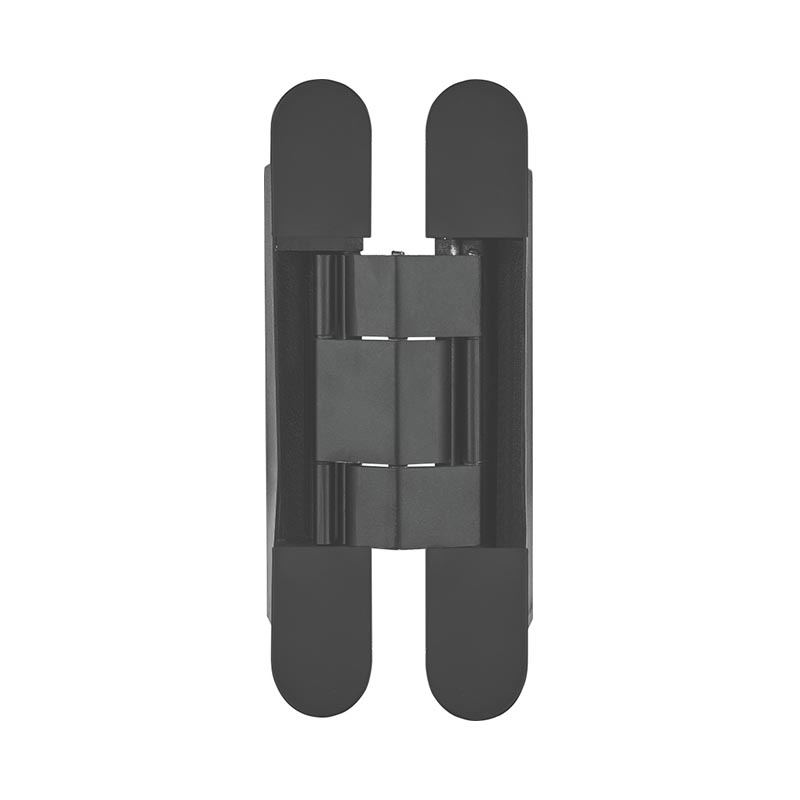
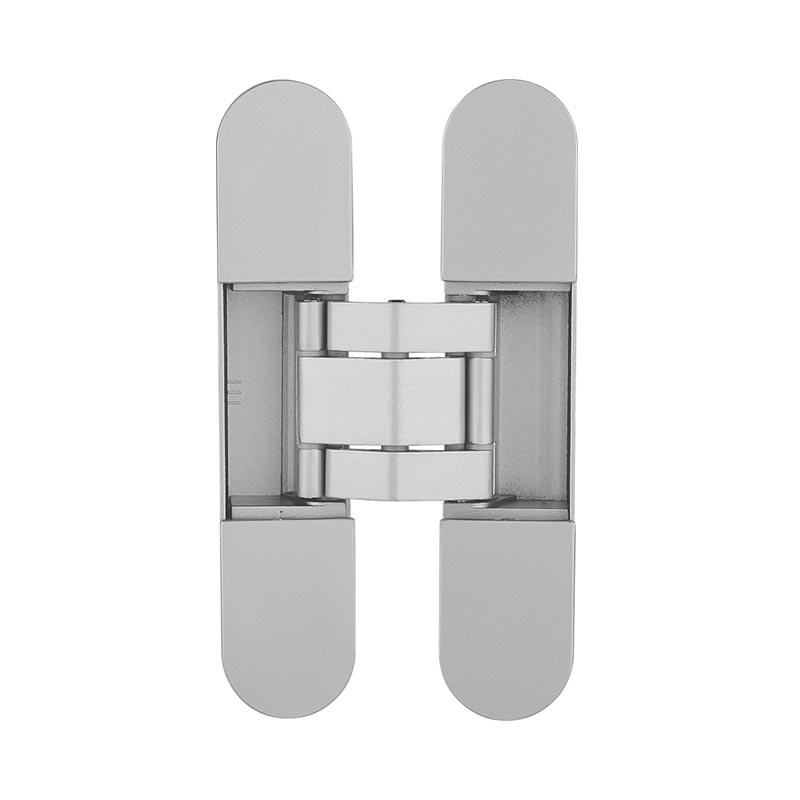
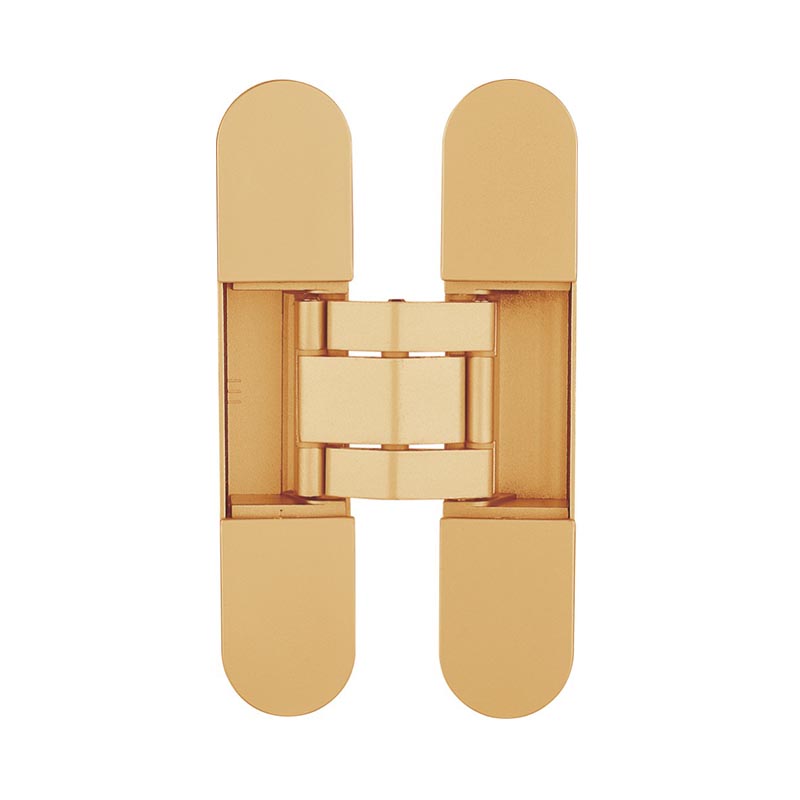
Hidden access panels are designed to blend into their surroundings.
The panel may be placed within a wall, floor, cabinet, platform, or other structure. Its purpose is to provide access without drawing unnecessary attention.
In these applications, hinge selection can affect both function and appearance.
A visible hinge can interrupt an otherwise clean surface. A suitable hinge arrangement can help keep the hardware less noticeable, depending on the panel design.
Spring action can also support convenient movement.
When the access panel needs to be opened, the hinge assists with the movement according to its design. When closed, the panel can return to its intended position.
The visual result depends on many factors.
The panel surface, frame, mounting position, hinge size, surrounding finish, and opening method all contribute to the final appearance.
A hidden access panel therefore needs more than a concealed-looking hinge. The complete system should be planned around the surrounding structure.
| Hidden Panel Consideration | Why It Matters |
|---|---|
| Hinge Position | Influences the visible appearance |
| Panel Alignment | Helps maintain a consistent surface |
| Opening Path | Prevents interference with nearby structures |
| Mounting Space | Supports practical installation |
| Closing Movement | Helps the panel return to its intended position |
| Surrounding Finish | Influences how noticeable the access point appears |
This makes spring hinges useful in situations where function and appearance need to work together.
Access panels can be made from many materials.
Metal panels may be used in industrial or utility settings. Wood-based panels can appear in floors, walls, cabinets, and interior structures. Composite materials may also be selected for particular applications.
The material affects the hinge installation.
A hinge mounted to a rigid metal panel may require a different mounting arrangement from one installed on a wooden panel.
The panel thickness and construction also matter.
A hinge needs suitable support from the structure around it. If the mounting area cannot support the hinge properly, the panel may not operate as intended.
The material should therefore be considered together with:
This approach helps avoid treating the hinge as a separate component.
The hinge and access panel work as a system.
Access panels come in many shapes and sizes.
A small inspection door may need only a simple hinge arrangement. A larger panel can create more demanding movement conditions.
The larger the panel, the more important it becomes to consider how the hinge supports the complete structure.
A single hinge may not always provide the desired movement or support. Some panel designs may use multiple hinge points to distribute movement across the panel.
The exact arrangement depends on the design.
Panel size also affects the available installation space. A hinge may need to fit within a narrow frame or remain clear of nearby structures.
This is especially relevant for floor and ceiling panels.
A panel can appear to have enough room when closed but encounter obstacles as it opens.
Checking the entire movement path can help identify potential problems before installation.
The important question is not simply, "Will the hinge fit?"
A more useful question is, "Will the hinge and panel move together as intended throughout the opening process?"
Choosing a spring hinge involves more than checking whether it can be physically attached to the panel.
The hinge should match the access panel's actual use.
1. Panel Movement
Determine how the panel needs to open and close.
The hinge should support that direction without creating unnecessary interference.
2. Panel Construction
Look at the material, frame, mounting surface, and overall structure.
A suitable hinge needs adequate support from its mounting location.
3. Available Space
Measure the surrounding area conceptually before installation. Consider both the closed and open positions.
A hinge that fits when the panel is closed may still create problems during movement.
4. Spring Action
The spring function should match the intended movement of the panel.
Too much assistance may make movement difficult to manage. Too little assistance may not provide the desired support.
The correct choice depends on the complete panel design.
5. Frequency of Use
A maintenance panel that is opened occasionally may have different requirements from an access door that is handled regularly.
The expected use should be part of the selection process.
6. Environment
Moisture, dust, temperature, and other surrounding conditions can influence the choice of hinge material and construction.
The installation environment should be considered before purchase.
7. Appearance
For visible access panels, the hinge's appearance may matter.
For hidden panels, designers may prefer an arrangement that blends into the surrounding structure.
These factors can make the selection process more focused.
Access panels appear across many environments because buildings and equipment need maintenance points.
Residential spaces may use floor or ceiling access panels. Commercial buildings can include panels for utilities and maintenance. Industrial environments may require access doors around machinery, storage areas, and service structures.
The same hinge concept can serve different purposes in each setting.
A residential floor panel may focus on convenient everyday handling. A commercial utility panel may prioritize repeated access. An industrial access door may need to suit a more demanding environment.
The panel design changes.
The surrounding conditions change.
The operating requirements change.
The hinge must therefore be selected according to the application rather than simply based on its name.
| Application Area | Possible Access Panel Use | Design Focus |
|---|---|---|
| Residential | Floor or storage access | Convenient handling |
| Commercial | Utility and service access | Repeated operation |
| Industrial | Equipment and service areas | Functional access |
| Hospitality | Hidden maintenance points | Function and appearance |
| Retail | Storage and service access | Space and presentation |
| Institutional | Building maintenance access | Practical operation |
This range of uses explains why trap door spring hinges can be found in different panel designs.
Their role is not limited to one type of door.
It is about supporting a panel's movement within its intended environment.
The growing variety of access panel designs gives hinge manufacturers and system designers more opportunities to develop solutions around specific installation needs. A floor panel, wall panel, ceiling panel, and hidden access door may look different, but each requires a connection that supports its intended movement.
Trap door spring hinges can fit these different designs when their spring action, mounting arrangement, size, material, and movement path are properly matched to the panel.
For designers and buyers, the most useful starting point is the access panel itself. Understanding where it is installed, how it opens, how often it is used, and what surrounds it can make hinge selection more practical.

No.123, Kaixuan road, yunshan street, lanxi city, jinhua city, zhejiang province, china

+86-18066248602

+86-579-88864580

+86-579-88864581

Copyright © 2024 Lanxi Maya Hardware Co., Ltd. All Rights Reserved. Privacy Policy

Hydraulic Door Hinges Hardware Factory



 English
 Español
 русский