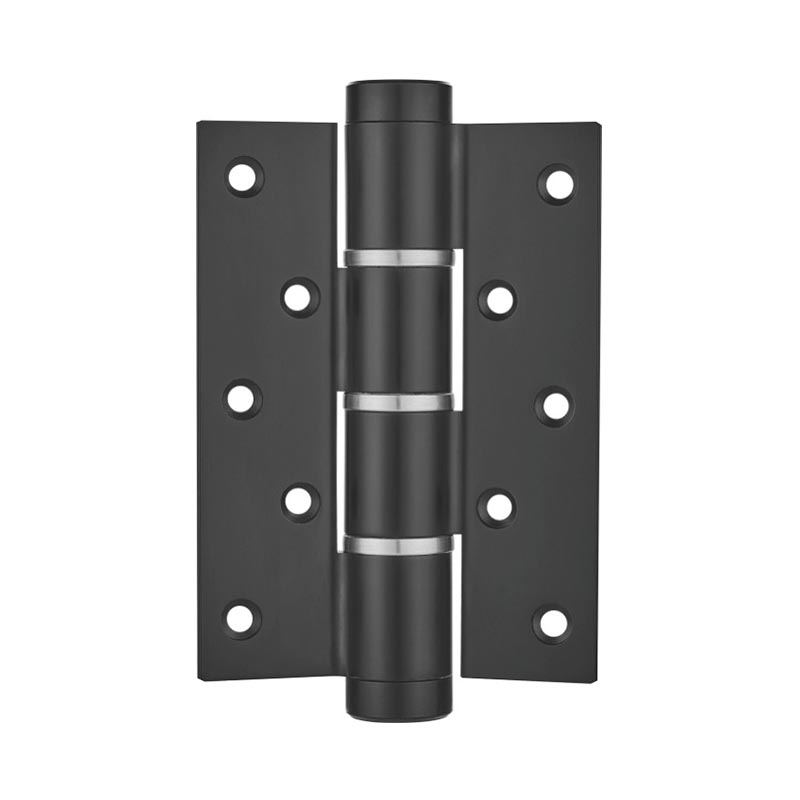
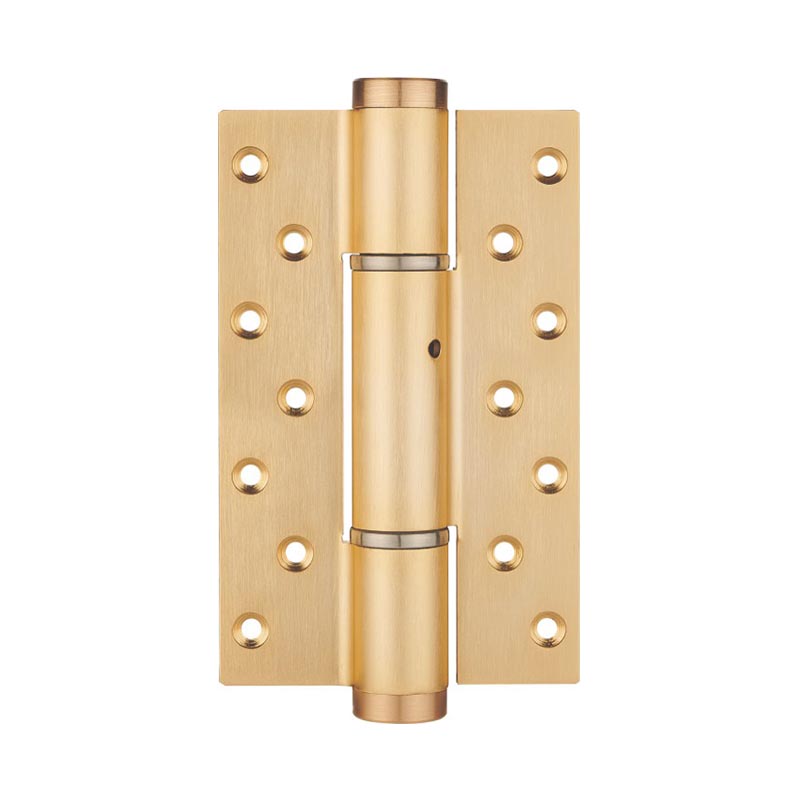
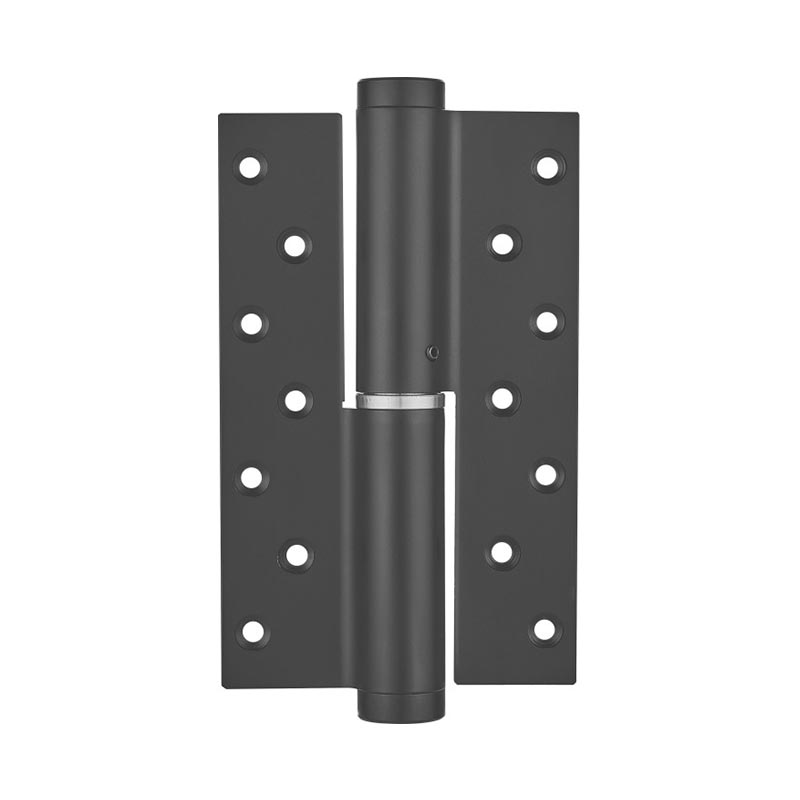
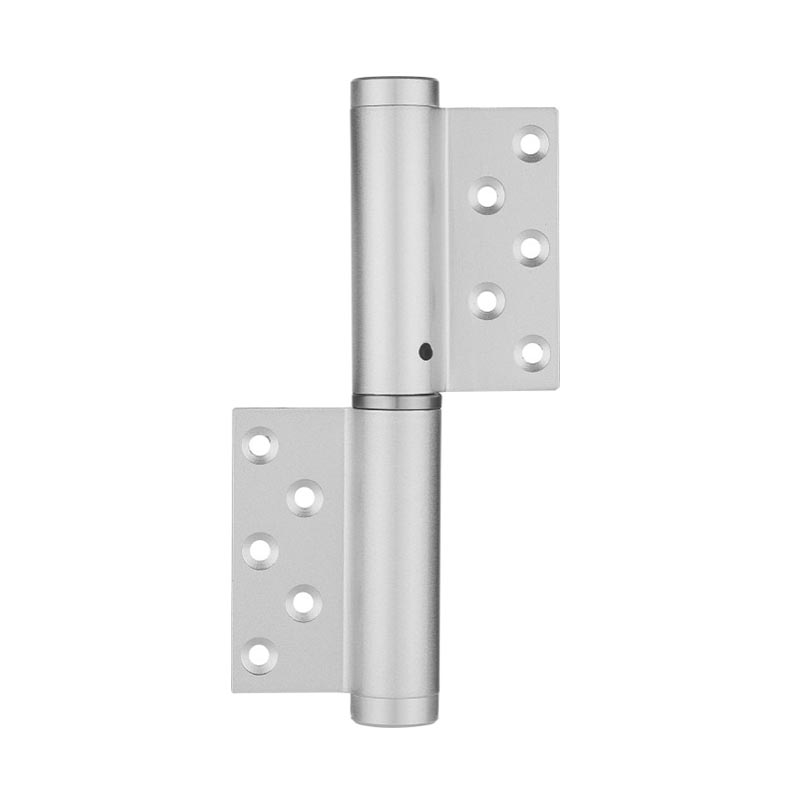
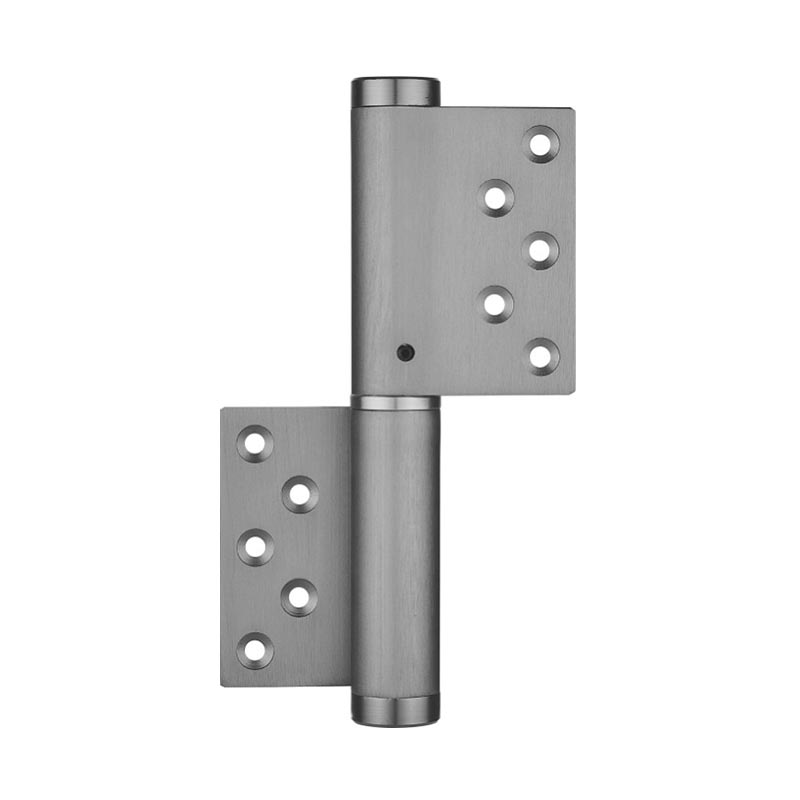
SS spring hinges are used in many different building environments, mostly in places where doors are expected to close on their own after being opened. At first glance, the component looks simple, but in daily use it quietly affects how smoothly people move through spaces.
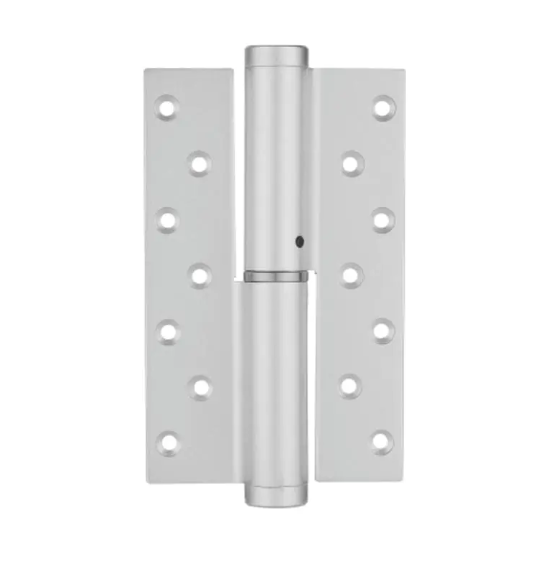
Unlike standard hinges, the internal spring changes how a door behaves. It adds a returning force, so the door does not rely only on manual closing. That small function makes it suitable for a wide range of locations where doors are frequently used.
Doors in real environments are rarely used in a controlled way. People move in and out, sometimes quickly, sometimes carrying items, sometimes without paying attention to whether the door is fully closed.
This is where SS spring hinges become practical. They reduce the need for repeated manual closing. Once the door is pushed open and released, it naturally returns to a closed position.
The stainless steel material also matters. Many installation areas are not stable environments. Humidity, temperature changes, and frequent contact can affect hardware over time. Stainless steel helps the hinge keep its function under these conditions.
So the use is less about design preference and more about everyday behavior of doors.
In residential spaces, SS spring hinges are not typically used on main entrance doors. Instead, they are more common on internal doors where movement happens often during the day.
Typical examples include:
These are spaces that are entered and exited frequently, sometimes without much attention to closing the door properly. A spring hinge helps keep things more consistent without requiring extra action.
Bathrooms are one of the most common places. Doors there are opened repeatedly in short intervals, and automatic closing becomes a simple but useful feature.
In office environments, door movement is constant. People move between rooms, attend meetings, or pass through shared areas throughout the day.
SS spring hinges are often found on:
One common situation is leaving doors slightly open during busy movement. With spring hinges, the door naturally returns to a closed position, which helps maintain a more organized environment.
In meeting rooms, for example, it also supports privacy without requiring someone to remember closing the door every time.
The effect is small but noticeable in daily office flow.
Hospitality spaces deal with continuous traffic. Doors are rarely used by one person alone; they are used by guests, staff, and service personnel throughout the day.
SS spring hinges are often installed in:
In hotels, door closing behavior affects guest experience. A door that stays open can feel unfinished or inconvenient. A spring hinge keeps it returning to a closed state without extra effort.
In restaurants, especially between kitchen and dining areas, movement is fast. Staff often carry items or move quickly. Automatic closing helps maintain separation between zones without slowing down activity.
It is not about visibility. It is about smooth operation behind the scenes.
Industrial spaces are less about appearance and more about function. Doors often separate working zones, storage areas, or equipment spaces.
SS spring hinges are commonly installed on:
In these environments, doors may be opened frequently during operations. Leaving them open can disrupt workflow or expose areas that should remain separated.
A spring hinge helps the door return to position automatically, reducing small interruptions during work.
The stainless steel material also handles dust, moisture, and repeated use better than lighter alternatives.
Moisture changes how hardware behaves over time. Bathrooms, showers, and wash areas are environments where humidity is constant.
SS spring hinges are often chosen for:
In these spaces, doors are used repeatedly in short cycles. After each use, they need to return to a closed position without effort.
Stainless steel is commonly selected because it handles moisture exposure better than standard materials. The spring mechanism also continues working even with frequent movement.
So the combination of material and function makes it suitable for these areas.
Schools and public facilities have one thing in common: constant door activity from many users.
SS spring hinges are typically installed in:
In these environments, doors are opened and closed throughout the day by different people. Sometimes they are left open simply due to distraction or movement flow.
Spring hinges reduce that inconsistency. The door returns to a closed position automatically, helping maintain order in shared spaces.
The effect is subtle, but it improves daily movement without requiring attention from users.
Even though the hinge itself is a simple component, where it is installed influences how it behaves over time.
A door in a quiet office is used differently from one in a busy restaurant kitchen. A bathroom door has different conditions compared to a storage room door.
So installation is usually based on:
These factors influence how long the hinge maintains smooth operation and how often it is used in daily cycles.
In practice, the same product can feel slightly different depending on environment.
SS spring hinges do not draw attention. Most people do not notice them directly. What they change is behavior.
Doors close on their own instead of staying open. Movement between spaces becomes more consistent. Small interruptions caused by open doors are reduced.
In busy environments, this kind of quiet function matters more than it seems. It supports flow without adding complexity.
Whether in homes, offices, hotels, or industrial spaces, the role is similar. It is about helping doors behave in a predictable way during everyday use, without requiring extra action from users.

No.123, Kaixuan road, yunshan street, lanxi city, jinhua city, zhejiang province, china

+86-18066248602

+86-579-88864580

+86-579-88864581

Copyright © 2024 Lanxi Maya Hardware Co., Ltd. All Rights Reserved. Privacy Policy

Hydraulic Door Hinges Hardware Factory



 English
 Español
 русский