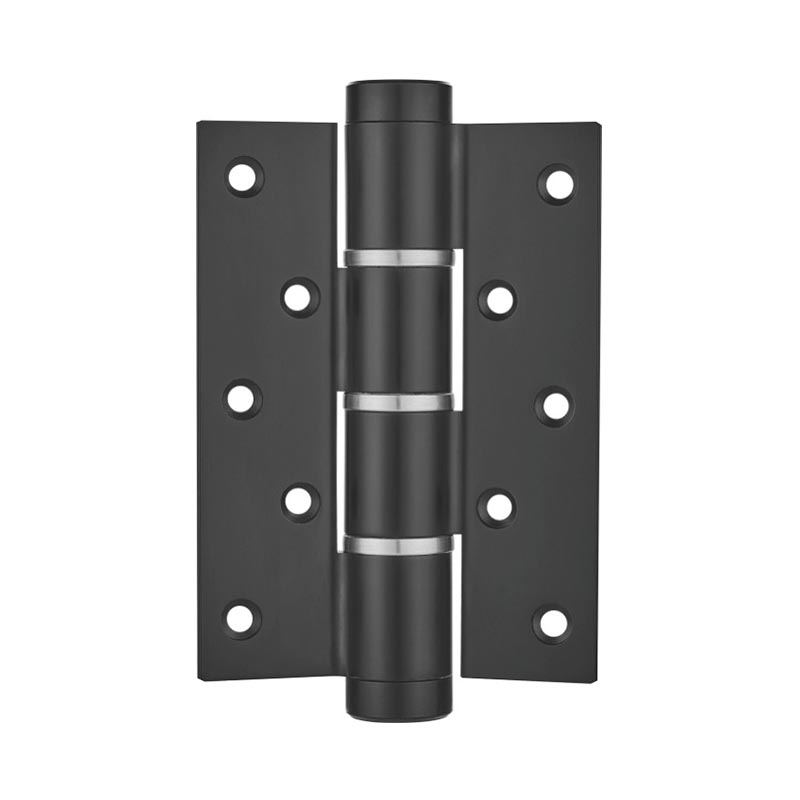
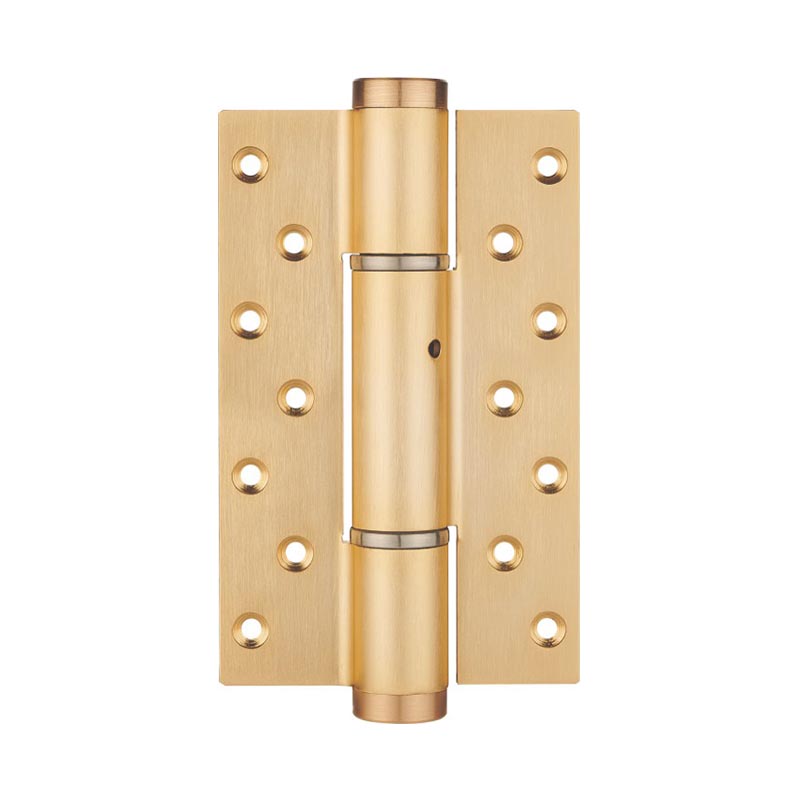
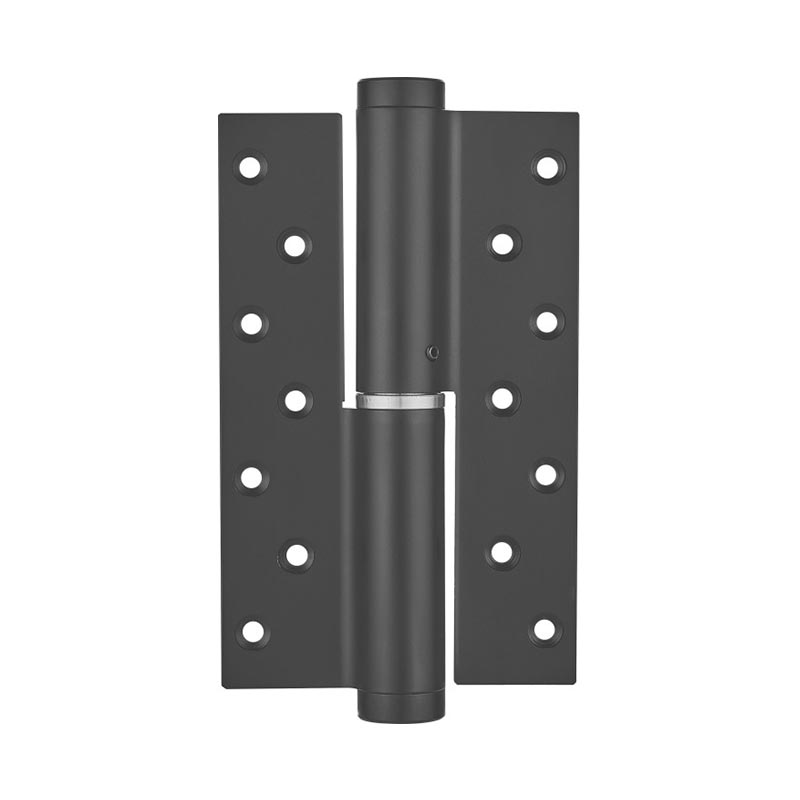
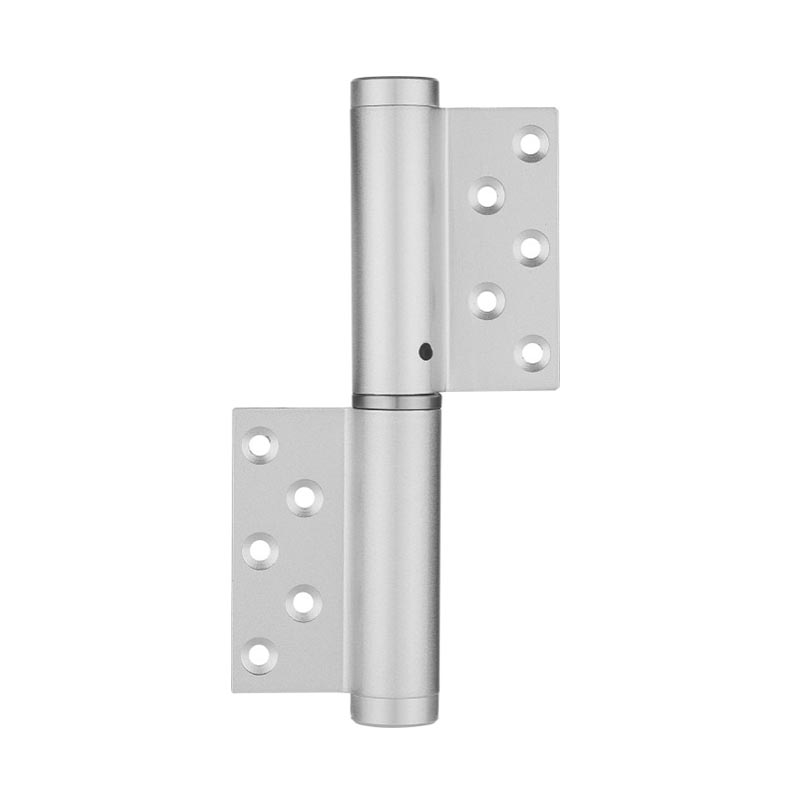
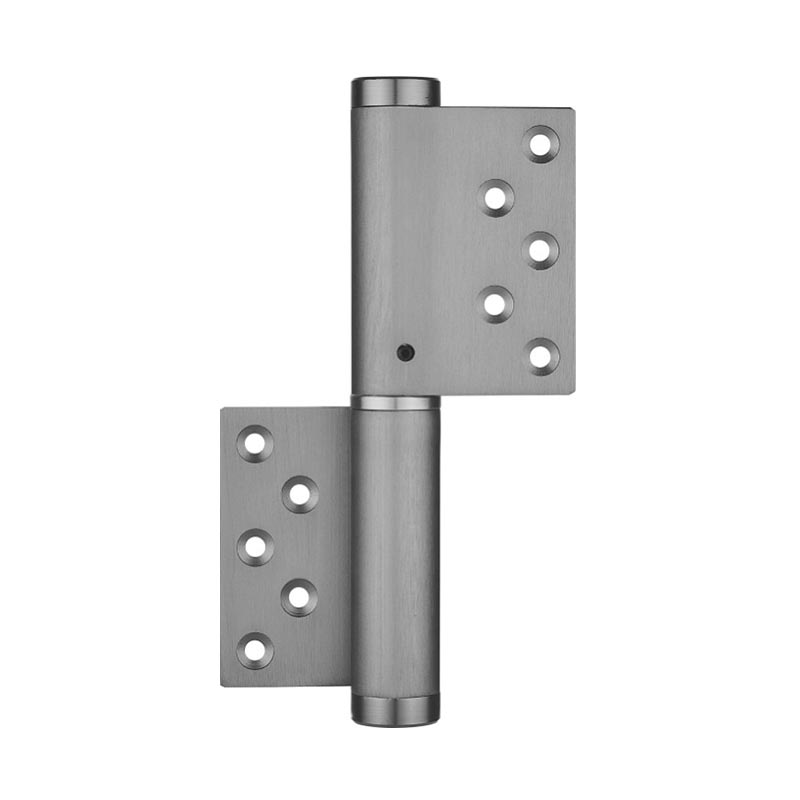
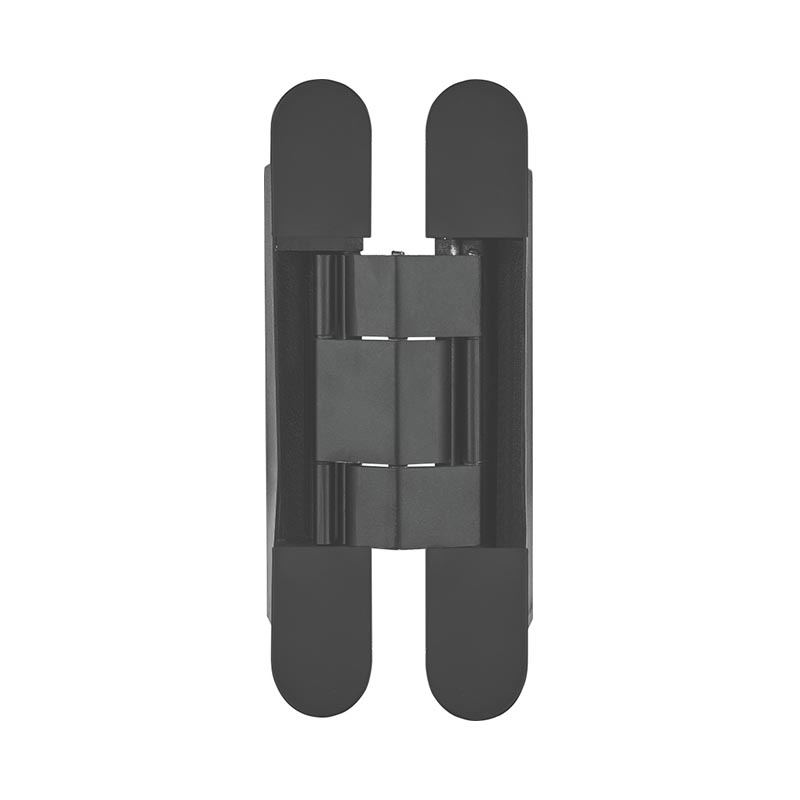
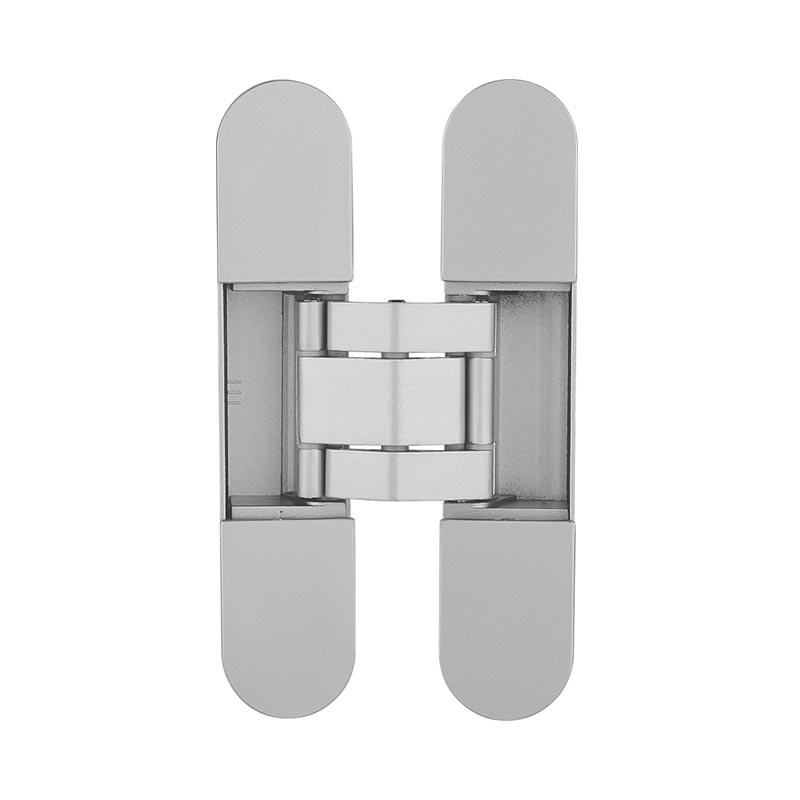
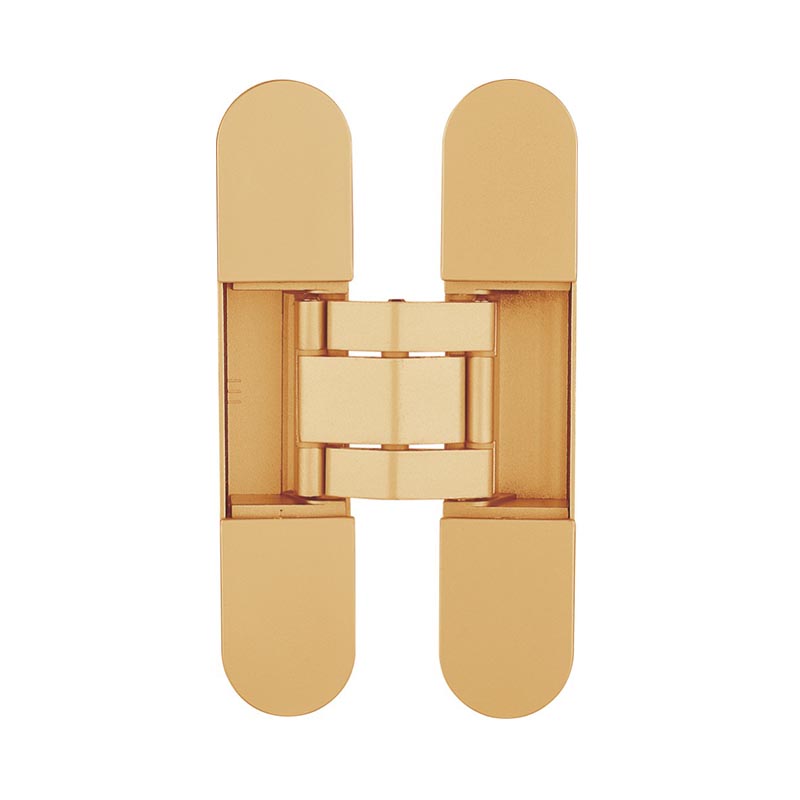
A door with a hydraulic hinge looks ordinary at first glance. It opens, it closes, it fits into daily movement without drawing attention. The difference is not in appearance. It is in the way the door behaves when it moves.
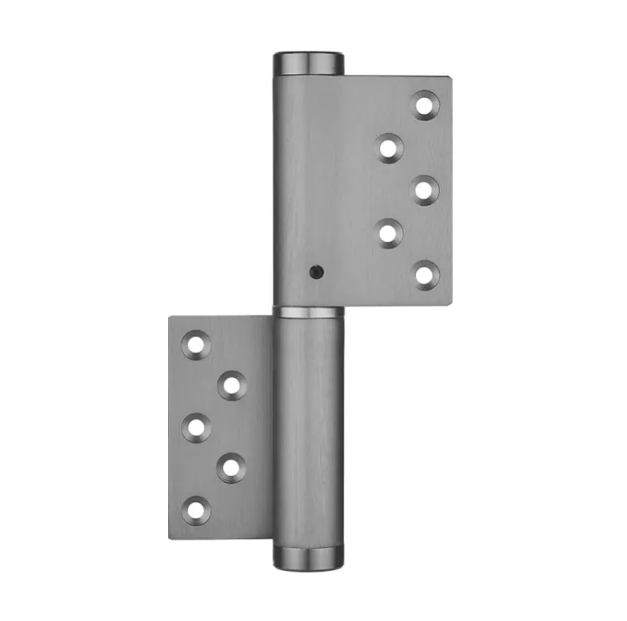
Instead of relying only on a basic mechanical pivot, the hinge system includes a controlled fluid mechanism inside. This small internal structure changes how the door reacts when pushed or released. The movement becomes smoother, slower at the end, and more controlled overall.
In modern buildings, this type of door system is used in spaces where repeated opening and closing is part of daily flow. Offices, commercial entrances, shared corridors, and residential interiors all use variations of this idea.
A door with hydraulic hinge is a door system that uses a hinge mechanism designed to control motion through internal resistance. The hinge is not only a connection point between door and frame. It also manages how the door moves through its opening and closing cycle.
Without this system, a door moves freely. It can swing quickly, stop abruptly, or close with force depending on how it is pushed. With a hydraulic hinge, the movement becomes regulated.
The main idea is simple. Energy from the door's motion is gradually controlled rather than released all at once. This creates a slower and more stable closing action.
In daily use, this means the door does not slam easily. It returns to position in a more measured way. That small change affects noise, safety, and overall user experience.
The reason is not only comfort. It is also about control in shared environments.
In places where many people move through the same doors, repeated impact can become a problem. Doors that close too quickly create noise and wear on surrounding structures. Over time, this affects both comfort and maintenance needs.
A stainless steel hydraulic door hinge system helps reduce that impact. The movement becomes predictable. Even when a door is pushed with force, the closing motion slows down before reaching the frame.
There is also a practical benefit in everyday handling. People do not need to carefully guide the door every time. The system manages the final movement on its own.
In simple terms, it reduces small friction points in daily life. Not in a dramatic way, but in a repeated, almost invisible way.
Inside the hinge, there is a compact internal structure that manages motion resistance. When the door moves, energy is transferred into this internal system instead of being released freely.
The process can be understood in three phases:
During opening, the door moves normally with applied force. The hinge does not resist heavily at this stage.
In the mid movement phase, the system begins to stabilize motion. Movement remains smooth but controlled.
The most noticeable effect appears during closing. Instead of shutting quickly, the door slows down. The internal mechanism absorbs motion and releases it gradually.
This creates a soft closing behavior. The door meets the frame with reduced impact.
At a structural level, both doors may look similar. The difference is in motion behavior.
A standard door relies entirely on external force and gravity. If pushed hard, it moves quickly. If released, it may swing back or close with force.
A hydraulic hinge door behaves differently. The hinge introduces resistance that adjusts movement speed automatically.
Here is a simple comparison:
| Feature | Standard door | Hydraulic hinge door |
|---|---|---|
| Closing speed | Uncontrolled | Gradually controlled |
| Noise level | Higher impact sound | Reduced closing noise |
| Movement feel | Direct and fast | Smooth and slowed |
| Wear on frame | More frequent impact | Reduced stress over time |
The difference is not about appearance. It is about how motion is managed across repeated use.
In everyday environments, doors are rarely treated gently. People carry objects, move quickly, or push doors without paying attention to force.
A heavy-duty hydraulic door hinge system reacts to these situations in a consistent way. Even if the door is pushed harder than usual, the closing motion still slows down before impact.
This creates a more stable environment in shared spaces. Hallways feel quieter. Door usage becomes less noticeable.
There is also a subtle benefit in timing. The door does not require careful manual control during closing. It adjusts itself naturally.
Over time, this reduces small interruptions in movement flow. People pass through without thinking about how the door behaves.
While the system looks simple from the outside, several internal elements influence how it performs.
Key functional influences
| Element | What it affects in real use |
|---|---|
| Internal resistance system | Controls closing speed |
| Structural alignment | Ensures smooth motion |
| Material selection | Influences durability and wear behavior |
| Installation precision | Affects long-term movement stability |
| Load balance | Impacts how the door feels during operation |
Each factor works quietly in the background. If one element is not aligned properly, the movement can feel uneven or inconsistent.
The system depends on balance rather than force.
These door systems appear in many environments, often without drawing attention.
In residential settings, they are used for interior rooms where quiet movement is preferred. In commercial buildings, they help manage constant traffic flow. In shared spaces, they reduce repeated impact on frames and walls.
They are also used in areas where safety matters. A controlled closing motion reduces the chance of sudden slamming, which can be important in environments with frequent movement.
The usage is not limited to one type of building. It appears wherever repeated door movement needs to feel more controlled.
Installation plays a major role in how a hydraulic hinge door behaves.
Even a well-designed hinge can underperform if alignment is not correct. The door must sit evenly within its frame. The hinge must be positioned to support balanced movement.
Small adjustments in placement can influence how smoothly the door opens and closes. If the structure is slightly misaligned, the movement may feel uneven or inconsistent.
This is why installation is often treated as part of the system, not just a separate step.
Once installed correctly, the system works quietly in the background without frequent attention.
Maintenance is generally minimal, but not absent.
The system works continuously every time the door moves. Over time, natural wear can affect smoothness of motion. Regular checks help maintain consistent behavior.
Attention is usually given to:
These checks are not complex. They are more about observation than intervention.
In many cases, issues develop gradually. Small changes in movement feel are often the first indicator.
One of the most interesting aspects of this system is its subtlety.
People rarely notice when a door closes smoothly. They notice when it slams. They notice when movement feels unstable. The hydraulic hinge reduces those noticeable disruptions.
It creates a kind of background stability. The door becomes predictable. It behaves the same way every time it is used.
In shared environments, this predictability changes how space feels. Movement becomes less disruptive. Sound becomes less sharp.
The system does not change how people use doors. It changes how doors respond to people.
1. What is a door with a hydraulic hinge?
A door with a hydraulic hinge is a door system that uses an internal mechanism to control movement speed. It helps the door close in a smoother and more controlled way instead of swinging shut freely.
2. How does a hydraulic hinge work in a door?
The hinge slows down door movement through internal resistance. When the door closes, the system absorbs part of the motion and releases it gradually, reducing impact at the final closing stage.
3. Why are hydraulic hinge doors used in buildings?
They are used to reduce noise, improve movement control, and limit sudden impact when doors close. This makes shared spaces more comfortable and reduces long-term wear on door frames.
4. Do hydraulic hinges change how a door feels when opening?
The opening process usually feels normal. The main difference is during closing, where the movement becomes slower and more controlled near the end.
5. Are hydraulic hinge doors suitable for high-traffic areas?
Yes, they are often used in areas with frequent movement because they help manage repeated door use in a more stable and quiet way.
6. Do hydraulic hinges require regular maintenance?
They generally require minimal maintenance. Occasional checks for smooth movement, alignment, and sound changes are usually enough to keep them working properly.
7. Can a hydraulic hinge be installed on any type of door?
Not all doors are suitable. Compatibility depends on door weight, structure, and frame condition, so proper selection is important before installation.

No.123, Kaixuan road, yunshan street, lanxi city, jinhua city, zhejiang province, china

+86-18066248602

+86-579-88864580

+86-579-88864581

Copyright © 2024 Lanxi Maya Hardware Co., Ltd. All Rights Reserved. Privacy Policy

Hydraulic Door Hinges Hardware Factory



 English
 Español
 русский