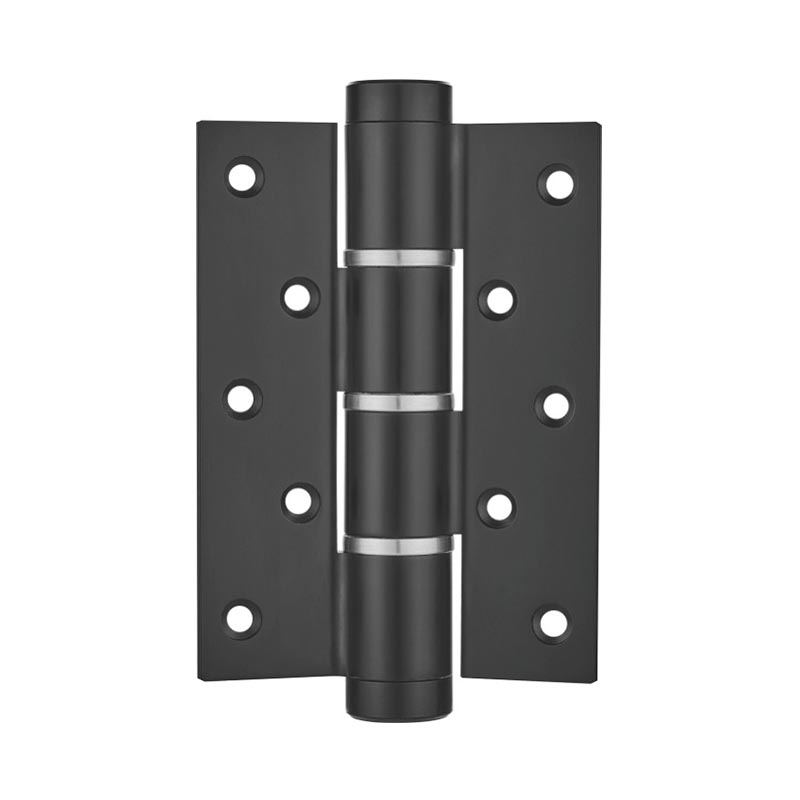
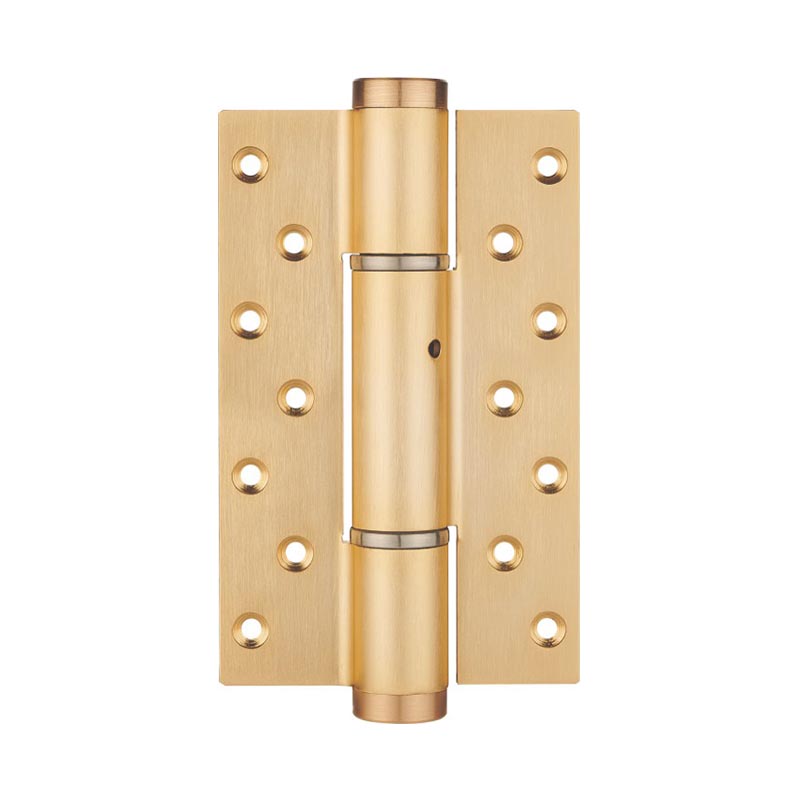
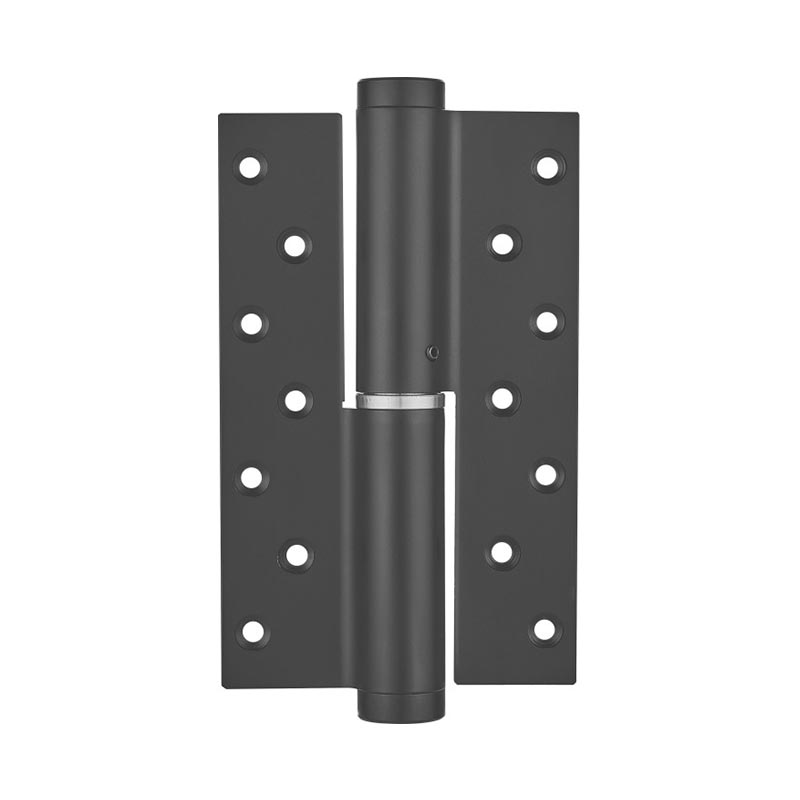
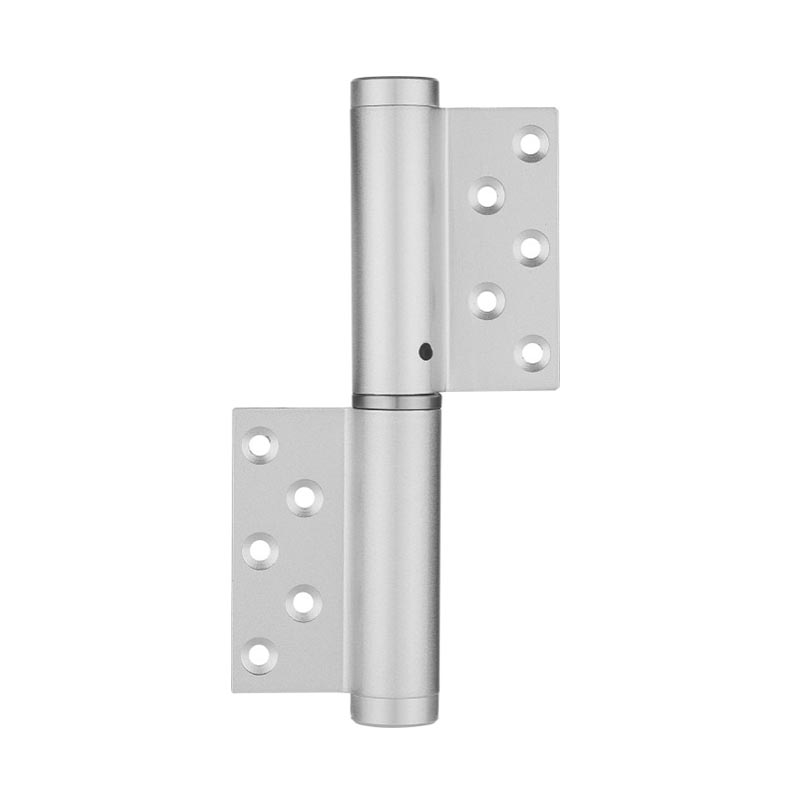
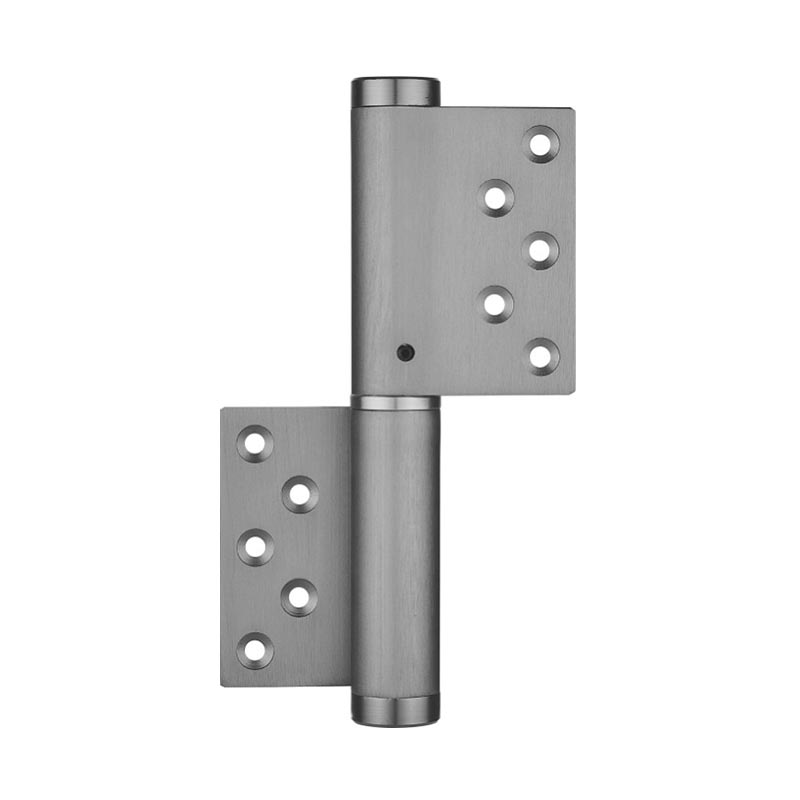
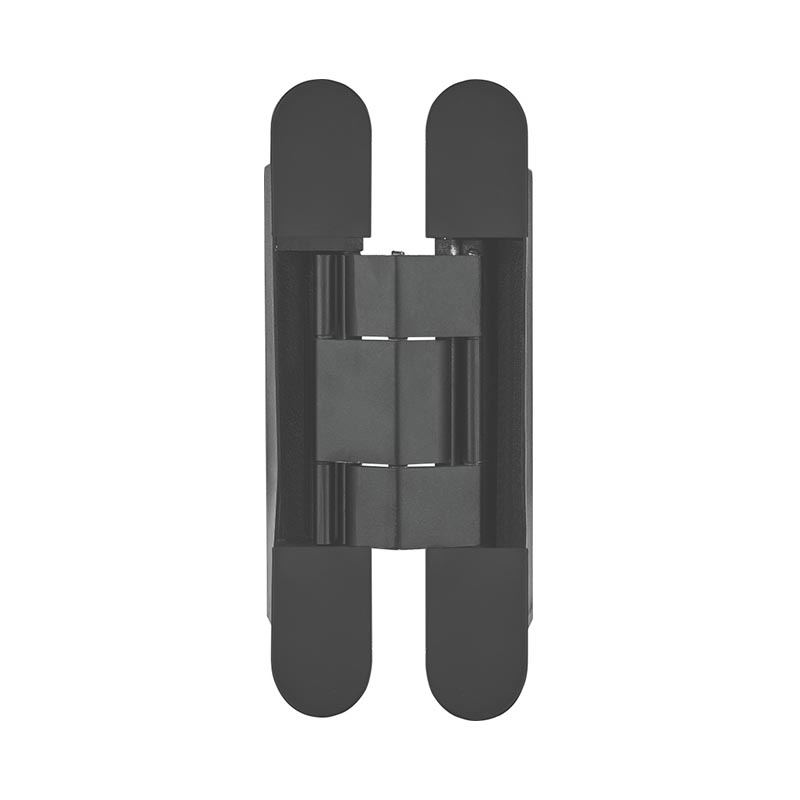
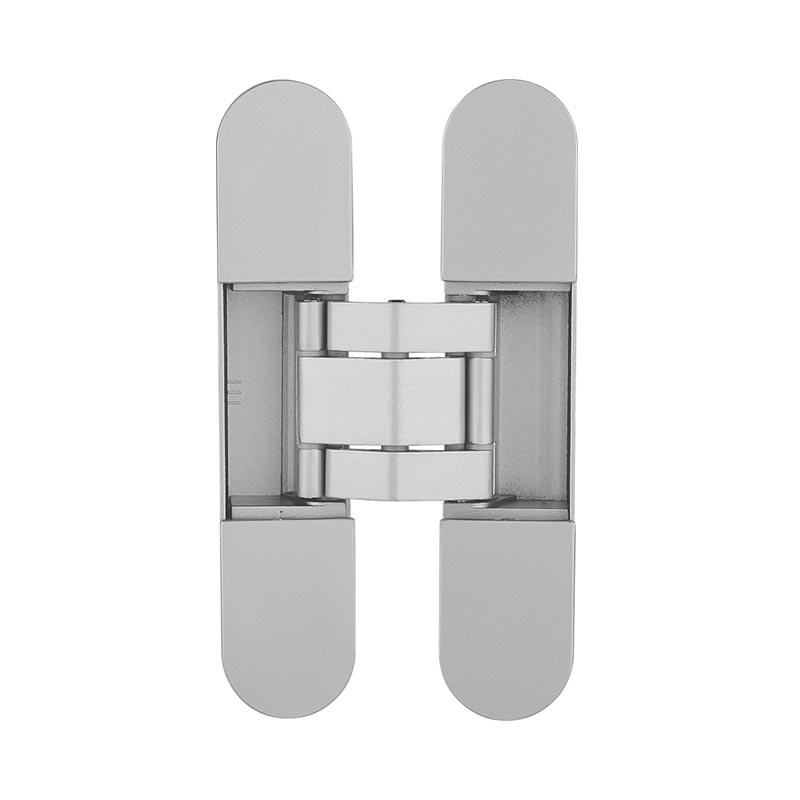
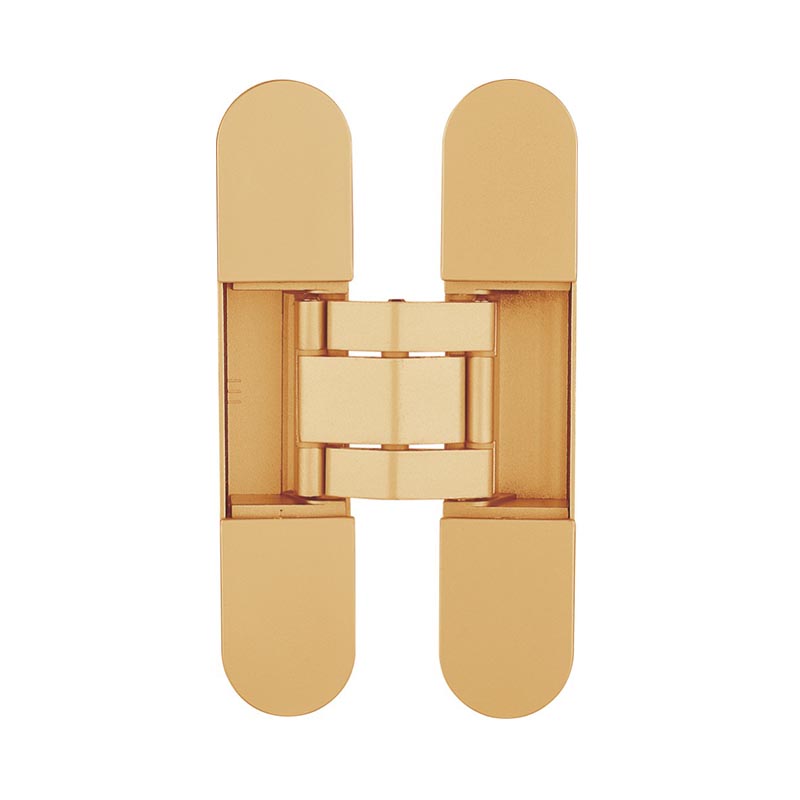
Compression spring hinge have quietly become an important component across a lot of product designs where controlled movement and convenient operation genuinely matter. Unlike simple hinges that just connect two parts, these hinges actively support opening and closing actions while adding real flexibility to whatever structure they're built into.
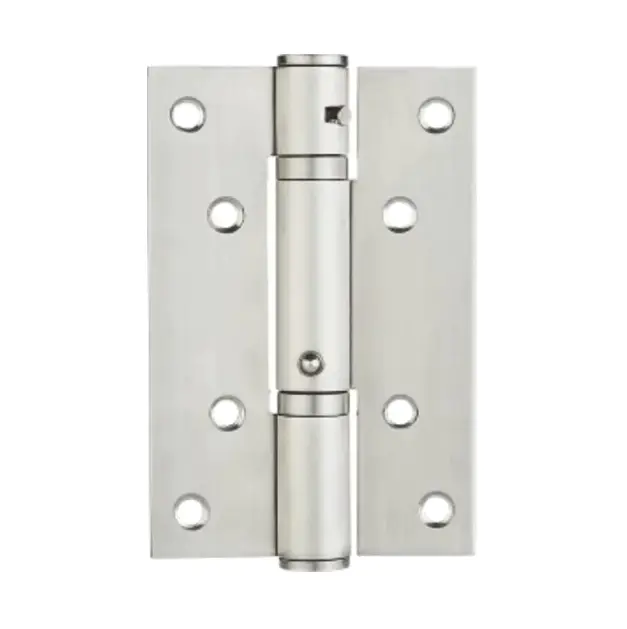
From furniture and cabinets right through to equipment covers and custom applications, spring hinges turn up in a genuinely wide range of environments. That ability to combine movement support with a space-saving design is exactly what makes them useful across so many different industries at once.
As product designers keep chasing practical solutions, these hinges keep getting pulled into more and more applications where smooth operation and genuine user convenience matter.
Plenty of products include parts that need regular, repeated movement. Doors, covers, panels, and lids all demand reliable support through daily use. A traditional connection method doesn't always deliver the kind of movement experience users have come to expect.
Spring hinges build a genuinely more controlled interaction between connected parts. They let components move freely while still holding their position properly during use.
Their applications usually trace back to a handful of needs:
Because of these traits, spring hinges show up in both everyday products and genuinely specialized equipment alike.
Furniture is one of the most common places spring hinges get applied. Modern furniture design keeps chasing compact structures, easy operation, and genuinely better space management.
Cabinets, storage units, and furniture panels often lean on these hinges to improve how doors and covers actually function. They let users access storage areas comfortably while the piece still holds onto a neat, put-together appearance.
| Furniture Application | Installation Purpose |
|---|---|
| Cabinets | Supports door movement |
| Storage units | Helps with convenient access |
| Folding furniture | Allows flexible movement |
| Furniture covers | Provides controlled opening |
In both home and commercial settings, furniture has to balance appearance against usability. Spring hinges contribute to that balance by supporting genuinely functional designs without dragging in unnecessary complexity.
Cabinets get opened and closed constantly, which makes hinge performance a genuinely important consideration rather than an afterthought. Storage systems in homes, offices, and commercial spaces all demand components that hold up under regular interaction.
Spring hinges improve the whole user experience by making cabinet doors and panels genuinely easier to manage day to day. They support designs where smooth movement matters.
Applications tend to include:
These hinges also line up well with modern design preferences generally. A lot of products now aim for clean surfaces and hidden mechanical structures, and hinges that deliver function while keeping a simple appearance fit that approach perfectly.
Industrial equipment frequently includes protective covers, access panels, or movable sections that need to swing open for maintenance or inspection, then stay firmly secured during actual operation.
Spring hinges support exactly these designs by helping movable parts function more smoothly overall.
Industrial uses tend to include:
In these settings, convenience and safety both carry genuine weight. A well-designed hinge system makes routine access noticeably easier while still supporting the equipment's overall structural integrity.
The growing push toward efficient workflows has nudged manufacturers to look closer at small components that improve everyday interactions on the floor.
Transportation-related products often include movable sections that genuinely need reliable operation. Vehicles, trailers, and transport equipment frequently carry compartments, covers, or panels that need regular access.
Spring hinges get used in these spots to support movement and improve overall handling.
| Transportation Area | Common Use |
|---|---|
| Vehicle compartments | Supports opening panels |
| Storage sections | Helps access stored items |
| Equipment covers | Allows easier operation |
| Utility structures | Provides flexible movement |
Transportation designs typically need to juggle durability, convenience, and efficient use of space all at once. Hinges with genuine spring support help hit those design goals without much added bulk.
Commercial environments usually include furniture, equipment, and structures that see genuinely frequent use. Stores, offices, and public facilities all need products that are easy to operate and just as easy to maintain over time.
Spring hinges show up across different commercial applications wherever movable parts come into play.
Examples include:
In these settings, small design details genuinely shape daily experience. A door or panel that opens smoothly makes life easier for workers and visitors alike.
Choosing the right hardware here helps build spaces that are genuinely easier to manage and more user-friendly overall.
Where a hinge actually gets installed comes down to the design's purpose and the specific movement the product demands. Different applications carry genuinely different expectations.
A handful of factors tend to shape that decision:
Manufacturers and designers usually think through how the hinge will interact with the complete product as a whole. The goal was never just connecting two parts — it's genuinely about improving how the whole product functions.
Product design keeps drifting toward convenience and efficiency across the board. As consumers and industries alike hunt for solutions that improve daily operation, small functional components keep picking up more attention than they used to.
Spring hinges sit right in the middle of that trend. They offer a genuinely simple way to improve movement without forcing major changes onto a product's overall structure.
Future applications may keep expanding into areas like:
The demand for genuinely practical hardware solutions keeps pushing designers to find new ways of folding these components into different products.
Picking a suitable hinge really comes down to understanding the role it'll actually play inside the finished product. A hinge needs to match the structure, the movement style, and the broader design intention behind the piece.
Designers tend to weigh:
Compression spring hinges were never boxed into just one industry. Their applications keep expanding simply because so many products need movable parts that combine genuine function with everyday convenience.
From furniture and storage systems through to industrial equipment and transportation solutions, these hinges keep opening up new possibilities across modern product development.

No.123, Kaixuan road, yunshan street, lanxi city, jinhua city, zhejiang province, china

+86-18066248602

+86-579-88864580

+86-579-88864581

Copyright © 2024 Lanxi Maya Hardware Co., Ltd. All Rights Reserved. Privacy Policy

Hydraulic Door Hinges Hardware Factory



 English
 Español
 русский