Interior design keeps drifting toward cleaner spaces, flexible layouts, and details that actually pull their weight. Walls aren't just backdrops anymore — they've turned into functional elements that handle storage, decoration, access points, and all kinds of creative design ideas.
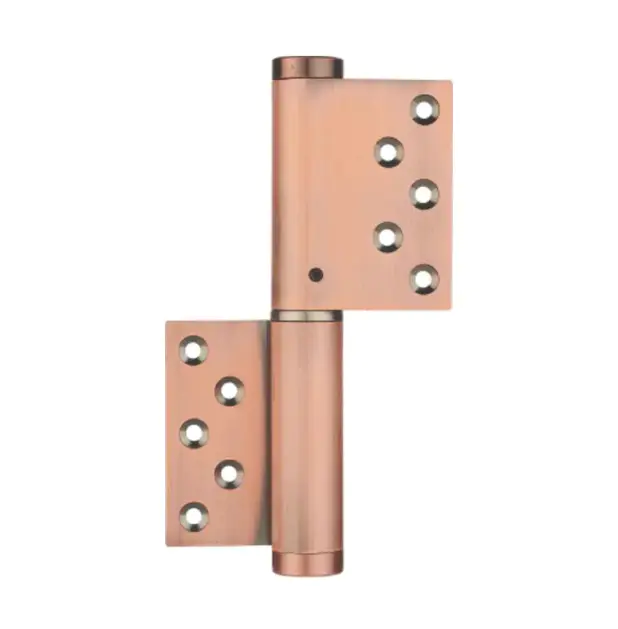
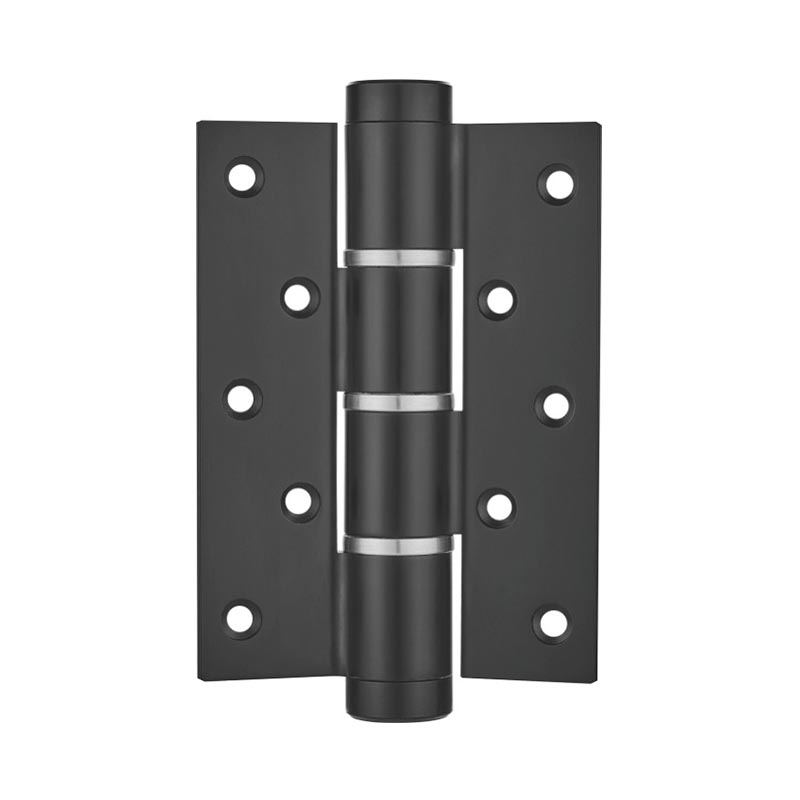
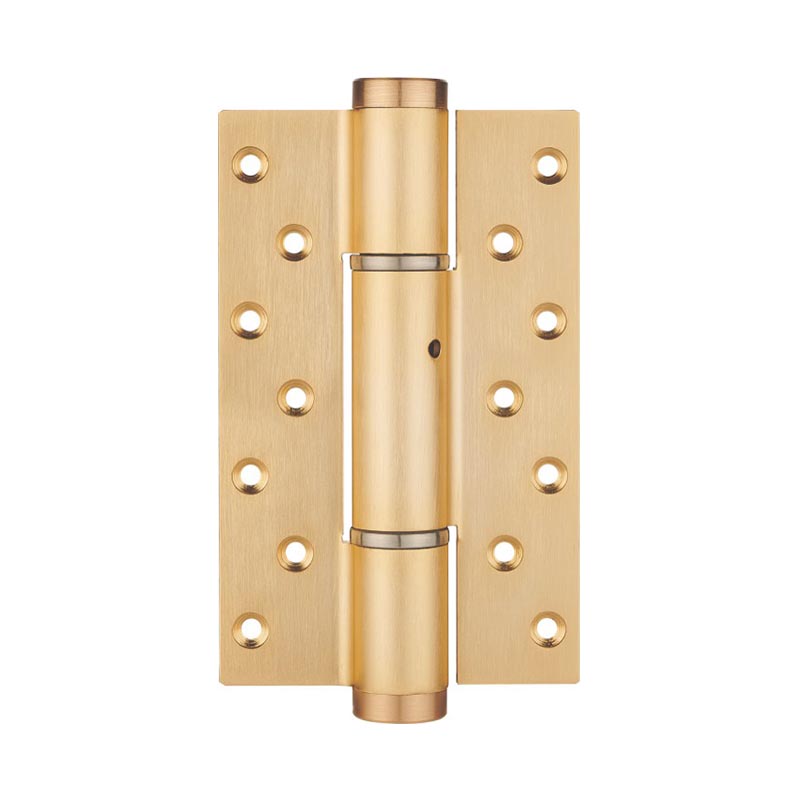
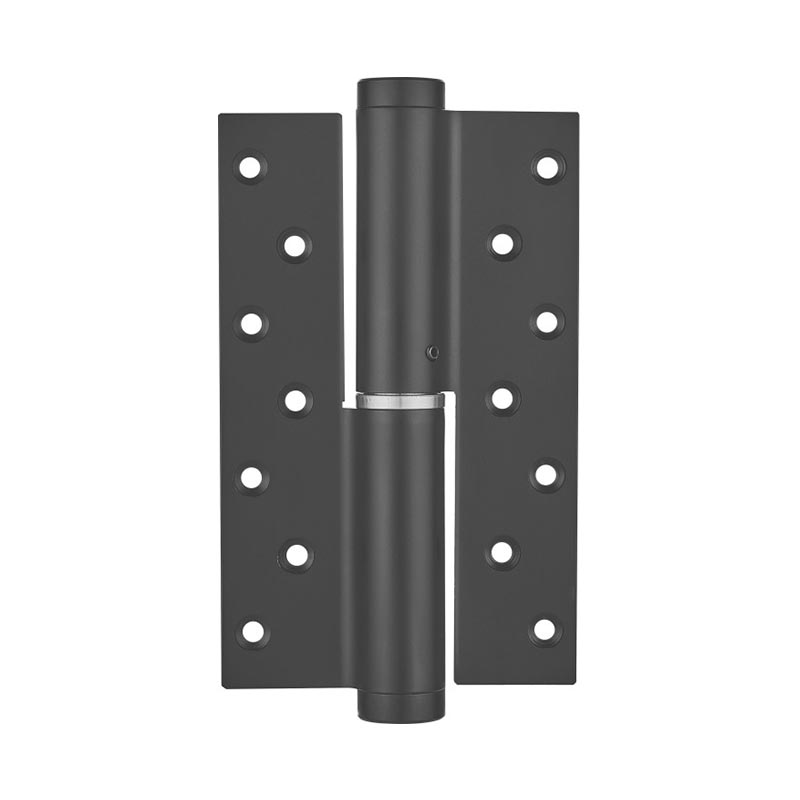
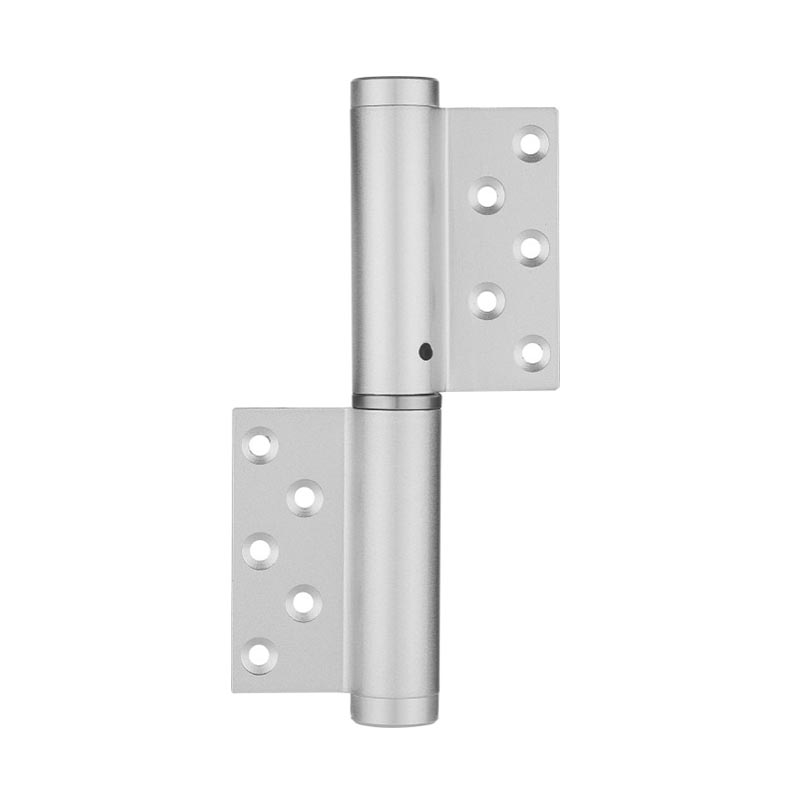
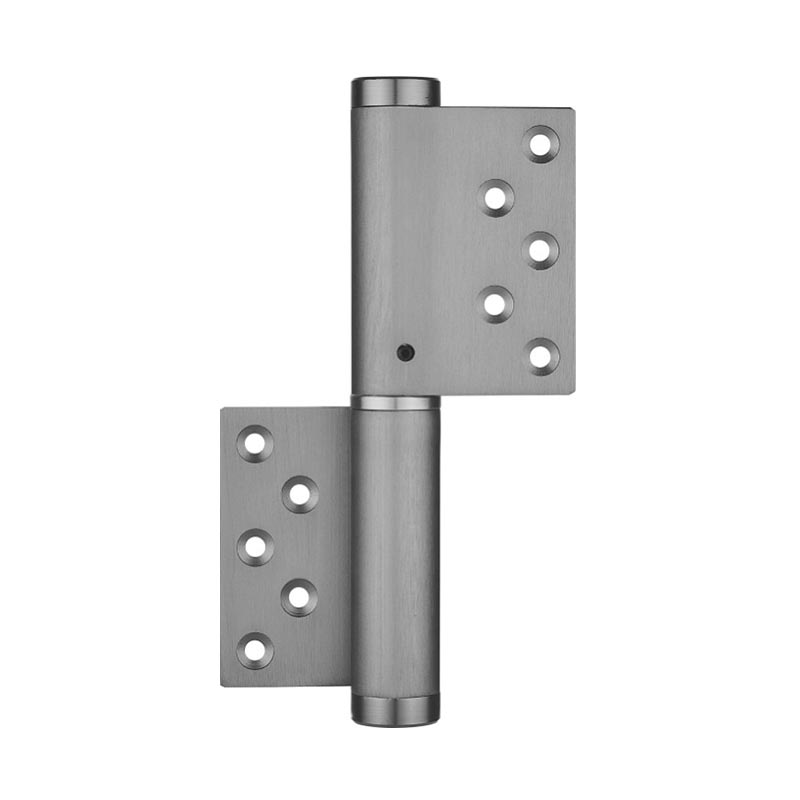
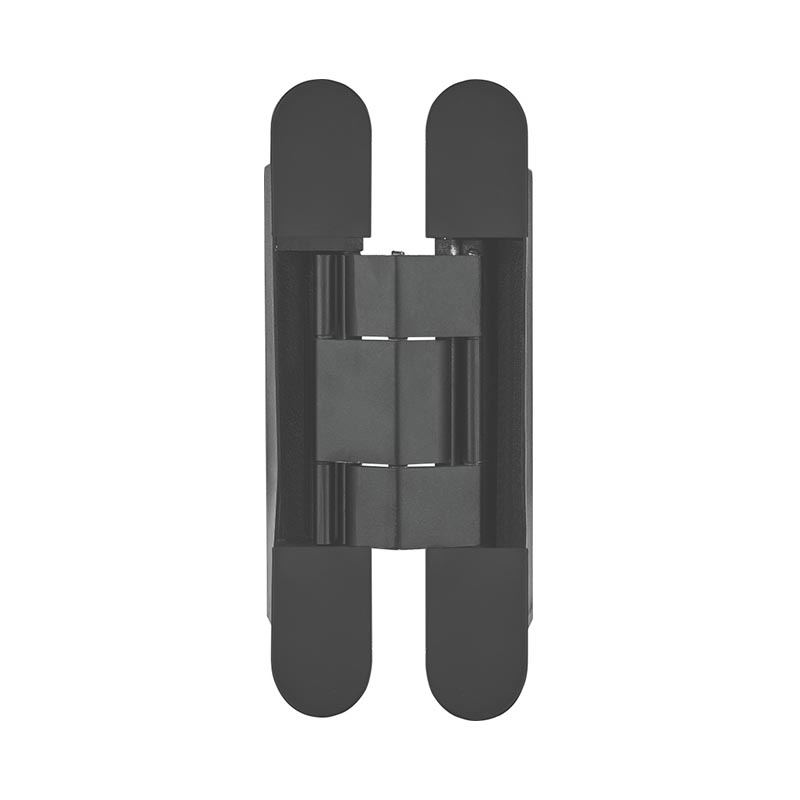
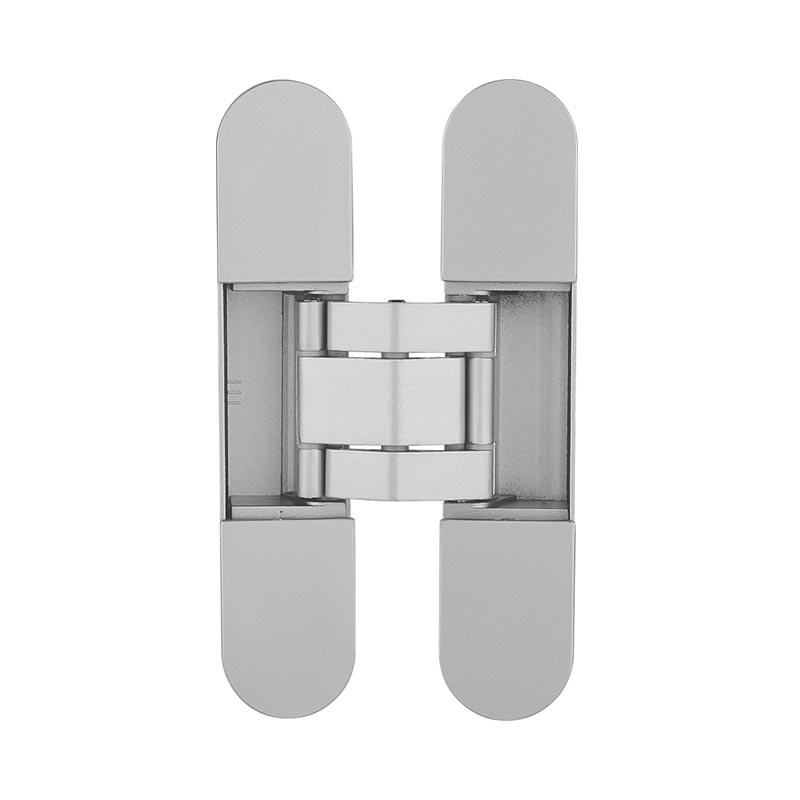
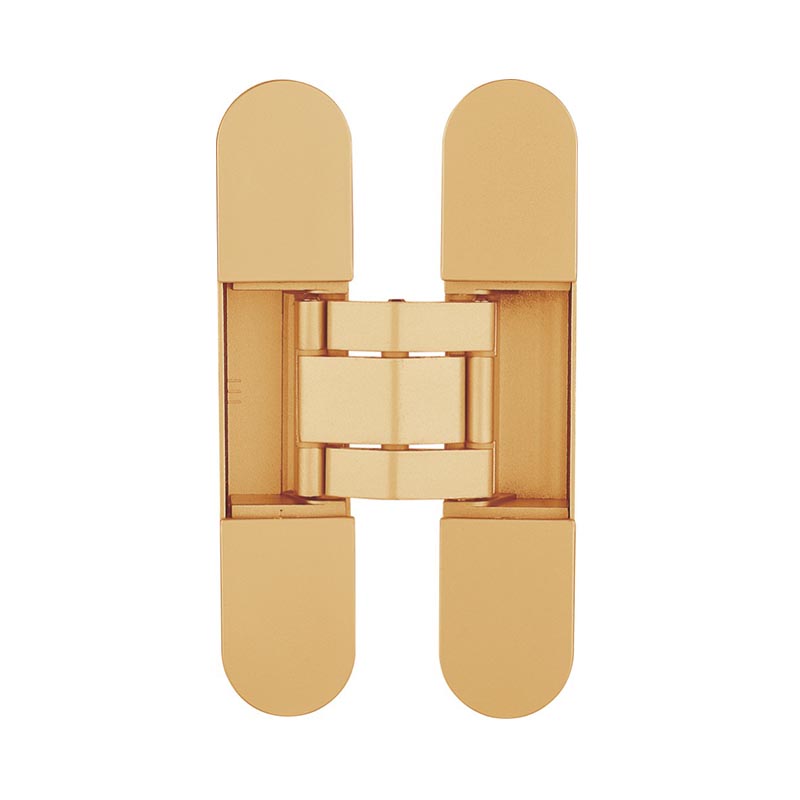
As interior styles keep evolving, hidden wall panel hinges are catching the eye of designers, builders, and property developers. These small hardware pieces help create a cleaner look while still letting wall panels do their actual job.
The value here goes beyond just the hardware itself. It's tied to design flexibility, how space gets used, and the overall user experience. In modern interiors, details like this end up shaping how a space both looks and functions.
Modern spaces lean heavily toward simplicity these days. A lot of designers want surfaces with as few visible interruptions as possible. Traditional hardware, unfortunately, tends to break that visual flow.
Panel hinges offer a way around that problem. Panels can still move and function normally, but the hardware behind it stays out of sight.
This approach shows up across plenty of interior applications:
| Interior Need | Hidden Wall Panel Hinge Contribution |
|---|---|
| Clean Appearance | Creates a Smoother Visual Effect |
| Flexible Access | Allows Easier Panel Movement |
| Space Organization | Supports Integrated Design Ideas |
| Modern Style | Matches Minimalist Interiors |
This growing interest in hidden hardware fits into a much bigger design trend. People want spaces that look effortless and simple, but still work hard behind the scenes.
Small components like this genuinely shift how a finished interior ends up looking.
Seamless has become the buzzword in a lot of modern projects. Designers keep hunting for ways to blend function with visual harmony without one undermining the other.
Panel hinges help pull that off by keeping connection points out of view. When a panel needs to open or shift, the hardware doing the work stays quietly in the background.
That opens up a handful of design possibilities:
Take a wall panel that doubles as an access point, a storage cover, or a decorative feature — with the right hardware behind it, that panel can keep the room's overall design intact.
It's not just about hiding hardware for the sake of it. It's really about getting function and appearance to work together instead of fighting each other.
Space efficiency matters a lot more in modern interiors than it used to. Homes, offices, commercial spaces — they all need flexible solutions that squeeze more use out of the same square footage.
Wall panel hinges support designs where a wall panel does double duty. It might open up to hidden storage, or help a space adapt to different needs entirely.
Where this tends to show up:
A well-thought-out interior makes every element earn its place. Hardware built for flexible design helps a space feel intentional rather than crowded.
The real value of wall panel hinges comes down to this: they support practical functions without throwing off the room's visual balance.
Every space has its own set of demands. A home might prioritize comfort and looks. A commercial space might need convenient access paired with a polished, professional feel.
Hidden wall panel hinges work across a wide range of these environments because they handle both design and function at once.
| Application Area | Possible Design Benefit |
|---|---|
| Residential Interiors | Cleaner Living Spaces |
| Office Environments | More Organized Appearance |
| Retail Spaces | Flexible Display Designs |
| Hospitality Areas | Improved Visual Experience |
Every project chases something a little different. What hardware actually fits comes down to the design concept, the panel structure, and how it'll actually get used.
The right hinge solution should slot naturally into the bigger interior plan — not stick out as an afterthought.
Interior design has always centered around visible elements — colors, materials, furniture. But hidden components are getting more attention now because they quietly shape how all those visible pieces come together.
Invisible hardware gives designers room to build more uninterrupted surfaces, which fits perfectly with modern styles built around simplicity and balance.
A few things are driving this interest:
Good hardware often goes unnoticed when it's doing its job right. That's actually the whole point — it supports the design instead of competing with it for attention.
A modern interior shouldn't just look good — it needs to be easy to live with, too.
Hinges help smooth out the interaction between people and their space. When a panel needs to open, close, or grant access, good hardware makes that whole process feel effortless.
User experience often comes down to:
| User Expectation | Hardware Support |
|---|---|
| Easy Operation | Smooth Panel Movement |
| Clean Appearance | Reduced Visible Hardware |
| Practical Access | Flexible Panel Solutions |
| Comfortable Use | Better Interaction with Space |
People notice small annoyances more than they'd admit. A well-designed interior strips out that friction, leaving behind something genuinely comfortable to use.
Hidden hardware is really just one piece of this bigger push toward user-centered design.
Picking panel hinges takes more thought than just going with whatever looks good. The hardware has to line up with both the interior design and how it'll actually get used.
Worth checking:
What works best really depends on the whole project — the hinge has to work alongside the panel, the surrounding structure, and the design goals driving the whole thing.
Supplier cooperation matters here too. Clear communication upfront tends to prevent a lot of headaches down the line during planning.
The right hardware choice ends up supporting both design quality and how well things actually perform day to day.
Interior design keeps pushing toward flexible, personalized solutions. People want spaces that adapt to whatever they need while still looking clean and put-together.
Wall panel hinges fit right into that direction — they're built around function and appearance working as a team, not competing priorities.
Future interior projects will probably lean more into:
As interiors get more thoughtful and deliberate, small hardware pieces like this will only matter more, not less.
Design and function keep getting closer together. Hinges are a good example of how practical elements can quietly support a space without ever disrupting its look.
Picking good hardware is only half the battle. Who you're actually working with shapes the outcome just as much.
A reliable supplier helps businesses actually understand what's out there, manage project needs properly, and keep communication running smoothly the whole way through.
Worth looking for in a supplier:
For designers, contractors, and manufacturers alike, teaming up with the right partner makes the whole process run a lot more smoothly.
Hidden wall panel hinges might be small pieces of hardware, but their role in modern interiors keeps growing. They tie practical movement together with clean design — helping build spaces that work well and look good doing it.

No.123, Kaixuan road, yunshan street, lanxi city, jinhua city, zhejiang province, china

+86-18066248602

+86-579-88864580

+86-579-88864581

Copyright © 2024 Lanxi Maya Hardware Co., Ltd. All Rights Reserved. Privacy Policy

Hydraulic Door Hinges Hardware Factory



 English
 Español
 русский