Windows used to be simple — a hole in the wall for light and air. That's changed. Modern buildings treat windows as part of comfort, safety, appearance, and everyday function all at once. And as window designs keep getting more varied, the hardware holding them together is finally getting the attention it deserves.
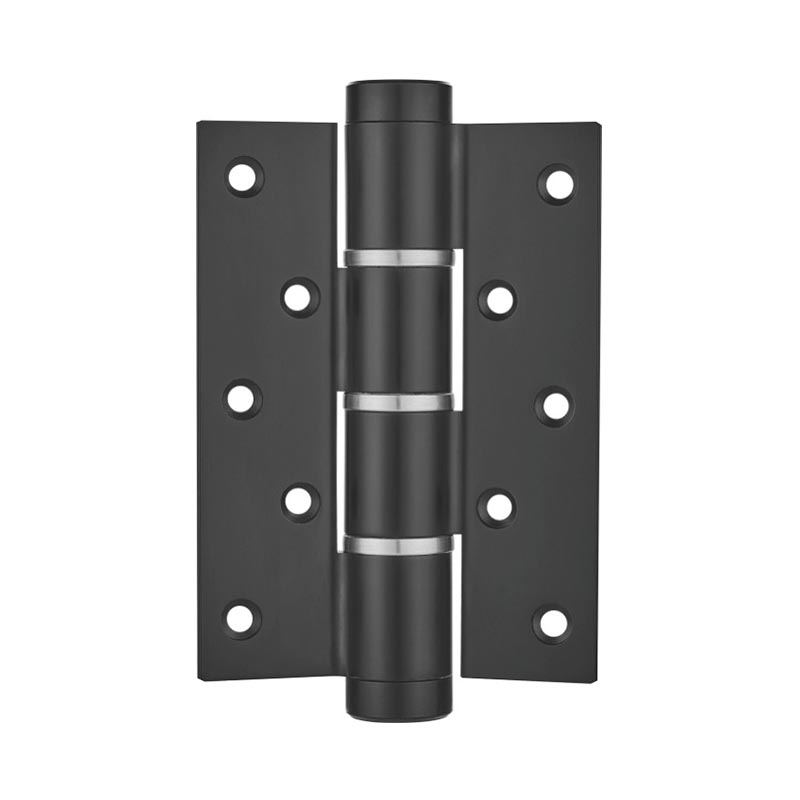
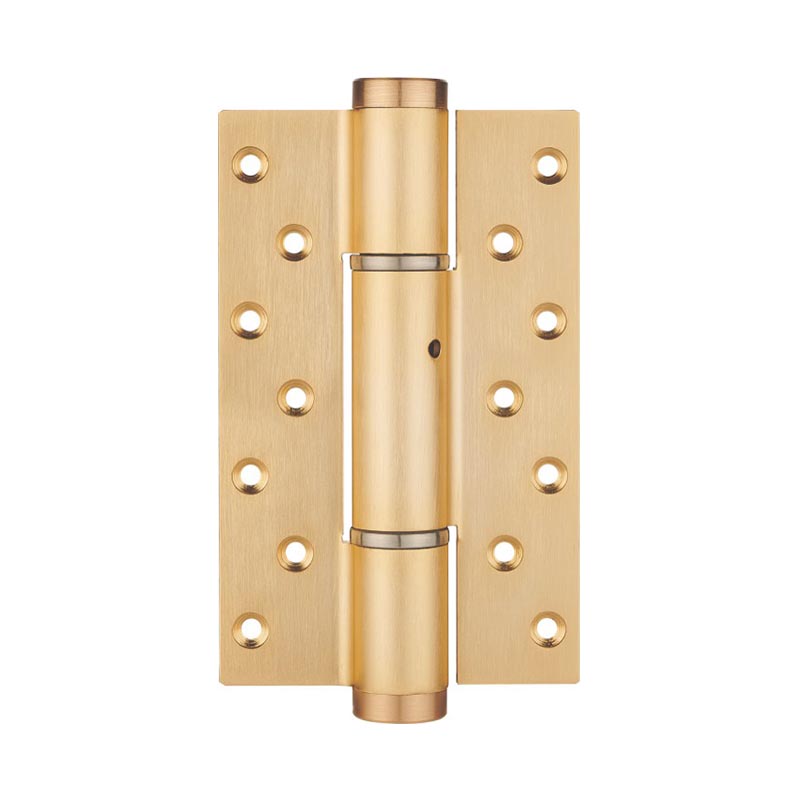
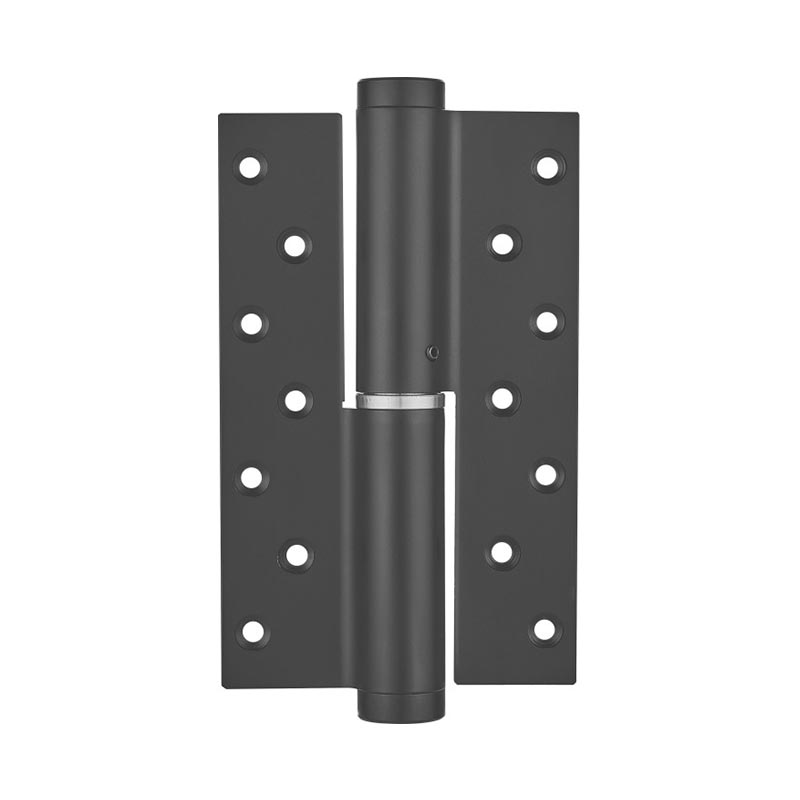
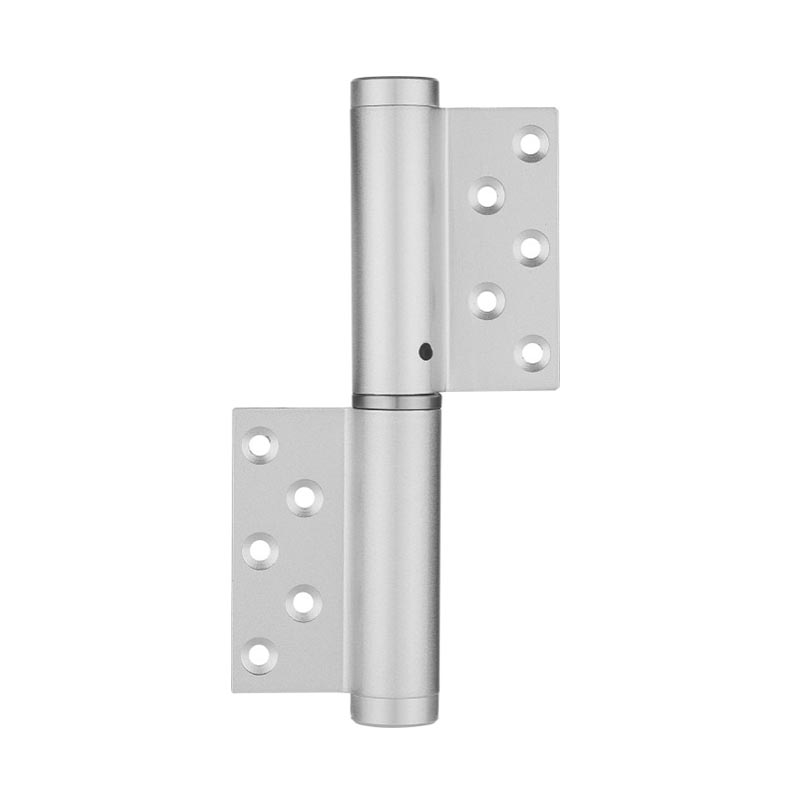
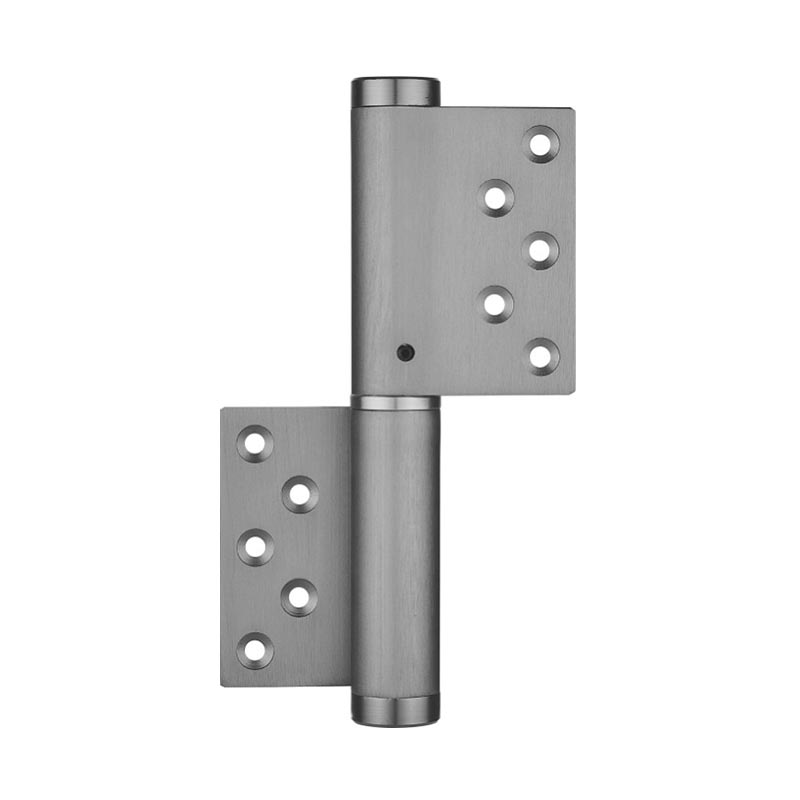
Hydraulic window hinge is one piece of hardware drawing real interest lately. They're built to make opening and closing feel smoother, and to generally improve how a window performs day to day.
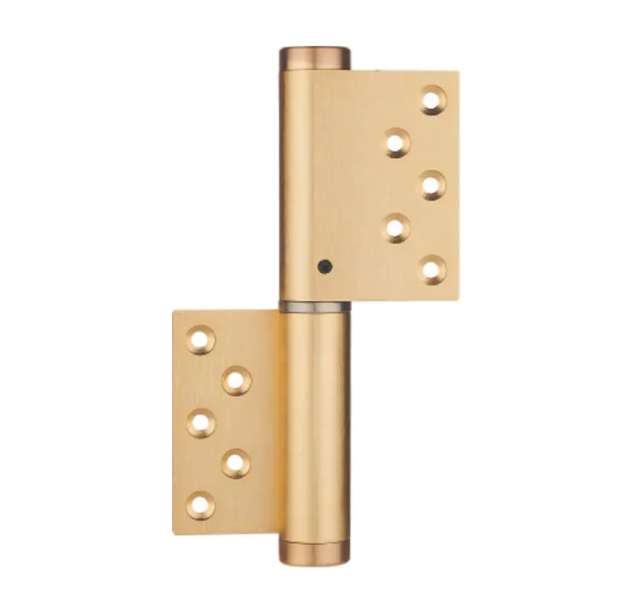
Architects, builders, and window manufacturers keep circling back to the same question: does a hydraulic window hinge actually work for modern window systems?
Honestly, it comes down to fit — how well the hinge matches the window design, the building environment, and what users actually expect from it.
Windows have moved well past being basic structures. People expect them to operate easily and feel comfortable to use every single day.
Older hardware doesn't always keep up with that. Bigger window designs, more frequent use, different installation setups — all of it creates new pressure points that older solutions weren't built for.
Modern window systems tend to prioritize:
| Window Requirement | Hardware Consideration |
|---|---|
| Smooth Operation | Supportive Hinge Solutions |
| User Convenience | Easier Opening and Closing |
| Long-Term Use | Stable Hardware Performance |
| Modern Appearance | Suitable Design Integration |
Hardware is small, physically speaking, but it has an outsized impact on how people experience a window. A great window design can still fall flat if the hardware behind it isn't up to the task.
That's exactly why manufacturers keep chasing new hinge solutions built for how modern buildings actually get used.
A hydraulic hinge is built to give controlled movement while a window opens or closes. Instead of leaving everything to manual force, it smooths the whole motion out.
That translates into a few real benefits:
Convenience matters a lot in homes, offices, and commercial spaces these days. Windows get used constantly, and small upgrades in how they operate can shift how satisfied people feel with the space overall.
Smoother movement also just feels more refined. That's especially true in spaces where design and comfort both carry real weight.
Modern window systems show up in all kinds of environments, and each one comes with its own set of expectations — homes, workplaces, public buildings, all different.
Hydraulic hinges tend to work well across these settings because they're built around one core idea: better operation, better support.
Common places you'll find them:
Every project has its own priorities. A home might lean toward convenience above everything else. A commercial building might care more about handling frequent use and heavy foot traffic near the windows.
Whether a hydraulic hinge actually fits comes down to how well it aligns with the overall window design. Get that match right, and the hardware and structure end up working together instead of against each other.
Modern architecture usually wants both looks and function at the same time — not one at the expense of the other. Window hardware has to carry both of those needs.
A hydraulic hinge fits that mold by helping create cleaner, quieter operation alongside a more polished appearance.
Its value tends to show up in:
In contemporary buildings, even small hardware pieces are becoming part of the design conversation, not something buried and forgotten behind the scenes.
A well-chosen hinge helps carry that sense of quality through the entire space.
User experience shapes a lot of how buildings get designed today. People notice — maybe without even thinking about it — how easily a window opens, closes, and holds its position.
A window that's a struggle to operate chips away at daily comfort. A smoother one just makes the whole space feel easier to live or work in.
Hydraulic hinges tend to help with:
For property owners and developers, these small details add up to how people perceive a whole building. Comfort usually comes from a stack of small decisions, not one big one.
The hinge itself stays mostly invisible — but its effect shows up every single time someone touches that window.
Picking window hardware isn't something to rush through. A hinge needs to fit the entire window system, not get chosen as some standalone piece.
Worth thinking through:
| Evaluation Factor | Why It Matters |
|---|---|
| Window Design Compatibility | Ensures Proper Integration |
| Operation Needs | Matches User Expectations |
| Installation Requirements | Supports Smoother Application |
| Long-Term Cooperation | Helps Maintain Supply Stability |
Buyers really need to look at the whole window system together. The hinge, the frame, everything else — it all has to function as one unit.
The right choice isn't just about the hinge on its own. It's about whether the whole solution actually serves what the project's trying to achieve.
Window manufacturers keep hunting for ways to sharpen their products. Customer expectations keep shifting, and competition in the building market keeps pushing everyone to sweat the small stuff.
Hardware choice has turned into a genuine part of product development now, not an afterthought.
Manufacturers tend to focus on:
Hydraulic hinges are one clear example of where this is all heading — proof that small components can shape a much bigger product experience.
As window systems keep getting more refined, hardware decisions are only going to matter more, not less.
Demand for comfortable, practical building solutions keeps climbing. People want products that look good, work smoothly, and hold up reliably over time — all at once.
Hydraulic hinges line up well with that trend, given how much they focus on improving day-to-day window use.
Future window systems will probably lean more into:
Window hardware's role keeps shifting. It's stopped being some simple accessory bolted on at the end and started becoming part of the whole building experience.
Picking the right product is only half the equation. Who you're working with matters just as much as what you're buying.
A reliable supplier helps businesses actually understand their options, coordinate around real project requirements, and keep communication running smoothly throughout.
Qualities worth looking for:
For window manufacturers and construction companies, a stable supplier relationship makes the whole planning process a lot less stressful.
Hydraulic window hinges can absolutely support modern window systems — but how well that actually plays out depends on the product, the project's specific needs, and how well the supplier relationship holds up alongside both.

No.123, Kaixuan road, yunshan street, lanxi city, jinhua city, zhejiang province, china

+86-18066248602

+86-579-88864580

+86-579-88864581

Copyright © 2024 Lanxi Maya Hardware Co., Ltd. All Rights Reserved. Privacy Policy

Hydraulic Door Hinges Hardware Factory



 English
 Español
 русский