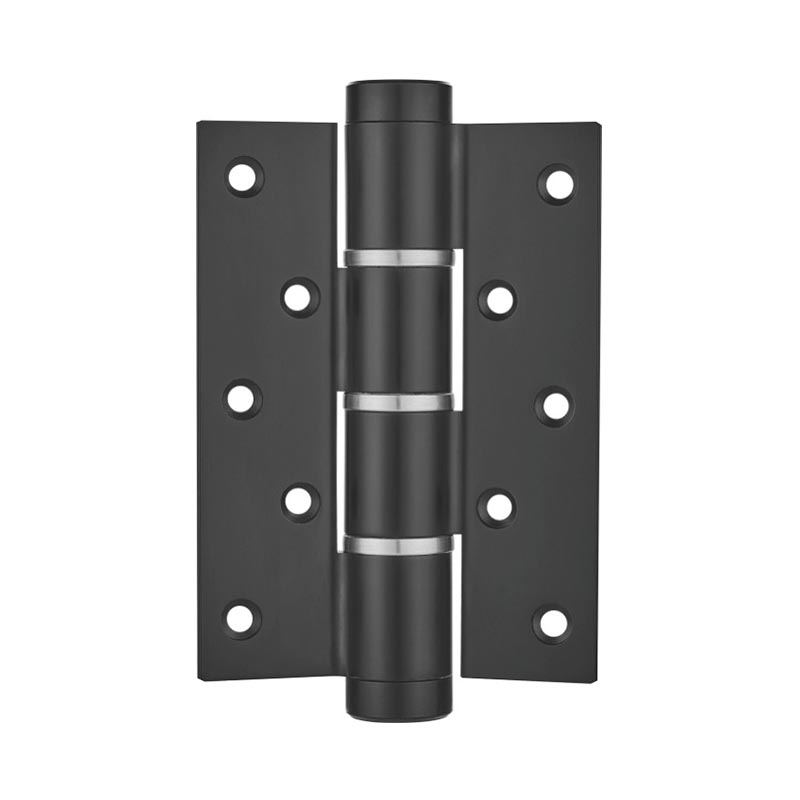
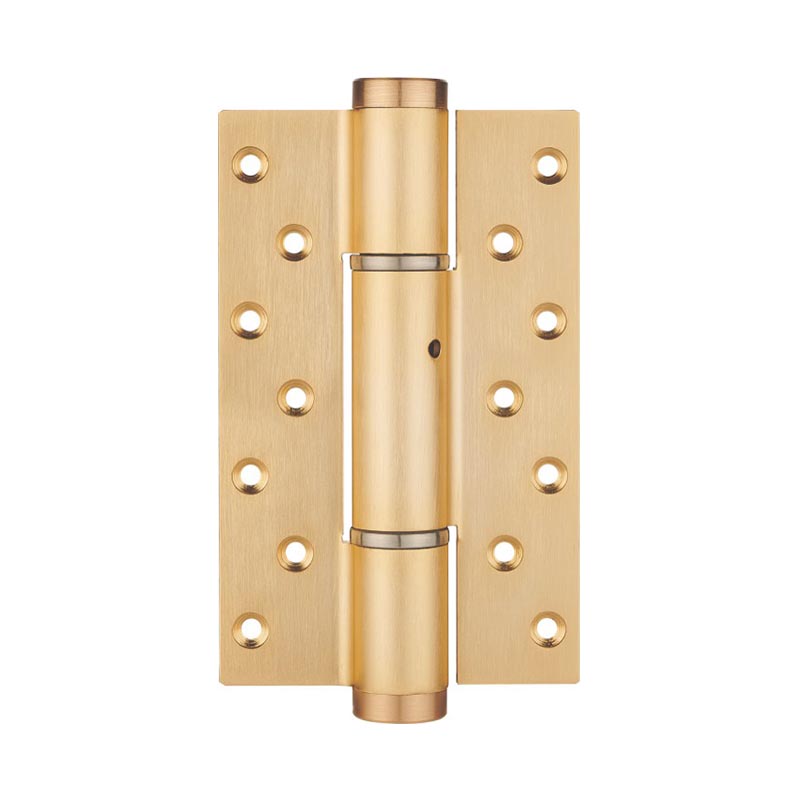
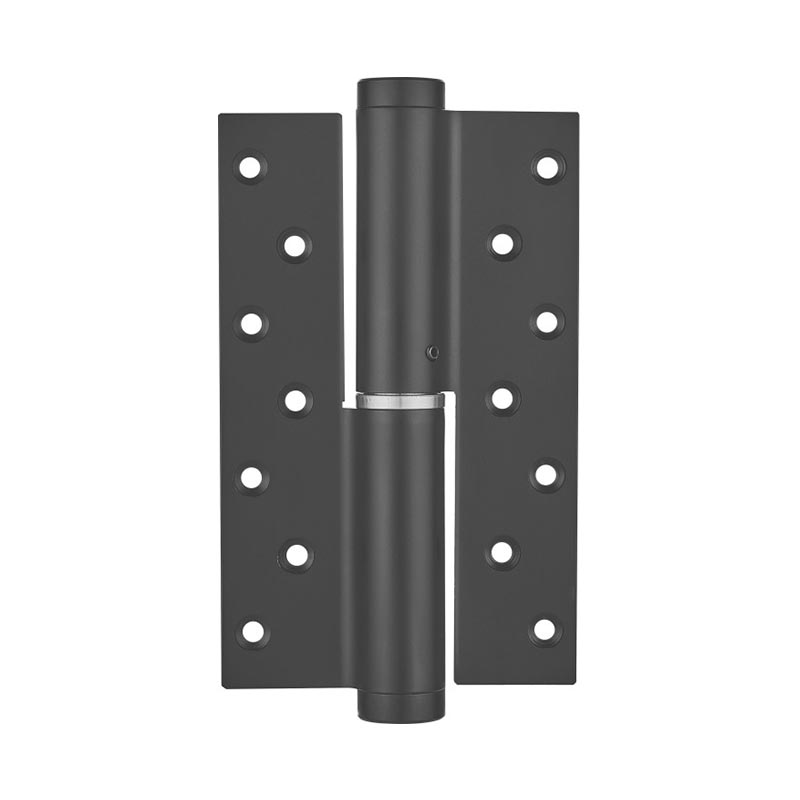
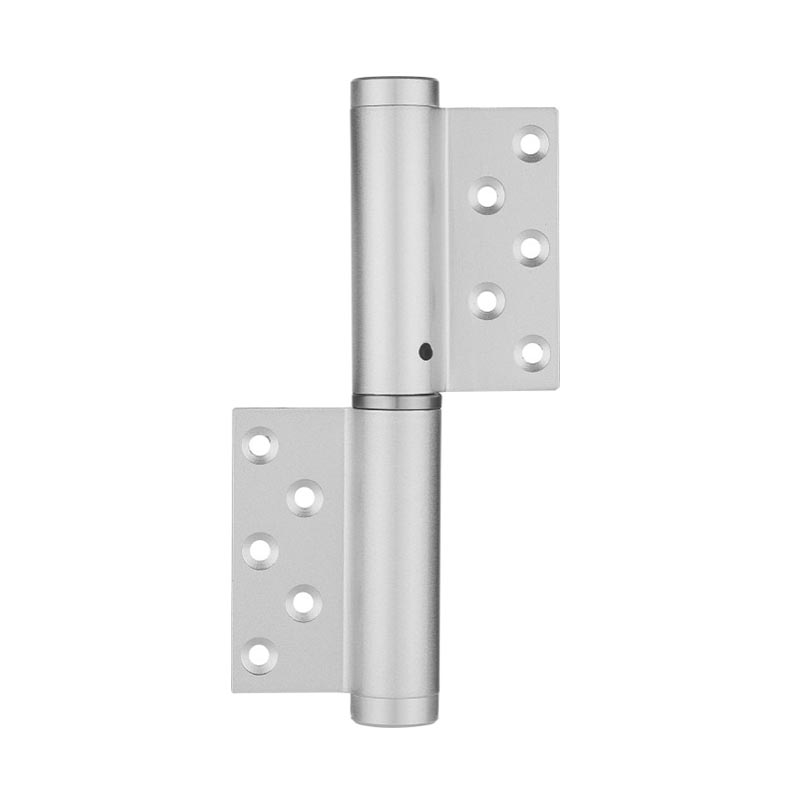
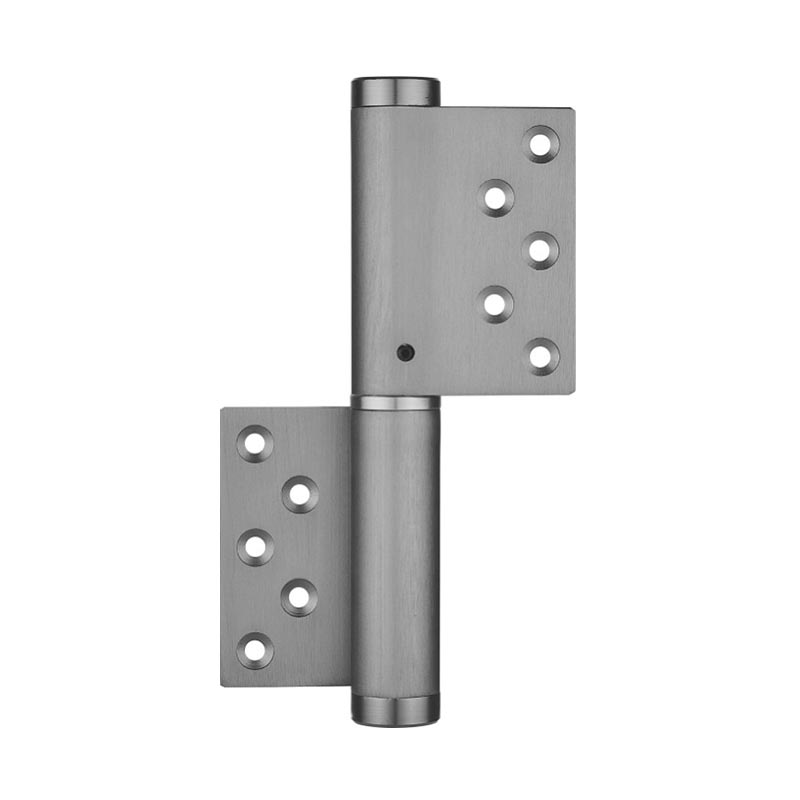
Doors move more often than most people notice. In busy spaces, they open and close all day without pause. The small components that guide this motion rarely draw attention, yet they shape how a space feels. Among these components, self closing hydraulic hinges have gained quiet interest across different sectors.
These hinges do more than connect a door to a frame. They influence how the door behaves, how it sounds, and how people interact with it. As buildings adapt to changing use patterns, this type of hinge is becoming part of everyday discussions in design and construction circles.
What Makes a Hinge "Self Closing" ?
A self closing hinge brings the door back to its closed position after it has been opened. The user does not need to push the door shut. The hinge takes on that role.
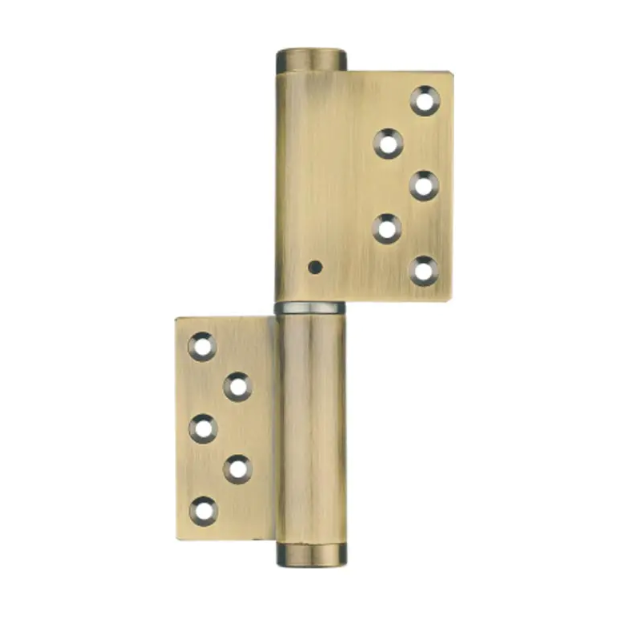
This function is built into the hinge itself. It works through internal resistance that controls the return motion. The closing action is not abrupt. It follows a steady path, reducing the chance of sudden impact.
This feature can be useful in spaces where doors are often left open by accident. It helps maintain a consistent door position without relying on user habits.
Hydraulic hardware adds built-in motion control, regulating both how fast and how hard a door swings. Rather than flying open or swinging wildly on its own, the door moves along a soft, steady path.
A sealed internal assembly creates gentle resistance within the hinge. This drag slows the door as it shifts, and the effect is clearest right before it hits the frame. There's no loud slam — it eases closed smoothly instead.
This regulated swing transforms how the door feels day-to-day. It runs much quieter, and its movement is easy to anticipate every single time.
Interest in self closing hydraulic hinges is linked to broader changes in how spaces are used. Doors are no longer treated as passive elements. They are part of the flow of movement within a building.
Several factors are contributing to this shift:
In this context, a hinge that combines support and motion control becomes more relevant. It reduces the need for additional components while offering a smoother experience.
These hinges appear in a range of environments. Their presence is often subtle, but their effect is noticeable over time.
Some common settings include:
Commercial interiors
Offices, retail spaces, and service areas often see steady door movement. A controlled closing action helps maintain order and reduce noise.
Public facilities
Doors in shared environments benefit from automatic return. It supports consistent use without requiring attention from each user.
Residential spaces
In certain areas of a home, a self closing feature can add convenience. It also helps manage airflow and separation between rooms.
Specialized rooms
Some spaces require doors to remain closed for functional reasons. A hinge that ensures closure can support this need without extra devices.
The range of applications continues to expand as awareness grows.
The difference between self closing hydraulic hinges and standard hinges becomes clear when looking at how they handle motion.
| Feature | Self Closing Hydraulic Hinges | Standard Hinges |
|---|---|---|
| Closing action | Built into hinge | Not included |
| Movement control | Guided and steady | Free movement |
| User effort | Minimal after opening | Requires manual closing |
| Noise level | Often reduced | Can vary |
| Additional devices | Usually not needed | May require extras |
This comparison highlights how the hinge itself can influence the overall door system. It shifts part of the responsibility from the user to the hardware.
Door hazards only become clear once an accident happens. Fast-swinging doors pose real dangers, particularly in high-foot-traffic zones.
Self-closing hydraulic hinges solve this risk by limiting closing speed. The door never snaps shut instantly; it glides slowly, giving anyone nearby enough time to react.
This feature shines in spots where people rush around or carry bulky goods. Regulated movement lowers the odds of accidental bumps or pinches.
These hinges also keep doors reliably shut every time. Properly closed doors help partition spaces and maintain clear safety separations indoors.
Tiny hardware details quietly set the tone of any room, and a door's swing changes comfort without anyone noticing why.
Doors fitted with hydraulic hardware feel far more peaceful to use. No loud slams disrupt the atmosphere, a huge plus for offices, lobbies and other quiet areas.
Its movement stays consistent, so people never need to second-guess how the door will act. Guests simply pass through without pausing, confident the door will close on its own.
After regular use, this steady flow creates a more natural pace throughout the building. Everything functions seamlessly without people having to stop and think about the door.
Design work isn't just about how something looks; it's about how all parts work as a whole. A hinge that controls swing motion impacts both a door's visual style and how people use it day to day.
Self-closing hydraulic hinges let builders create sleeker door assemblies. Their built-in closing mechanism removes the need for bulky, exposed add-on door closers.
This fits perfectly with minimalist design trends that prioritize clean, uncluttered sightlines. Even so, the hinge has to match the door's overall build—striking the right balance between good looks and practical performance is key.
Architects and design teams always check how the hinge pairs up with door panels, frame materials and the style of the surrounding room.
Choosing a hinge involves more than selecting a type. It requires an understanding of how the door will be used.
Some points to reflect on include:
These factors can guide the decision without relying on complex criteria. The goal is to match the hinge to the needs of the space.
In some cases, a simple hinge may be enough. In others, added control can improve daily operation.
Production methods for hinges have been adapting to changing demands. There is more focus on consistency and integration.
Manufacturers are working to combine multiple functions within a single component. This reduces the need for separate parts and simplifies installation.
Attention is also given to surface finish and structural balance. These aspects affect both appearance and long-term use.
The shift is not about making hinges more complex. It is about making them more responsive to real-world conditions.
Flexibility is an important aspect of modern hardware. Doors vary in size, material, and purpose. A hinge must adapt to these differences.
Self closing hydraulic hinges are used with a range of door types. The key is alignment between the hinge and the door's characteristics.
This includes how the door moves, how often it is used, and what level of control is needed. When these factors are considered, the hinge can support consistent performance.
The ability to adapt across different settings contributes to their growing presence.
Even with new features, simplicity remains valuable. A hinge should not complicate the door system. It should make it easier to manage.
Self closing hydraulic hinges aim to balance function with ease of use. They bring control into the hinge without requiring constant attention.
This approach reflects a broader preference in design. People tend to favor solutions that work quietly in the background.
The hinge becomes part of the environment rather than a separate element that demands notice.

No.123, Kaixuan road, yunshan street, lanxi city, jinhua city, zhejiang province, china

+86-18066248602

+86-579-88864580

+86-579-88864581

Copyright © 2024 Lanxi Maya Hardware Co., Ltd. All Rights Reserved. Privacy Policy

Hydraulic Door Hinges Hardware Factory



 English
 Español
 русский