Doors that open all day tell a quiet story about design choices most people never think twice about. A service entrance in a busy kitchen swings back and forth without pause. A storage panel in a workshop lifts, rests, closes again. A gate at a delivery point moves with a steady, unbroken rhythm. These moments feel completely ordinary, yet every single one depends on hardware built to handle repetition without ever breaking the flow of work around it.
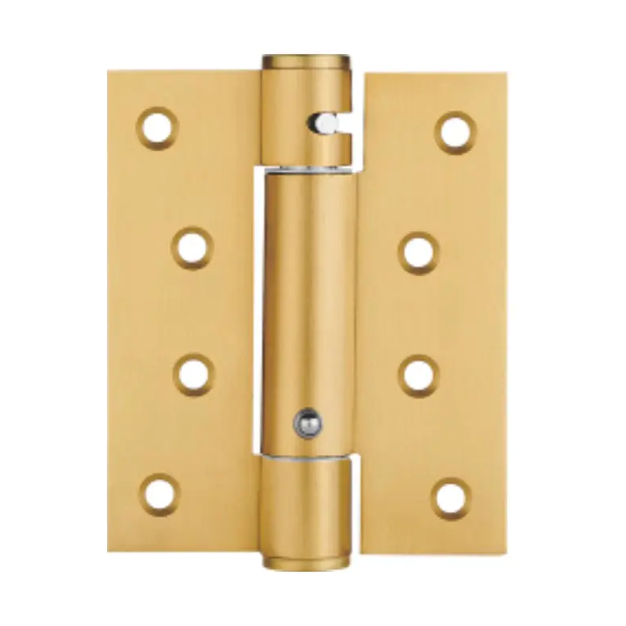
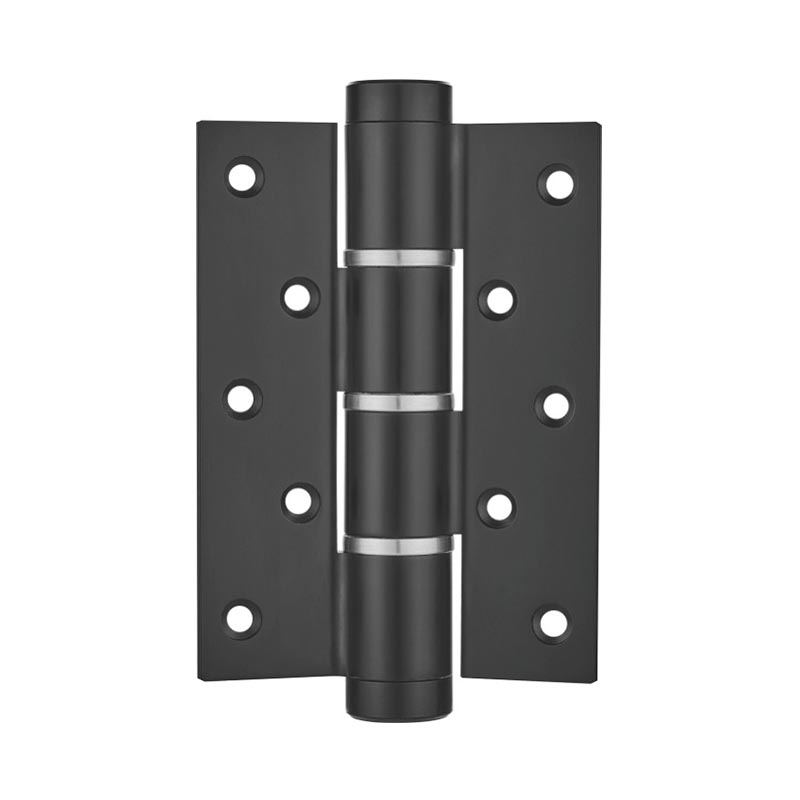
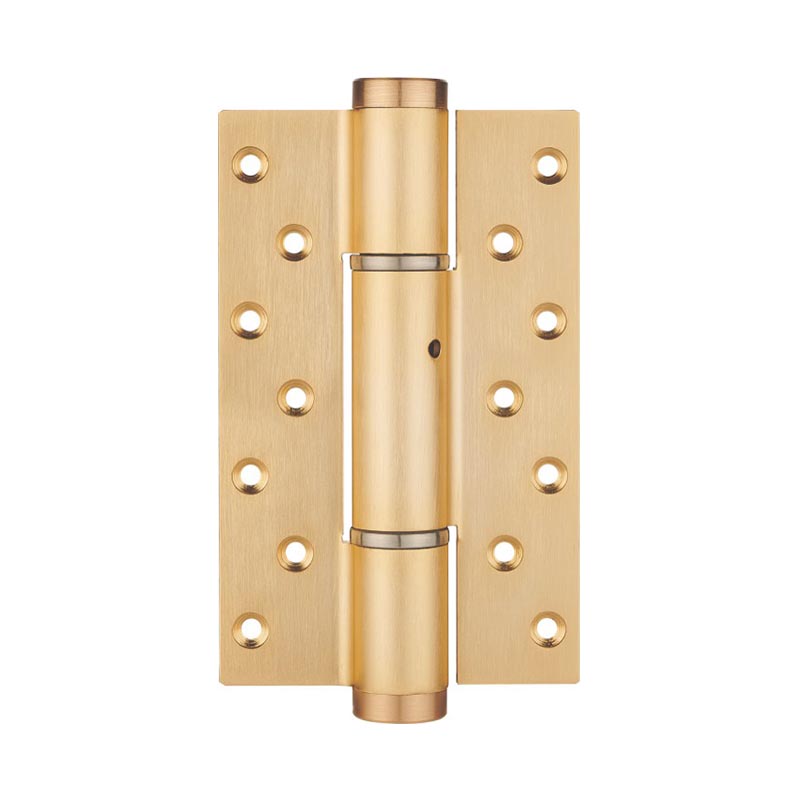
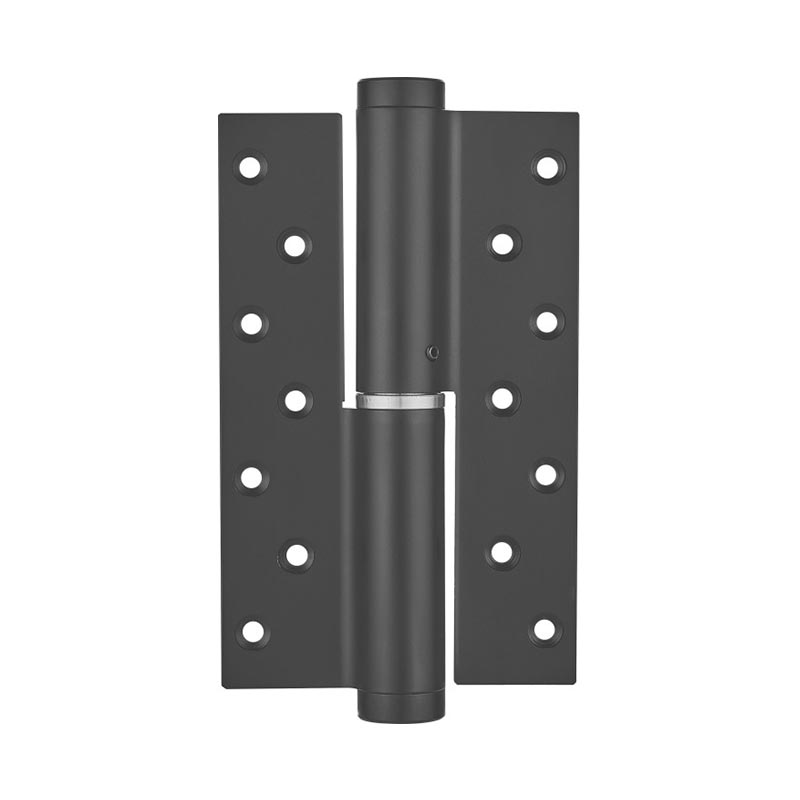
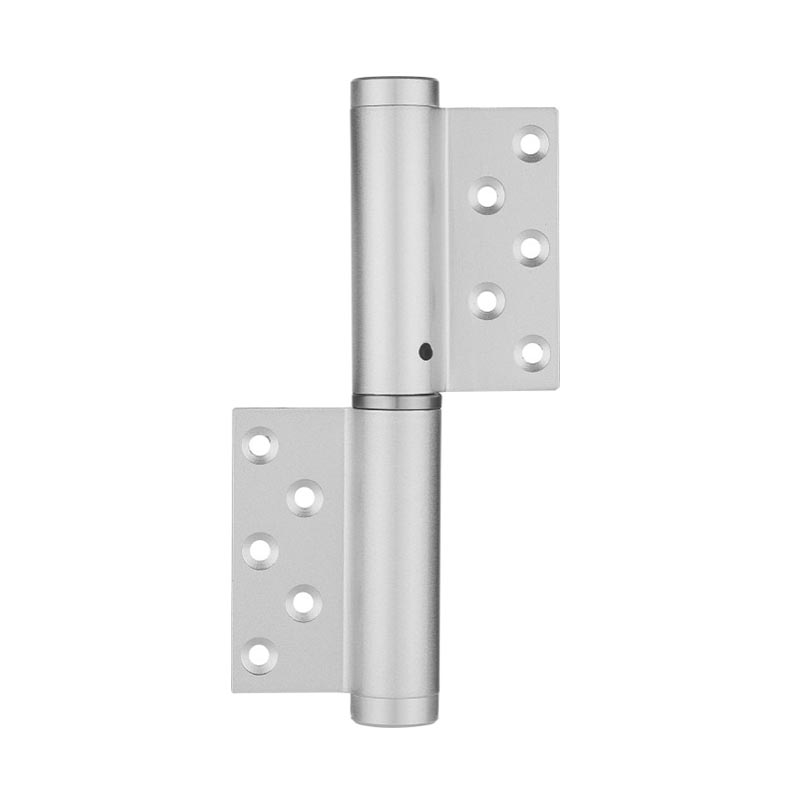
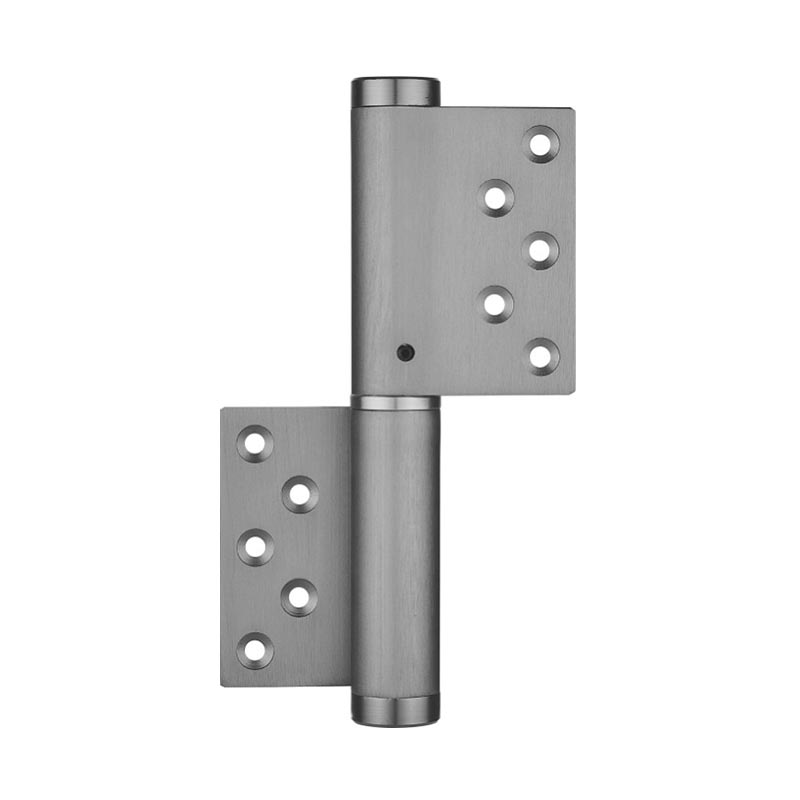
Heavy spring hinge have settled into that background system quietly. They're not always visible, but they genuinely shape how doors and panels behave over months and years of use. In spaces where movement never really stops, the real question isn't just about connection anymore. It's about support, consistency, and how each individual interaction actually feels.
Here's a closer look at how spring hinges hold up under frequent movement, and how they shape daily operation across different environments.
Frequent use genuinely changes what gets demanded of a hinge. A door opened a handful of times a day follows a completely different pattern than one used constantly throughout the day. Repetition has a way of exposing small weaknesses in movement, alignment, or balance that would otherwise go unnoticed.
A hinge in a high-use setting is expected to:
When a hinge falls short of these expectations, users start noticing resistance, uneven motion, or a general lack of control creeping in. Even tiny inconsistencies become a lot more noticeable once they repeat over and over throughout the day.
Steel spring hinge tend to get introduced exactly in these situations because they add a genuine layer of controlled movement. The internal spring guides how the door opens and closes, rather than leaving the whole job to whatever external force happens to be pushing or pulling it.
Movement was never just about opening and closing in the abstract. It's genuinely about how that motion actually feels to the person going through it. A door that swings too fast feels unstable underfoot. One that fights back against movement interrupts workflow before it even starts.
Spring hinges shape this whole experience directly. They deliver a controlled response supporting every cycle of movement, rather than relying purely on manual force from whoever's using the door.
A few effects of this design tend to show up:
These qualities become a lot more noticeable in spaces where people interact with doors or panels dozens of times within a short stretch of the day.
Frequent-use environments show up across a genuinely wide range of industries. Wherever repeated motion becomes part of the routine, there's a real need for hardware reliable enough to support that ongoing activity without wearing thin.
Spring hinges tend to show up in:
| Application Area | Typical Use Scenario |
|---|---|
| Service doors | Continuous entry and exit |
| Storage compartments | Repeated access to materials |
| Equipment covers | Regular inspection or adjustment |
| Utility enclosures | Daily operational access |
Each of these settings shares one thing in common. Movement isn't occasional here — it's woven into the routine itself. The hinge becomes part of that rhythm rather than sitting apart from it.
In these environments, even small improvements in how movement feels can genuinely ripple out into better efficiency and comfort across the whole space.
User experience usually gets discussed in terms of the visible, flashy features, yet hardware plays a genuinely quiet role in shaping how people interact with a space day to day. A door that moves in a controlled way cuts down on effort and builds a real sense of reliability over time.
Spring hinges contribute to that experience by:
These factors don't always get noticed directly in the moment. Instead, they fold into a general feeling that the product simply works the way it's supposed to.
In environments where time and efficiency genuinely matter, that kind of consistency shapes how tasks actually get done throughout the day.
Standard hinges deliver a basic connection between two parts, and in plenty of situations, that's genuinely enough. Once movement becomes frequent, though, the limitations of a purely simple connection tend to surface a lot faster.
The real difference comes down to how movement gets managed.
| Feature | Standard Hinge | Heavy Spring Hinge |
|---|---|---|
| Movement control | Manual | Assisted by internal spring |
| Response to repetition | May vary over time | Designed for consistency |
| User interaction | Direct force required | Supported motion |
| Application focus | General use | Repeated operation |
This comparison isn't suggesting one type replaces the other outright. It's really highlighting how different designs serve genuinely different needs depending on the situation.
In high-use environments, that added support from a spring mechanism genuinely helps maintain a steady pattern of movement that a basic hinge would struggle to hold onto over time.
Performance under repeated operation comes down to several conditions working together. The hinge itself is only one piece of a larger system that includes the door, the frame, and how users actually handle the whole structure day to day.
Key factors worth weighing:
A well-matched hinge genuinely supports these conditions, while a poor match can quietly undercut the whole design no matter how good the hinge itself is on paper.
That's exactly why selection tends to involve thinking through how the hinge fits within the overall structure, rather than treating it as some isolated component that works the same everywhere.
Frequent movement shows up across a genuinely wide range of industries, from commercial spaces through to heavy industrial environments. Each setting brings its own particular expectations, yet the underlying need for consistent operation stays remarkably similar across the board.
Spring hinges get used in areas like:
The adaptability of these hinges lets them fit comfortably into a lot of different contexts. Their core role stays consistent even as the surrounding application shifts quite a bit from one setting to the next.
Design trends often move toward simplicity and efficiency. There is growing interest in hardware that supports smooth interaction without drawing attention to itself.
Heavy spring hinges align with this direction. They provide functional support while remaining part of the background structure.
As spaces become more focused on user flow and ease of movement, small components that improve interaction may receive more attention.
The role of the hinge may remain quiet, yet its influence can be seen in how spaces operate and how users move through them.
In environments shaped by repetition, the question is not only whether a hinge can connect two parts. It is whether it can support the rhythm of daily use without interruption.

No.123, Kaixuan road, yunshan street, lanxi city, jinhua city, zhejiang province, china

+86-18066248602

+86-579-88864580

+86-579-88864581

Copyright © 2024 Lanxi Maya Hardware Co., Ltd. All Rights Reserved. Privacy Policy

Hydraulic Door Hinges Hardware Factory



 English
 Español
 русский