

 English
 Español
 русский
News
Home / News / Industry News / Vertical Spring Hinges Offer Flexible Options for Different Door Installation Needs
Doors do a lot more work than people usually give them credit for. They control access, help organize how space gets used, and quietly support all kinds of building functions day in and day out. As construction styles keep evolving, the hardware behind those doors has had to keep pace right alongside them.
Standard door components don't always fit every installation scenario, either. Different spaces call for different levels of convenience, appearance, and operational flexibility — and that mismatch has pushed hardware development toward solutions that can genuinely adapt across various door designs.
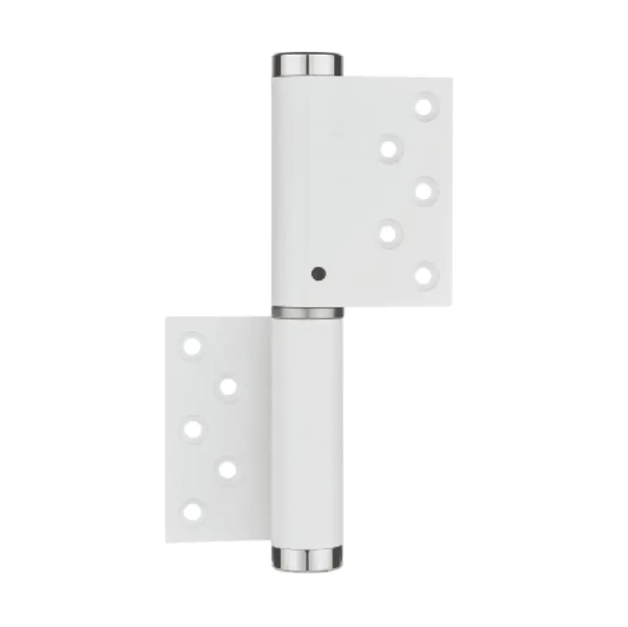
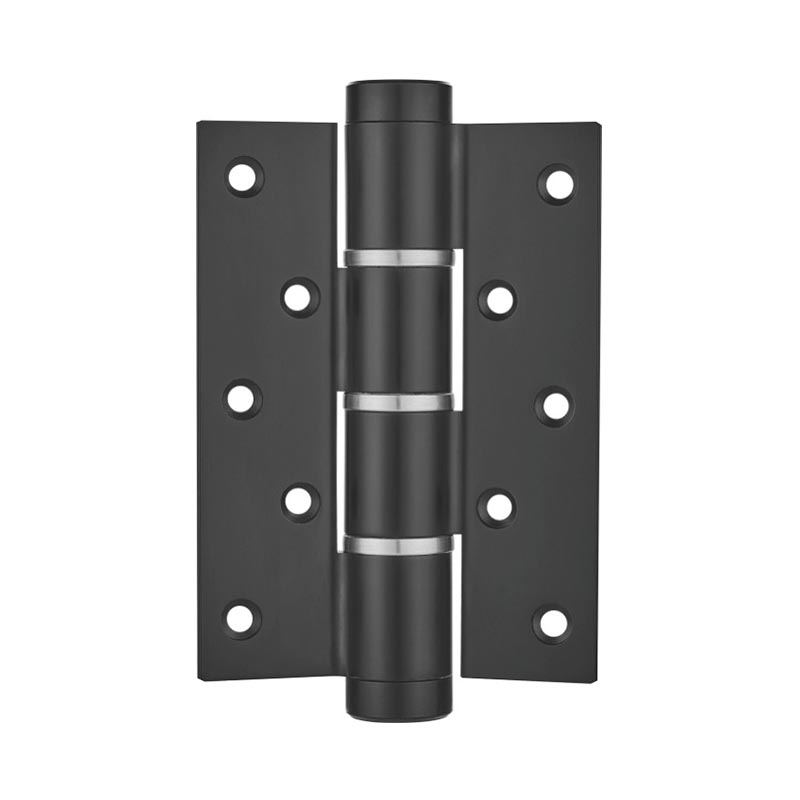
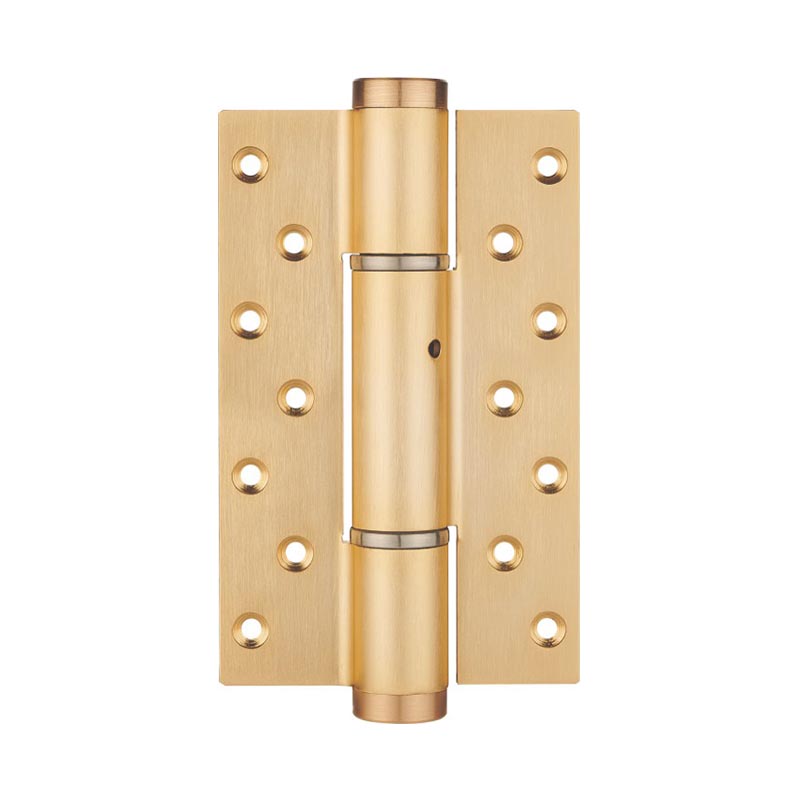
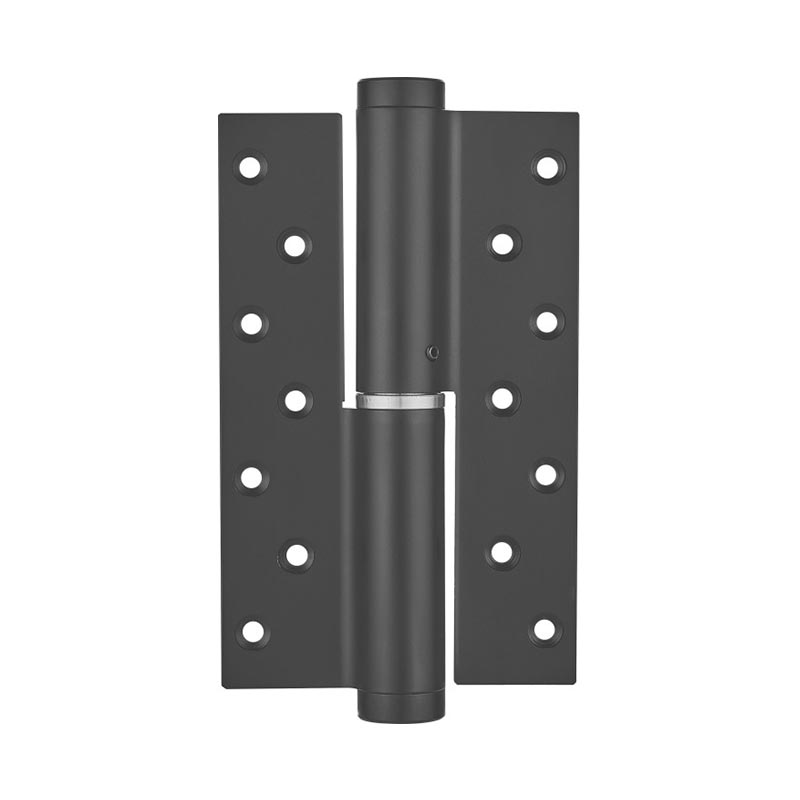
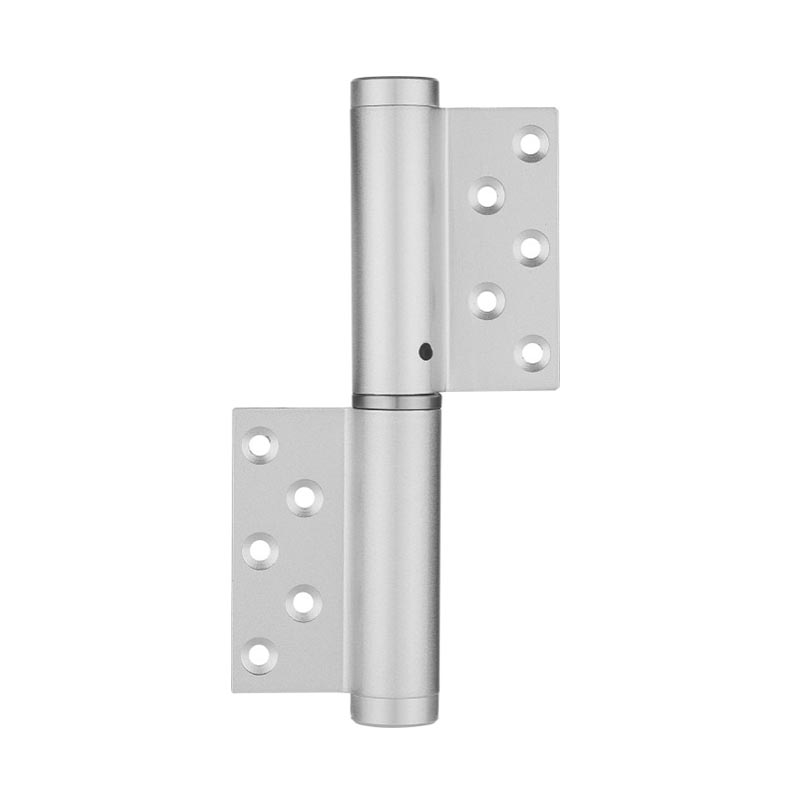
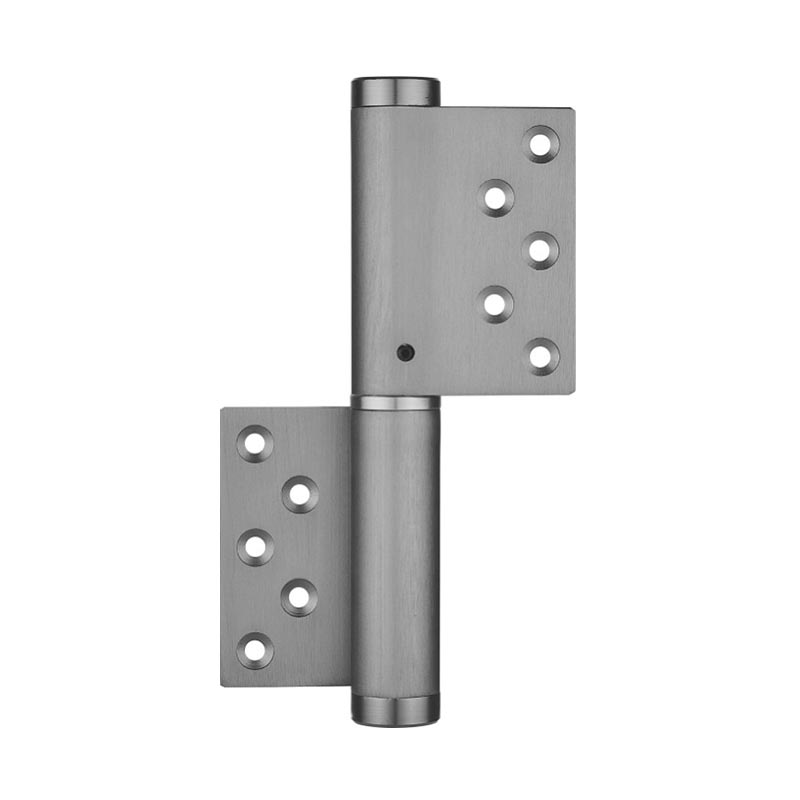
Vertical spring hinge have picked up real attention here because they offer exactly that kind of flexibility. They combine solid door movement support with genuinely practical design features, which makes them a workable fit across a wide range of applications.
Whether it's a home or a commercial building, people increasingly want door hardware that delivers smoother operation and better everyday usability. Hinges have stopped being just the simple connecting piece nobody thinks about — they've become genuinely important to how a door performs and how it feels to actually use.
This growing interest in spring hinges really tracks a bigger shift happening across the building hardware market as a whole, where adaptable solutions supporting different door styles and installation setups are getting a lot more attention than they used to.
The real difference here comes down to design intent. Traditional hinges are built with one job in mind — letting a door swing open and closed. Spring hinges go a step further, adding an integrated spring function that brings genuine closing assistance into the mix.
That extra element gives doors more controlled movement, which can genuinely smooth out the daily experience for whoever's using them while also opening up more installation possibilities.
| Feature | Traditional Door Hinges | Vertical Spring Hinges |
|---|---|---|
| Main function | Supports door movement | Supports movement with closing assistance |
| Application focus | General door installation | Flexible door control needs |
| Design purpose | Basic connection | Improved operation convenience |
| Usage situations | Common door systems | Various residential and commercial settings |
None of this means one hinge type is replacing the other, though — it's really about different hardware serving different needs.
Spring hinges have become a genuinely practical choice wherever people want more than just basic door movement, giving projects that need extra flexibility another solid option to reach for.
As building designs keep growing more varied, adaptable hardware like this keeps earning more attention — and spring hinges fit right into that trend by covering a wider range of door applications than traditional options typically manage.
Every door installation project comes with its own quirks — space layout, how often the door gets used, what users actually expect from it. All of that shapes what hardware ends up making sense.
Spring hinges bring genuine flexibility to the table because they work well across such a wide range of environments, particularly wherever controlled door movement really matters.
They show up commonly in:
In homes, these hinges help create smoother, more comfortable everyday door operation — exactly what a lot of homeowners are quietly hoping for.
In commercial spaces, door movement plays a real role in how traffic flows and how usable a space feels overall. Flexible hinge solutions genuinely help smooth out those interactions between people and the spaces they're moving through.
That ability to fit comfortably into so many different environments is a big part of why spring hinges keep drawing interest — they're a genuinely practical pick for projects that need adaptable door hardware.
Demand for flexible building solutions keeps climbing, and architects, builders, and property owners alike are paying closer attention to products built for genuine long-term usability.
Spring hinges have caught on largely because they tackle several common door installation headaches directly.
Supporting convenient door operation
Doors see heavy daily use, and hardware that smooths out that operation genuinely improves the overall experience for anyone passing through.
Matching different design requirements
Modern buildings juggle a lot of different door styles and layouts, and flexible hinge options give designers real room to explore more possibilities.
Improving installation choices
A broader range of hardware options gives installers a lot more freedom when actually planning out a project.
Supporting practical building management
Solid door performance genuinely contributes to better space management and everyday user comfort.
All of this really shows why hardware selection has earned a real place in building planning discussions. Small components like these can shape how people interact with a space far more than you'd expect.
Spring hinges fit comfortably into just about any type of space, mostly because doors show up in nearly every building environment imaginable.
On the residential side, common applications include:
Commercial settings lean on them too, particularly in:
Public spaces benefit from this kind of flexible door hardware as well — buildings that see heavy daily foot traffic genuinely need components built for reliable, consistent use.
That versatility is exactly what makes spring hinges useful across so many different industries. They're not locked into one specific door type or one particular kind of location.
As building designs keep evolving, hardware products that can stretch across broader application possibilities keep becoming more valuable.
Picking the right door hardware really comes down to understanding the actual installation environment first — different projects genuinely carry different expectations.
A few things worth weighing when choosing vertical spring hinges:
| Consideration | Why It Matters |
|---|---|
| Door application | Helps match the hinge with the intended use |
| Space conditions | Influences installation suitability |
| User requirements | Determines desired operation experience |
| Design style | Helps maintain overall appearance |
| Maintenance needs | Supports long-term usability |
The door's actual purpose deserves real thought here. A hinge working quietly in a private home has different demands than one holding up in a busy commercial space.
The surrounding environment matters just as much — space layout, door position, and typical daily usage patterns all shape what selection actually makes sense.
The right hinge should genuinely match both functional needs and design expectations at once. That balance is really what makes for a well-rounded door system overall.
Modern buildings keep pushing further into flexibility, with spaces increasingly designed to support multiple activities at once — and hardware has had to adapt right alongside that shift.
Spring hinges support that direction by giving designers and installers more genuine options for improving door usability across different setups.
The building industry, more broadly, keeps placing heavier emphasis on user experience too. People simply expect spaces to feel comfortable, convenient, and easy to move through.
Door hardware plays a quiet but genuinely important role in all of this. A well-chosen hinge can shape how smoothly people actually move through a building without them ever noticing why.
As design trends keep shifting, adaptable hardware solutions like this look set to remain a real fixture of construction planning going forward.
The future of door hardware is tightly bound up with how building requirements keep changing. As spaces grow more diverse, people are only going to keep hunting for flexible solutions that can keep up.
Spring hinges seem likely to stay genuinely relevant, mostly because they address needs that keep coming up again and again in modern door installation. Their ability to work across so many applications makes them a solid fit for a wide range of projects.
Future development will probably keep circling around better convenience, stronger design compatibility, and even more application flexibility than what's already out there.
This growing interest in adaptable hardware really reflects a bigger industry-wide trend — building components are steadily shifting toward practical performance and genuine user experience over anything purely decorative.
Vertical spring hinges capture that shift well, offering a genuinely flexible choice for a wide range of door installation needs. They're a good reminder that even a small hardware component can end up playing a real part in how modern building design keeps evolving.

No.123, Kaixuan road, yunshan street, lanxi city, jinhua city, zhejiang province, china

+86-18066248602

+86-579-88864580

+86-579-88864581

Copyright © 2024 Lanxi Maya Hardware Co., Ltd. All Rights Reserved. Privacy Policy

Hydraulic Door Hinges Hardware Factory