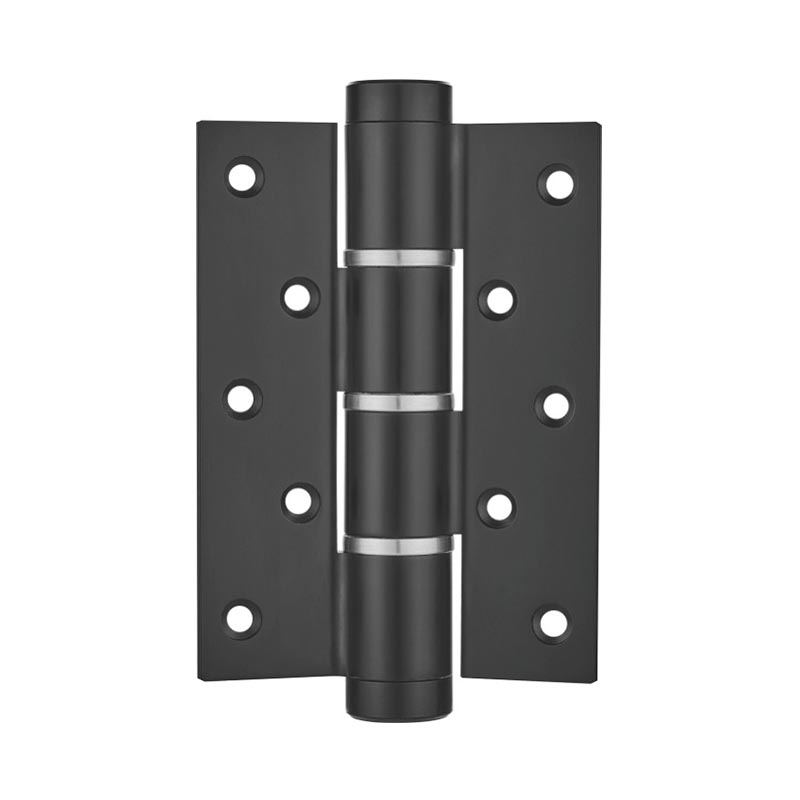
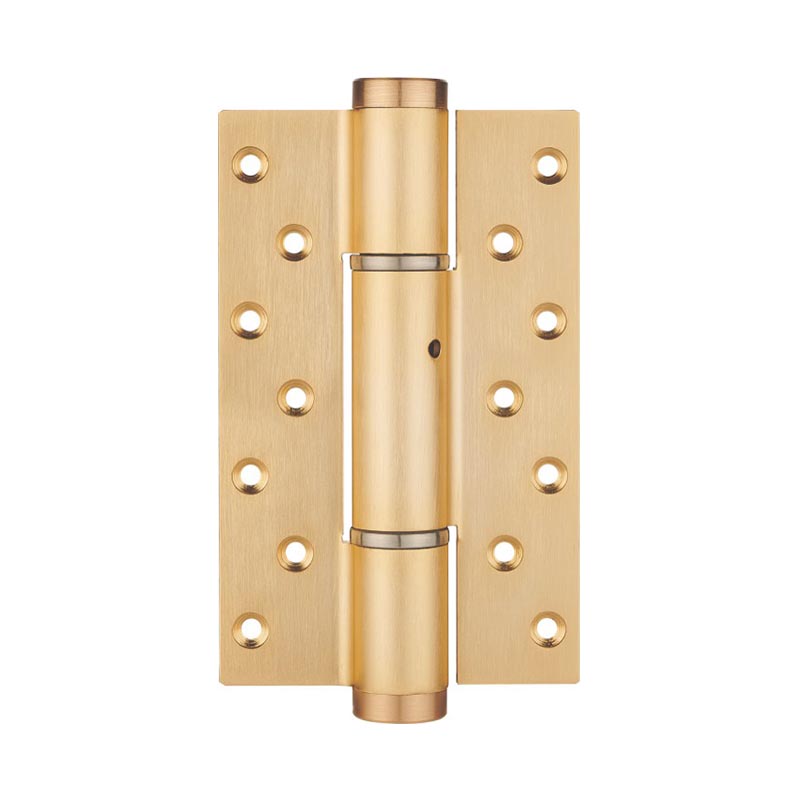
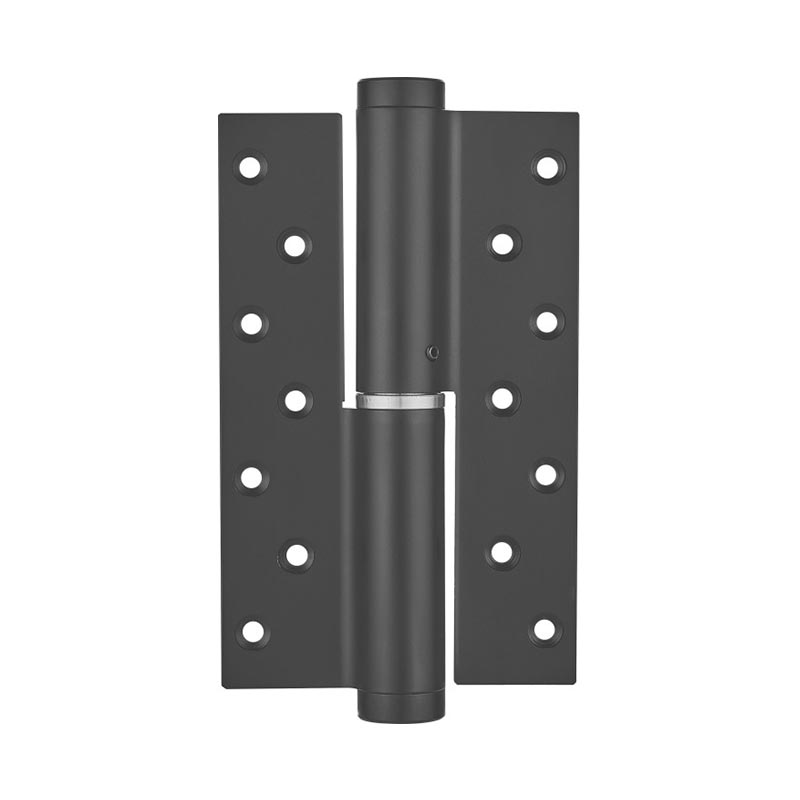
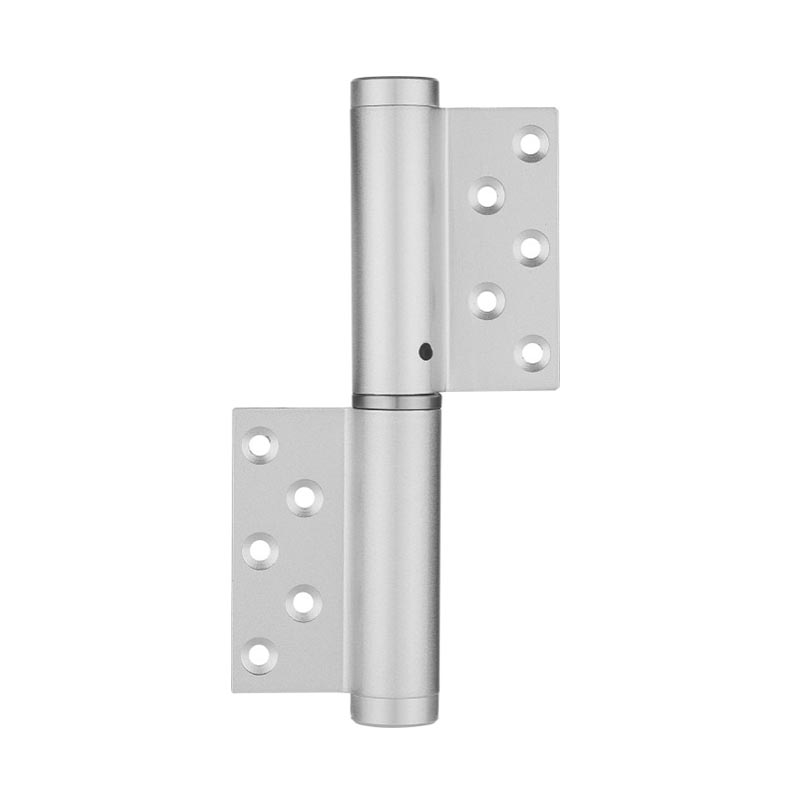
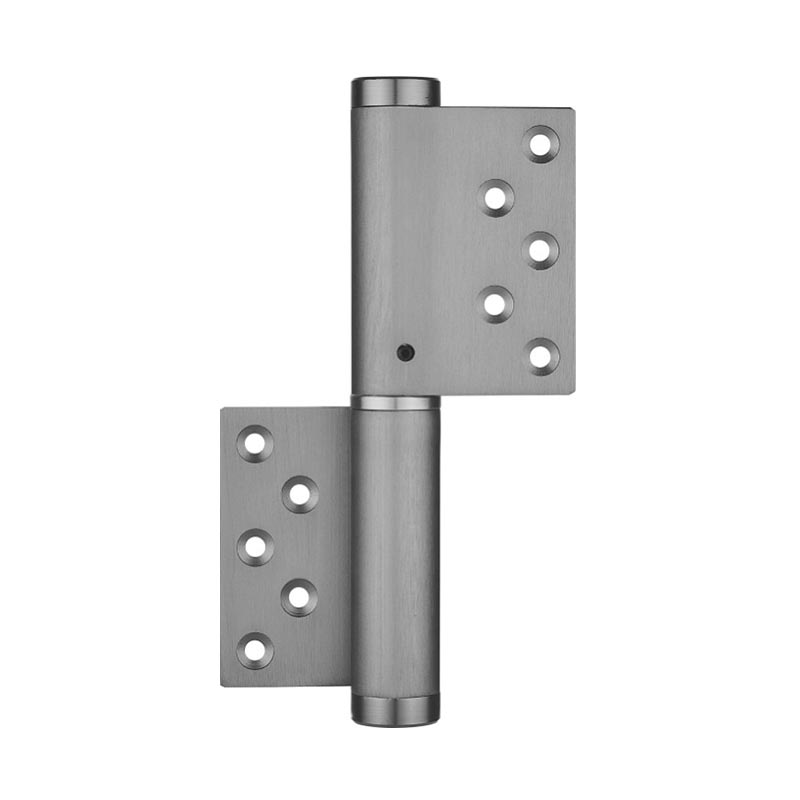
Commercial spring hinges are a small but practical part of door hardware systems. They are designed to help doors return to a closed position after being opened. The action is simple, but it changes how a space behaves in daily use.
In real buildings, doors are not static objects. They are constantly moving. People pass through, carry items, and shift between rooms. In this flow, whether a door stays open or closes on its own becomes part of how a space functions.
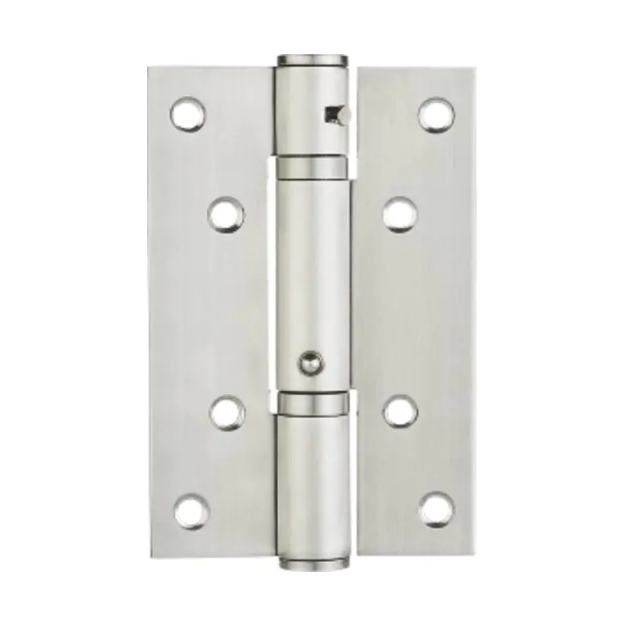
That is why spring hinges appear in many different door types. The application is not limited to a single category. It spreads based on usage patterns, traffic levels, and the purpose of each room.
Office spaces rely heavily on internal doors. These doors connect meeting rooms, work areas, storage rooms, and shared zones.
In such environments, doors are opened frequently but are not always manually closed. A door left open can affect privacy or concentration inside a room.
Spring hinges help reduce this issue by bringing the door back to a closed position naturally. No extra action is required.
Meeting rooms are a typical example. People enter with documents, devices, or presentations, and often forget to close the door fully. The hinge removes that dependency on attention.
The same applies to:
The function is subtle, but it supports a more controlled environment.
Restroom doors have a very specific expectation. They should close after use without requiring effort from the user.
In commercial spaces, this expectation is even more important because many people use the same facility throughout the day.
Spring hinges fit naturally into this scenario. Once the door is pushed open and released, it returns to a closed position.
This supports:
The motion is not aggressive. It is typically designed to feel controlled and predictable rather than fast or forceful.
Behind public-facing spaces, storage rooms play a quiet but important role. They are accessed frequently but not always monitored closely.
Staff enter to take supplies, equipment, or materials, then move on quickly.
In that flow, doors are often left slightly open unintentionally. Over time, this can affect organization or room control.
Spring hinges help stabilize this situation. After each entry, the door returns to a closed position.
This is useful for:
The benefit is not about speed. It is about maintaining a consistent room state without extra attention.
In retail environments, customers see only part of the building. Behind the scenes, there are storage and service areas with constant staff movement.
Doors connecting these spaces are opened many times during working hours. Some are used while carrying items, which makes manual closing less reliable.
Spring hinges help maintain order in these areas.
They are commonly used on:
These doors are not part of the customer experience directly, but they support the structure behind it.
Keeping them closed when not in use helps maintain organization and separation between zones.
Hotels and restaurants have a different kind of door usage pattern. Movement is constant, and timing is often unpredictable.
Doors separate guest areas from service zones. They also divide functional spaces behind the scenes.
In these conditions, spring hinges provide a quiet control function.
They are often found in:
The key requirement here is not appearance. It is predictable movement. Doors need to return to a stable position after use, even during busy hours.
Schools and training facilities have doors that are used repeatedly throughout the day by different groups of people.
Class transitions, breaks, and activity changes all create frequent movement through corridors and rooms.
In these environments, doors can easily remain open simply due to high activity levels.
Spring hinges help reduce that pattern by returning doors to a closed position after each use.
Common applications include:
The effect is not about control in a strict sense. It is more about maintaining structure in a constantly moving environment.
In workshop environments, movement is practical and continuous. People move between zones while carrying tools or materials.
Doors in these areas are often used without stopping to close them manually.
Spring hinges provide a passive closing action. After passing through, the door naturally returns to its position.
They are often used on:
This helps maintain separation between working areas without interrupting workflow.
Not all doors behave the same way. Some are light and easy to move. Others are heavy and require more control.
Spring hinges respond differently depending on door weight and structure.
Light doors tend to close quickly. Heavier doors need more controlled movement to avoid sudden closing.
In practice:
The goal is not speed, but stable and predictable return behavior.
High-traffic environments create a simple problem. Doors are used too often for manual closing to be reliable.
People forget, rush, or carry objects. In all these cases, doors may remain open unintentionally.
Spring hinges solve this by removing the need for conscious closing.
The door closes itself after use, regardless of attention or situation.
This makes them practical in:
Anywhere movement is frequent, the benefit becomes more noticeable.
Even though applications vary, the logic behind usage is similar.
If a door needs to return to a closed position without relying on people, spring hinges become useful.
That is why they appear across very different environments. The function does not change, but the context does.
A restroom door, a storage door, and an office door do not serve the same purpose, yet they share one behavior requirement: predictable closure after use.
Damping Spring Hinges remain widely used because the idea behind them is simple and practical.
They do not depend on power systems or complex installation. They work through mechanical return action.
In environments where reliability matters more than complexity, this simplicity becomes valuable.
As long as buildings rely on doors with frequent movement, spring hinges continue to have a place in daily operation.

No.123, Kaixuan road, yunshan street, lanxi city, jinhua city, zhejiang province, china

+86-18066248602

+86-579-88864580

+86-579-88864581

Copyright © 2024 Lanxi Maya Hardware Co., Ltd. All Rights Reserved. Privacy Policy

Hydraulic Door Hinges Hardware Factory



 English
 Español
 русский