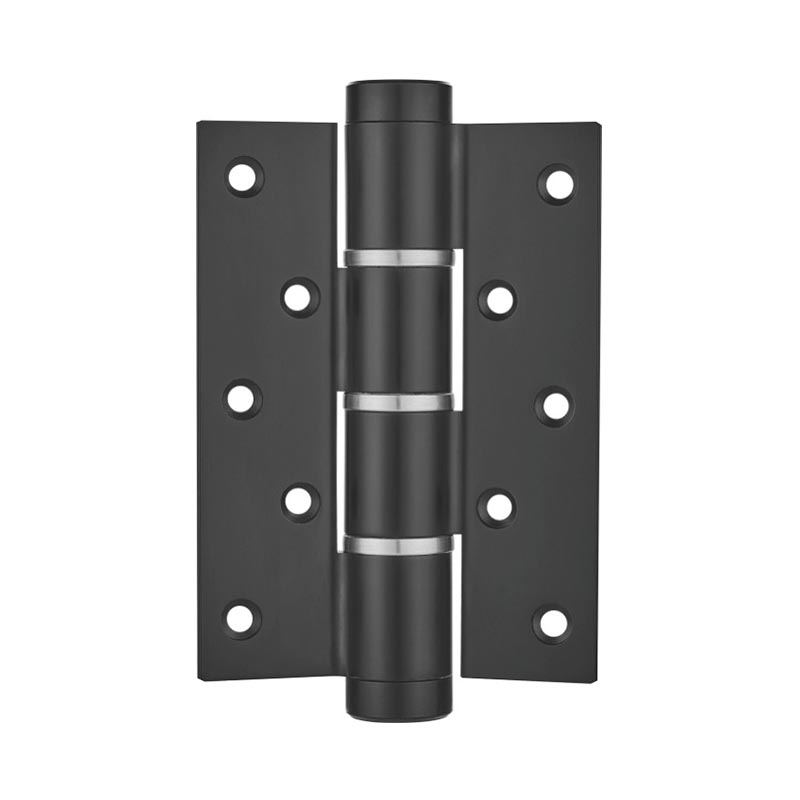
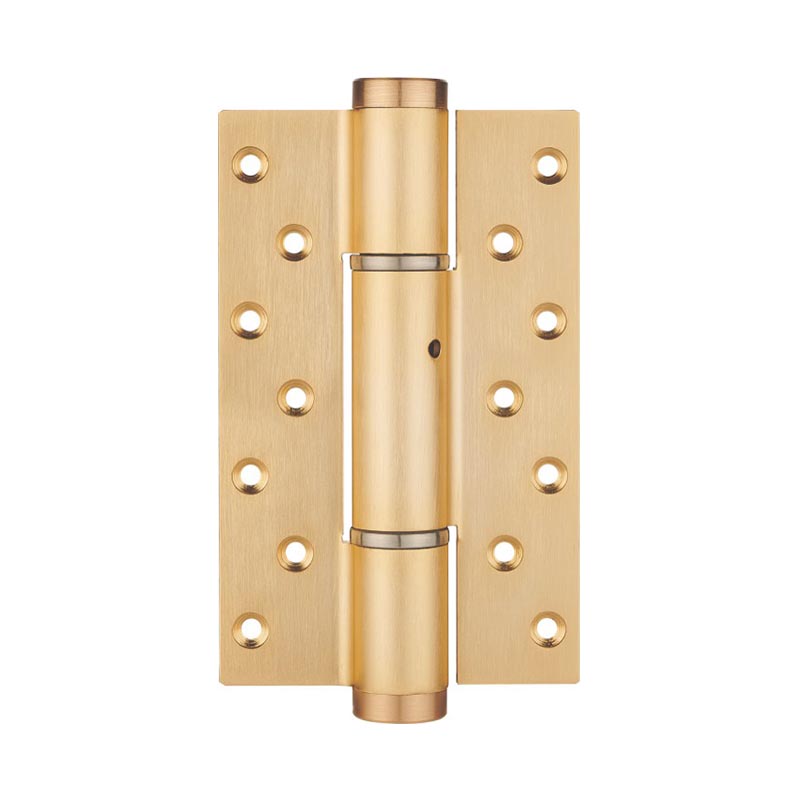
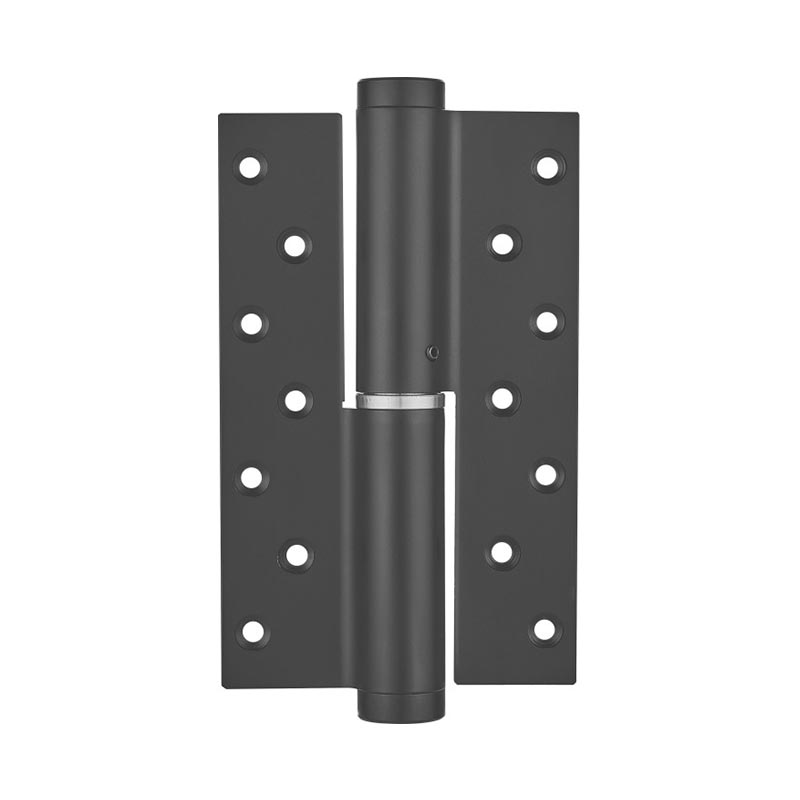
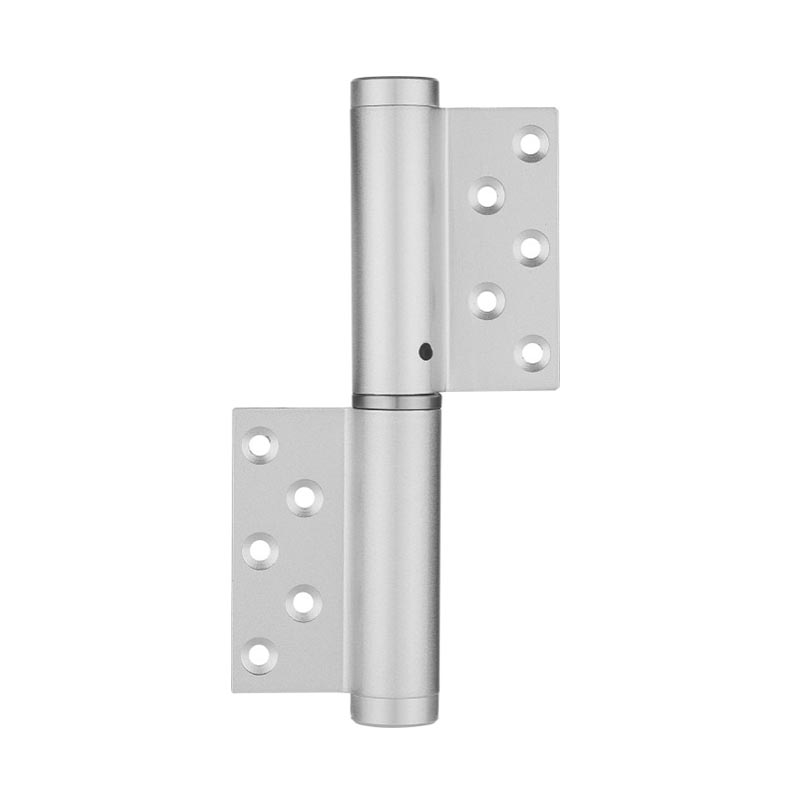
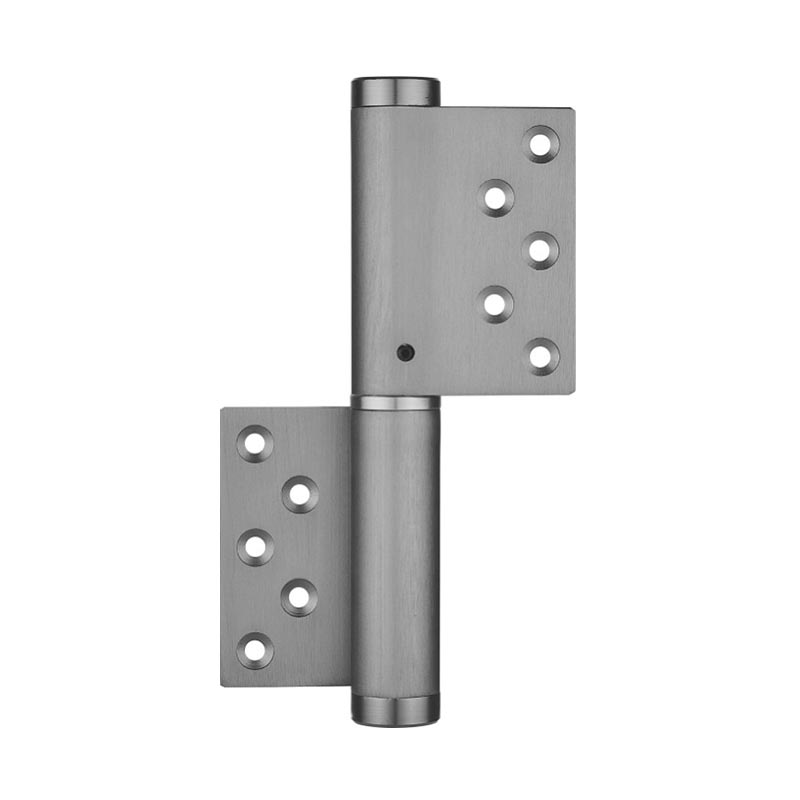
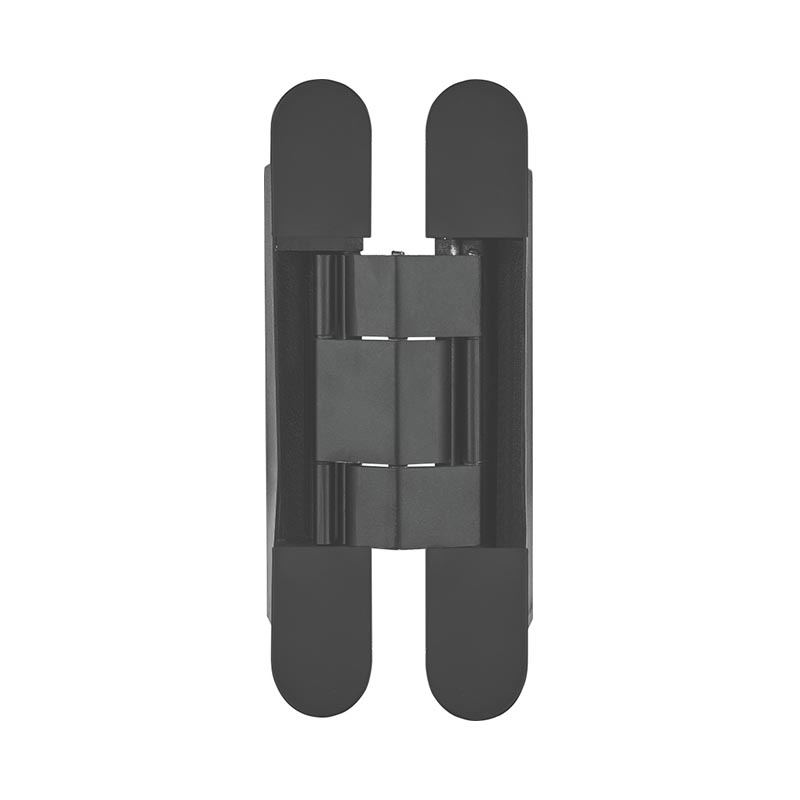
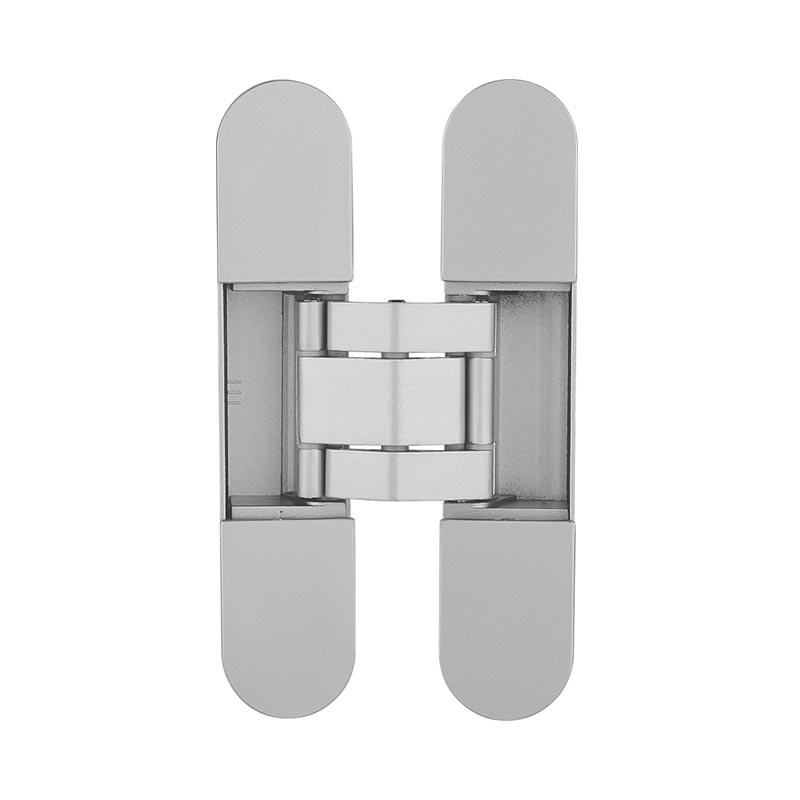
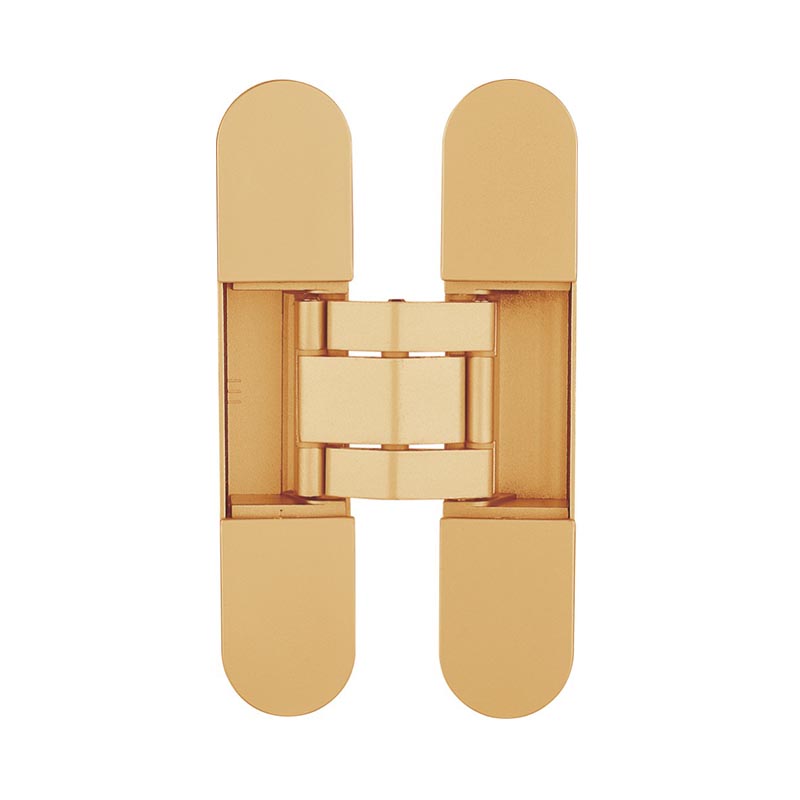
Hinges are easy to overlook. They sit quietly between a door and its frame, doing the same job thousands of times without drawing attention. Yet the way a door moves often depends entirely on this small component.
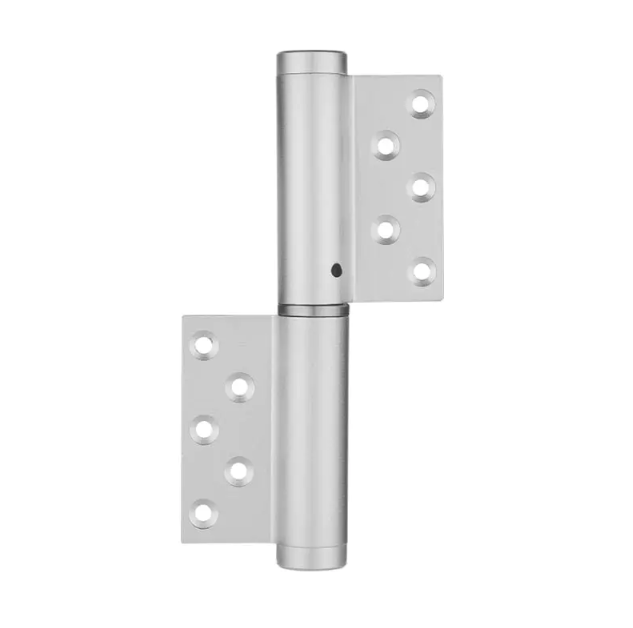
In many spaces, standard hinges are still common. They perform a simple task: allow a door or panel to swing open and close. Oleodynamic hinges, however, introduce a different behavior. The movement feels controlled, slower, and more stable at the final closing stage.
The difference is not only about structure. It is about how motion is managed.
Standard hinges follow a straightforward mechanical principle. Two plates are connected by a pivot point. This allows rotation in a single direction.
The movement is fully dependent on external force. If you push the door gently, it moves slowly. If you push harder, it swings faster. Nothing inside the hinge controls that motion.
Because of this, standard hinges are simple, durable, and widely used. They do not modify speed or resistance. They only provide movement.
Common characteristics include:
This simplicity is also their limitation in environments where controlled motion is preferred.
Oleodynamic introduce internal resistance that interacts with motion. Instead of allowing the door to close freely, they slow it down gradually.
The movement feels more measured. When the door reaches the final phase of closing, it does not slam. It eases into position.
This change is not visible from the outside. The difference is felt during use.
Key characteristics include:
The result is a more stable and quieter experience in daily use.
Doors and cabinets are used repeatedly throughout the day. In homes, offices, and commercial spaces, movement becomes part of routine activity.
With standard hinges, repeated closing can create noise or impact over time. The force depends entirely on the user, which leads to inconsistency.
Oleodynamic respond differently. They moderate the motion regardless of how the door is pushed. This creates a more uniform experience.
In practical terms, this affects:
Small changes in motion can influence long-term use more than expected.
Putting complex technical terms aside, oleodynamic are built to control how much resistance there is as a door moves. When you swing the door, internal parts react to that movement and slow it down step‑by‑step.
This built‑in regulation is what sets it apart from ordinary hinges. Doors don't swing freely without restriction; instead, movement eases and adjusts as the door shifts position.
This soft‑closing effect is most obvious right before the door shuts fully, where motion slows noticeably for a gentle finish.
Standard hinges remain widely used because they are simple and predictable. There are no internal adjustments affecting speed. What you see is what you get.
However, this also means:
In environments where speed and simplicity matter more than control, this is often acceptable.
The difference becomes clearer in environments where doors are used frequently or where quiet movement is preferred.
Common usage areas include:
In these settings, the controlled closing motion helps reduce abrupt contact and improves user comfort.
Even small improvements in movement feel noticeable when repeated many times a day.
The contrast between the two hinge types is most obvious during closing.
With standard hinges, the experience depends on how the user interacts with the door. A light push leads to a gentle close. A stronger push leads to a faster impact.
With oleodynamic , the outcome is more consistent. The final movement slows down regardless of force.
This leads to:
In shared environments, this consistency becomes especially noticeable.
Noise is often one of the first differences people notice.
Standard hinges can produce sound when doors close quickly or hit the frame. Over time, this becomes part of the background environment.
Oleodynamic hinges reduce this effect by slowing the final movement. The door meets the frame more gently, which lowers impact sound.
This also affects physical wear. Repeated hard closing can affect surfaces over time. Controlled movement reduces that stress.
The difference is subtle in a single action but significant over repeated use.
From an installation perspective, both hinge types may appear similar in placement. The difference is not in how they are mounted, but in how they behave afterward.
Once installed, standard hinges require no adjustment for motion behavior. They function purely as mechanical joints.
Oleodynamic hinges introduce a self-managed motion system. Once in place, they regulate closing speed automatically.
Users do not need to adjust behavior. The hinge responds on its own during movement.
| Feature | Standard Hinges | Oleodynamic Hinges |
|---|---|---|
| Movement control | None | Built-in resistance |
| Closing speed | Depends on force | Gradually controlled |
| Noise level | Variable | Reduced during closing |
| User effort | Manual control needed | Less adjustment required |
| Wear on surfaces | Higher with force impact | Reduced over time |
| Feel of motion | Direct and immediate | Smooth and gradual |
This comparison highlights the behavioral difference rather than structural detail.
Small mechanical parts often influence daily experience more than expected. A hinge is used every time a door moves. That repetition turns minor differences into noticeable patterns.
A standard hinge relies on user behavior. An oleodynamic hinge shapes that behavior slightly by controlling motion.
Neither approach is inherently better in all situations. The choice depends on how the space is used and what kind of interaction is preferred.
When picking between these two hinge styles, it mostly comes down to personal priorities rather than one option being technically better overall.
Some people favor straightforward function and free‑moving door action. Others want gentler, regulated closing motion with less noise around the home.
Key points that guide the decision:
All these practical factors decide which hinge type works best for each individual space.
Today's home interiors prioritize everyday comfort and quiet, smooth daily use. People expect doors and fittings to move gently and predictably.
In this style of living space, oleodynamic match modern tastes perfectly. They let doors close slowly and softly without sharp slamming, giving a more polished, high‑end feel.
Basic standard hinges are still widely used where simple design or budget is the main concern. Both hinge types still have their place in modern homes, just for different practical needs.
At the core, the difference is about control of motion.
Standard hinges allow movement without interference. Oleodynamic hinges guide that movement toward a controlled finish.
One reflects simplicity. The other reflects managed motion.
In everyday use, that difference appears each time a door closes, quietly shaping how a space feels without drawing attention to itself.

No.123, Kaixuan road, yunshan street, lanxi city, jinhua city, zhejiang province, china

+86-18066248602

+86-579-88864580

+86-579-88864581

Copyright © 2024 Lanxi Maya Hardware Co., Ltd. All Rights Reserved. Privacy Policy

Hydraulic Door Hinges Hardware Factory



 English
 Español
 русский