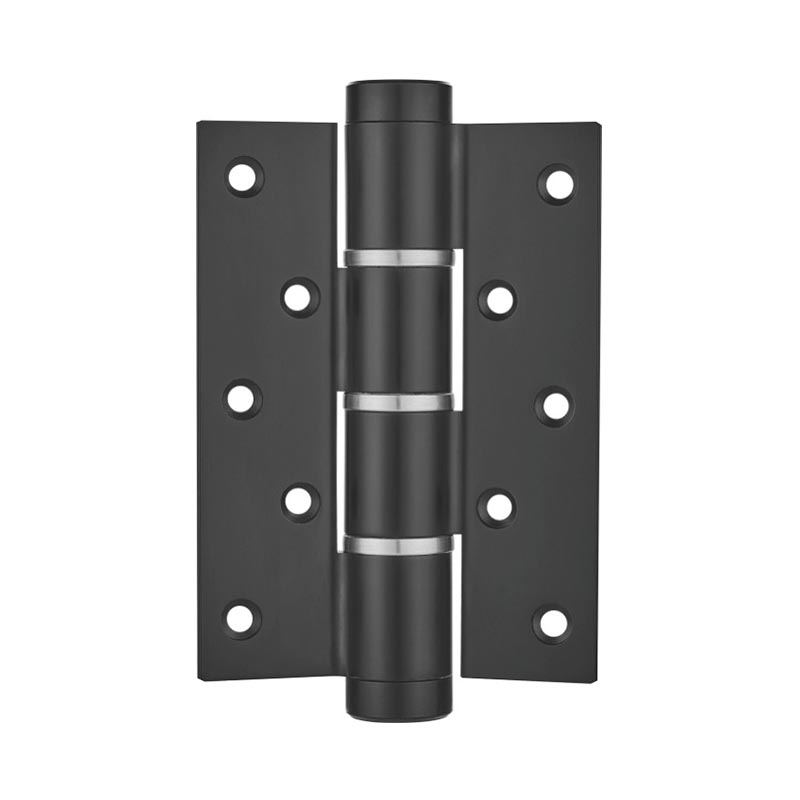
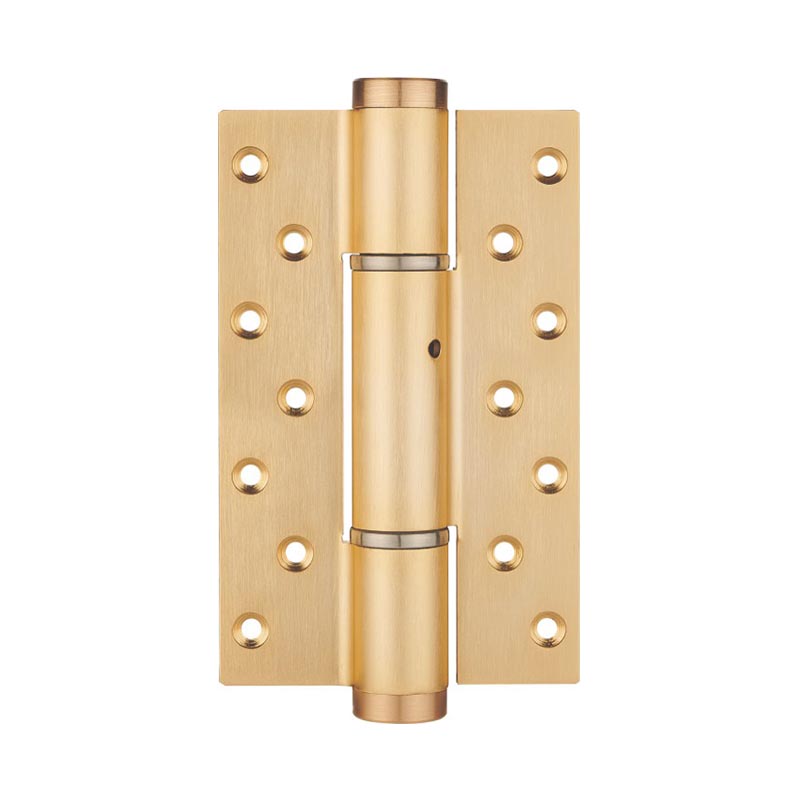
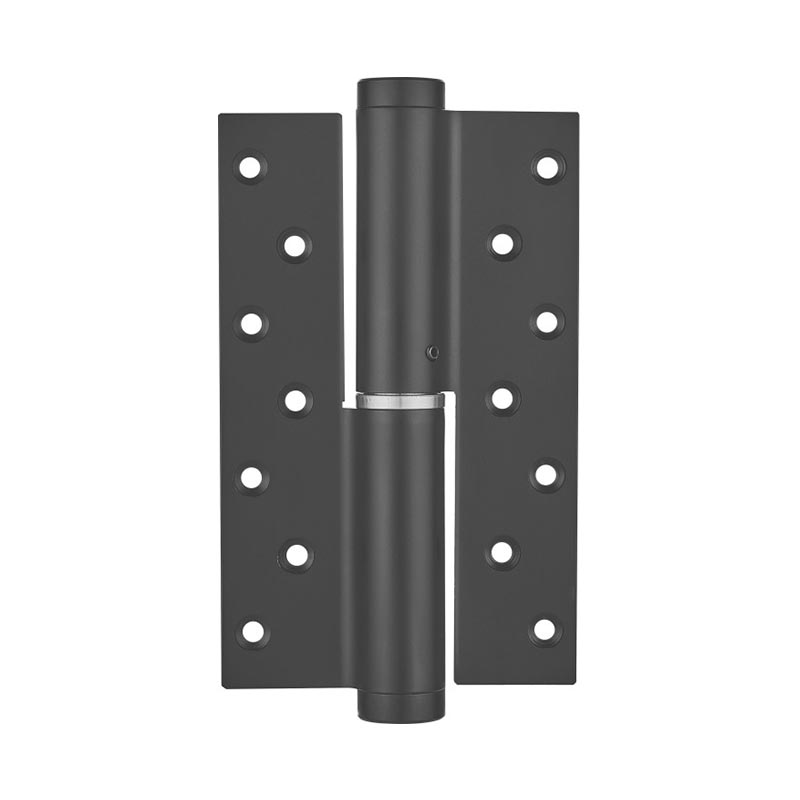
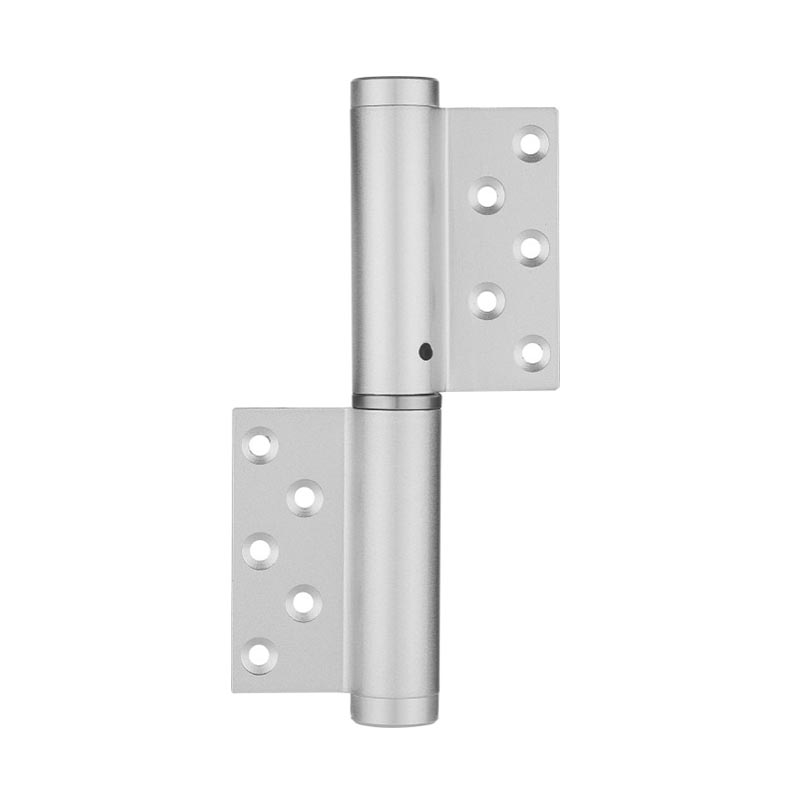
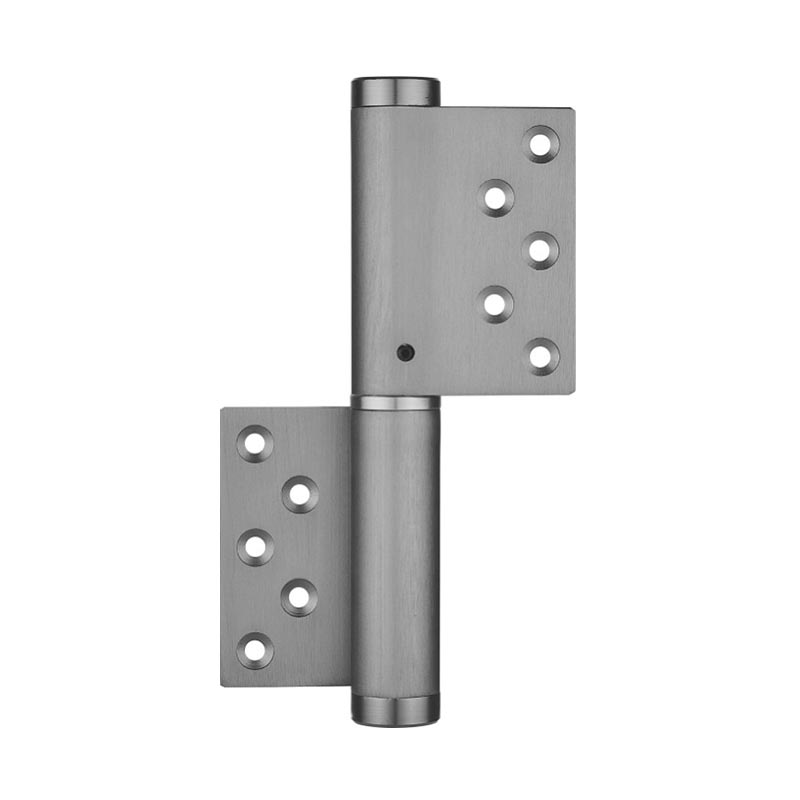
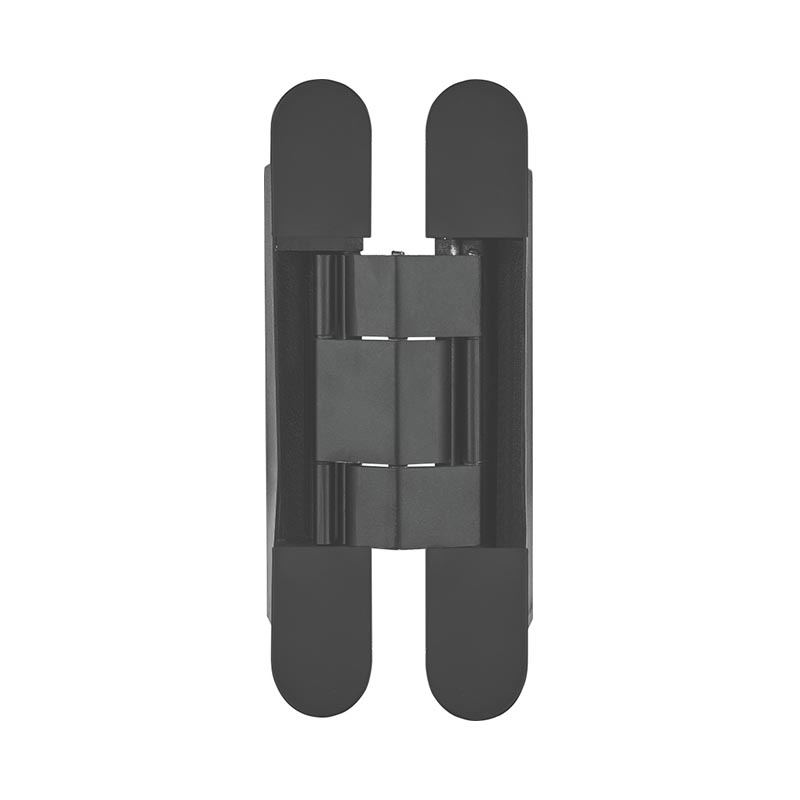
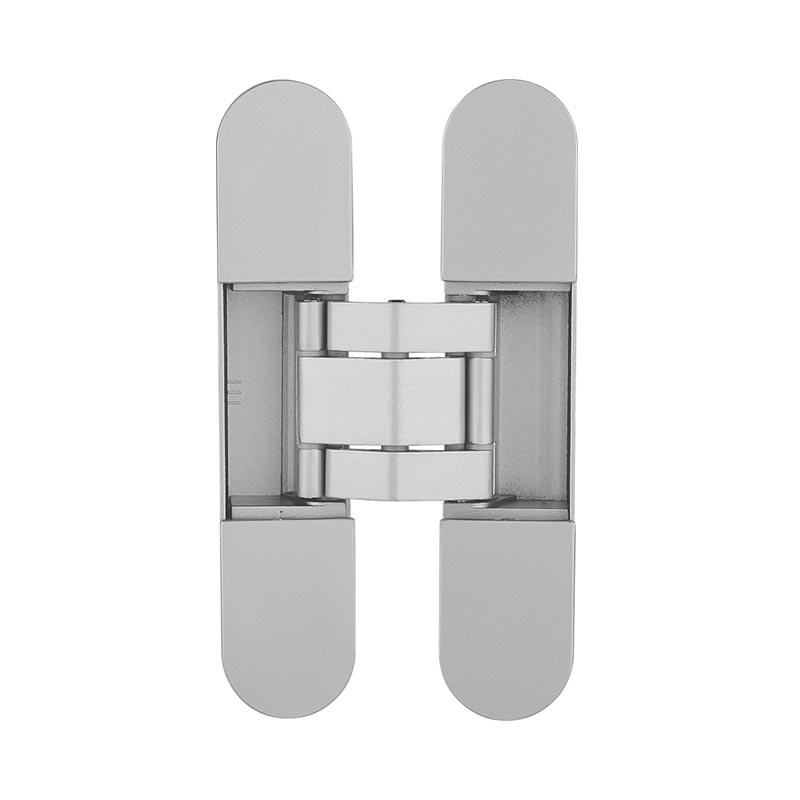
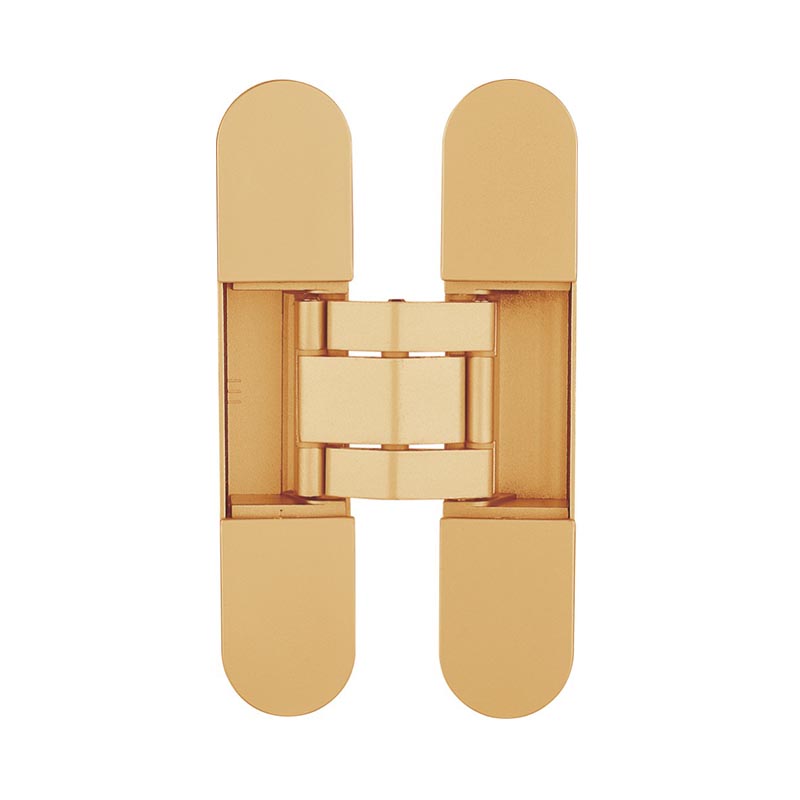
A compression spring hinge is one of those components that rarely gets attention during design discussions, yet it quietly influences how a system feels in daily use. It does not stand out visually. It works in the background. Still, when movement needs to be controlled, it often becomes part of the solution without much discussion.
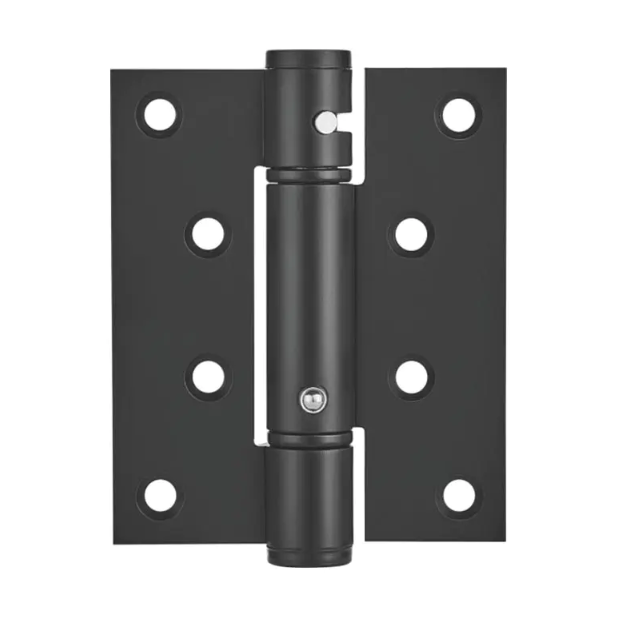
Across different environments, the same idea appears again and again. Movement should not feel random. It should not feel abrupt either. Somewhere between free motion and strict control, this hinge finds its place.
At its core, a compression hinge is still a hinge. It connects two parts and allows rotation. What changes is the internal resistance. That resistance adjusts how the motion begins, continues, and ends.
In simple terms, it influences three things:
This combination makes it useful in systems where repeated motion is expected but uncontrolled swinging is not acceptable.
Many enclosed systems rely on predictable access. Covers, panels, and protective doors are opened and closed frequently. Without controlled motion, these parts can feel unstable or noisy.
A compression hinge helps bring order to that movement. It does not stop rotation. Instead, it shapes it.
When a panel is lifted, the resistance is noticeable but not heavy. When released, the motion does not collapse suddenly. It returns in a controlled way.
In real use, this reduces accidental impact and helps maintain alignment between surfaces.
| Movement behavior | Without control | With compression spring hinge |
|---|---|---|
| Opening | Fast and loose swing | Controlled lift |
| Mid movement | No resistance balance | Stable feel |
| Closing | Sudden contact | Soft return |
This kind of behavior is especially valued in enclosed equipment where repeated access is part of normal operation.
Industrial cabinets are opened more often than most people expect. Sometimes the interaction is quick. Sometimes it is repeated within a short time.
In these cases, motion consistency becomes more important than speed. A door that behaves differently each time can slow down work or create unnecessary strain.
A compression hinge helps standardize that motion. The door feels similar every time it is opened. The resistance does not change suddenly. The closing movement remains controlled.
There is also a practical side. When a cabinet door stays partially open without needing support, it allows hands-free work. This small detail often improves workflow without being directly noticed.
Over time, reduced impact at the hinge points also helps maintain structure alignment.
Access doors are often placed in areas where space is limited or movement around them is frequent. In these situations, uncontrolled swing can become a problem.
A door that opens too freely may hit nearby surfaces. A door that closes too quickly can create inconvenience or even safety concerns.
The compression spring hinge introduces a moderated motion path. It does not eliminate movement. It stabilizes it.
In practice, this means the door behaves in a more predictable way even under frequent use.
A simple breakdown:
The main idea is consistency rather than restriction.
Storage units often include lids or covers that are opened many times throughout their usage cycle. Without control, these lids can feel either too loose or too heavy.
A compression hinge changes that balance. It assists the opening motion while preventing sudden drops.
The effect is subtle but important. The user does not need to fully support the weight throughout the movement. At the same time, the lid does not fall uncontrollably when released.
This becomes especially relevant in environments where contents need to remain undisturbed. Even small impacts can affect internal arrangement.
Another practical benefit appears in repeated use. The hinge reduces strain on contact points, which helps maintain alignment over time.
In public-facing installations, hardware is used by many people with different handling styles. Some interactions are careful. Others are not.
This unpredictability makes controlled motion more valuable.
A compression hinge helps smooth out those differences. It reduces sudden movement and makes operation more uniform regardless of user behavior.
Noise reduction is another indirect effect. When doors close without impact, the surrounding environment feels more stable and less disruptive.
| Public setting | Common issue | Motion improvement |
|---|---|---|
| Shared access doors | Rough closing | Controlled return |
| Utility panels | Frequent use | Stable opening feel |
| Enclosures | Irregular handling | Reduced swing variation |
These improvements are not dramatic, but they accumulate through repeated interaction.
Protective covers often serve a simple purpose: shield internal components and allow access when needed. The challenge lies in balancing protection and usability.
If movement is too free, covers may not align properly when closed. If too rigid, access becomes inconvenient.
A compression hinge sits in the middle. It supports movement while keeping alignment behavior stable.
This helps reduce small misalignments caused by repeated use. Over time, those small shifts can become noticeable in systems with frequent access cycles.
The hinge does not eliminate wear, but it helps distribute mechanical stress more evenly.
One interesting aspect of compression hinges is not visible in specifications or diagrams. It is the feeling during use.
A door opens with a steady resistance. Not stiff, not loose. It moves in a way that feels guided. When released, it does not drop. It returns gradually.
This kind of motion is often described in simple terms by users:
These descriptions may sound small, but they reflect the real value of the component in everyday use.
As equipment design becomes more focused on user interaction and long-term stability, components that manage motion quietly tend to appear more often.
A compression spring hinge is not about adding complexity. It is about adjusting behavior. That adjustment applies across different environments without changing the core structure of the system.
Whether it is a cabinet, a cover, or a panel, the requirement stays similar. Movement should be predictable, stable, and repeatable.
That is where this type of hinge continues to find space in modern installations.

No.123, Kaixuan road, yunshan street, lanxi city, jinhua city, zhejiang province, china

+86-18066248602

+86-579-88864580

+86-579-88864581

Copyright © 2024 Lanxi Maya Hardware Co., Ltd. All Rights Reserved. Privacy Policy

Hydraulic Door Hinges Hardware Factory



 English
 Español
 русский