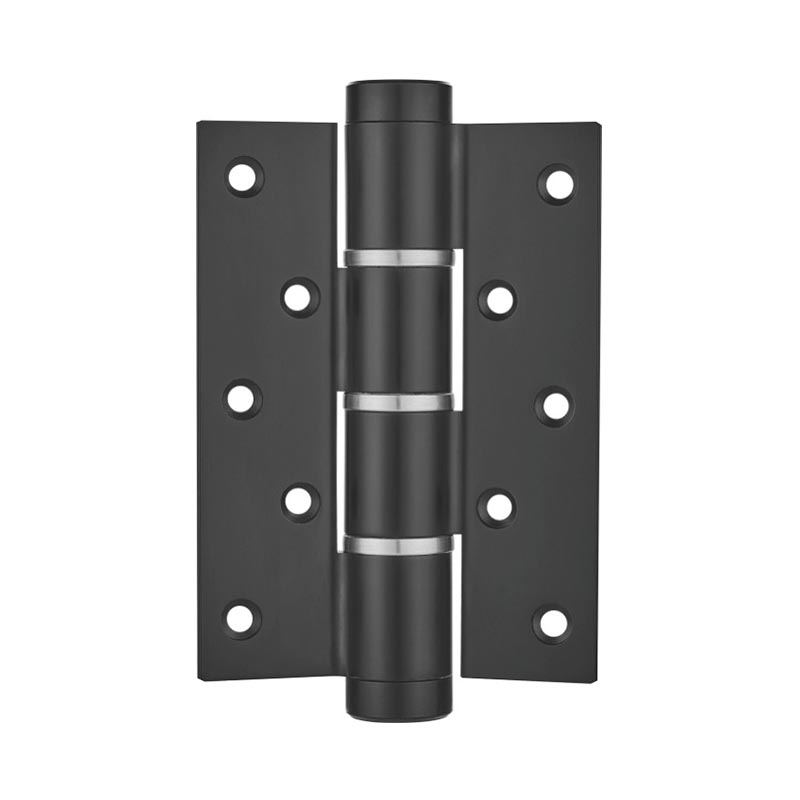
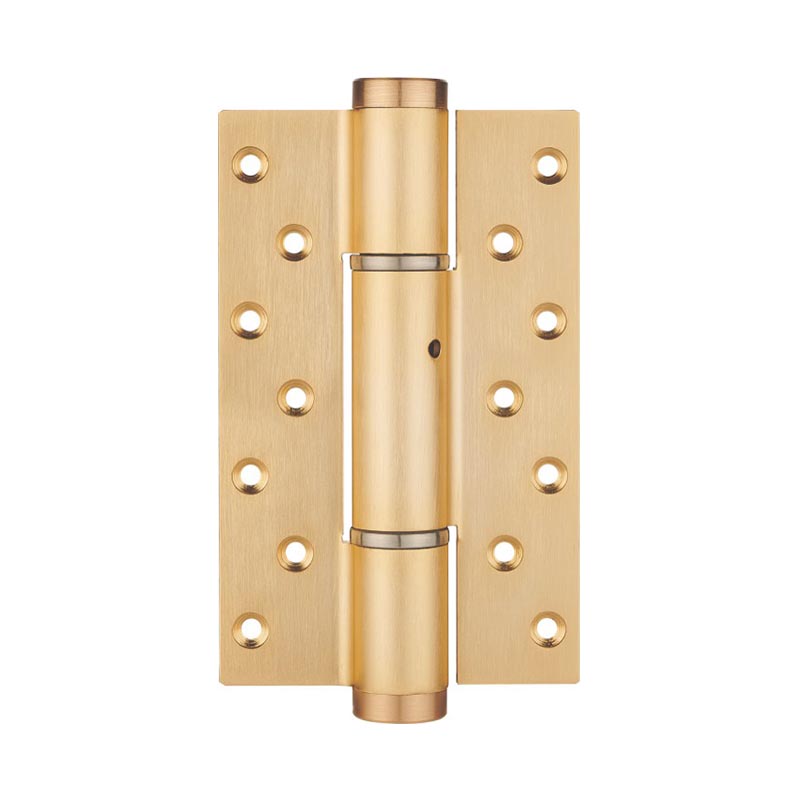
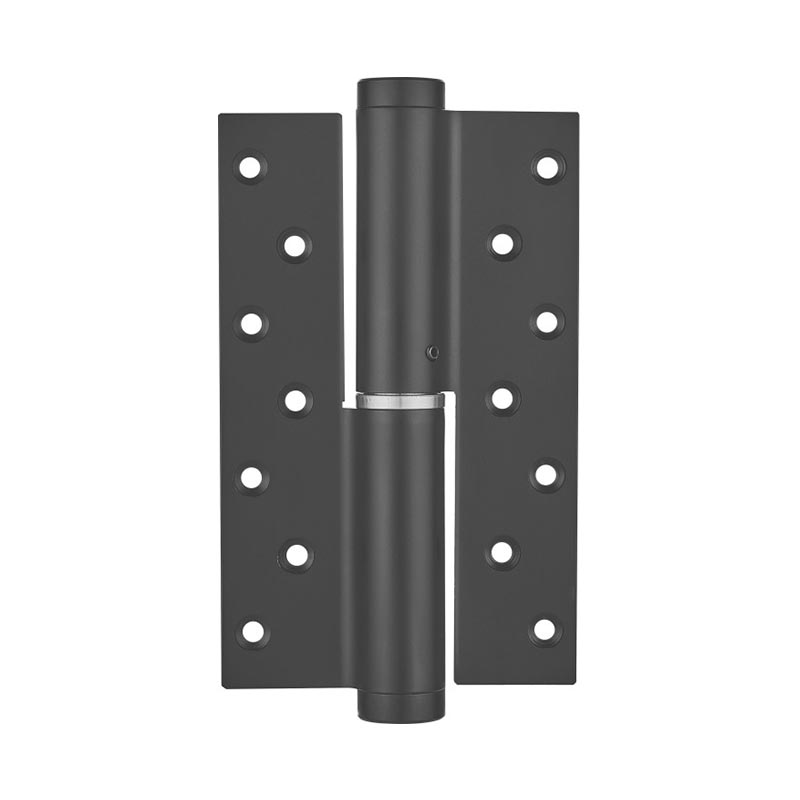
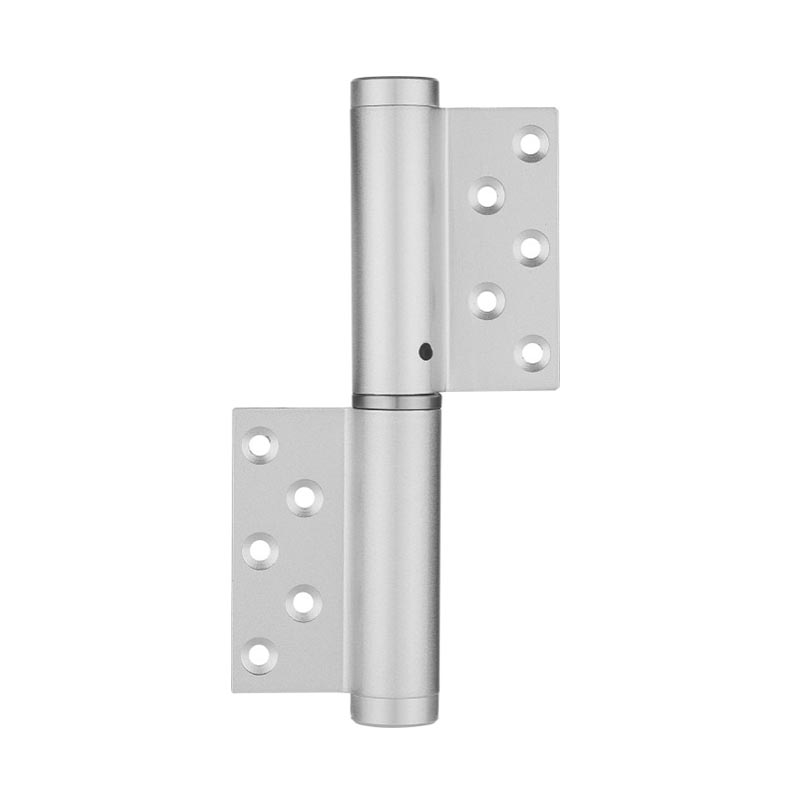
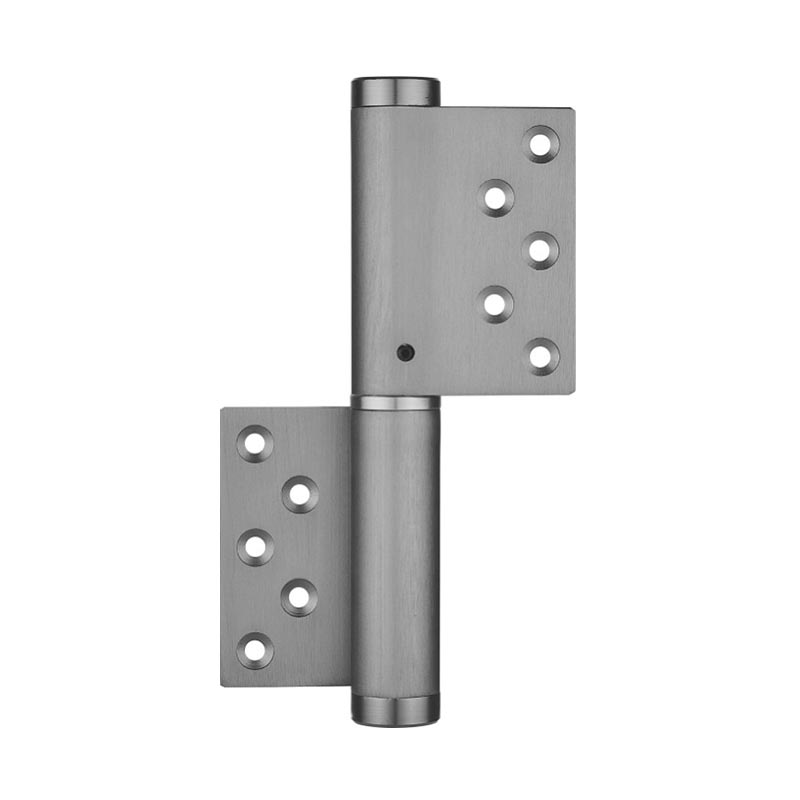
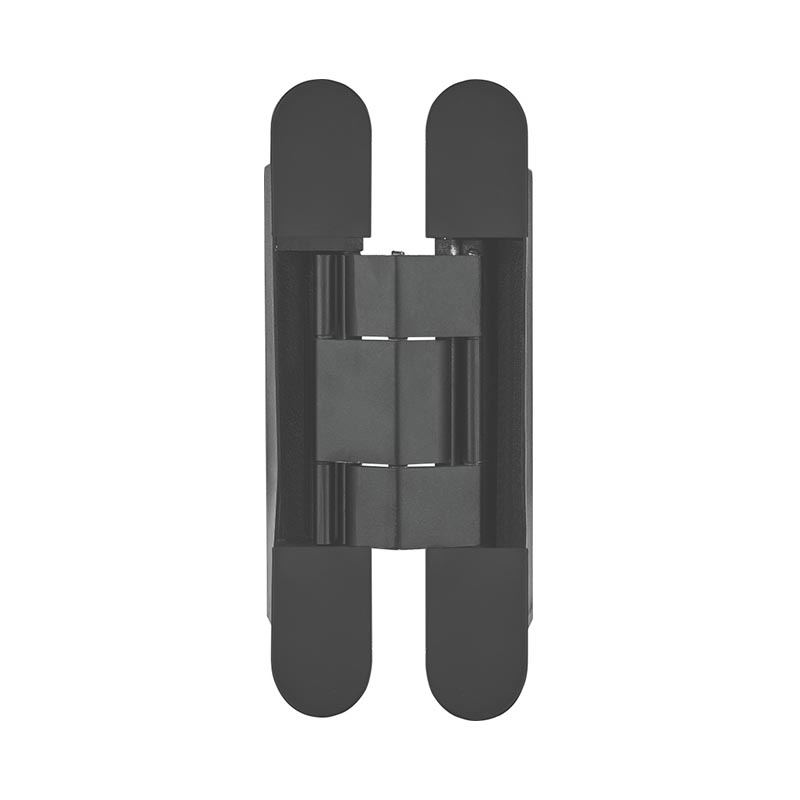
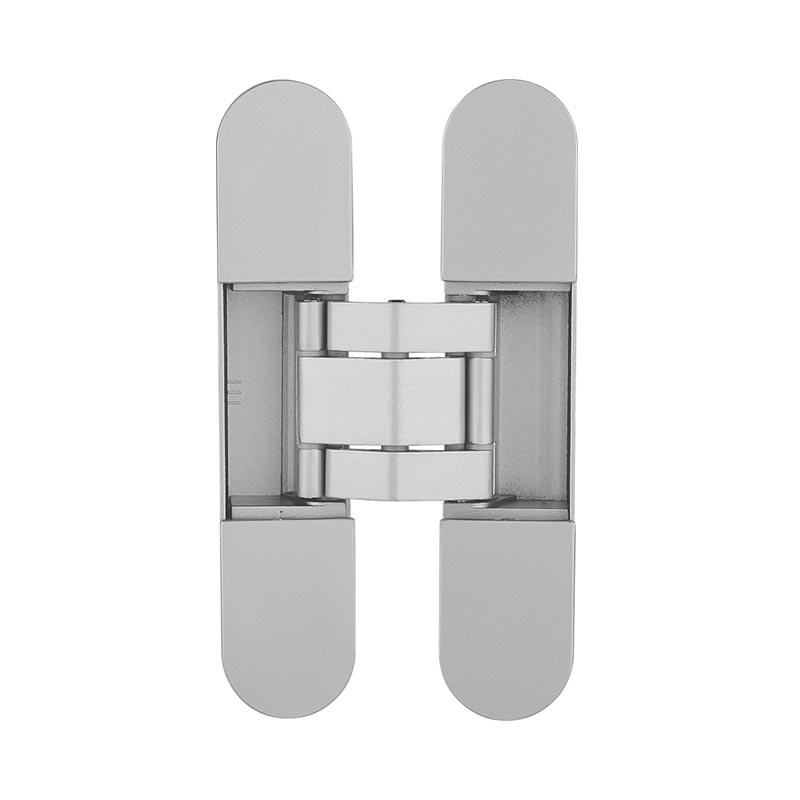
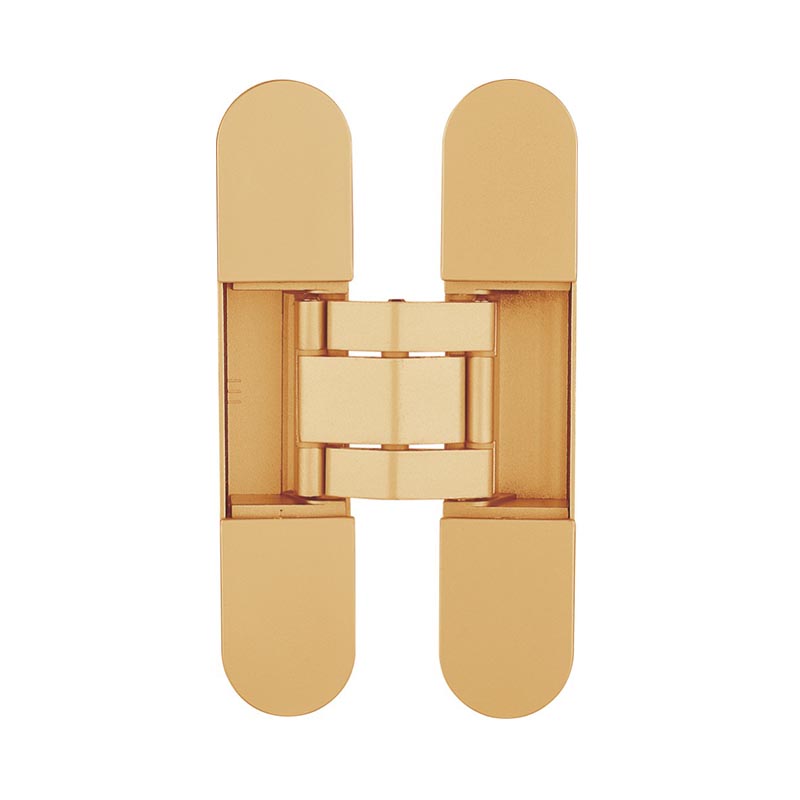
Hydraulic damping hinges are commonly used in furniture, cabinets, and interior door systems where controlled movement is needed. They may look similar to standard hinges at first glance, yet their internal behavior is different. Instead of allowing free and fast closing, they guide motion in a slower and more controlled way. This change in movement creates a smoother experience during everyday use, especially in environments where repeated opening and closing is frequent.
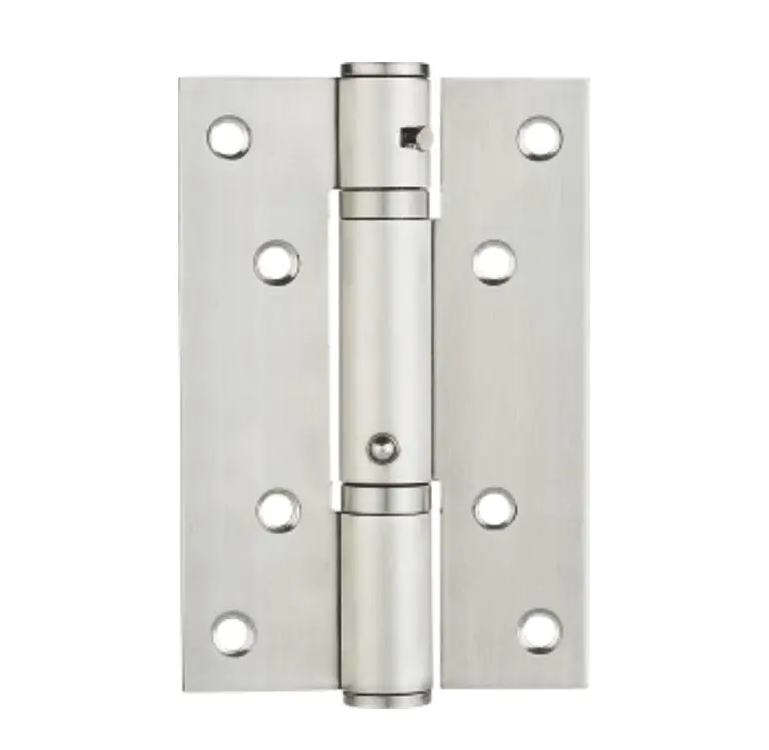
Their growing use in modern interior design comes from a simple need. People want movement that feels stable, quiet, and predictable. Hydraulic hinges respond to that need through internal resistance that controls how fast a door closes.
Hydraulic hinges are mechanical components designed to manage motion during closing. They are built with a structure that includes moving parts and an internal system that slows down motion gradually. When a door or cabinet moves toward closing, the hinge resists sudden force and reduces speed before final contact.Unlike basic hinges that allow free movement, damping hinges introduce controlled resistance. This resistance is not constant. It changes depending on the position of the door during movement. As a result, the closing action feels smoother and less abrupt.These hinges are widely used in spaces where repeated use is expected. Cabinets, wardrobes, and interior doors often rely on this type of hinge to reduce impact noise and improve comfort during daily operation.
Inside a hydraulic damping hinge, there is a compact movement control system. This system manages how fast or slow the door closes. When the door begins to move, internal resistance is low. As movement continues, resistance increases gradually, slowing the motion step by step.This controlled resistance is what prevents sudden closing. Instead of a quick impact, the door approaches its final position in a steady manner. The final contact is softer, reducing noise and physical shock.The internal structure is sealed to maintain consistent behavior over time. This helps ensure that movement remains stable during repeated use. If the system is balanced well, the closing feel remains similar even after long periods of operation.
The difference comes from how movement is managed. Standard hinges allow direct motion without internal control. When a door is pushed, it moves freely until it stops. This often results in faster closing and stronger impact at the end of movement.
Hydraulic hinges introduce a controlled delay. The movement is not stopped abruptly but slowed down progressively. This creates a more gradual closing experience.
The feeling during use is noticeably different. Doors close more quietly. Impact at the final stage is reduced. Movement feels more stable, especially in environments where doors are used frequently throughout the day.
Material selection plays an important role in hinge performance. Different parts of the hinge require different material characteristics. The outer structure needs strength to support repeated movement. Internal components require stability to maintain smooth operation over time.
Below is a simplified overview of common material roles:
| Component Area | Material Role | Functional Impact |
|---|---|---|
| Outer body structure | Supports load and shape stability | Maintains overall strength |
| Moving joints | Enables rotation | Ensures smooth opening motion |
| Internal control area | Regulates movement speed | Controls closing behavior |
| Surface layer | Reduces wear | Supports long-term stability |
Each part works together to maintain balanced performance. If one section wears unevenly, it may affect overall movement behavior.
Installation plays a direct role in how hydraulic hinges perform. Even a well-designed hinge may not function properly if it is not aligned correctly during setup. Small shifts in positioning can affect how the door moves during closing.
If the hinge is slightly uneven, the door may not follow a smooth path. This can change how resistance is applied during movement. In some cases, one side may close faster than the other, creating imbalance in the final position.
Proper alignment helps ensure that internal resistance works as intended. When installation is stable, movement feels more consistent and controlled across repeated use.
Door weight has a direct effect on hinge performance. Hydraulic hinges respond to load, so heavier doors apply more force during movement. This changes how resistance is experienced during closing.
If the door is too heavy for the hinge system, movement may feel slower or uneven. The final closing stage may require more effort. On the other hand, lighter doors may close more quickly, with less noticeable damping effect.The balance between hinge capacity and door weight is important. When matched correctly, movement feels steady and predictable. When mismatched, the closing experience may feel inconsistent.
Repeated use gradually influences how hydraulic hinges behave. Every opening and closing cycle creates small internal changes. Over time, these changes may affect how smoothly the hinge operates.
In high-use environments, movement may feel slightly different after long periods. This does not mean the hinge stops working, but the feel of resistance may shift gradually. In lower-use environments, changes may appear more slowly.The consistency of daily use also matters. Stable usage patterns help maintain predictable behavior. Irregular or heavy use can influence how movement develops over time.
Environmental factors such as temperature and humidity can influence hinge behavior. These conditions affect both internal and external components. In stable environments, movement tends to remain more consistent.
Changes in humidity may affect surface interaction between moving parts. Temperature shifts can also influence how resistance feels during operation. Dust or small particles may enter exposed areas, gradually affecting smoothness.While hydraulic hinges are designed for general indoor environments, consistent conditions help maintain stable movement over longer periods.
Design structure determines how force travels through the hinge during movement. A well-balanced design distributes pressure evenly across internal components. This supports smooth and stable closing behavior.If internal structure is uneven, movement may feel inconsistent at certain points. Some sections may slow more quickly than others. This affects how the final closing stage feels.The arrangement of internal components also influences how resistance builds during motion. When designed carefully, movement feels gradual and controlled from start to finish.
Hydraulic hinges are now commonly used in many interior environments. Their function supports comfort during daily use, especially in spaces where doors and cabinets are opened frequently. The controlled closing motion reduces noise and helps maintain a more stable interaction with furniture.
Their role is not limited to appearance or design style. It is more about how movement feels during repeated interaction. Smooth closing action becomes part of the overall experience of using interior spaces.
As demand for controlled movement grows, these hinges continue to appear in more applications, adapting to different usage needs without changing their core working principle.

No.123, Kaixuan road, yunshan street, lanxi city, jinhua city, zhejiang province, china

+86-18066248602

+86-579-88864580

+86-579-88864581

Copyright © 2024 Lanxi Maya Hardware Co., Ltd. All Rights Reserved. Privacy Policy

Hydraulic Door Hinges Hardware Factory



 English
 Español
 русский