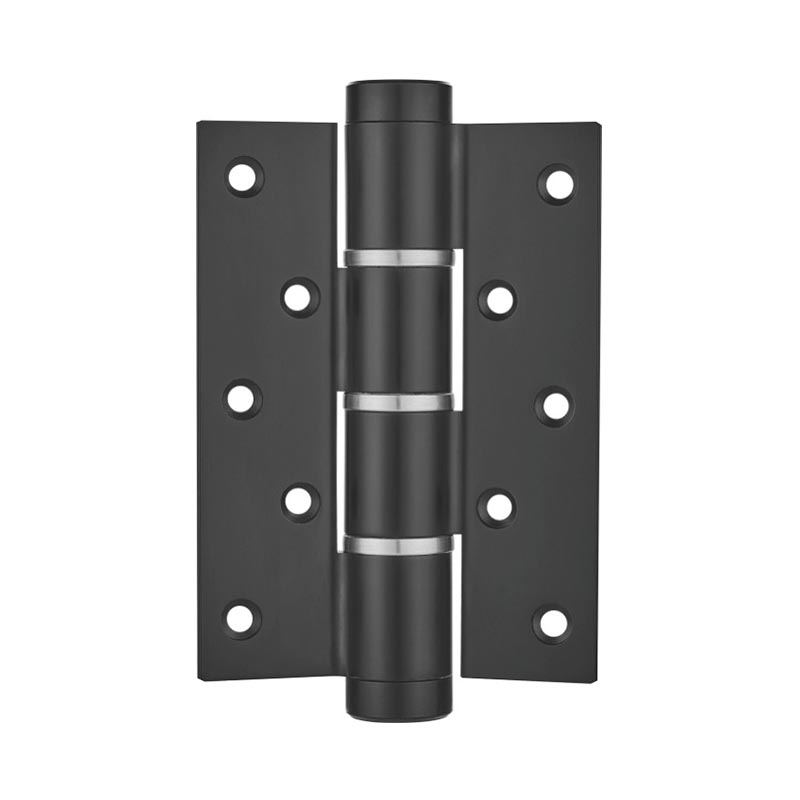
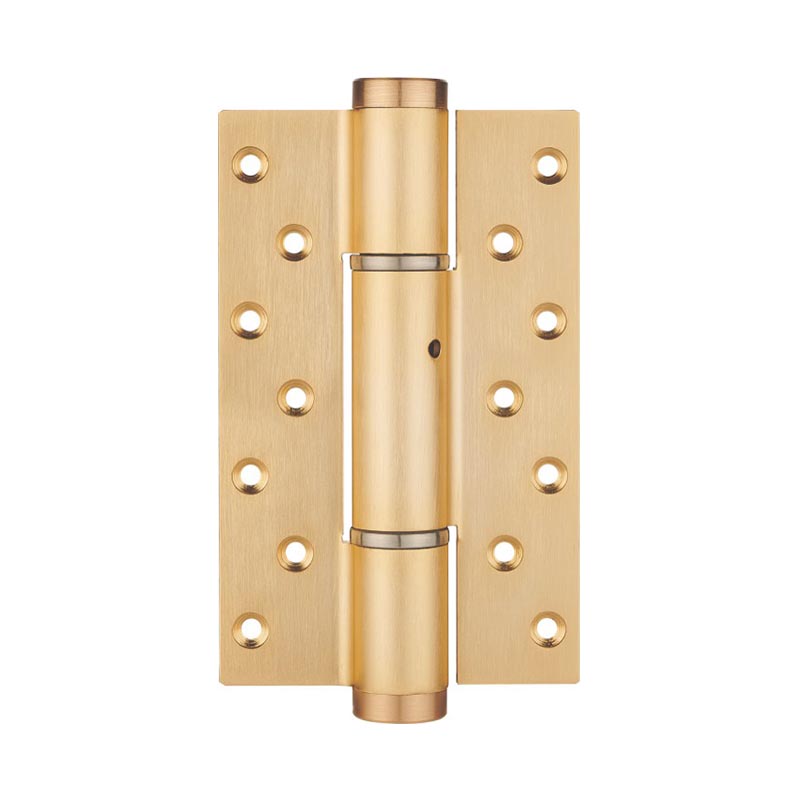
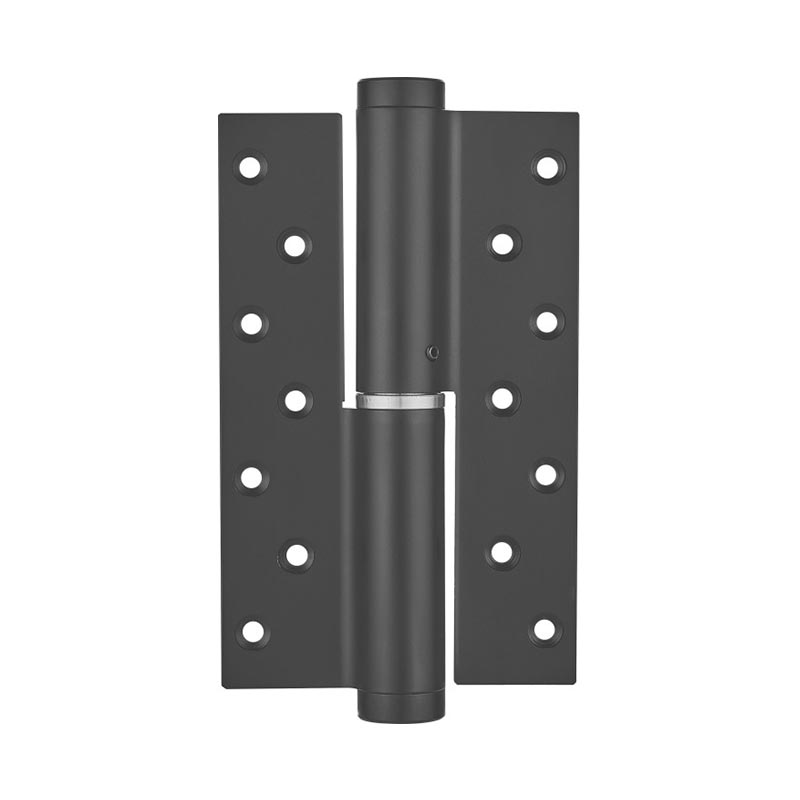
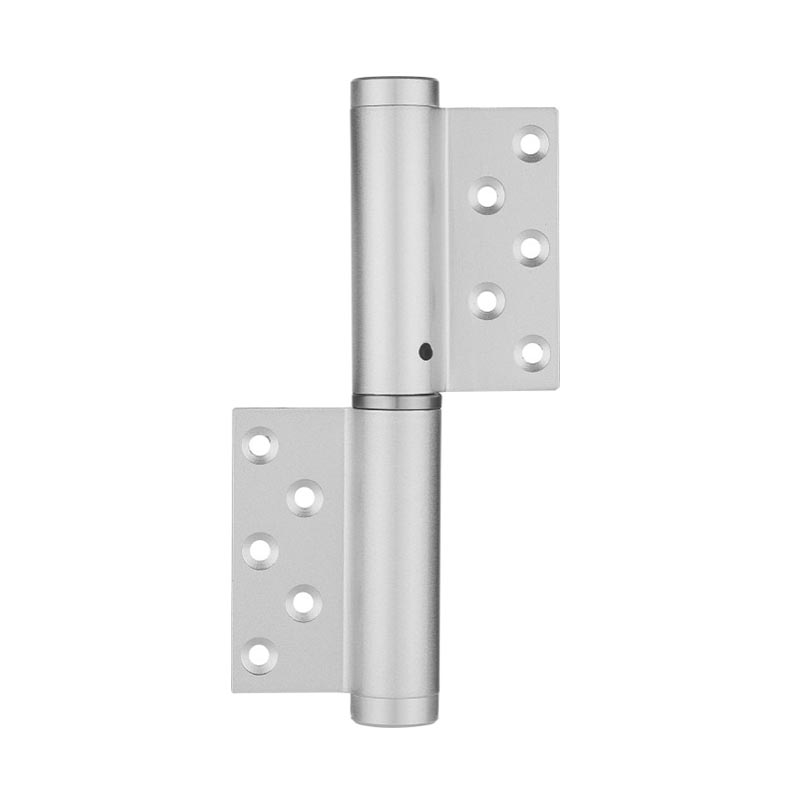
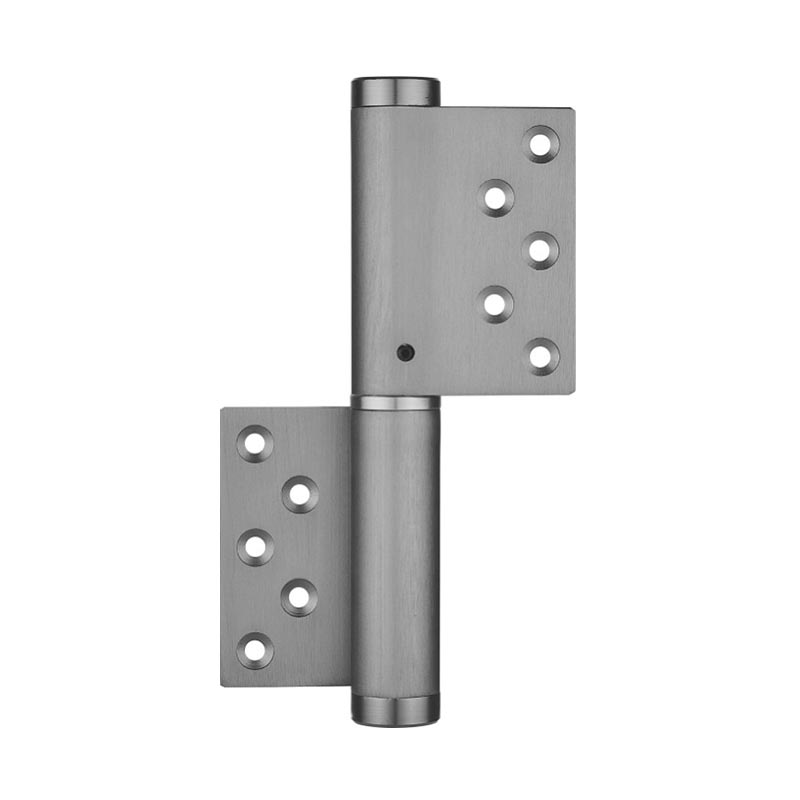
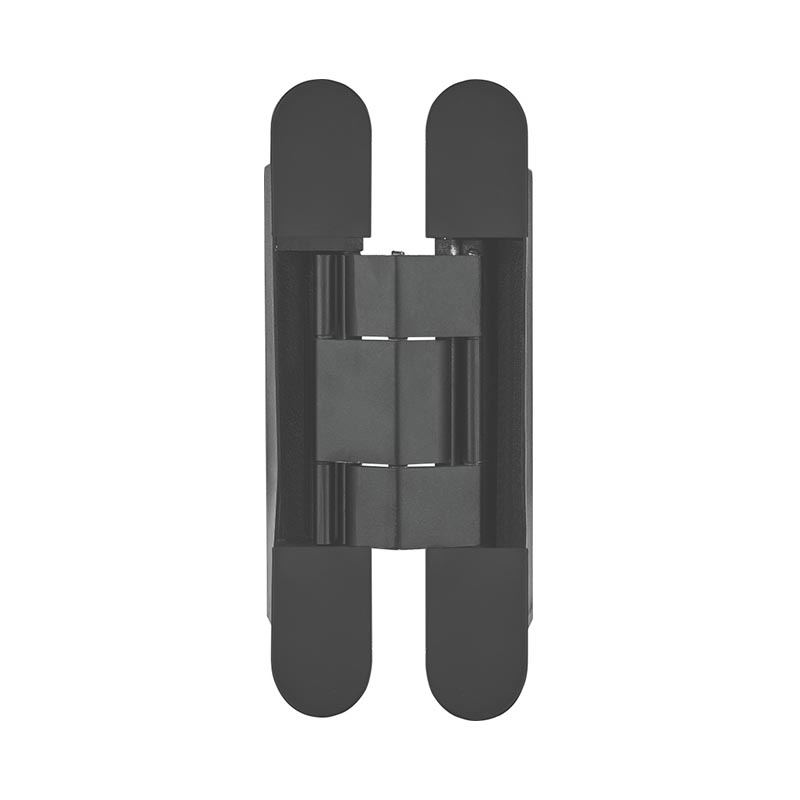
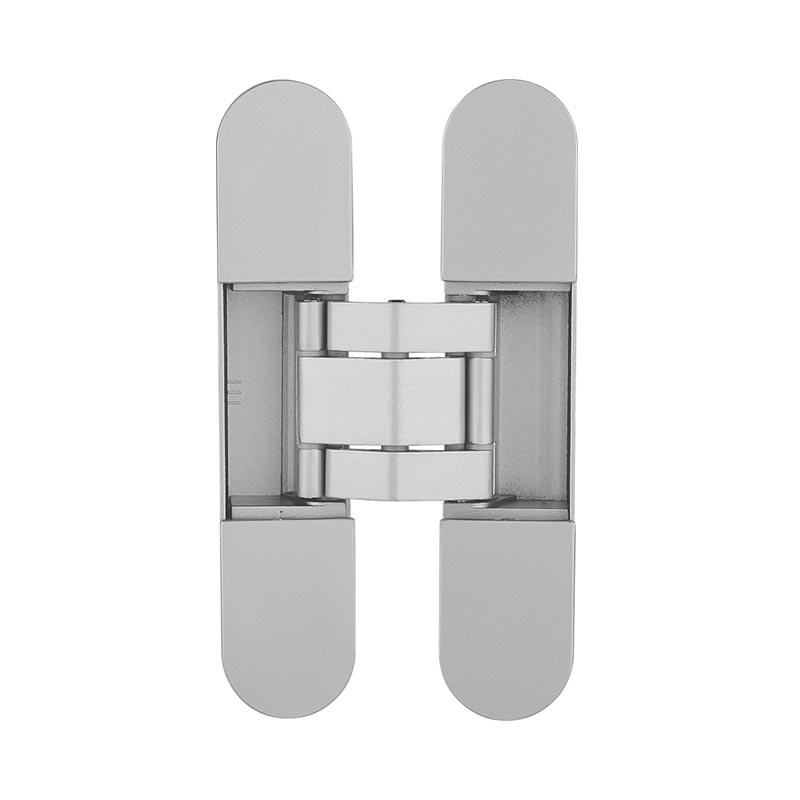
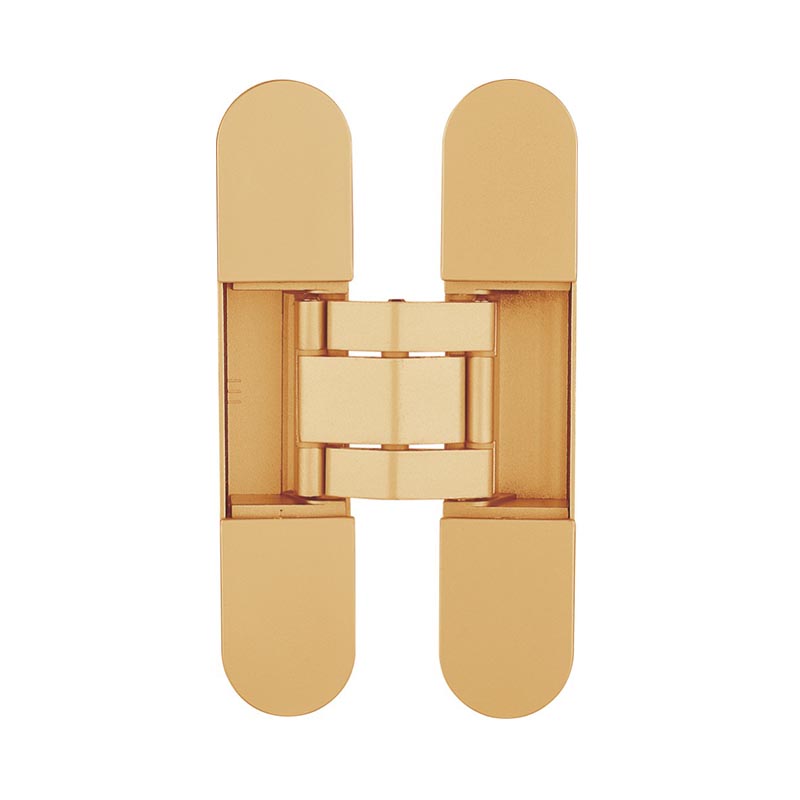
Hydraulic buffer hinges are widely used in furniture and interior structures where controlled movement is needed. Their function appears simple from the outside, yet the internal behavior depends on several connected conditions. When the movement feels smooth and steady, it usually means that multiple factors are working in balance at the same time, including structure, materials, installation, and external use conditions. Once one of these elements changes, the overall performance can shift in a noticeable way during daily operation.
Performance in hydraulic hinges is not measured only by movement speed or closing force. It is more often recognized through experience during repeated use, such as how a door feels when it closes, whether the motion stays consistent, and whether the final contact is gentle or abrupt. A stable hinge creates a controlled motion path from opening to closing, while an unstable one may show irregular speed changes or uneven resistance.
In practical use, performance is also tied to predictability. When the same action produces the same result every time, the hinge is considered stable in function. If the closing feel changes depending on angle or speed, it suggests that internal balance is not fully consistent. This balance depends on how internal components interact under movement pressure, which is influenced by several physical and structural conditions.
| Factor Area | Main Influence on Performance | Visible Effect in Use |
|---|---|---|
| Material selection | Controls strength and wear behavior | Smooth or uneven long-term motion |
| Installation accuracy | Affects alignment and movement path | Door closing angle shifts |
| Door weight & structure | Determines load balance | Fast or slow closing feel |
| Hydraulic control system | Regulates movement speed | Soft or abrupt closing response |
| Usage frequency | Influences wear over time | Gradual change in smoothness |
| Environmental conditions | Affects material stability | Variation in motion consistency |
| Design structure | Guides force distribution | Stable or irregular movement |
Material selection sets the entire foundation for how hydraulic hinges perform and last under daily use. The outer housing has to stay completely rigid and hold its exact shape no matter how many times the door is opened and closed. Inside, the moving parts must handle precise, controlled motion without any bending or wear. When the materials aren't stable enough for the job, friction and pressure start building up at every contact surface, and over time the hinge slowly loses that original smooth action.
Each section of the hinge also needs its own specific material qualities. Some areas require maximum strength to support the door's full weight without flexing, while others need just the right amount of controlled flexibility for easy rotation. When these different needs are balanced properly, the hinge keeps giving consistent, even movement for a long time. If the balance is off, certain spots wear down faster, leading to uneven resistance, jerky closing, and an overall drop in performance.
Installation is what decides whether a hydraulic buffer hinge actually works as it should once it's on the door. Even a perfectly made hinge can feel off if it's mounted with even a tiny bit of misalignment. When the hinge isn't perfectly level and square, the door's path becomes uneven, creating extra friction spots that break up the smooth buffering and stop the door from following its natural closing arc.
The exact spacing and positioning also control how forces spread through the hinge during every cycle. A small mistake in placement can shift the pressure unevenly, so the door might close faster on one side than the other and feel unbalanced. Good installation keeps the internal mechanism under steady, even loads so the hydraulic damping can do exactly what it was designed to do.
Door weight and structure are closely linked to how well hydraulic hinges operate day after day. A heavier door puts constant higher pressure on the internal damping system. If the hinge isn't properly matched to that load, the closing motion can start feeling heavy or slower than it should, and the problem becomes more obvious after repeated use.
The door's overall build matters just as much because it controls how forces travel through the whole hinge assembly. A solid, rigid door frame keeps everything aligned and moving smoothly, while a less stable frame can flex or shift a little during operation. Those small shifts throw off the hinge alignment and change the closing speed and feel. When the door's weight and rigidity match the hinge's capacity well, the system stays stable and reliable for much longer.
The hydraulic control inside the hinge is what actually manages the speed and smoothness of the door as it closes. As the door swings shut, the internal hydraulic resistance increases step by step, gently slowing the motion so the door meets the frame softly instead of slamming. This gradual damping is what creates the smooth, quiet closing feel users notice every time.
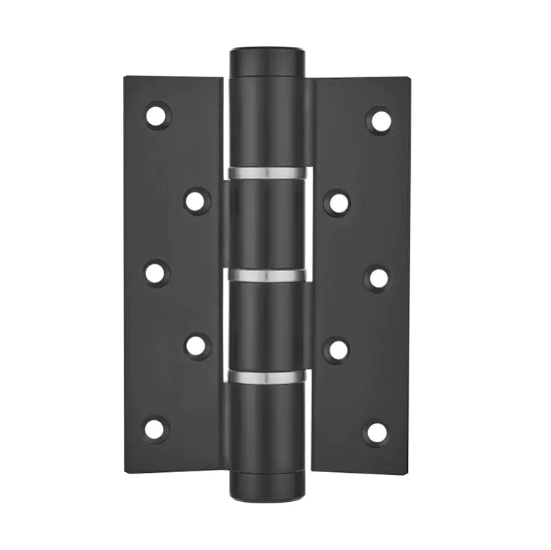
If the internal resistance is set too high, the door feels stiff and takes longer to finish closing, especially in the last few degrees. If the resistance is too low, the buffering is weak and the door can still snap shut too quickly. Keeping that hydraulic resistance steady and consistent is key because even small changes can affect how the hinge behaves after thousands of cycles, directly changing the everyday user experience.
Usage frequency gradually influences how hydraulic hinges behave over time. With repeated opening and closing cycles, internal surfaces experience continuous contact, which can slowly change how smoothly movement occurs. In environments where doors are used frequently, these changes may appear earlier compared to lighter-use settings where movement cycles are less intense.
This does not mean that performance declines quickly, but rather that subtle shifts in feel may develop over long periods. Movement may feel slightly different after extended use, especially if pressure distribution is not perfectly balanced. Consistent usage patterns can help maintain predictable behavior, but natural wear remains a factor in long-term performance evolution.
Environmental conditions can affect both internal and external parts of hydraulic hinges. Changes in temperature and humidity may influence how materials behave during movement, especially in repeated cycles where small variations accumulate over time. These environmental shifts do not stop function, but they can change the feel of resistance or smoothness during operation.
Dust and small particles can also enter moving areas, especially in open environments. Over time, this may create slight friction changes that affect motion consistency. While hinges are designed to operate in general indoor conditions, stable environments usually support more consistent long-term performance, as fewer external variables interfere with movement behavior.
Design structure determines how force travels through the hinge during opening and closing. A balanced internal layout allows motion to feel steady from start to finish, while uneven structure may create points where movement changes speed or resistance. These differences may not be visible externally but become noticeable during repeated use.
The shape and arrangement of moving components also influence how pressure is distributed. When design supports even force transfer, the hinge maintains smoother motion. If force is concentrated unevenly, certain points may feel tighter or looser during operation. This structural balance plays an important role in ensuring that hydraulic buffering feels consistent across different usage conditions.
Maintenance contributes to keeping hydraulic buffer hinges in stable working condition over time. While these hinges are designed for long-term use, external factors such as dust accumulation or minor surface changes can influence movement smoothness. Simple cleaning routines can help reduce these effects and maintain consistent operation.
Occasional inspection of alignment can also support stable performance. If slight shifts occur due to repeated use, small adjustments may restore smoother motion. Maintenance is not a frequent requirement, but it helps preserve the balance between internal components and external conditions, ensuring that the hinge continues to perform in a predictable way.
Manufacturing processes determine how accurately hinge components fit and interact with each other. Precise forming ensures that each part aligns correctly during movement, which is essential for stable hydraulic behavior. If parts vary slightly during production, small inconsistencies may appear in closing speed or resistance.
Assembly accuracy also plays a role in final performance. Proper alignment during production helps ensure that the hydraulic system functions under balanced conditions. When manufacturing steps are controlled and consistent, the resulting hinge is more likely to deliver smooth and predictable movement during everyday use, even under repeated operation cycles.

No.123, Kaixuan road, yunshan street, lanxi city, jinhua city, zhejiang province, china

+86-18066248602

+86-579-88864580

+86-579-88864581

Copyright © 2024 Lanxi Maya Hardware Co., Ltd. All Rights Reserved. Privacy Policy

Hydraulic Door Hinges Hardware Factory



 English
 Español
 русский