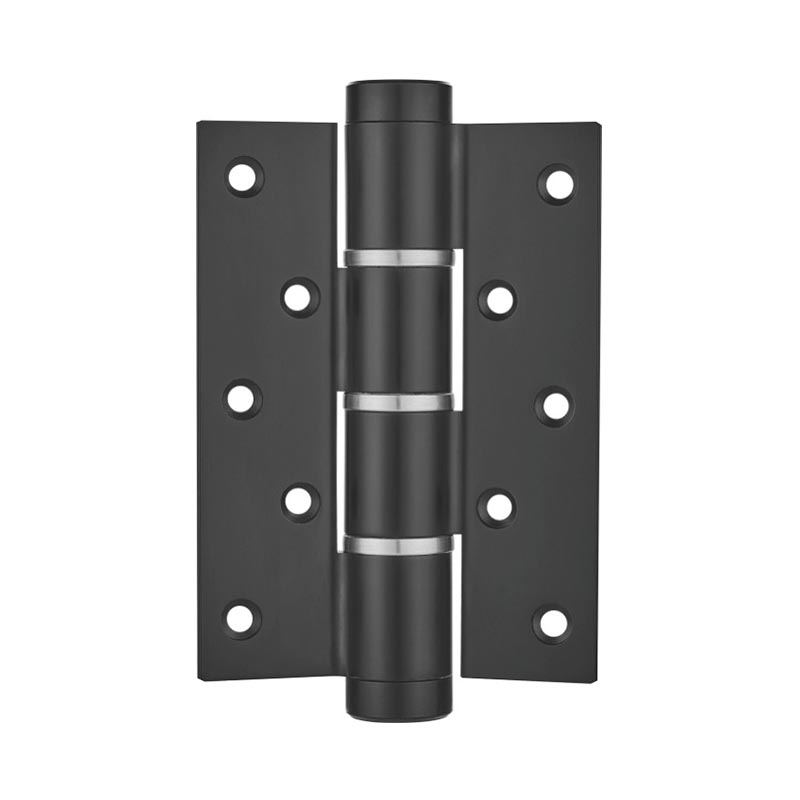
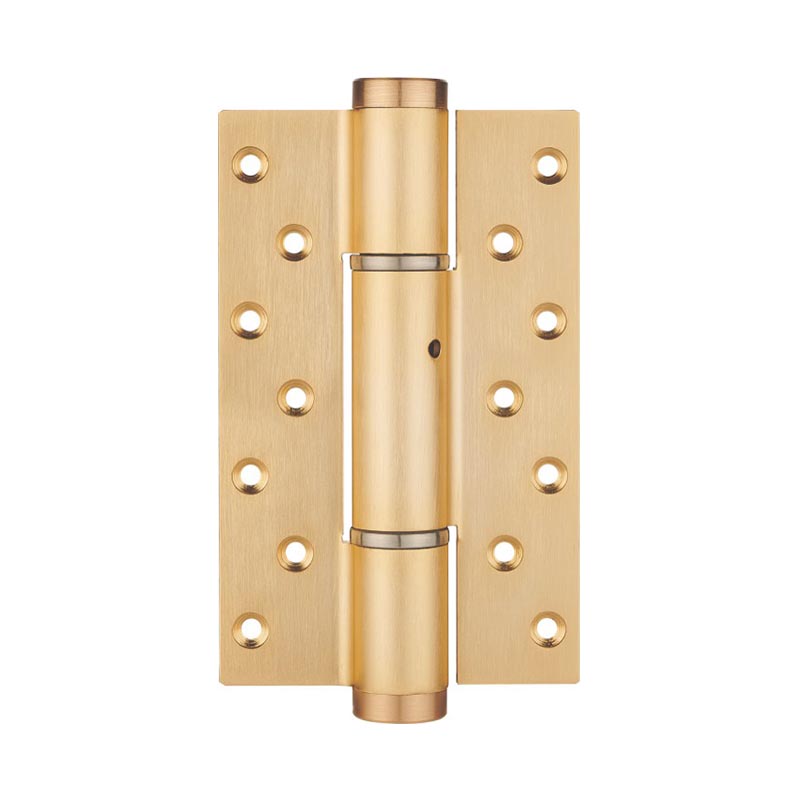
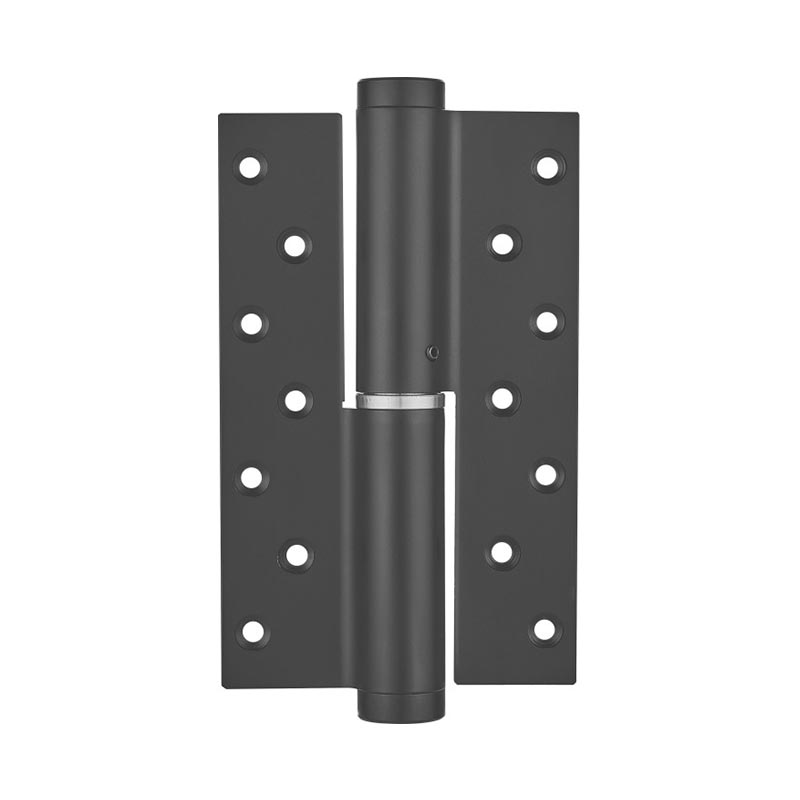
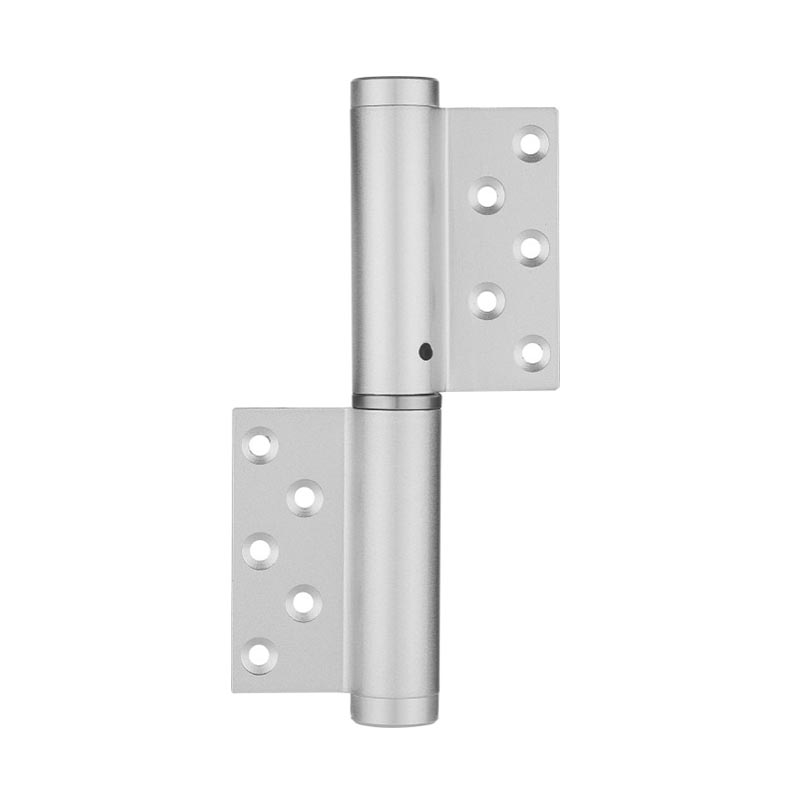
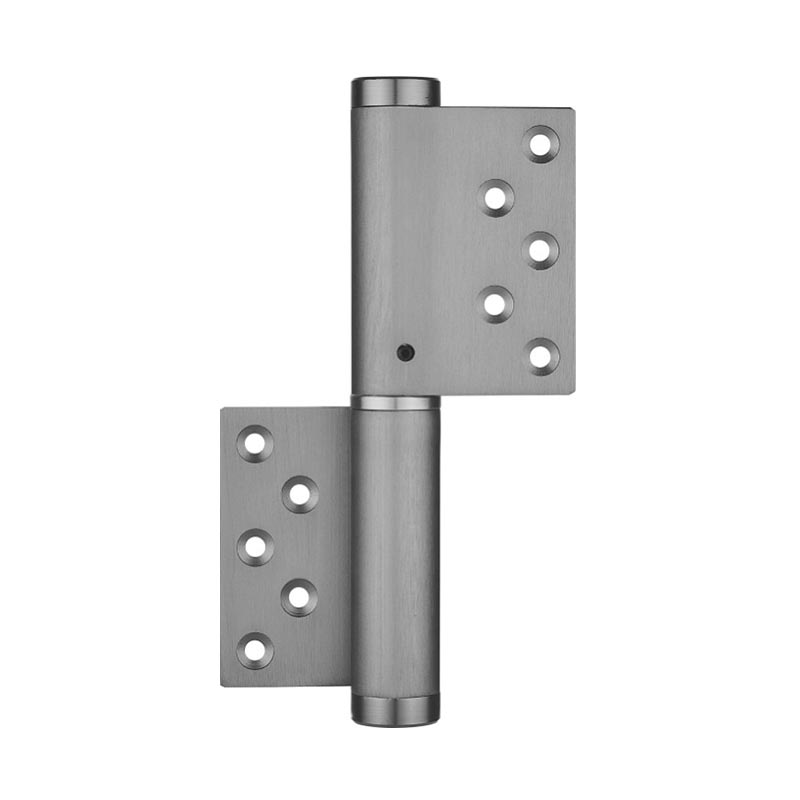
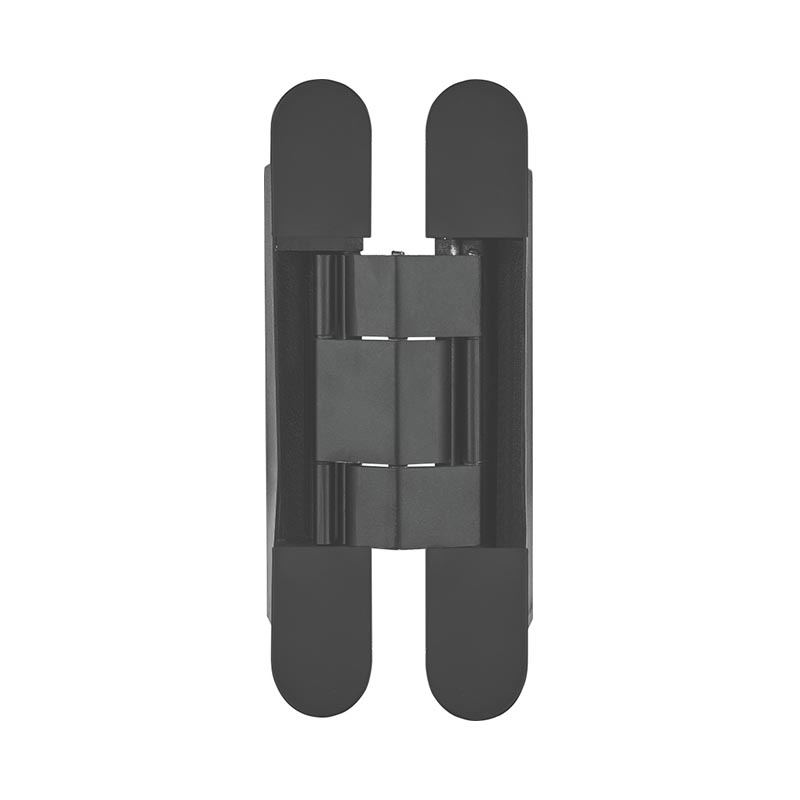
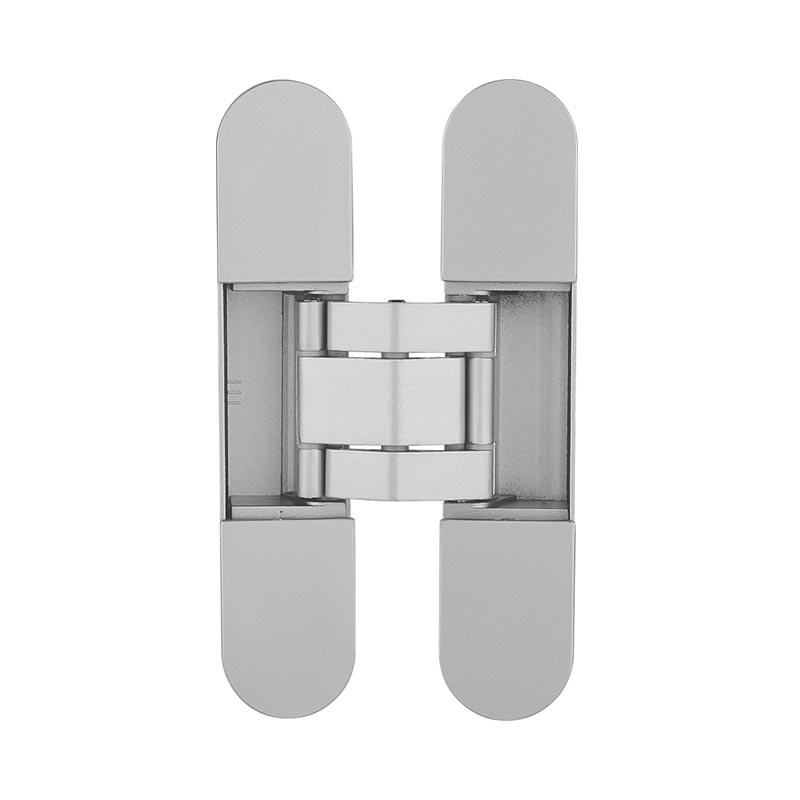
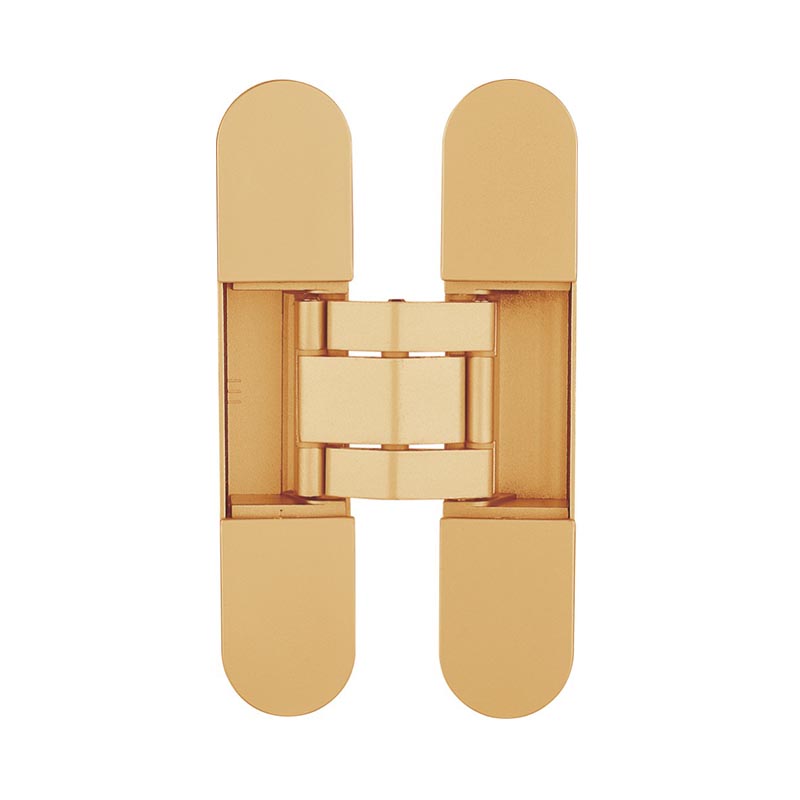
Multi-Function Hydraulic Hinges are widely used in modern furniture, cabinets, and doors to provide smooth, controlled closing and opening motion. One of their key features is the ability to adjust the closing force to match door weight, size, and user preference. Proper adjustment not only ensures a comfortable and quiet operation but also protects the hinges and doors from damage caused by excessive force. Understanding the methods for adjusting closing force is essential for both installers and end-users.
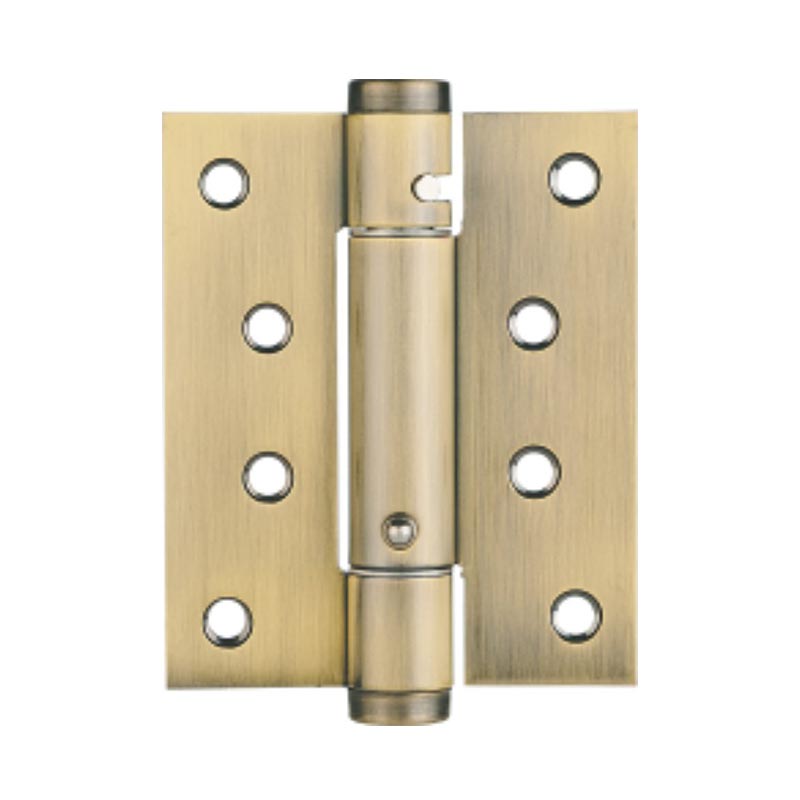
Closing force refers to the resistance or power the hinge applies to pull a door back to its closed position. If the force is too high, the door may slam, creating noise and potential damage. If too low, the door may not close completely, leaving gaps or reducing functionality. Multi-function hydraulic hinges typically allow precise adjustments, making them adaptable for doors of various weights, materials, and dimensions.
Most multi-function hydraulic hinges feature dedicated adjustment screws to control closing force. These screws are often located on the hinge body and may be labeled for different functions. Turning the screw clockwise usually increases the closing force, providing a firmer and quicker door return. Turning counterclockwise decreases the force, resulting in a gentler and slower closing motion. Making incremental adjustments and testing the door after each turn ensures suitable performance without overloading the hinge mechanism.
The weight of the door is a critical factor when setting the closing force. Heavier doors require a higher force to ensure full closure, while lighter doors need less force to avoid slamming. Many hydraulic hinges include a range of settings that can be fine-tuned based on door weight. It is essential to match the hinge’s force with the door’s specifications to maintain smooth, safe, and reliable operation over time.
For doors using more than one hinge, such as large cabinet or wardrobe doors, coordinating the adjustments across all hinges is important. Each hinge should contribute proportionally to the overall closing force. Start by adjusting the top hinge, then the middle, and finally the bottom hinge, testing the door’s movement after each adjustment. Proper coordination ensures balanced force distribution, prevents uneven closing, and reduces stress on individual hinges.
Temperature, humidity, and frequency of use can influence hinge performance. Hydraulic fluid viscosity may change under bad temperatures, affecting the door’s closing speed and force. Regular checks and minor adjustments may be needed to maintain consistent operation. Using the manufacturer’s guidelines helps achieve accurate calibration and prolongs hinge life.
After initial adjustments, test the door by opening and closing it multiple times. Observe the speed, noise, and smoothness of the motion. Make minor incremental adjustments if the door slams or fails to close completely. Fine-tuning ensures the hinge operates efficiently while protecting the door, cabinet, and hinge mechanism from unnecessary wear.
Multi-Function Hydraulic Hinges allow precise control of door closing force through adjustment screws, balancing with door weight, coordinating multiple hinges, and considering environmental factors. Proper adjustment enhances door safety, durability, and comfort while reducing noise and wear. By following these steps, users can achieve smooth, reliable, and long-lasting hinge performance suitable for a wide range of doors and cabinets.

No.123, Kaixuan road, yunshan street, lanxi city, jinhua city, zhejiang province, china

+86-18066248602

+86-579-88864580

+86-579-88864581

Copyright © 2024 Lanxi Maya Hardware Co., Ltd. All Rights Reserved. Privacy Policy

Hydraulic Door Hinges Hardware Factory



 English
 Español
 русский