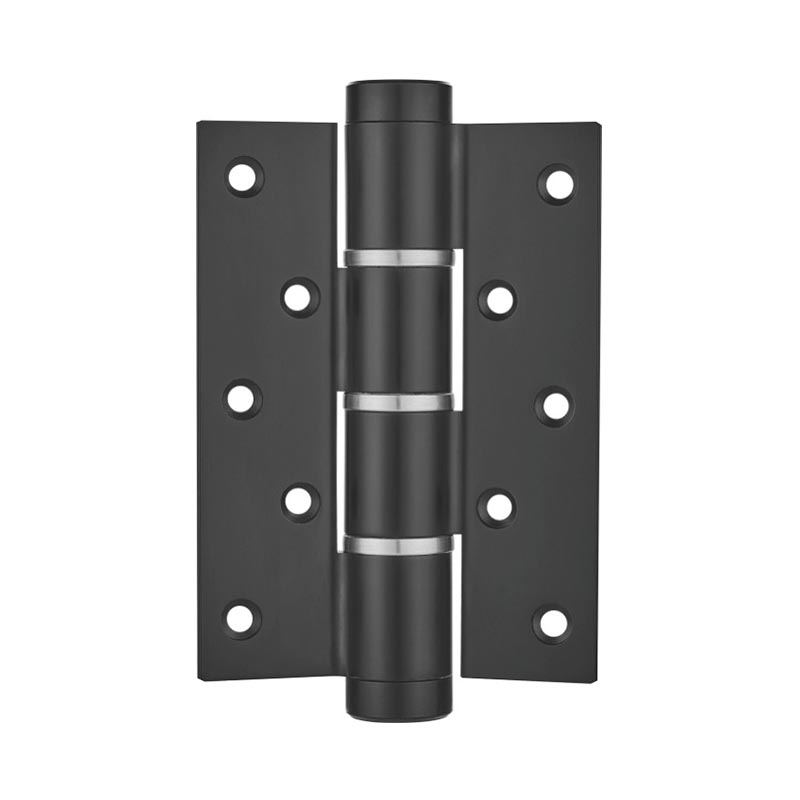
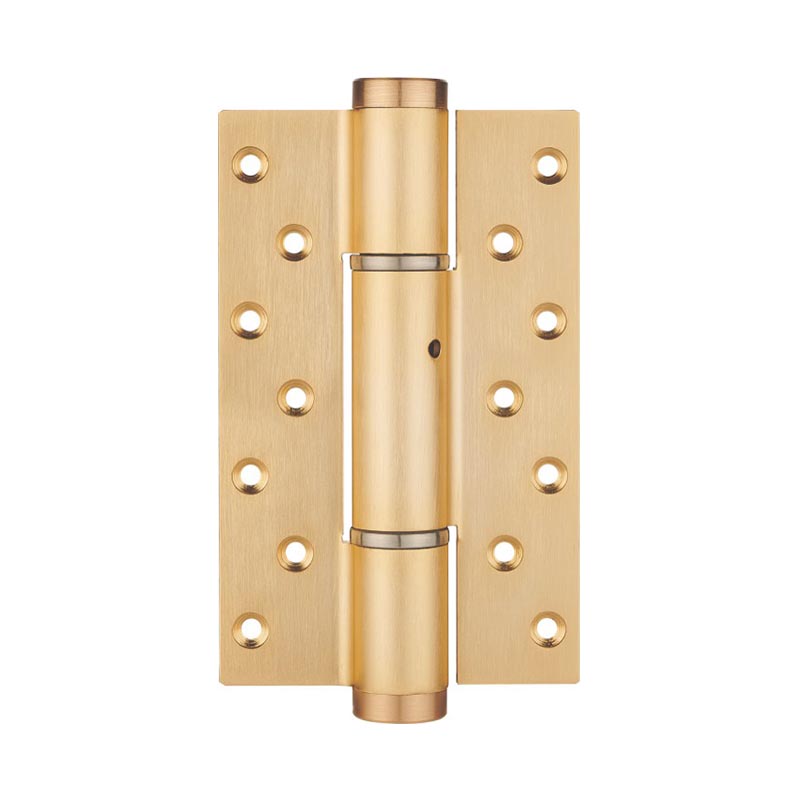
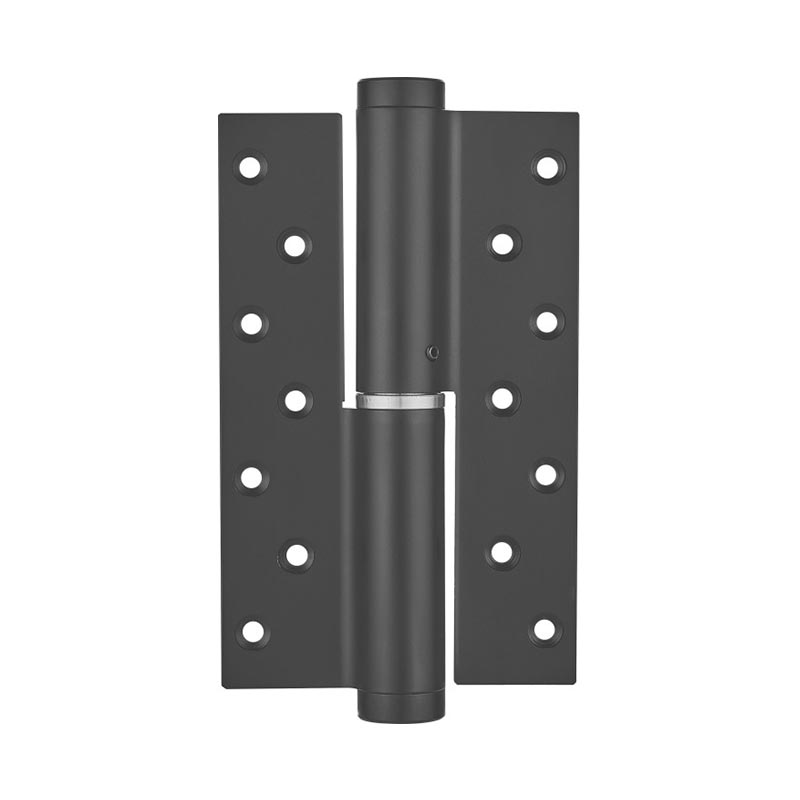
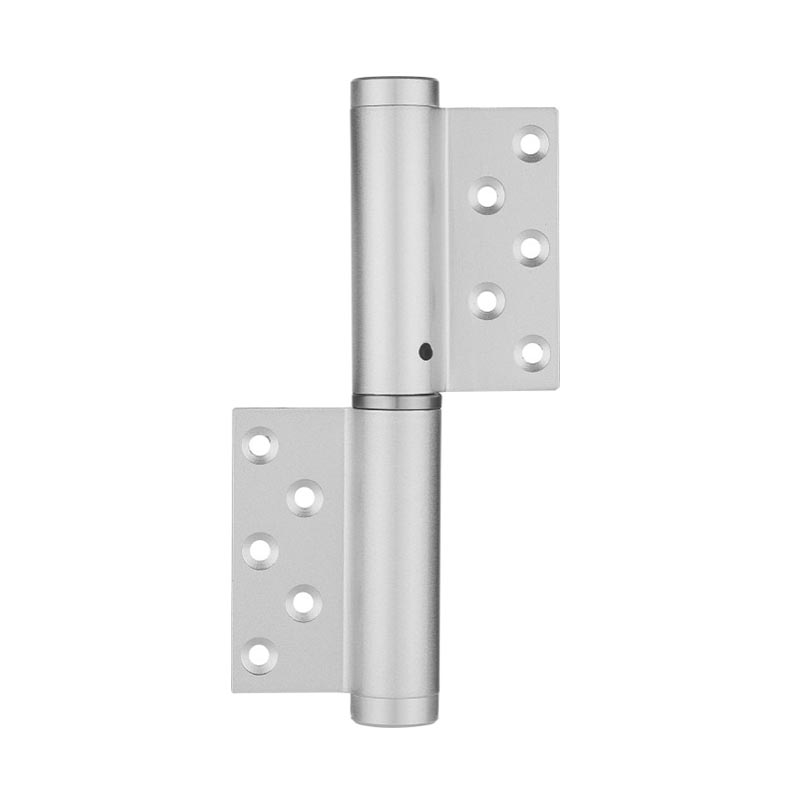
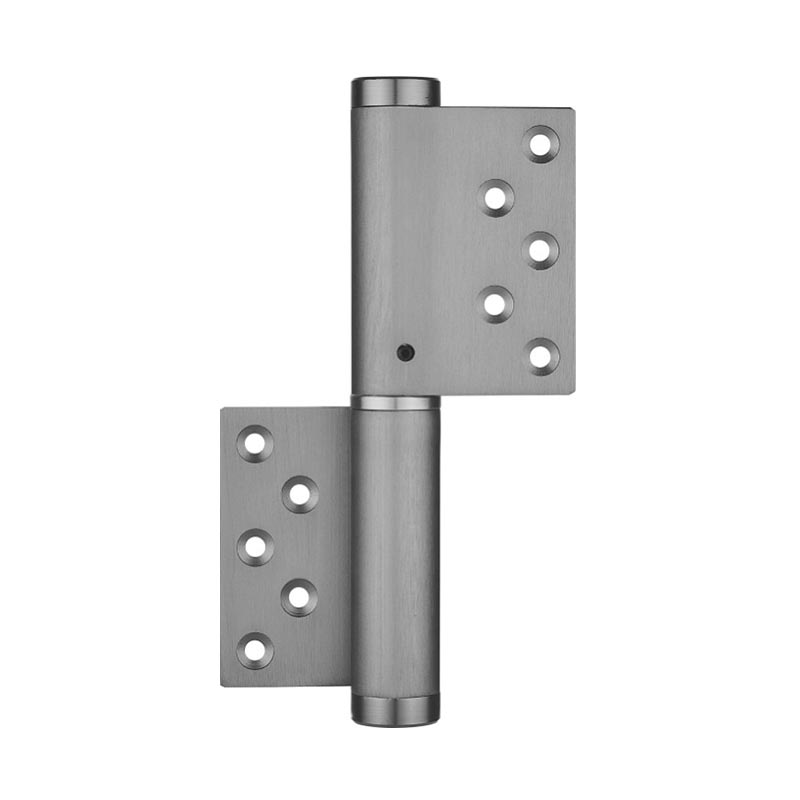
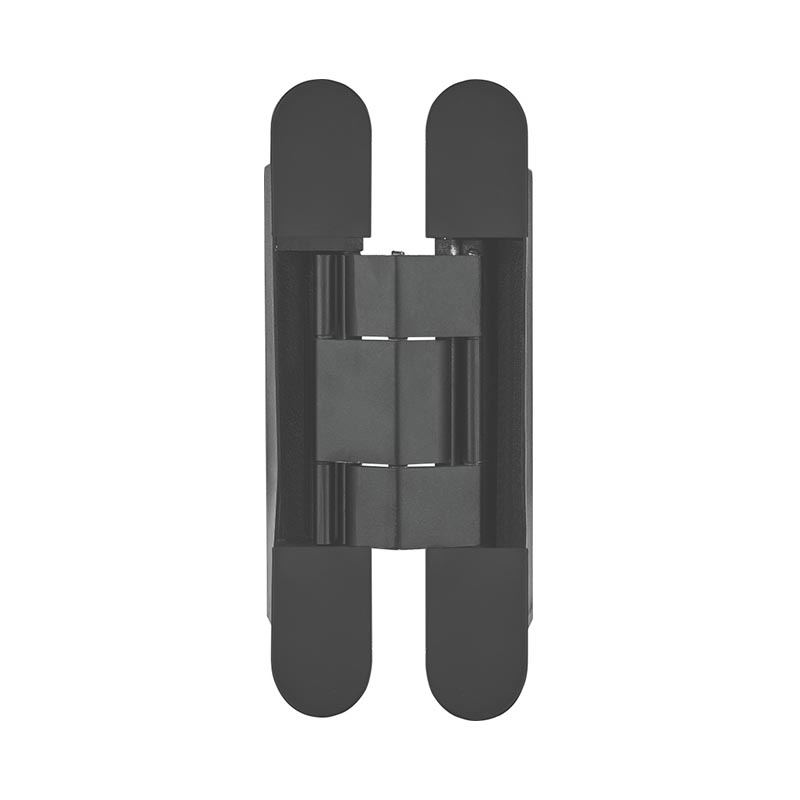
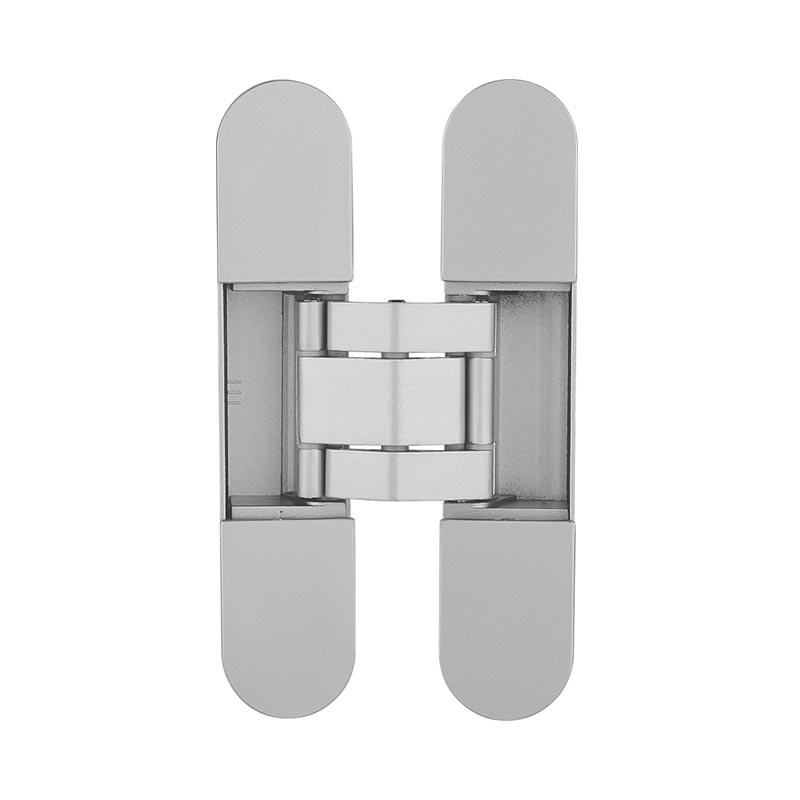
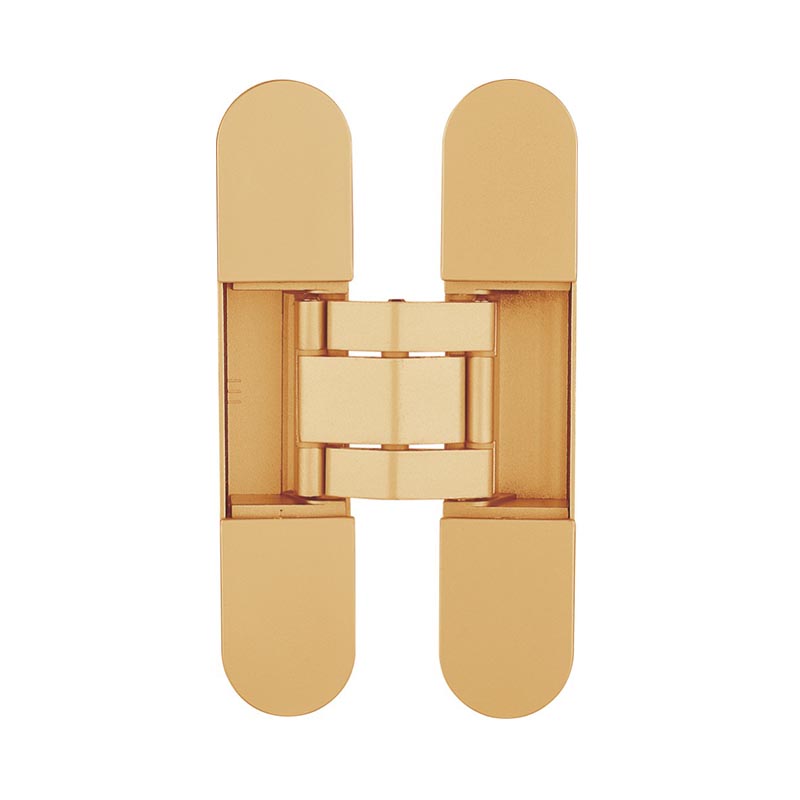
Spring hinges look simple at first glance. A small metal body, a compact spring inside, a basic motion function. Yet when they move through wholesale and retail channels, the pricing does not stay simple at all.
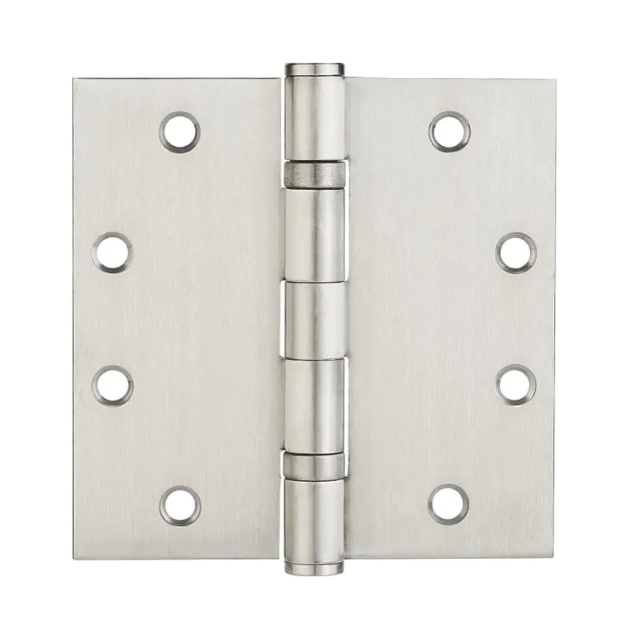
Two hinges may appear almost identical on the shelf. One sits in a lower price range. Another is noticeably higher. The difference is rarely random. It is usually the result of multiple small decisions made during design, material selection, production, and distribution.
Instead of one clear rule, the market works more like layered conditions. Each layer adds or reduces cost pressure in its own way.
This is one of the most common questions from buyers.
At a distance, most Spring Hinges Manufacturer share the same structure. Metal plates. A joint. A spring mechanism. But inside that simple shape, the production path can be very different.
Some hinges are designed for light use, where movement is occasional. Others are made for frequent opening and closing cycles. That difference alone changes how materials are chosen and how the internal spring is tuned.
There is also a difference in finishing expectations. Some products are meant to be purely functional. Others need a cleaner surface for visible installations.
So even before production starts, the product already carries different cost directions.
Material is usually the first thing people think about, but its influence is more layered than it seems.
A small change in metal type can shift everything that follows. Cutting behavior. Forming stability. Resistance during bending. Even how the spring holds tension over time.
In practical terms, material affects three things at once:
When a material is easier to work with, production flows faster. When it is harder, machines slow down, more adjustments are needed, and waste rates may increase.
That difference quietly builds into pricing without being obvious on the surface.
Spring hinges do not come from a single fixed method. Even within similar factories, the approach can vary.
Some production lines focus on speed and repetition. Others take a slower route with more adjustment steps between stages.
A few points usually separate cost levels:
A hinge that moves through fewer controlled steps tends to cost less. A hinge that passes through multiple refinement stages tends to cost more.
It is not about better or worse. It is about how much control is built into the process.
Yes, but not always in an obvious way.
A spring hinge may look identical from the outside, yet small internal differences matter. The way the spring is seated. The angle of movement. The thickness balance between plates.
When design becomes more precise, production has less tolerance for variation. Machines need tighter control. Assembly needs more careful alignment.
Even packaging can be affected, since more delicate parts require protection during transport.
A simple rule often applies here:
more structure inside usually means more effort outside.
Volume changes everything in wholesale supply.
A large batch allows production to run in a steady rhythm. Machines stay in the same setting longer. Material planning becomes smoother. Waste control becomes easier.
Smaller orders interrupt that rhythm. They require more setup changes, more handling, and more flexible scheduling.
This is where pricing begins to shift based on scale rather than product itself.
To make it clearer, here is a simple comparison:
| Order situation | What usually happens in production |
|---|---|
| Large batch | Stable setup, fewer interruptions |
| Medium batch | Some adjustments between runs |
| Small batch | Frequent changes, higher handling effort |
The product does not change. The workflow around it does.
Surface treatment is easy to overlook because it does not change shape. But it changes everything the surface experiences.
Some hinges go through only basic finishing. Others receive additional layers that improve smooth movement or resistance to wear.
Each added layer means:
Even if the hinge looks the same at the end, the path it took is longer.
This is one reason why two visually similar products can sit in different price positions.
Where a spring hinge is used matters more than it seems.
Indoor environments are usually stable. Less moisture. Less temperature change. Less pressure variation.
Outdoor or exposed environments introduce more stress. Movement happens under changing conditions. Materials age differently.
That difference affects:
A hinge designed for harsher conditions usually requires more careful construction. That care shows up in cost.
Yes, and sometimes without any change in the product itself.
Supply chain influence often appears quietly. Not in the hinge design, but in how smoothly materials and finished goods move.
A few examples of influencing points:
If movement becomes less efficient at any stage, cost pressure increases. That pressure eventually reflects in pricing.
It is not always visible to buyers, but it sits behind the final number.
Consistency is not just about quality control. It is about predictability.
A buyer expects every batch of spring hinges to behave the same way. If variation appears, additional sorting or inspection may be needed.
From a production perspective, maintaining consistency requires tighter control over:
These controls do not change the appearance of the product. They reduce variation across batches.
That reduction in variation often requires more attention during production, which influences cost structure.
Price comparison often focuses on surface-level numbers. But several less visible elements sit underneath.
Here is a simple breakdown:
| Hidden factor | Real-world effect |
|---|---|
| Production setup time | Affects speed of output |
| Batch stability | Influences inspection needs |
| Packaging structure | Impacts storage and transport efficiency |
| Handling complexity | Changes labor effort |
| Order planning rhythm | Affects scheduling flexibility |
None of these appear on a product label. Yet all of them shape the final pricing.
Market expectation plays a quiet role in pricing behavior.
When buyers expect consistent performance, production systems tend to become more controlled. That control increases stability but also adds internal process steps.
When buyers prioritize flexibility, production may shift toward faster adjustment cycles.
Adjustable Spring Hinges sit in a category where both expectations exist at the same time. Some applications value long-term reliability. Others focus on simple functionality.
This split creates natural variation in pricing across the market.
Spring hinges pricing is not shaped by a single visible cause. It forms through a combination of material behavior, production rhythm, usage conditions, and supply structure. Each layer adds its own small influence, and together they create the range seen in the market.

No.123, Kaixuan road, yunshan street, lanxi city, jinhua city, zhejiang province, china

+86-18066248602

+86-579-88864580

+86-579-88864581

Copyright © 2024 Lanxi Maya Hardware Co., Ltd. All Rights Reserved. Privacy Policy

Hydraulic Door Hinges Hardware Factory



 English
 Español
 русский