

 English
 Español
 русский
News
Home / News / Industry News / What Are Oleodynamic Hinges and Why Are They Used in Modern Door Systems
Doors get opened and closed dozens of times each day, yet few people spare a thought for the hardware that makes this movement possible. Most people first focus on a door's style, timber or overall look, ignoring the small fittings that let it swing properly.
Hinges stand out as one of these critical pieces. They fasten doors to their frames and enable smooth swinging. As construction standards keep evolving, basic old-style hinges have been updated into far more functional variants.
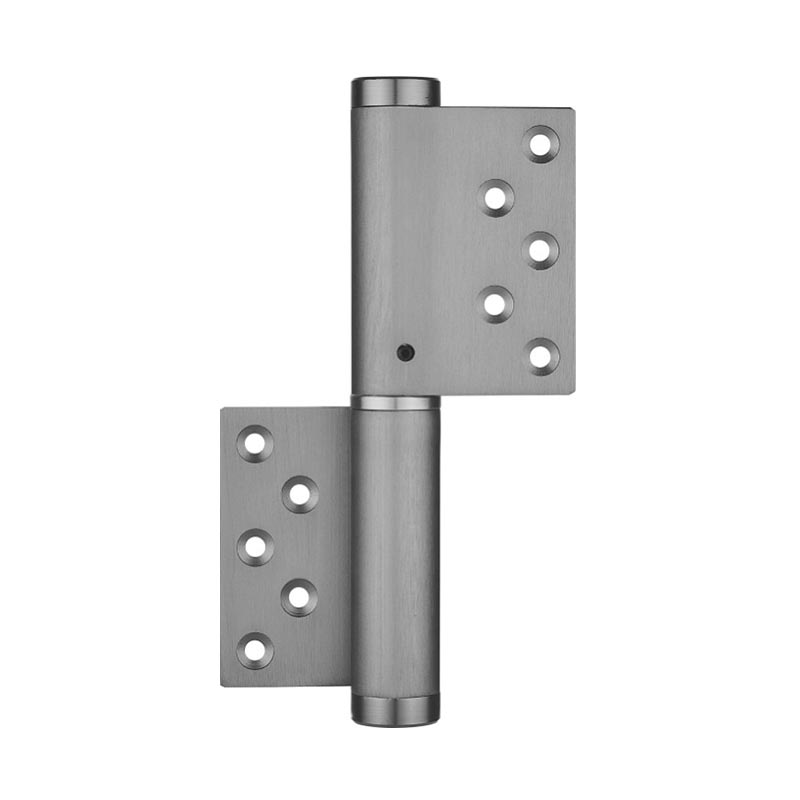
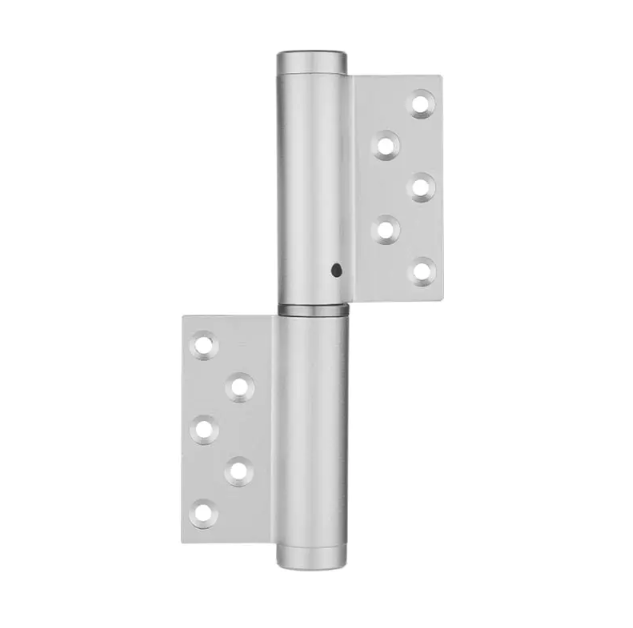
Oleodynamic hinges are a good example of this progress. Built with built-in hydraulic mechanisms, they regulate the door's motion as it swings open and shuts. Unlike standard hinges that let doors swing loosely, these deliver steady, gentle movement every time.
For today's buildings, how a door operates ties straight to comfort, safety and day-to-day ease. Offices, hotels, retail premises and residential builds all put more thought into picking their door fittings. Businesses and homeowners alike seek hardware that delivers precise motion control without complicated extra setups.
The rising demand for oleodynamic hinges points to a bigger shift within the door fitting industry. These small hardware pieces now play a key role in architectural planning, since they shape how everyone moves through and uses indoor spaces.
An oleodynamic hinge is a type of door hinge that uses an internal oil-based control system to regulate door movement.
Unlike a standard hinge that mainly supports rotation, an oleodynamic hinge helps control the speed and smoothness of the closing process. The internal mechanism manages movement so the door does not simply swing back without control.
The basic operation can be understood through a simple process:
| Part | Function |
|---|---|
| Hinge Structure | Connects the door and frame |
| Internal Control System | Regulates door movement |
| Oil Mechanism | Helps create smooth operation |
| Adjustment Components | Allows adaptation for different uses |
When a door is opened, the hinge responds to the movement. During closing, the internal system helps guide the door back gradually.
This controlled movement is the main reason oleodynamic hinges are used in many modern door applications. They provide a different experience compared with ordinary hinges that only allow free movement.
Modern buildings have different expectations compared with older structures. A door is no longer viewed only as a barrier between spaces. It is part of the overall user experience.
A door that closes too quickly may create noise or inconvenience. A door that remains open may affect privacy or space management. These small issues become more noticeable in places with frequent daily traffic.
Hinges help address these concerns by creating smoother door movement.
They are commonly considered for:
The growing use of these hinges is connected with the demand for better building details. Architects and contractors are looking at every part of a project, including the hardware that supports daily operation.
A small improvement in door movement can make a space feel more comfortable and organized.
Traditional hinges have been used for many years because they are simple and practical. Their main purpose is to allow the door to open and close.
Hinges add another layer of control. They are designed not only to support movement but also to influence how that movement happens.
The main differences can be seen below:
| Feature | Traditional Hinges | Oleodynamic Hinges |
|---|---|---|
| Main Purpose | Support door movement | Support and control door movement |
| Closing Action | Depends mainly on door balance | Assisted through internal control |
| User Experience | Basic operation | Smoother movement |
| Application Focus | General door use | Situations needing controlled closing |
The choice between these options depends on the door application. Some doors only require basic movement, while others need additional control because of their location and usage frequency.
For modern projects, door hardware selection is becoming more detailed. Builders are considering not only whether a door works, but also how it feels during use.
Hinges are used in many environments where controlled door movement is valuable.
In commercial buildings, they can support doors that experience regular use throughout the day. Office entrances, meeting rooms, and service areas may benefit from smoother operation.
Hotels are another common application area. Guest comfort is an important consideration, and door movement can influence the overall impression of a room or facility.
Residential projects are also showing more interest in functional hardware. Homeowners increasingly look for products that combine appearance with practical benefits.
Common application areas include:
| Application | Reason for Use |
|---|---|
| Offices | Supports frequent daily movement |
| Hotels | Improves door operation experience |
| Public Buildings | Helps manage high usage areas |
| Residential Projects | Adds convenience to everyday use |
| Commercial Spaces | Supports organized door control |
The wide application range shows how door hardware has become connected with different aspects of building design.
You'll feel the real advantages of oleodynamic hinges just from regular daily use.
The most obvious plus is how gently doors shut. Ordinary hinges let doors slam shut fast, but this type slows the whole closing motion down and keeps it steady.
This quiet, soft close works perfectly for busy shared areas. Offices, hotel hallways and communal rooms stay much calmer without loud bangs every time someone passes through.
They also make doors far easier to use. After pulling the door open, you don't have to hold it or nudge it closed yourself—the hinge takes care of the rest automatically.
Property managers also see fewer maintenance headaches. These hinges stop doors from hanging wide open or slamming erratically, cutting down related wear and tear issues.
The key perks break down simply:
That's why more construction teams pick these upgraded hinges early on when drafting building plans.
Door hardware was once treated as a simple construction detail. Today, it is becoming part of a larger discussion about building quality and user experience.
Project teams now consider how people interact with spaces. A door is one of the most frequently touched elements in a building, so its operation can influence daily activities.
This change has encouraged more attention toward functional hardware products such as hinges.
When selecting door components, buyers often consider:
The decision is no longer based only on cost or appearance. Performance during daily use has become an important factor.
This trend has encouraged manufacturers to develop more flexible solutions for different door systems.
Choosing an oleodynamic hinge requires understanding the actual needs of the door application.
The first point to consider is the environment where the hinge will be installed. A hotel entrance, office room, and residential door may have different expectations.
Door structure is another important factor. The hinge needs to match the door design and installation conditions.
Maintenance is also worth considering. Commercial buildings often prefer hardware that can continue working smoothly with reasonable care.
Buyers may review:
| Consideration | Why It Matters |
|---|---|
| Door Location | Different areas create different usage needs |
| Door Design | Affects compatibility with the hinge |
| Usage Frequency | Influences product selection |
| Maintenance Plan | Supports long-term operation |
A suitable choice depends on matching the hinge with the complete door system.
Building design continues to move toward greater comfort and practical functionality. This trend is influencing even small hardware components.
Hinges represent this direction by combining basic door movement with additional control.
As commercial and residential spaces become more focused on user experience, door hardware will continue to receive more attention. Components that were once considered minor are now part of the overall design conversation.
Future door systems will likely continue exploring ways to improve convenience, movement quality, and adaptability.
Oleodynamic hinges show how a small part of a door can influence the way people experience a building every day. Their role extends beyond simple connection, becoming part of a more thoughtful approach to modern space design.

No.123, Kaixuan road, yunshan street, lanxi city, jinhua city, zhejiang province, china

+86-18066248602

+86-579-88864580

+86-579-88864581

Copyright © 2024 Lanxi Maya Hardware Co., Ltd. All Rights Reserved. Privacy Policy

Hydraulic Door Hinges Hardware Factory