

 English
 Español
 русский
News
Home / News / Industry News / What Is a Commercial Spring Loaded Door Hinges and Why Is It Used in Building Hardware
Walking through a commercial building, people usually notice the doors, but rarely think about the small hardware parts that control their movement. A door opens, closes, and returns to position because several components work together. Among them, hinges play a quiet but important role.
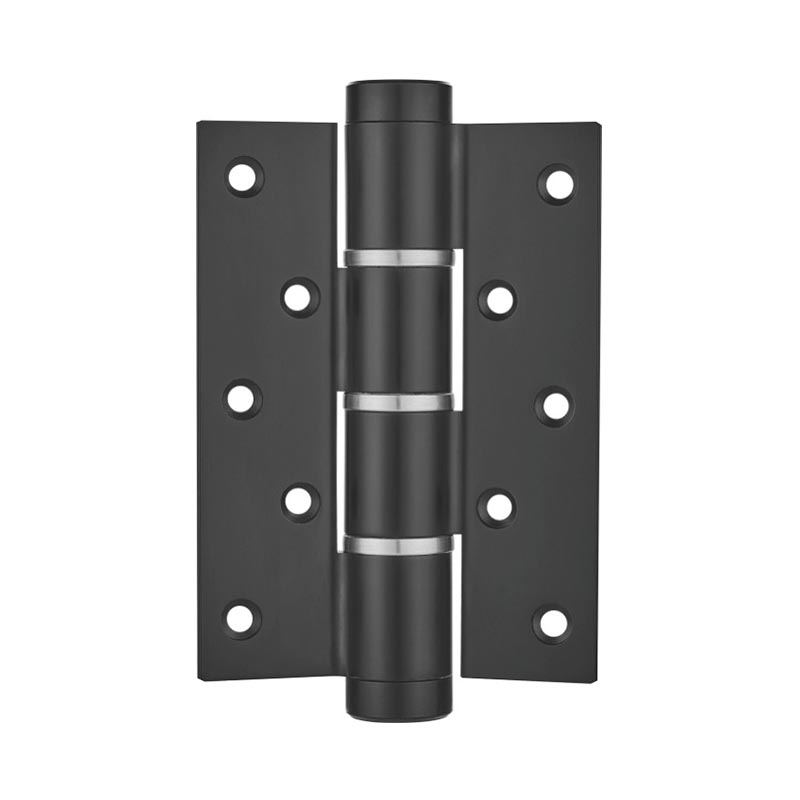
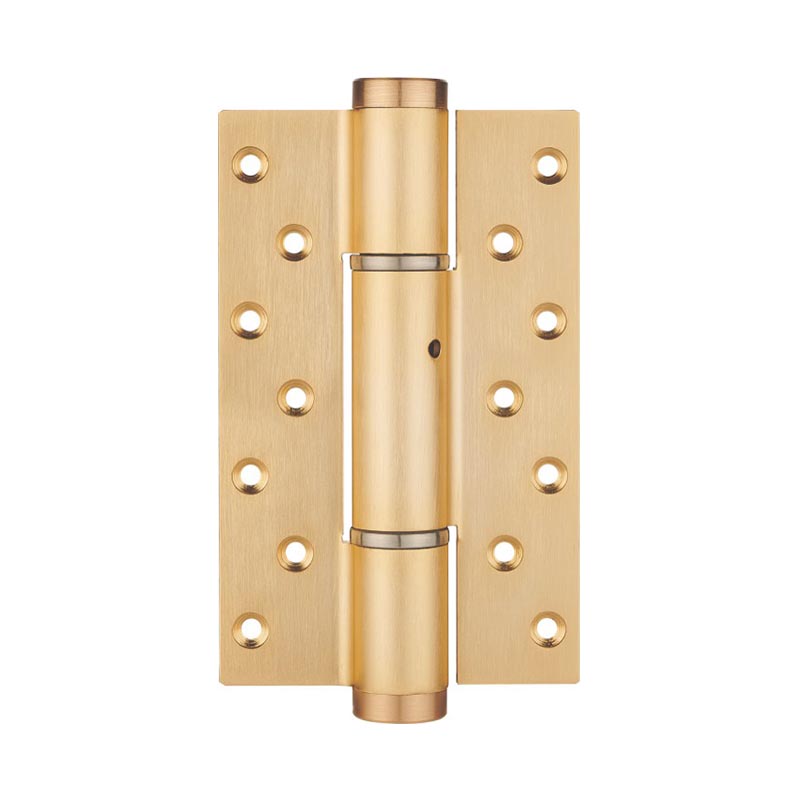
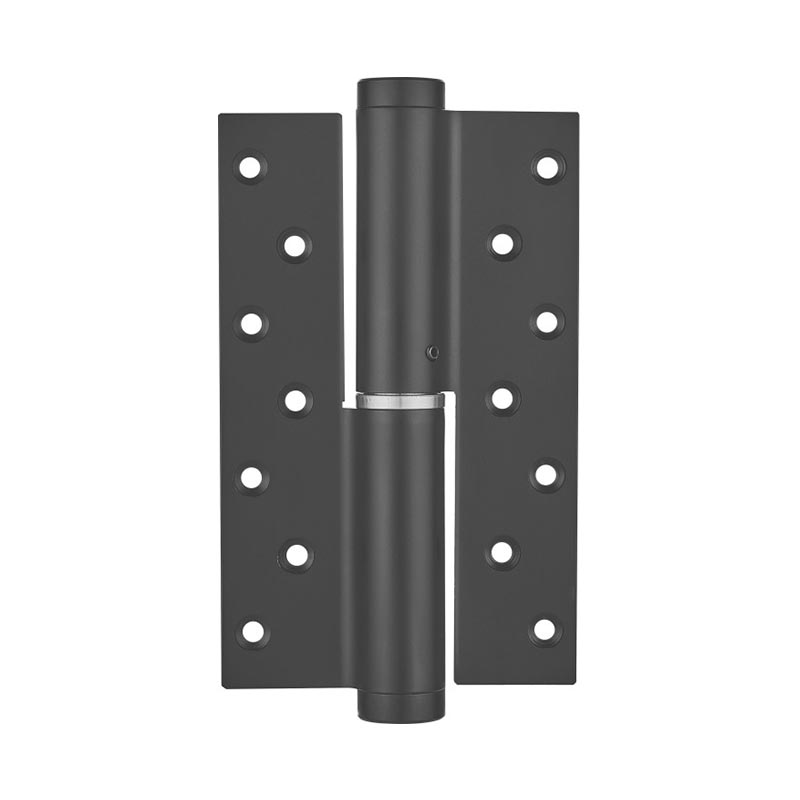
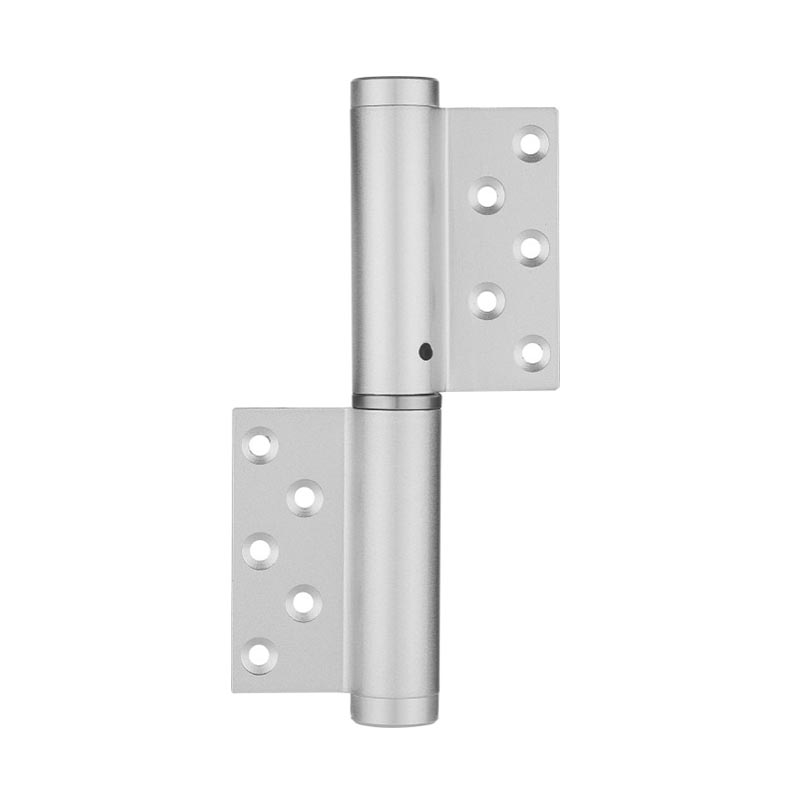
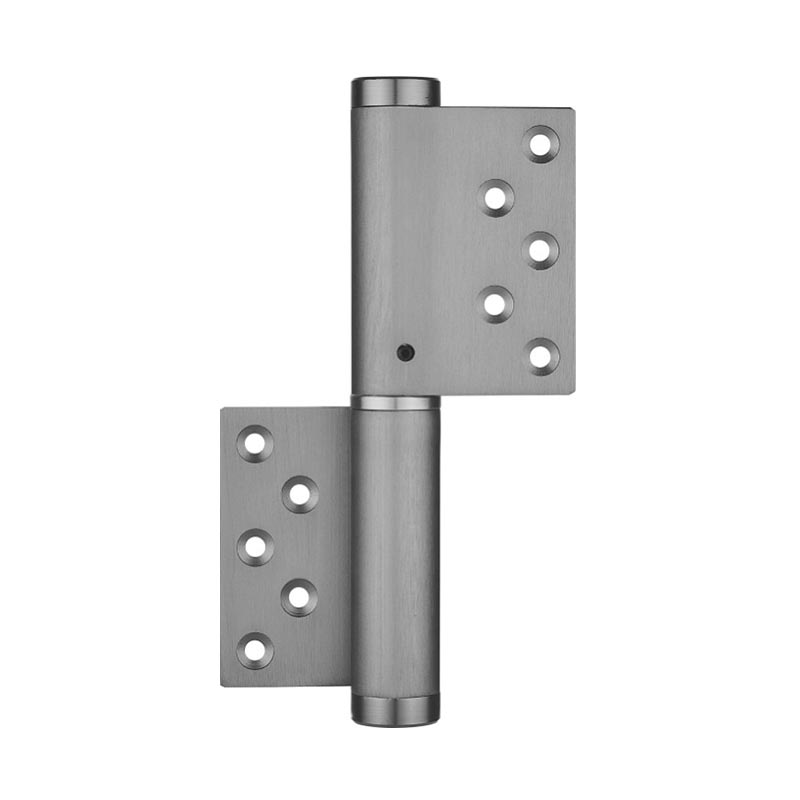
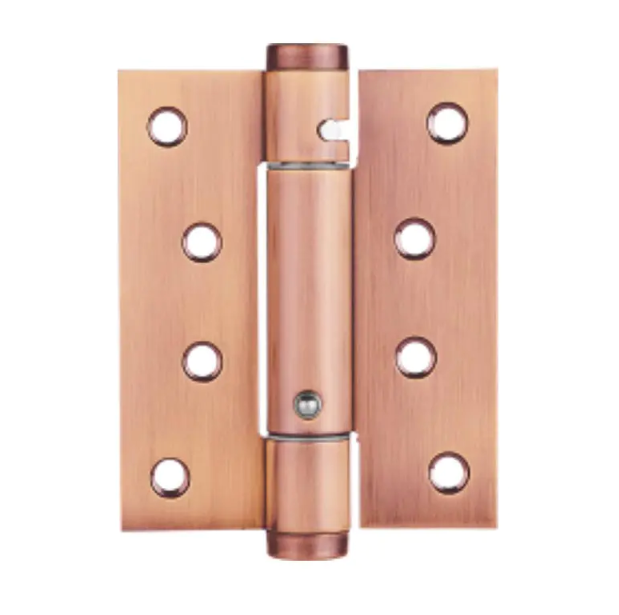
Commercial spring loaded door hinges are designed for environments where doors are used frequently and need controlled movement. They combine the basic function of a traditional hinge with a spring mechanism that helps guide the door back after opening.
In offices, stores, hotels, schools, and public facilities, doors are part of daily traffic flow. A door that remains open, closes too slowly, or requires repeated manual adjustment can affect how people use a space. This is why many building projects pay closer attention to door hardware selection.
The demand for commercial spring loaded door hinges has grown as building owners and contractors look for practical solutions that improve everyday door operation. Although the product itself is small, its influence can be noticed every time someone enters or leaves a room.
A commercial spring loaded door hinge is a type of door hardware that connects a door to its frame while helping control the closing movement.
A standard hinge allows a door to swing. It provides the connection needed for opening and closing. A spring loaded hinge adds another function by using an internal spring structure to create returning force after the door is opened.
This design allows the door to move back toward its original position without depending completely on the user.
The working idea is simple:
| Component | Main Role |
|---|---|
| Hinge Body | Connects the door and frame |
| Spring Mechanism | Helps create returning movement |
| Mounting Parts | Keeps the hinge fixed in position |
| Door Structure | Works together with the hinge for smooth operation |
The hinge does not operate separately. Its performance depends on how it matches the door, frame, installation method, and surrounding environment.
Commercial spaces are different from private homes. A residential door may only be opened occasionally, while a commercial door can experience constant daily use.
A busy building needs doors that fit naturally into everyday movement. Employees, visitors, and customers often move through entrances and rooms without stopping to think about the hardware behind the door.
Spring loaded hinges are often selected because they help reduce the need for manual closing. This can be useful in areas where people frequently pass through.
Typical applications include:
The reason for using these hinges is not only convenience. In many commercial environments, keeping doors in their intended position can also help maintain better organization.
A small hardware choice can influence how smoothly a building operates.
The operation of a spring loaded door hinge happens through a simple movement process.
When a person pushes the door open, the hinge allows the door to rotate. At the same time, the internal spring reacts to this movement. When the door is released, the spring assists the return movement.
Unlike a basic hinge that only supports rotation, a spring loaded hinge participates in the movement process.
This feature makes it suitable for doors where automatic return movement is preferred.
The user experience is often subtle. People may not notice the hinge itself, but they notice whether a door feels natural to use.
A well-matched hinge can make opening and closing actions feel smoother. A poorly selected hinge may create inconvenience over repeated daily use.
This is why commercial buyers usually consider the full application rather than choosing a hinge based only on appearance.
The use of commercial spring loaded door hinges is closely connected with building function.
Different spaces have different door requirements. A small office door and a busy public entrance do not face the same level of daily activity.
In office environments, these hinges can help manage movement between rooms. Employees often carry documents, equipment, or personal items, making easy door operation valuable.
In retail spaces, customer movement is an important consideration. Doors need to work naturally without interrupting the shopping experience.
Hotels and service facilities also rely on door hardware because guests interact with doors throughout their stay.
The application areas can be viewed as follows:
| Building Type | Common Door Requirement |
|---|---|
| Office Buildings | Smooth movement between working areas |
| Retail Spaces | Convenient access for customers |
| Hotels | Comfortable use for guests |
| Public Facilities | Support for frequent traffic |
| Service Areas | Practical daily operation |
The right hinge depends on how the door is used rather than where the building is located.
Selecting door hardware requires attention to several practical details. Commercial projects often involve many doors, so choosing suitable hinges can affect long-term use.
One consideration is the door application. Different doors may have different weights, designs, and usage patterns. A hinge that works well in one location may not be suitable for another.
Installation conditions also matter. The relationship between the hinge, door, and frame affects how the entire system works.
Maintenance is another point that buyers consider. Commercial buildings usually prefer products that are easy to manage because door problems can interrupt normal activities.
Important selection factors include:
A careful evaluation helps buyers avoid problems caused by mismatched products.
The building hardware market has gradually shifted from focusing only on basic function. Today, many projects pay more attention to user experience and daily convenience.
Doors are one of the most frequently used parts of a building. Even small improvements can influence how people feel inside a space.
Commercial spring loaded door hinges represent this change. They show how traditional hardware products are being adjusted to meet practical needs.
Contractors and facility managers now consider more than whether a door can open and close. They also look at how the door behaves during repeated use.
This has encouraged manufacturers to develop more product options for different applications.
Customization has also become a common requirement. Different projects may need different finishes, designs, or installation methods depending on the building environment.
Large construction projects often focus attention on visible elements such as walls, flooring, lighting, and furniture. However, small hardware parts influence daily interaction with the building.
A door is used many times every day. If the hardware does not work properly, users notice the problem quickly.
Commercial spring loaded door hinges may not be the most visible part of a building, but they contribute to the overall operation of the space.
For businesses, repeated small inconveniences can affect employees and visitors. A door that works smoothly creates a more comfortable environment.
This is why architects, contractors, and property managers often include hardware decisions early in project planning.
The selection of hinges is not only a technical decision. It is also connected with how people experience a building.
The demand for practical building solutions continues to influence door hardware development. Commercial spaces are becoming more focused on efficiency, convenience, and flexible use.
Spring loaded door hinges are expected to remain part of this development because they address common needs in many environments.
Future product improvements may focus on better adaptability, easier installation, and wider application possibilities.
As buildings become more carefully designed around human movement, even small components are receiving more attention.
Commercial spring loaded door hinges show how a simple hardware product can support better door operation. Their role may be small in size, but their impact appears in everyday movement throughout commercial spaces.

No.123, Kaixuan road, yunshan street, lanxi city, jinhua city, zhejiang province, china

+86-18066248602

+86-579-88864580

+86-579-88864581

Copyright © 2024 Lanxi Maya Hardware Co., Ltd. All Rights Reserved. Privacy Policy

Hydraulic Door Hinges Hardware Factory