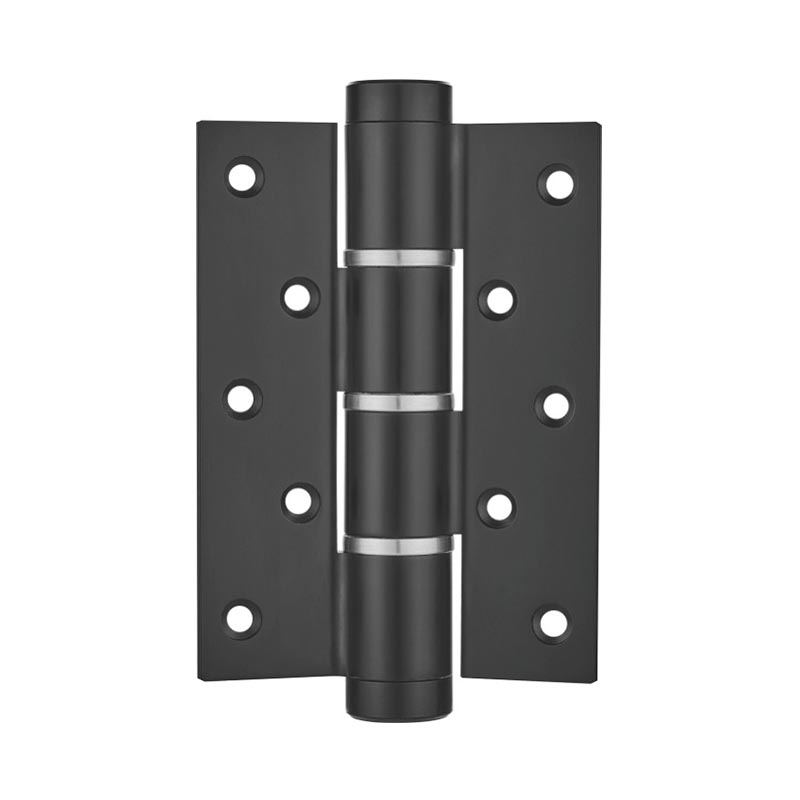
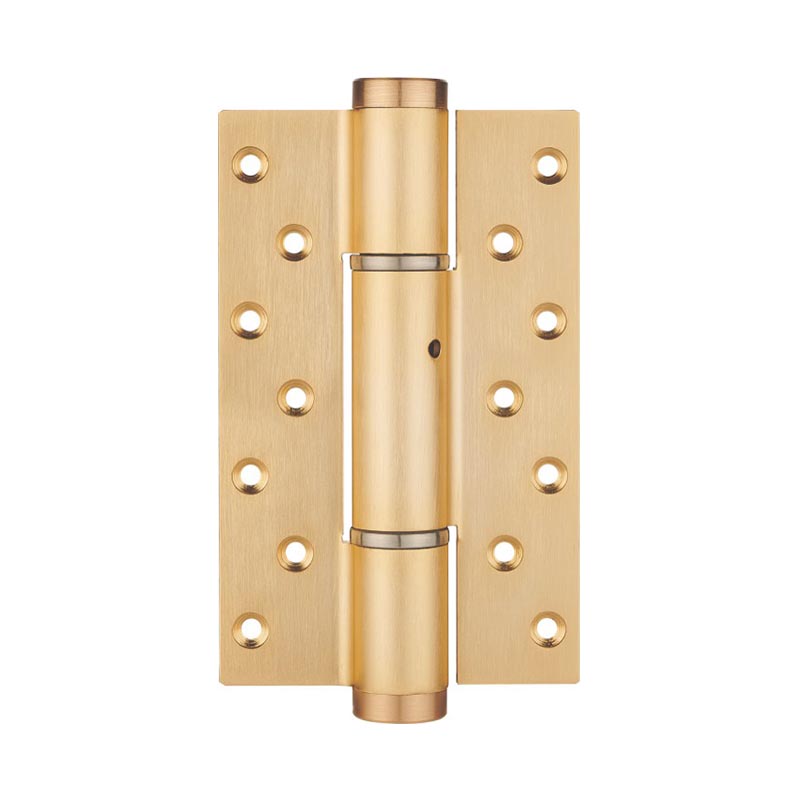
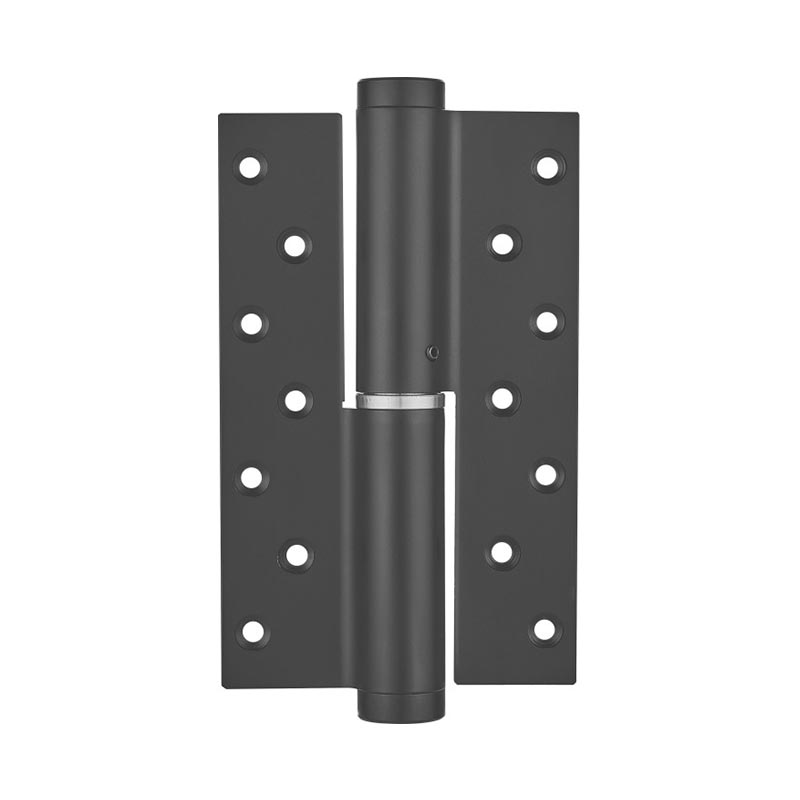
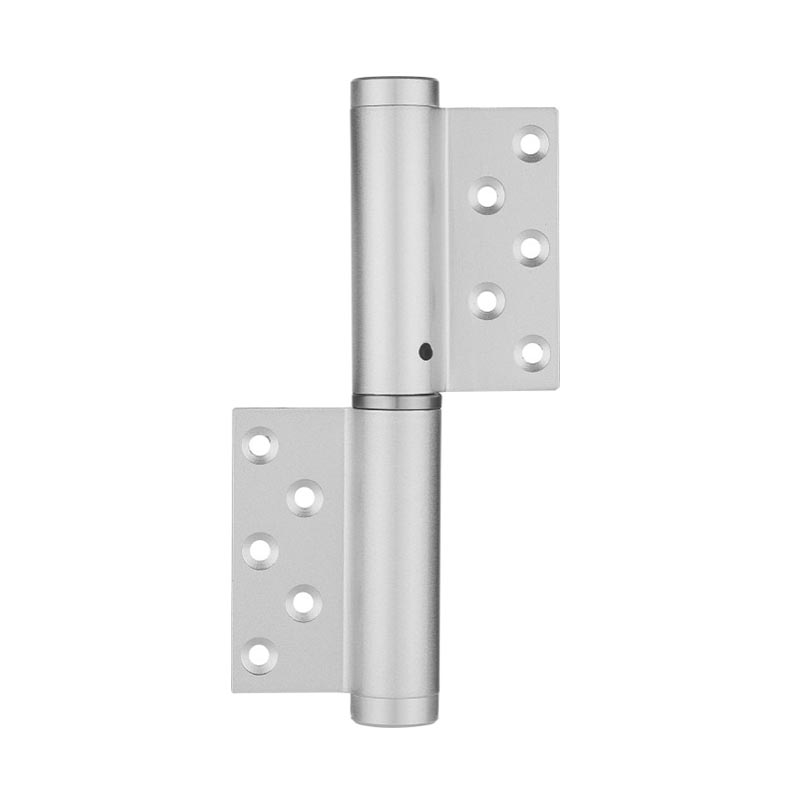
Trap door systems are no longer limited to hidden storage or simple access panels. They are now used in residential interiors, commercial floors, maintenance zones, and even decorative architectural spaces. A floor door looks simple on the surface, but the movement underneath depends heavily on the hinge system.
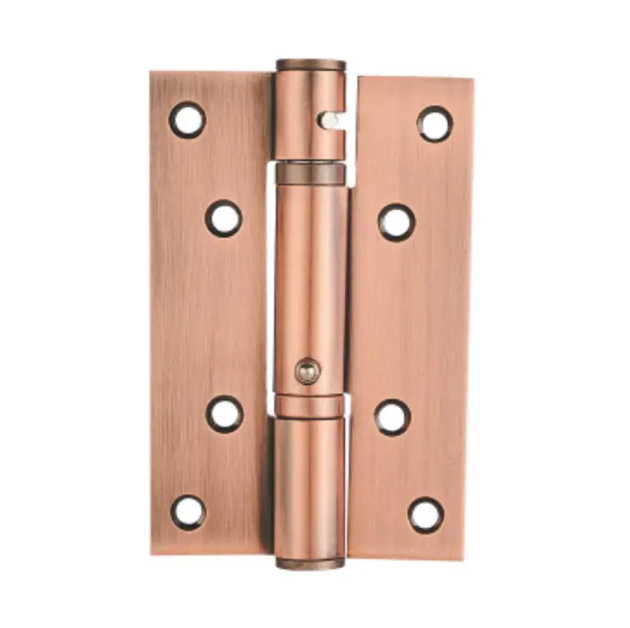
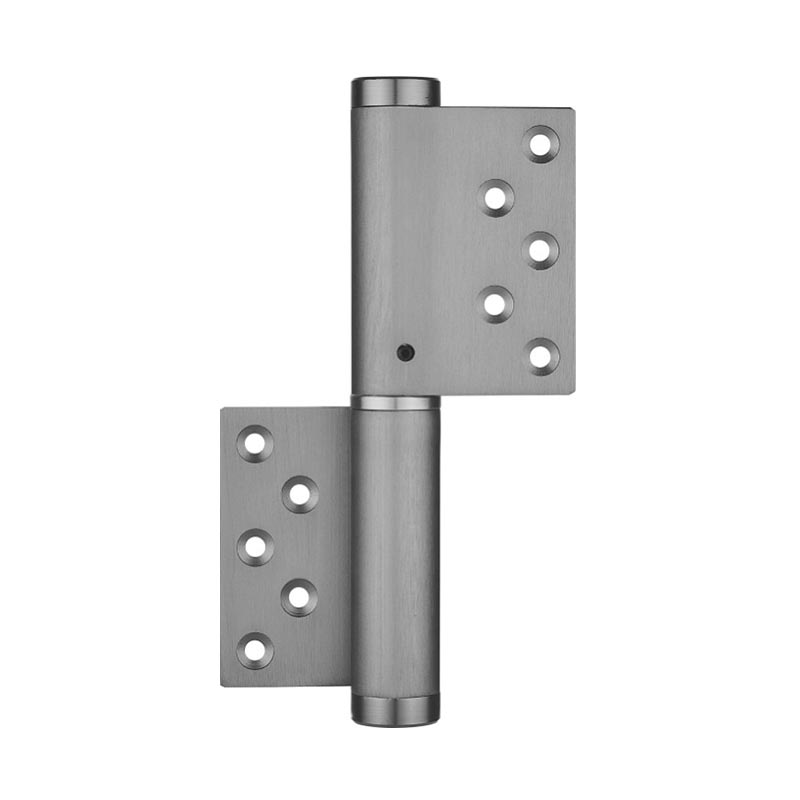
Among different hardware options, spring loaded hinges play a key role. They control how the floor panel opens, how it stays supported, and how it returns into position. Different floor door designs require different hinge behavior, so the market naturally forms several distinct types.
A floor door is affected by more conditions than a normal wall door. It carries weight from above, works within limited space, and often moves in a lifting or downward direction instead of a simple swing.
Because of these differences, hinge selection is not universal.
In real applications, the choice usually depends on:
A hinge that works smoothly in a light decorative panel may feel unstable in a heavy access floor. This is why multiple hinge types exist instead of a single standard solution.
Light spring loaded hinges are often found in small floor openings. These are commonly used in residential environments or light-duty access points where the panel is not heavy.
The focus of this type is simple control. Movement should feel natural, not forced.
In practical use, these hinges usually provide:
They are often chosen when the floor door is part of living space design, where user comfort matters more than load capacity.
Some floor doors are built for higher strength requirements. These may be used in service areas, storage floors, or commercial buildings where the panel is thicker and heavier.
In this case, stronger hinge support is needed to manage weight and maintain stability during repeated use.
Heavy spring hinge behavior usually includes:
Instead of relying on manual effort alone, the hinge helps balance part of the load, making operation more controlled and safer.
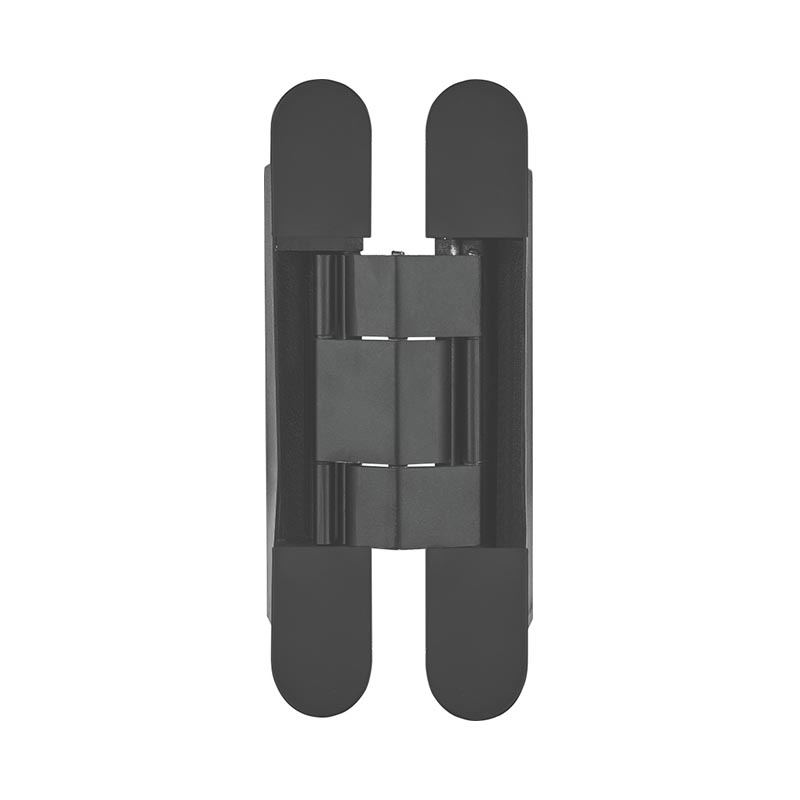
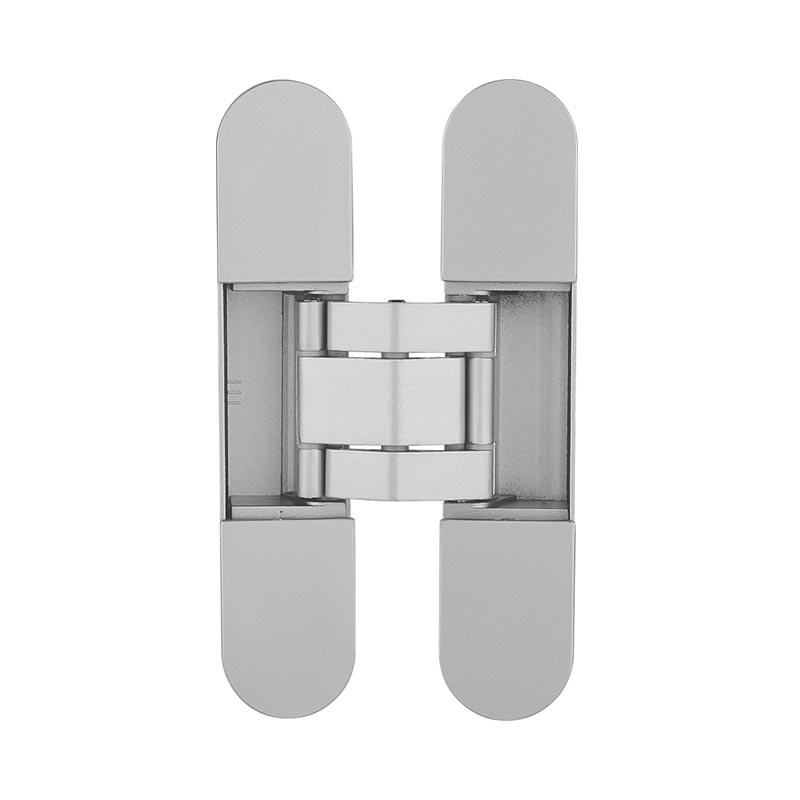
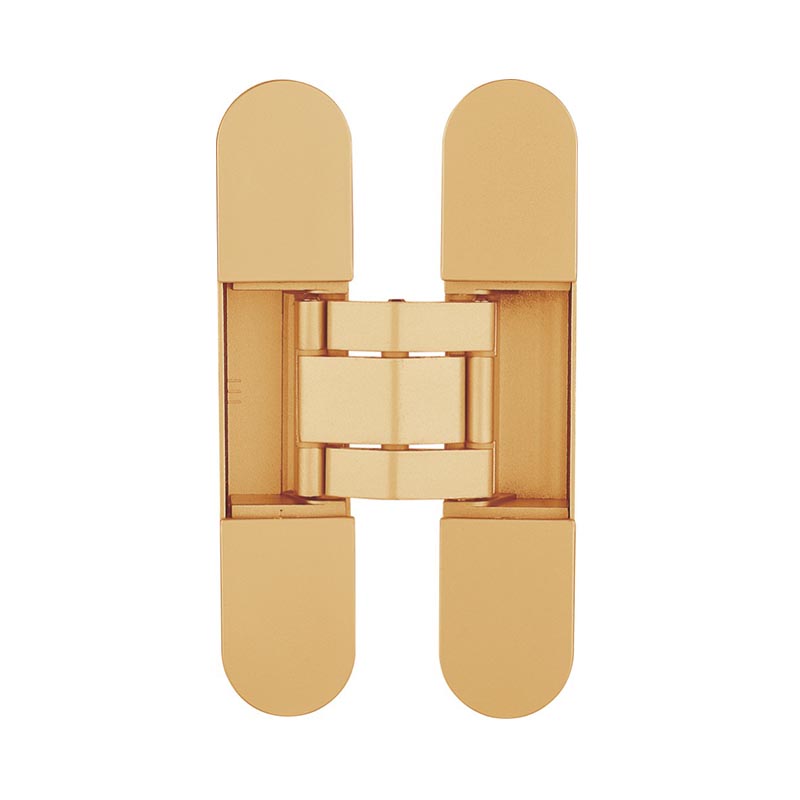
Modern interior design often aims for clean and uninterrupted surfaces. Floor doors are sometimes designed to be almost invisible when closed. In such cases, visible hinge hardware is not desirable.
Concealed spring hinges solve this problem by hiding most of the mechanism inside the structure.
Their main characteristics include:
This type is often used in high-design interiors where visual consistency is important.
No two floor door installations are exactly the same. Jobs often feature custom dimensions, different panel materials or uneven weight loads. Standard fixed-tension hinges can't deliver smooth operation under these varied conditions.
Adjustable spring hinges let installers tweak tension even after the door is fully fitted.
This adjustability solves plenty of common on-site issues:
There's no need to swap out hardware entirely. Small tension tweaks alone keep the door working reliably for years.
Oversized, weighty floor doors can't rely on simple single springs to operate easily. Assisted spring setups pair spring tension with extra mechanical structures to cut down the physical push or pull needed to lift the panel.
The design prioritizes balanced, controlled movement over fast opening speeds.
You'll notice these practical advantages:
Such hardware is widely chosen for busy spaces with frequent access, where repeatedly lifting heavy doors would otherwise leave users fatigued.
Material selection plays a long-term role in hinge stability. Floor doors are exposed to pressure, dust, and environmental changes. Over time, these conditions can affect movement behavior.
Different materials influence performance in several ways:
A well-matched material helps maintain smoother operation even after long use cycles.
| Hinge type | Floor door design | Movement behavior | Common usage |
|---|---|---|---|
| Light spring hinge | Small floor panels | Soft and easy motion | Residential access points |
| Heavy spring hinge | Large or thick panels | Strong and stable support | Commercial or service floors |
| Concealed spring hinge | Hidden floor systems | Invisible and smooth operation | Interior design projects |
| Adjustable spring hinge | Custom installations | Tunable movement resistance | Special floor setups |
| Assisted spring system | Heavy large doors | Reduced effort lifting | Frequent access areas |
Floor structures often have limited internal space. Unlike wall-mounted doors, trap doors must fit mechanical parts inside tight gaps below the surface.
This creates practical constraints such as:
Because of this, hinge design must match the available space. A mismatch can lead to uneven movement or reduced long-term stability.
In floor door systems, movement speed is not the main goal. Sudden opening or closing can create safety risks or reduce structural stability.
Controlled motion provides better real-world performance.
A well-designed spring hinge should offer:
This improves both safety and user experience, especially in frequently used floor access points.
Floor door hinges are often used repeatedly over time. With continued cycles, small changes in behavior may appear.
Common long-term observations include:
Quality hinge systems aim to reduce these changes and maintain stable performance over a longer period.
Are all trap door spring hinges interchangeable?
No. Different floor designs require different load and movement characteristics.
Can concealed hinges handle heavy floor doors?
Yes, but only when specifically designed for higher load conditions.
Why do some floor doors feel easier to open than others?
This is usually related to spring tension and overall hinge structure.
Do adjustable hinges improve installation flexibility?
Yes, they allow fine tuning after installation for better movement balance.
Is material selection important for long-term performance?
Yes. It directly affects durability, stability, and movement consistency over time.

No.123, Kaixuan road, yunshan street, lanxi city, jinhua city, zhejiang province, china

+86-18066248602

+86-579-88864580

+86-579-88864581

Copyright © 2024 Lanxi Maya Hardware Co., Ltd. All Rights Reserved. Privacy Policy

Hydraulic Door Hinges Hardware Factory



 English
 Español
 русский