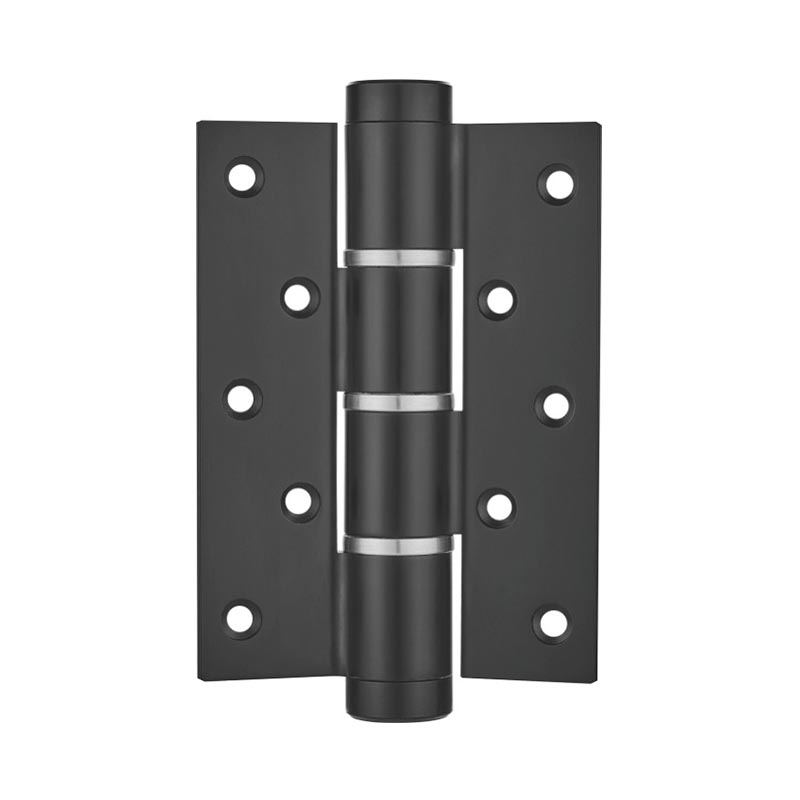
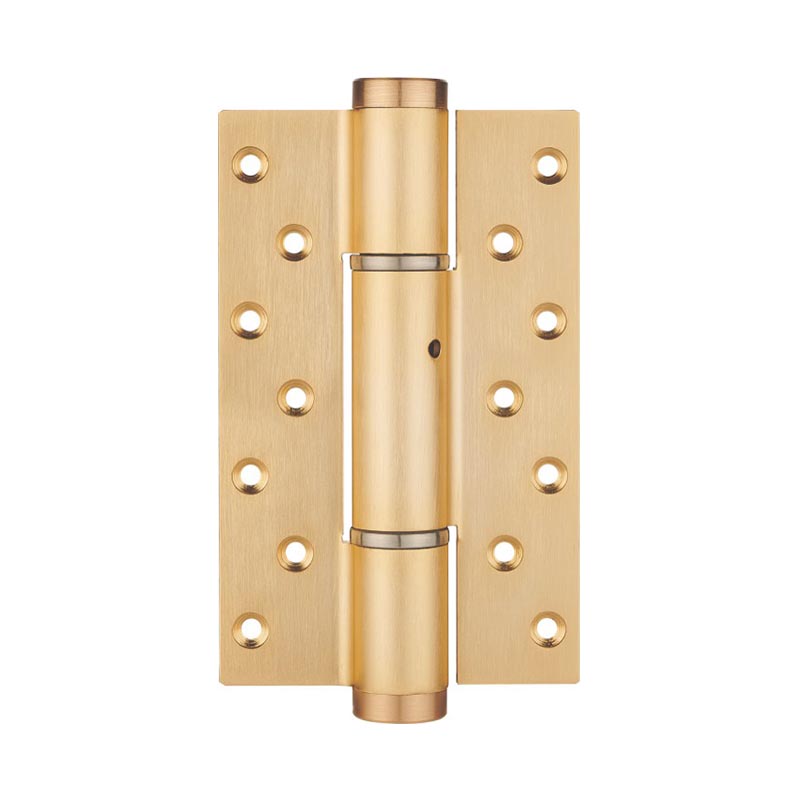
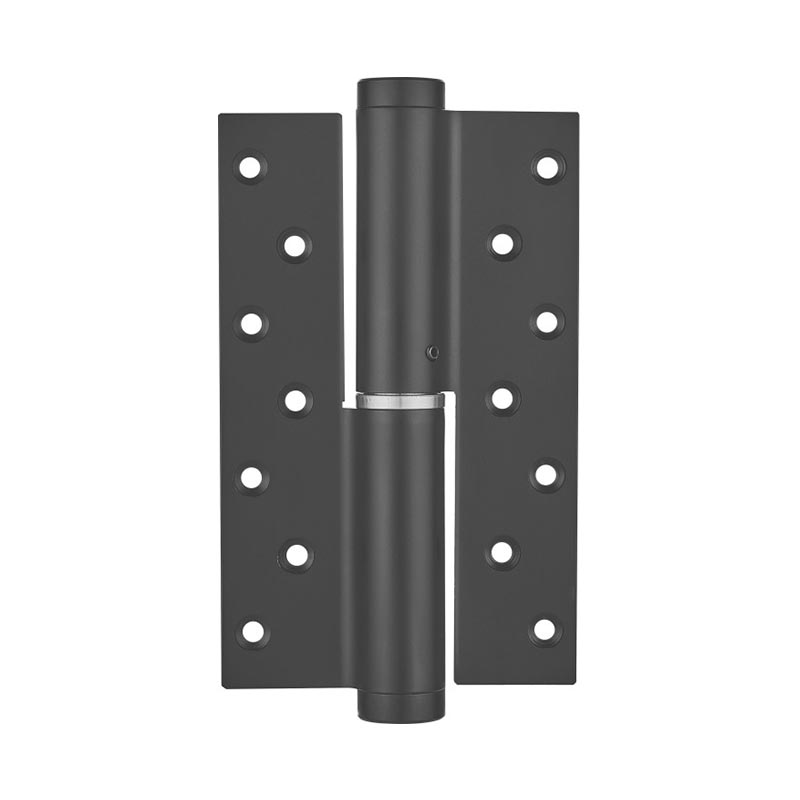
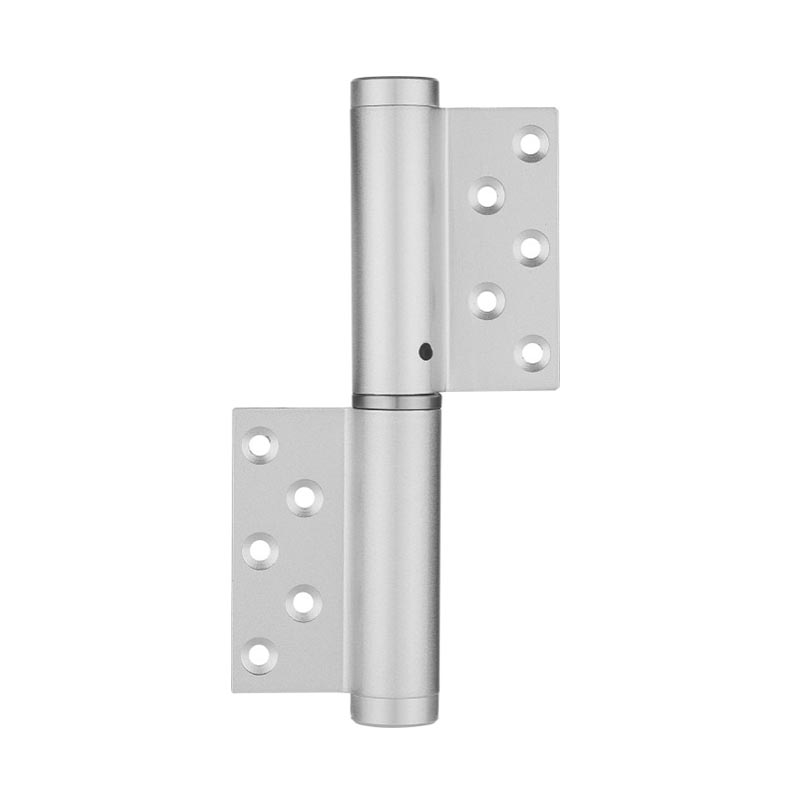
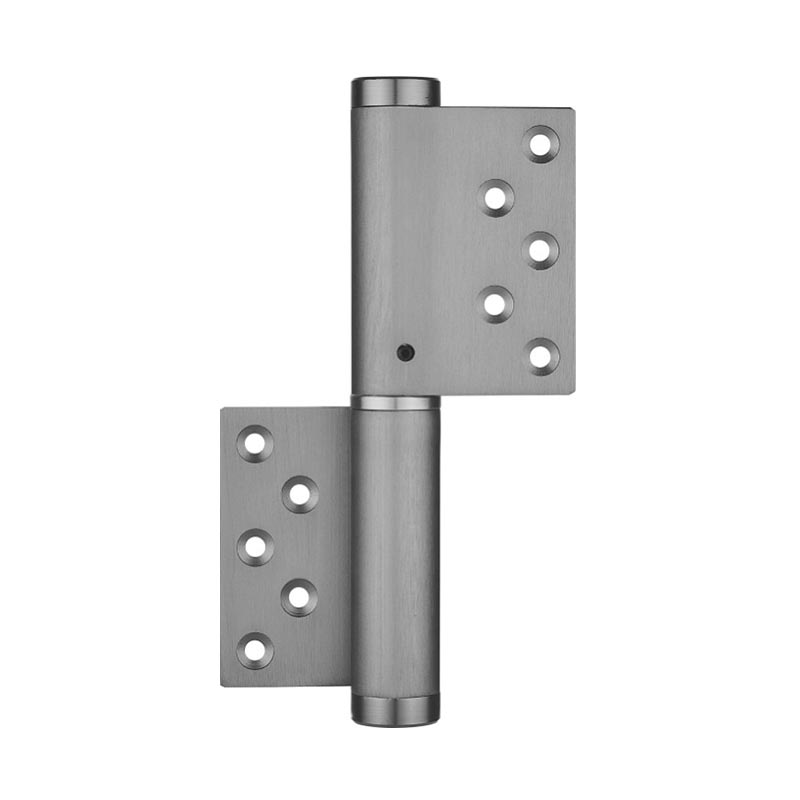
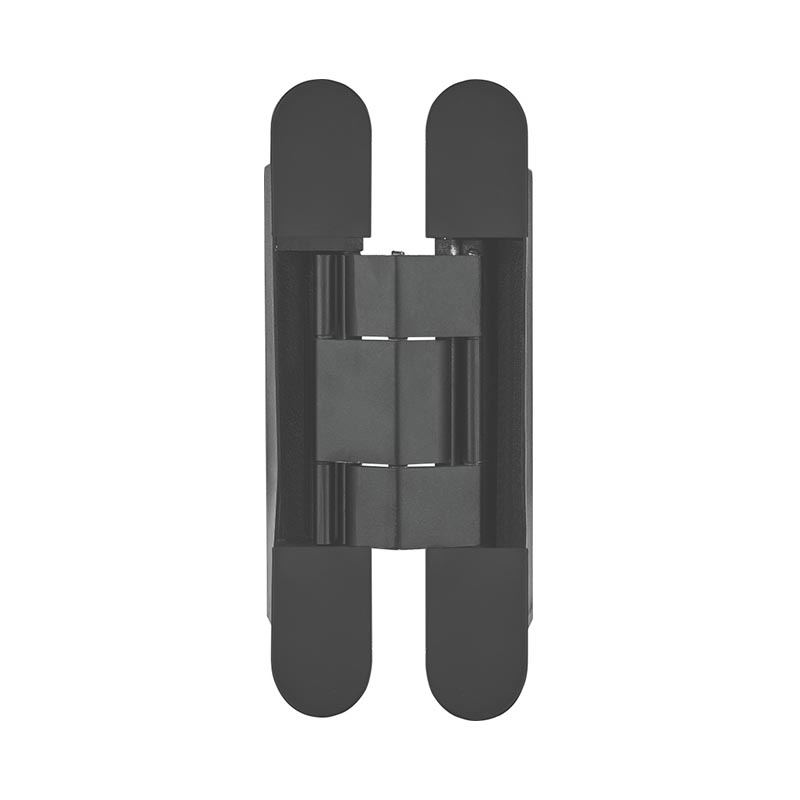
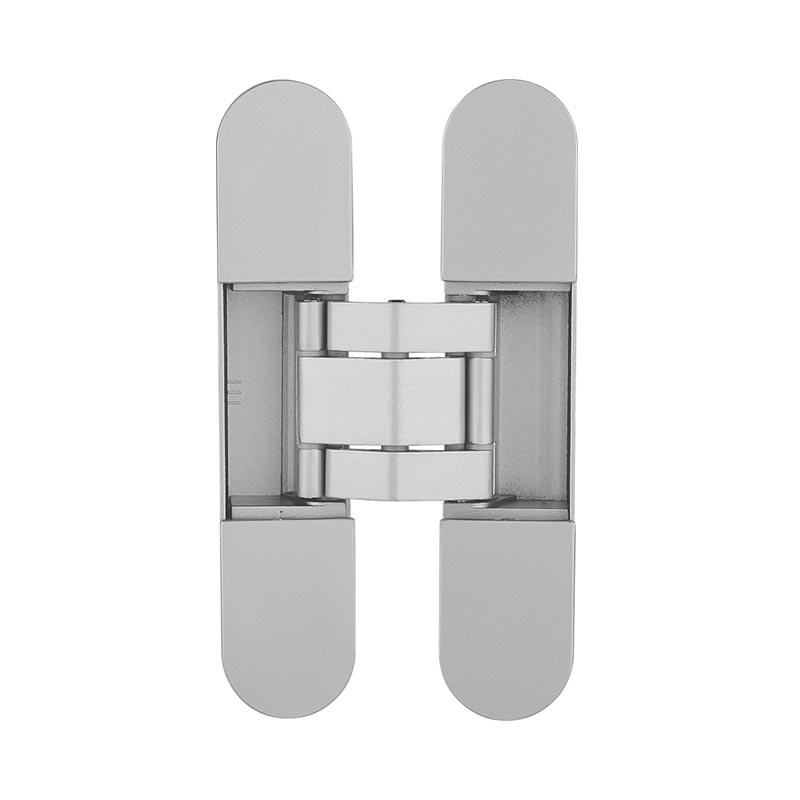
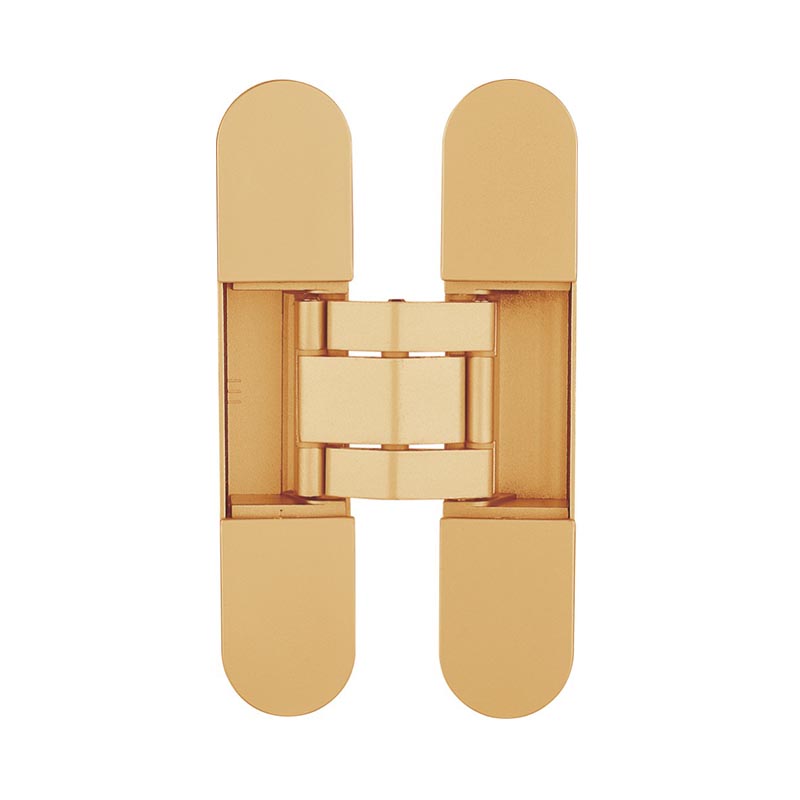
Spring loaded hinges are small components, but they influence how a door, panel, or cabinet behaves every day. In many applications, people only notice them when something feels off. A door does not close smoothly, or it stays slightly open. Sometimes it feels fine at the beginning, then slowly becomes inconsistent.
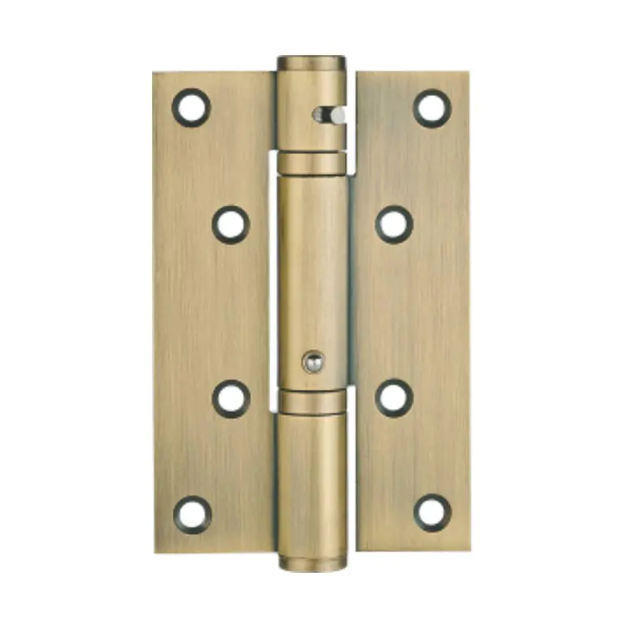
Because of this, quality testing is not just a production step. It is also a way to understand how a hinge will behave after repeated use in real environments. Different types of spring loaded hinges may look similar, but their internal behavior can vary quite a bit once movement starts.
At a glance, most hinges look simple. Metal body, rotating joint, and a spring inside. But the visible structure does not fully explain how the hinge will perform under continuous motion.
Some hinges feel stable in the first few uses, then start to lose smoothness. Others may feel slightly stiff at the beginning but remain consistent over time.
That is why testing matters. It helps reveal differences that are not obvious visually, such as:
In real use, these small factors decide whether the hinge feels reliable or distracting.
Before applying any force or repeated movement, a simple inspection can already show early signs of quality.
This step is usually done by hand, without tools.
What to look for includes:
Even at this stage, small differences can appear between batches or types. A hinge that already feels uneven here may not perform well later under repeated use.
The spring function is the core of a spring loaded hinge. It controls how the hinge returns after being opened. This behavior should feel natural, not forced or unpredictable.
A simple manual test is often enough to observe this.
During testing, pay attention to:
Different hinge types may behave differently, but stability is the key point. A stable hinge does not change its behavior randomly during repeated movement.
A single movement does not tell much. Many issues only appear after repeated operation.
When a hinge is used several times in a row, internal structure behavior becomes more visible. Some hinges remain smooth, while others start to feel slightly different after a short period.
During repeated testing, observe:
These changes are often subtle, but they reflect how the hinge may behave after long-term installation.
Noise is often a small detail, but it carries useful information. A stable hinge usually operates with a consistent and quiet movement. When internal friction is uneven, sound may appear.
Testing can be done in a quiet environment by slowly opening and closing the hinge several times.
Listen for:
Even if the hinge still functions, irregular sound often suggests internal inconsistency or uneven contact between parts.
In real use, hinges are not isolated parts. They support weight and structure from doors, panels, or covers. This means pressure is always present during operation.
Load testing focuses on how the hinge behaves when force is applied during movement.
Key observations include:
A hinge that performs well without load but struggles under pressure may not be suitable for real installation conditions.
Testing a single hinge is not enough when working with bulk supply or installation projects. Consistency between units is equally important.
Even if one hinge performs well, variation across a group can cause uneven performance in actual use.
During comparison testing, check:
If differences are noticeable, it may indicate uneven production or variation in assembly quality.
Spring loaded hinges are not all the same. Some are designed for light movement, others for stronger return force, and some for concealed installation.
Because of this, testing results should always be interpreted based on hinge type.
For example:
Understanding the design intention helps avoid misunderstanding test behavior as defects.
| Testing aspect | What to observe in real use | What it usually reflects |
|---|---|---|
| Initial feel | Smoothness at first movement | Basic assembly quality |
| Spring return | Speed and balance of reset | Internal tension stability |
| Repeated motion | Behavior after many cycles | Long-term durability |
| Noise behavior | Sound during operation | Internal friction condition |
| Load response | Performance under pressure | Structural stability |
| Unit comparison | Similarity across samples | Production consistency |
Controlled testing is useful, but real-use conditions are often more complex. In actual installation, hinges face uneven force, repeated daily cycles, and different mounting environments.
Simulation helps observe behavior that does not always appear in short tests, such as:
These details are often what determine long-term satisfaction after installation.
What is the most important quality factor in spring loaded hinges?
Stable spring return and consistent movement are usually the most important indicators.
Can noise indicate poor hinge quality?
Yes, irregular or changing sound often suggests uneven internal contact.
Why test multiple hinges instead of one?
Because consistency between units is important for real installation performance.
Do all hinge types behave the same in testing?
No, different structures are designed for different movement and load expectations.
Can hinge quality be judged just by appearance?
No, real performance only becomes clear during movement and repeated testing.

No.123, Kaixuan road, yunshan street, lanxi city, jinhua city, zhejiang province, china

+86-18066248602

+86-579-88864580

+86-579-88864581

Copyright © 2024 Lanxi Maya Hardware Co., Ltd. All Rights Reserved. Privacy Policy

Hydraulic Door Hinges Hardware Factory



 English
 Español
 русский