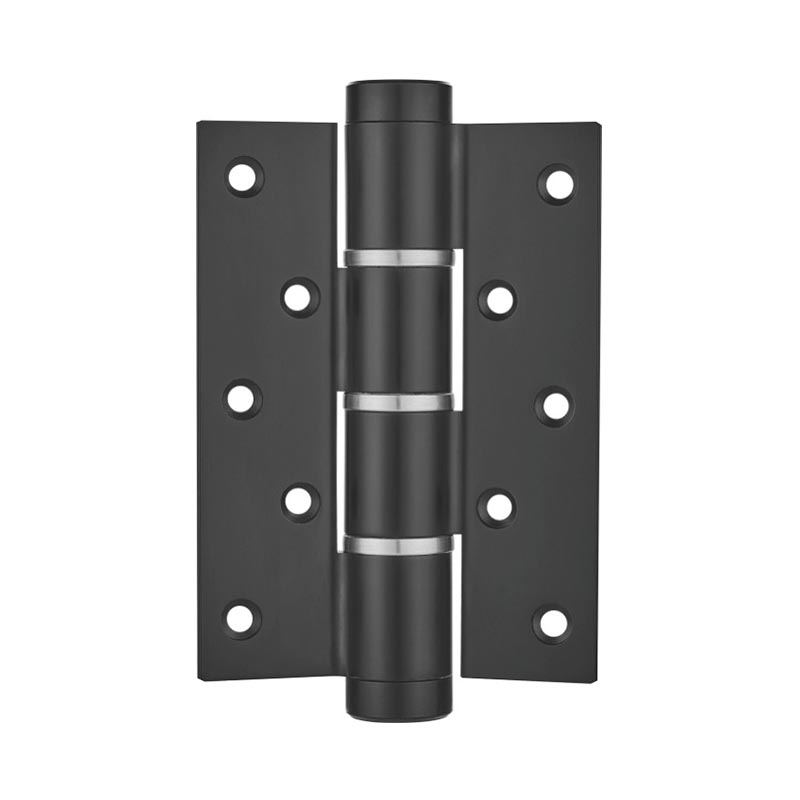
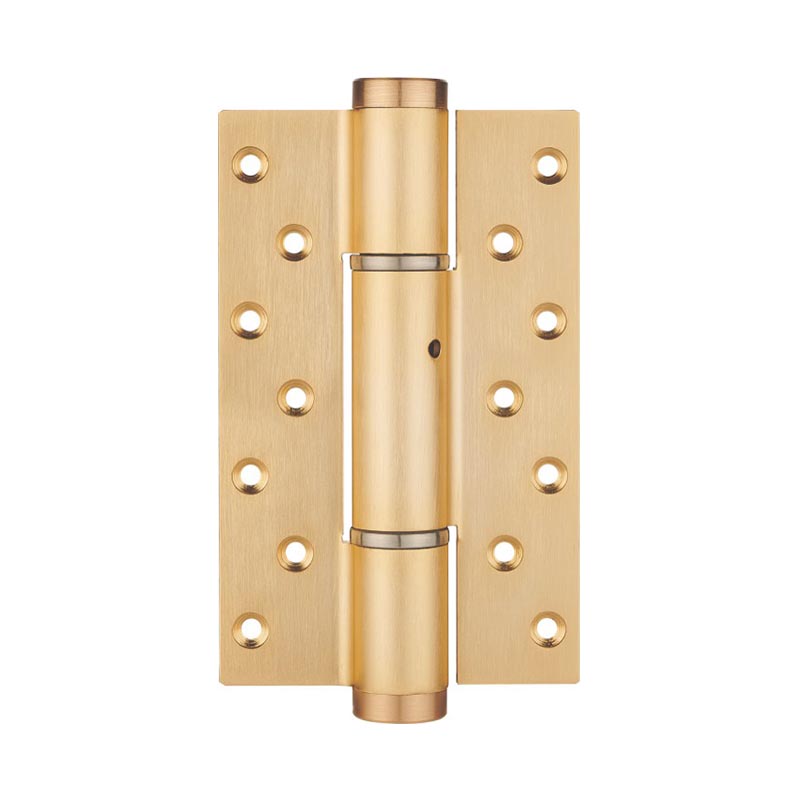
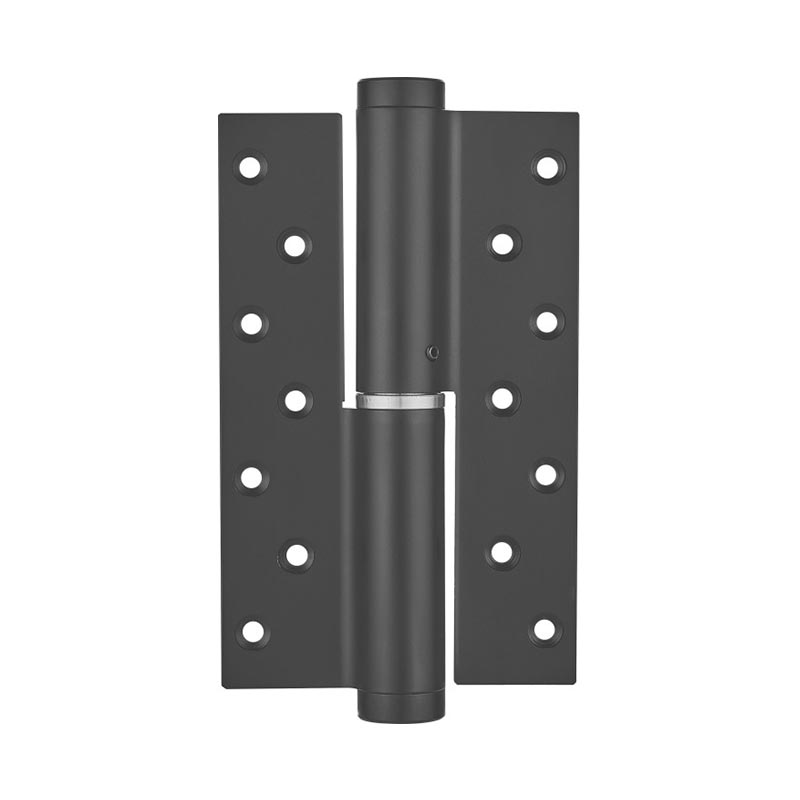
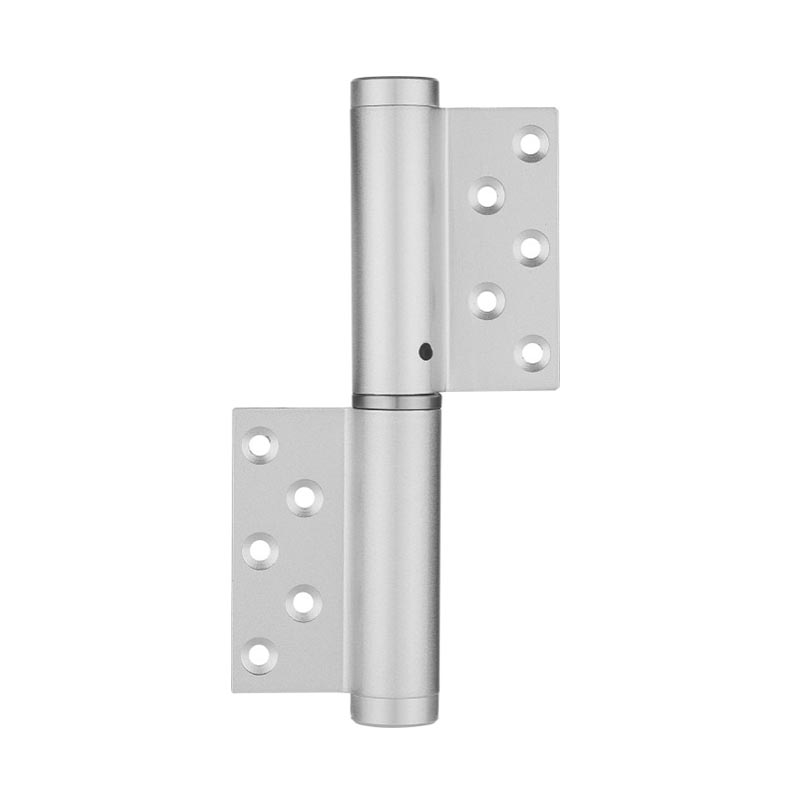
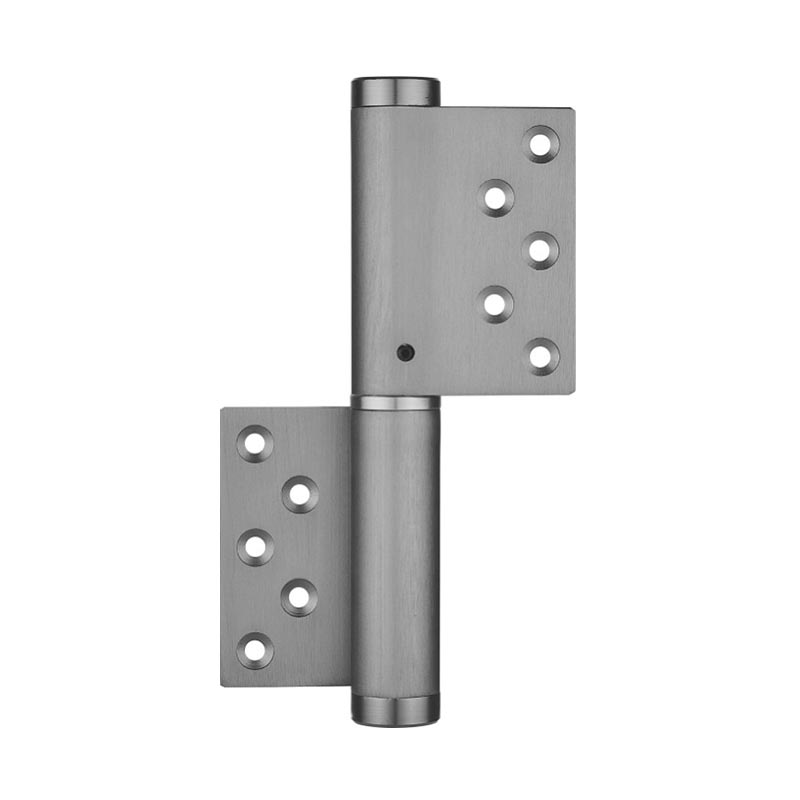
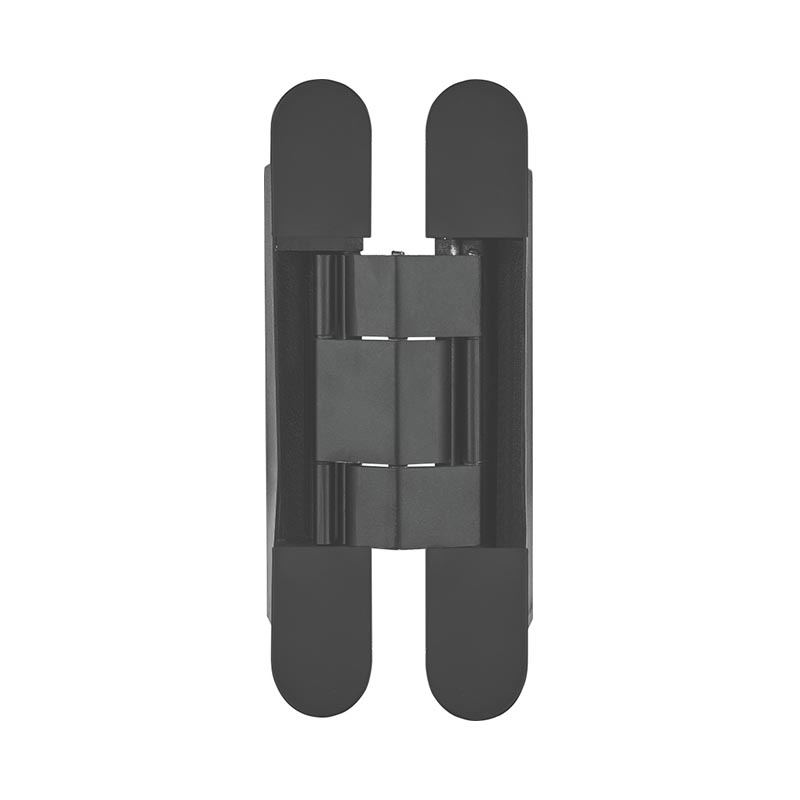
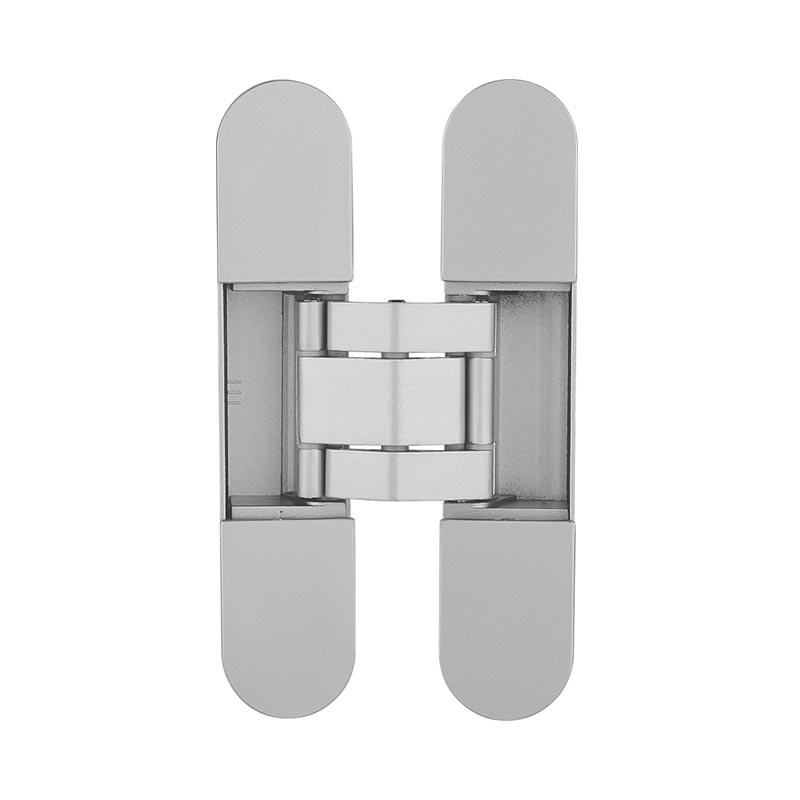
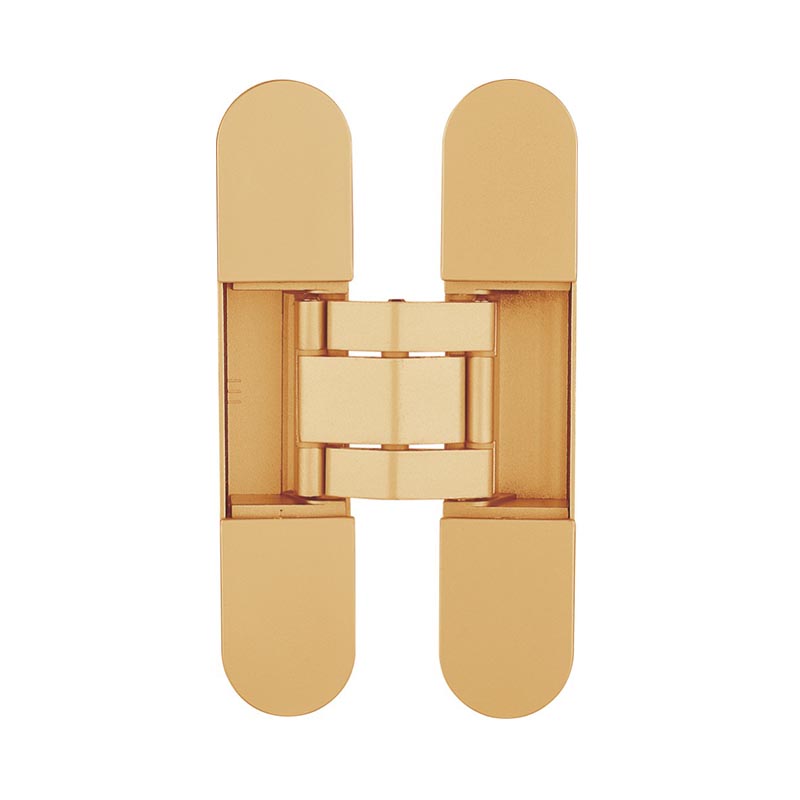
Industrial spring hinges do not attract much attention. They are small parts, often hidden along the edge of a door or panel. Yet in many workspaces, their role becomes clear after a few days of use. A door closes on its own. A cover does not swing too far. A panel returns to position without being pushed back.
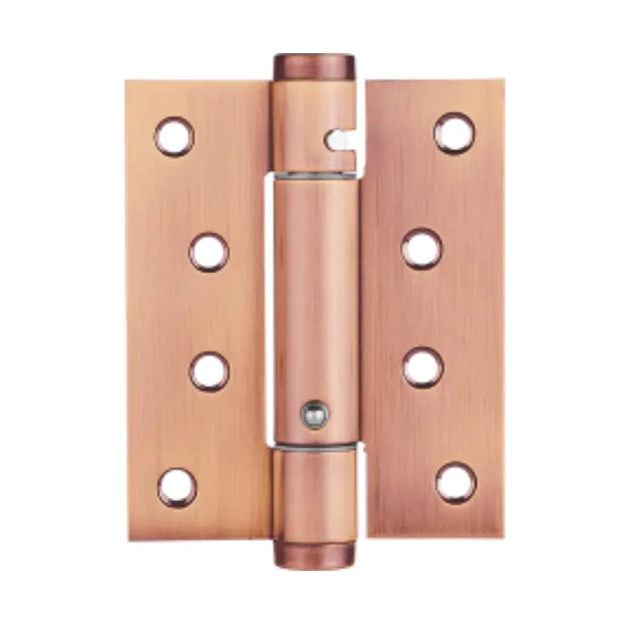
These details seem minor, but they shape how a space feels during daily work. Over time, people begin to notice when a hinge behaves differently. Some feel steady. Some feel loose. Some change after repeated use.
Looking closely at their features helps explain why these differences exist.
At rest, there is not much to see. The hinge looks similar to a standard one. The difference appears once the door starts moving.
A regular hinge allows free motion. The door moves based on external force. There is no resistance from the hinge itself.
A spring hinge adds a quiet pushback. When the door opens, it does not move freely. There is a slight tension that builds up. When the hand is removed, the door begins to return.
This change in feeling is often the first thing people notice. It is not dramatic. It is more like a gentle correction in movement.
In many industrial spaces, people move quickly. Hands are often occupied. Doors are opened and left behind without much thought.
A hinge that closes on its own removes one small step from the process. That step may seem insignificant, yet it repeats many times during the day.
Over time, this feature helps in simple ways:
It is not about speed. It is about reducing small interruptions.
Without control, a door can swing too fast or too far. This often happens in areas with airflow or uneven ground. The movement feels loose and unpredictable.
Spring hinges introduce resistance. The door still moves, but not as freely. The motion feels guided.
This controlled movement creates a different experience:
After some time, users adjust to this behavior without thinking about it.
The real test of any hinge is not the first day. It is how it behaves after many cycles of opening and closing.
In industrial environments, this happens often. Some doors are used dozens of times within a short period.
With repeated use, differences begin to appear:
These changes are gradual. They do not appear all at once. People usually notice them only after a period of regular use.
Not every door behaves the same way. Even within the same space, differences exist. Some doors are heavier. Some are used more often. Some are exposed to different conditions.
Spring hinges often allow small adjustments. This makes it possible to change how the hinge responds.
Adjustment can influence:
This feature becomes more useful after installation, when real usage patterns are clearer.
Material is not always visible in a direct way, but it affects how the hinge behaves over time.
At the beginning, most hinges feel similar. After extended use, differences begin to show.
Material choice can influence:
These effects are not immediate. They appear slowly, often without a clear starting point.
Even a well-made hinge can behave differently depending on how it is installed.
If alignment is slightly off, the hinge may feel tight in one direction and loose in another. If mounting is uneven, movement may not feel balanced.
In real situations, installation affects:
Sometimes, a hinge that feels inconsistent is simply not installed in an ideal position.
In industrial settings, hinges are rarely used alone. They are often installed in groups across multiple doors or panels.
If each hinge behaves slightly differently, the difference becomes noticeable.
Users may feel that:
This variation does not always come from design. It can come from small differences during production or assembly.
Consistency becomes important when multiple units are used together.
Industrial environments are not always stable. Conditions change throughout the day.
Temperature shifts, airflow, and general activity can all affect how a door moves.
Spring hinges respond to these changes in subtle ways:
These effects are usually small, but they add up over time.
After a period of regular use, people begin to form a quiet understanding of how a hinge behaves.
They may not describe it in technical terms, but they notice patterns:
These observations are often more meaningful than initial impressions.
| Feature | What people feel | How it shows in daily use |
|---|---|---|
| Self-closing | Door returns on its own | Less need to close manually |
| Controlled movement | Motion feels guided | Reduced sudden swings |
| Stability over time | Behavior stays similar | Fewer adjustments needed |
| Adjustability | Response can be tuned | Fits different situations |
| Material influence | Movement remains smooth | Less change after repeated use |
| Installation effect | Balanced motion | More consistent performance |
Industrial spring hinges do not stand out on their own. Their value appears in repeated, everyday actions. Over time, their features shape how doors respond, how spaces stay organized, and how smoothly routines continue.

No.123, Kaixuan road, yunshan street, lanxi city, jinhua city, zhejiang province, china

+86-18066248602

+86-579-88864580

+86-579-88864581

Copyright © 2024 Lanxi Maya Hardware Co., Ltd. All Rights Reserved. Privacy Policy

Hydraulic Door Hinges Hardware Factory



 English
 Español
 русский