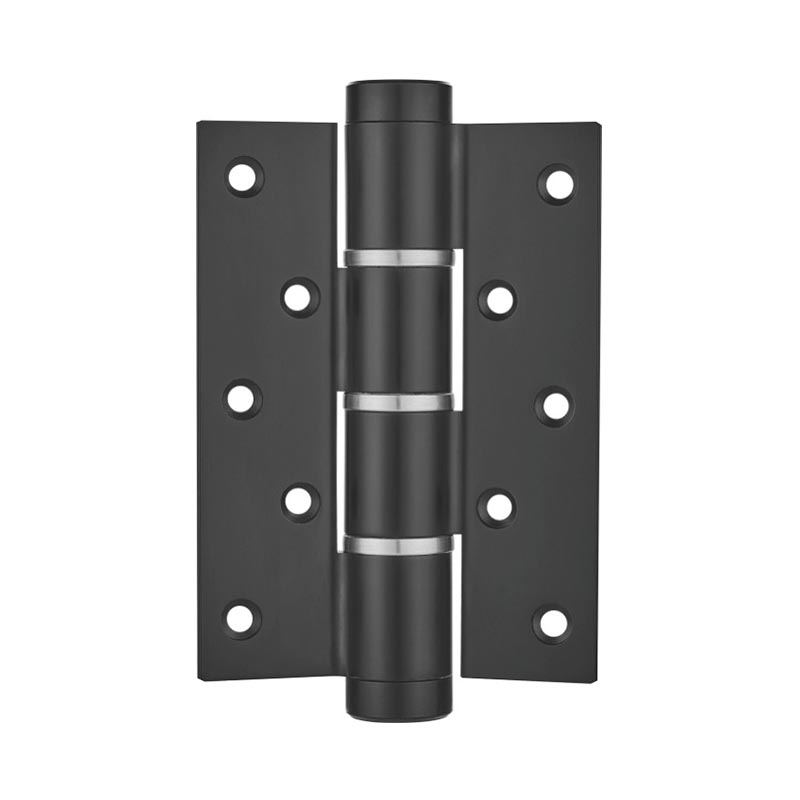
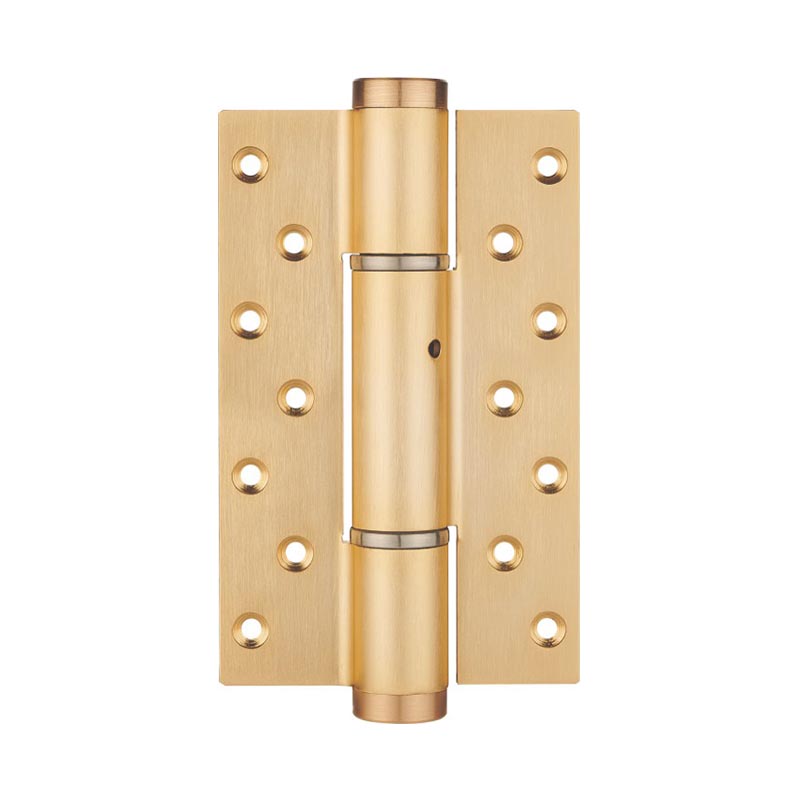
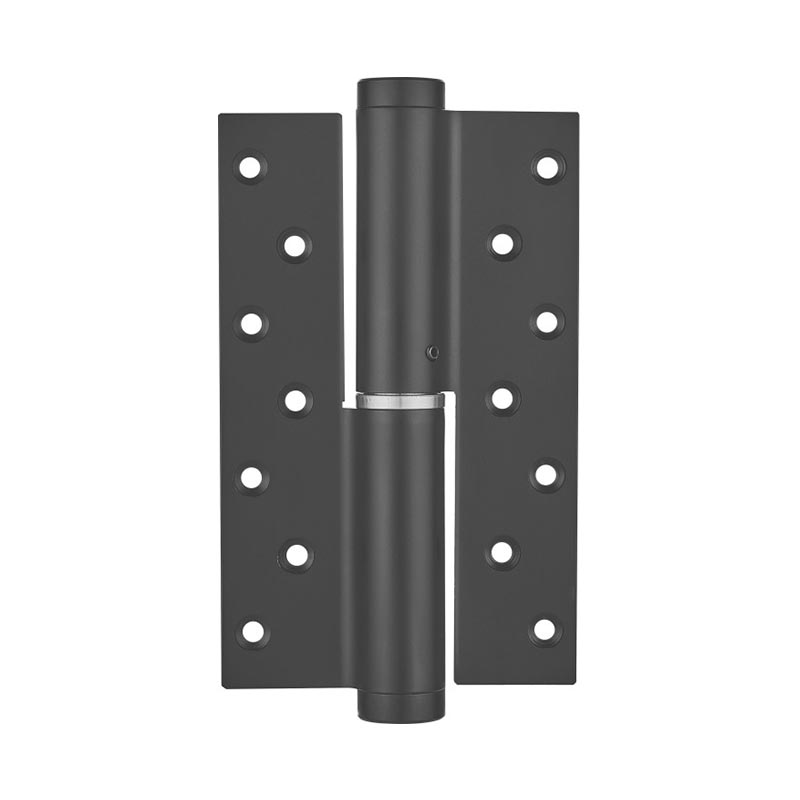
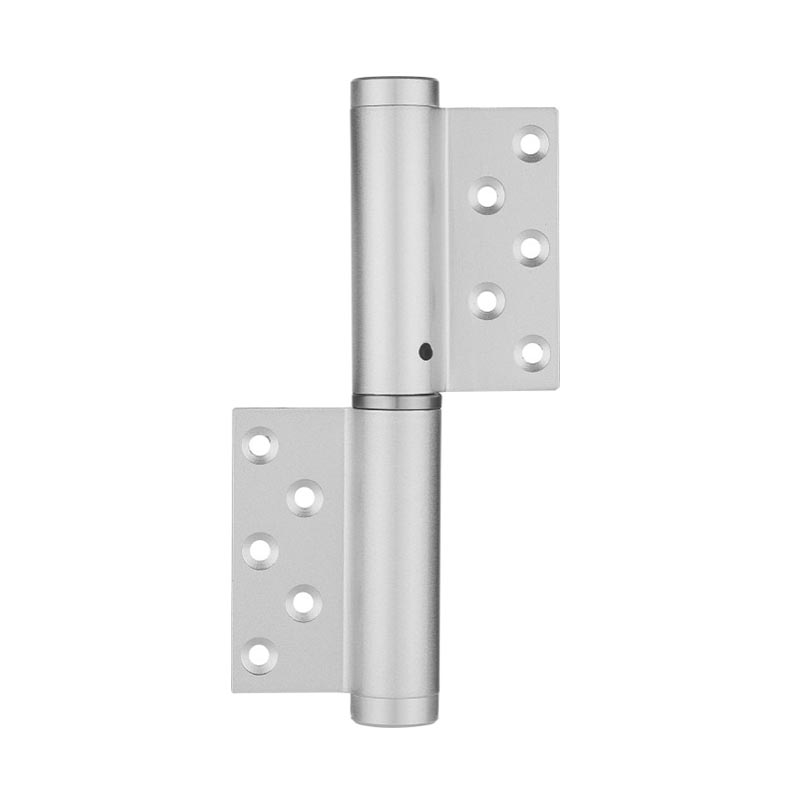
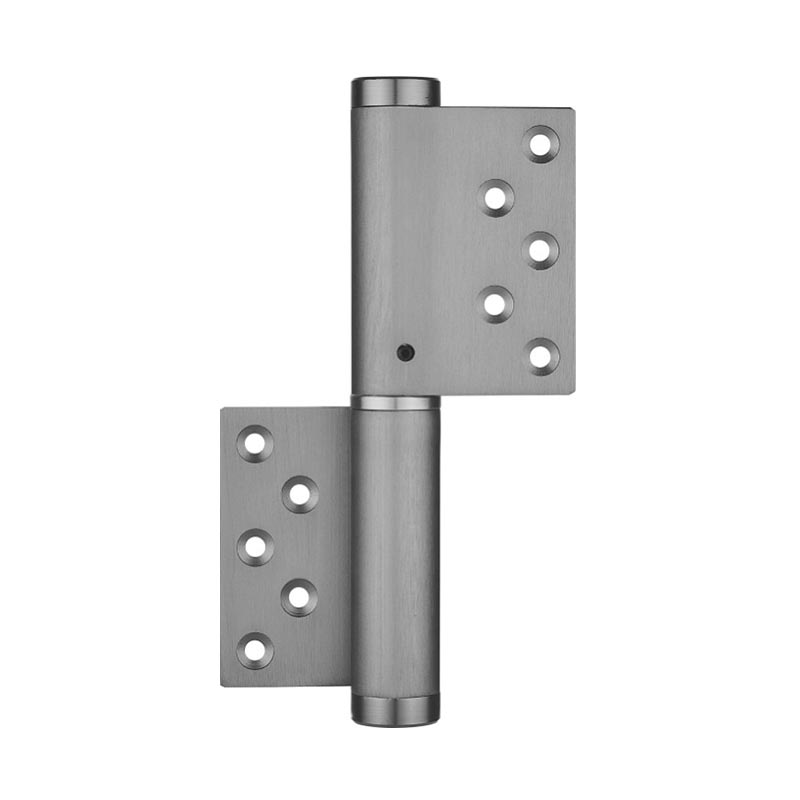
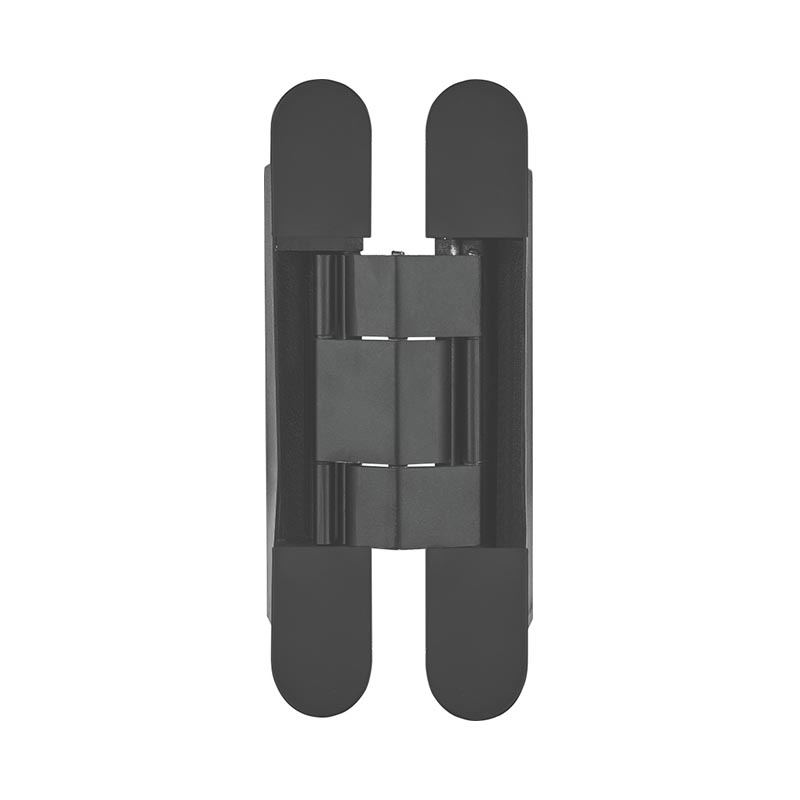
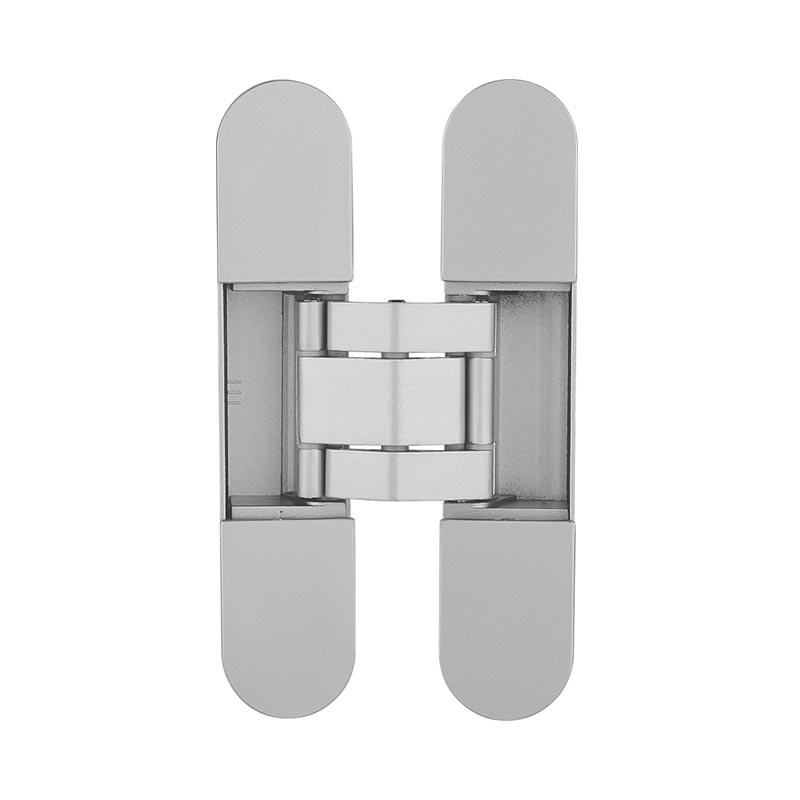
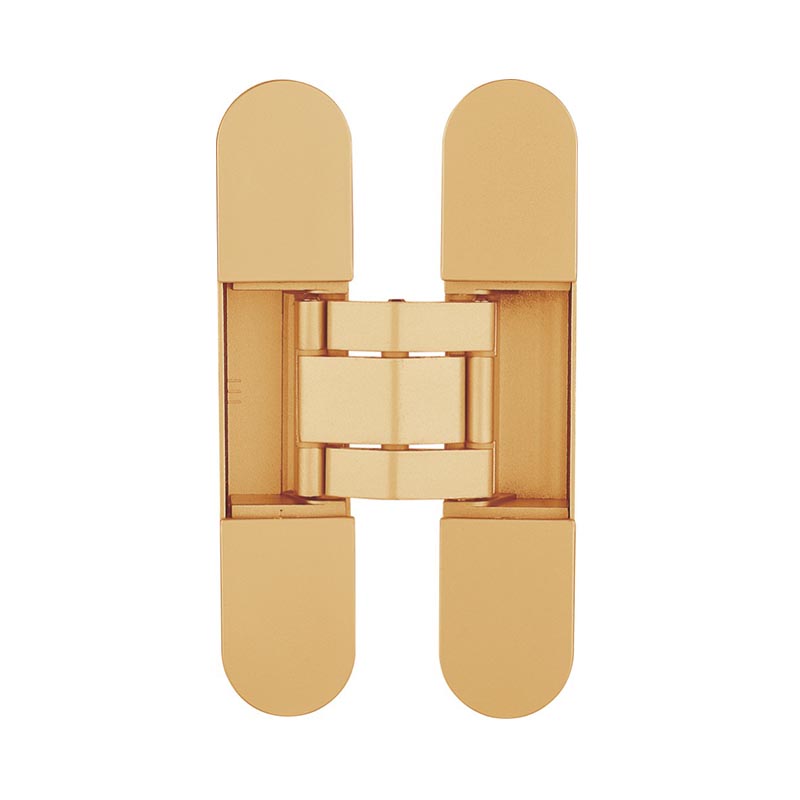
Invisible 3D Adjustable Hinges are widely used in modern cabinetry, furniture, and high-end interior installations due to their ability to provide precise door alignment while remaining hidden from view. One of the critical aspects of these hinges is their anti-loosening design, which ensures long-term stability and reliable performance. Doors that wobble or sag over time can compromise both aesthetics and functionality.
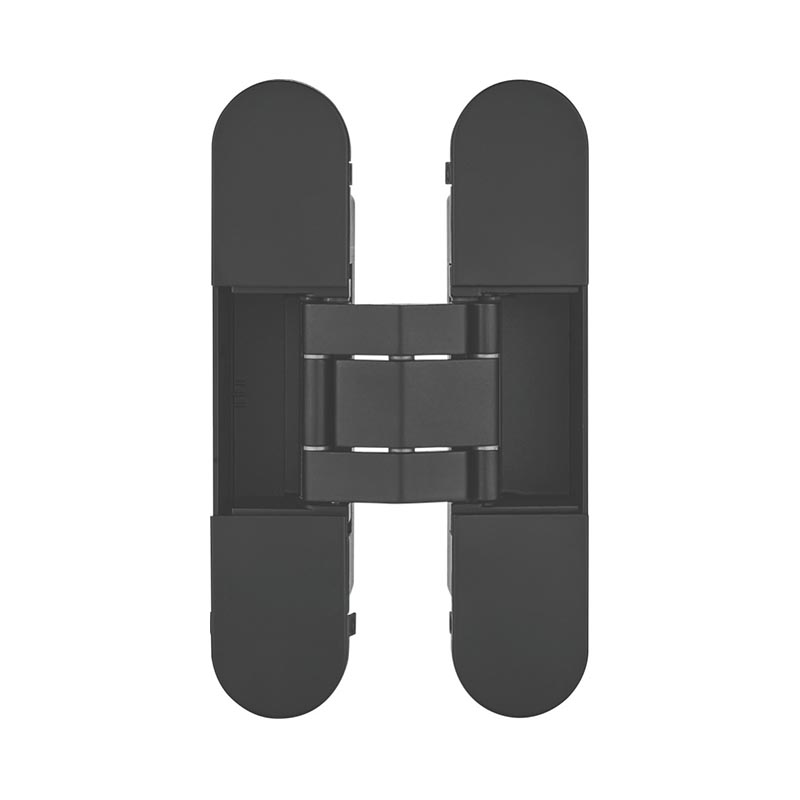
A core element of anti-loosening in invisible 3D adjustable hinges is precision engineering. High-quality hinges are manufactured with tight tolerances to ensure a secure fit between the hinge components and the cabinet or door. Components such as the hinge cup, mounting plate, and adjustment screws must align well to reduce play. Precision machining and quality control reduce the risk of gaps, movement, or misalignment that can cause loosening over time.
The screws and mounting plates play a crucial role in preventing invisible 3D adjustable hinges from loosening. Self-locking screws, reinforced screw holes, and multiple attachment points enhance stability. Some designs include larger diameter screws or special threading that increases holding power and reduces the likelihood of gradual loosening from repeated use. Proper screw engagement ensures that the hinge remains firmly anchored to both the door and the cabinet.
Many invisible 3D adjustable hinges feature multi-directional adjustment for height, side, and depth. The anti-loosening design incorporates locking mechanisms to hold these adjustments in place. This prevents doors from drifting or shifting after installation. Locking elements may include tensioned nuts, spring-loaded plates, or threaded inserts that resist vibration and daily operational forces. This ensures that once adjustments are made, they remain stable over time.
Durable materials are critical for anti-loosening performance. High-grade steel, zinc alloy, or other wear-resistant materials reduce the risk of deformation under load. Surface treatments such as electroplating or coating protect the hinge against corrosion, which can weaken mounting points and cause loosening. Strong, corrosion-resistant materials combined with robust coatings provide both mechanical stability and long-term durability.
Invisible 3D adjustable hinges are designed to evenly distribute the load across multiple contact points. Proper load distribution reduces localized stress that can cause screws to loosen or hinge components to deform. The anti-loosening design often includes wider mounting plates, reinforced arms, or dual pivot points to ensure the door's weight is balanced. This engineering approach reduces strain on any single component and maintains alignment over repeated use.
Even the designed hinge can loosen if installed incorrectly. Proper installation according to manufacturer guidelines, including tightening screws to recommended torque levels and using all provided mounting points, is essential. Periodic inspection and maintenance, such as checking screw tightness and adjusting the hinge when necessary, help maintain long-term stability. A combination of smart design and proper installation ensures suitable anti-loosening performance.
Invisible 3D Adjustable Hinges rely on precision engineering, robust screws, adjustable locking mechanisms, high-quality materials, effective load distribution, and correct installation to prevent loosening. These key design points ensure stable, reliable, and durable door performance, even after prolonged use. By understanding and applying these principles, manufacturers and users can maintain smooth operation and high-quality aesthetics while reducing maintenance and repair needs.

No.123, Kaixuan road, yunshan street, lanxi city, jinhua city, zhejiang province, china

+86-18066248602

+86-579-88864580

+86-579-88864581

Copyright © 2024 Lanxi Maya Hardware Co., Ltd. All Rights Reserved. Privacy Policy

Hydraulic Door Hinges Hardware Factory



 English
 Español
 русский