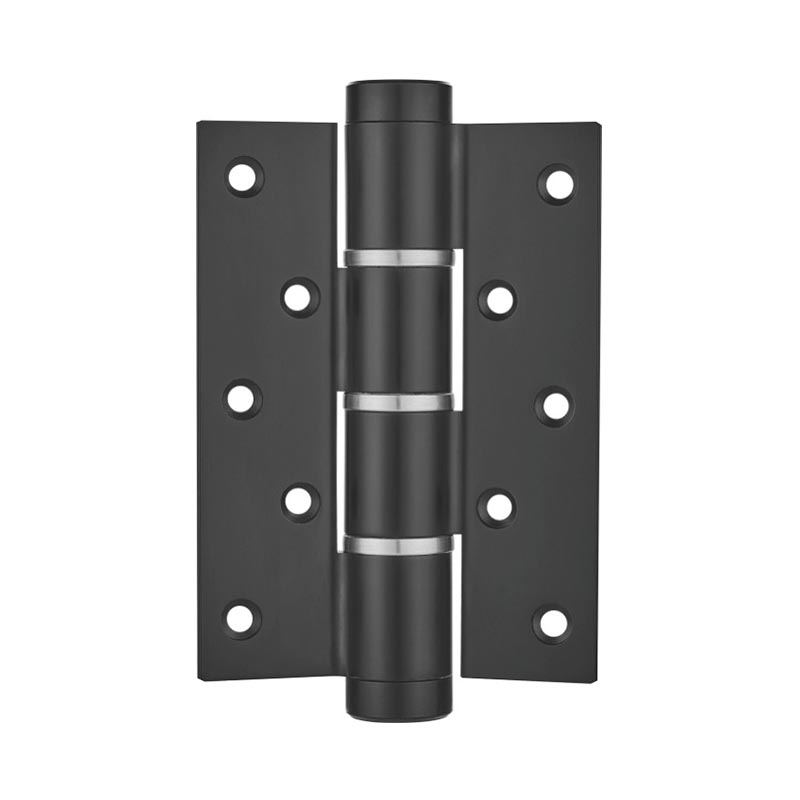
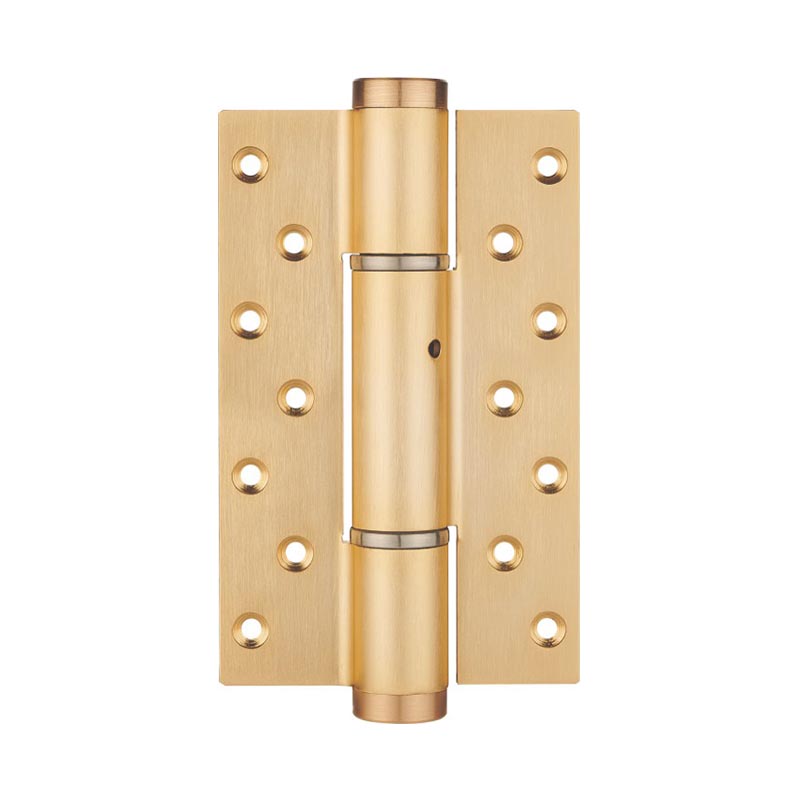
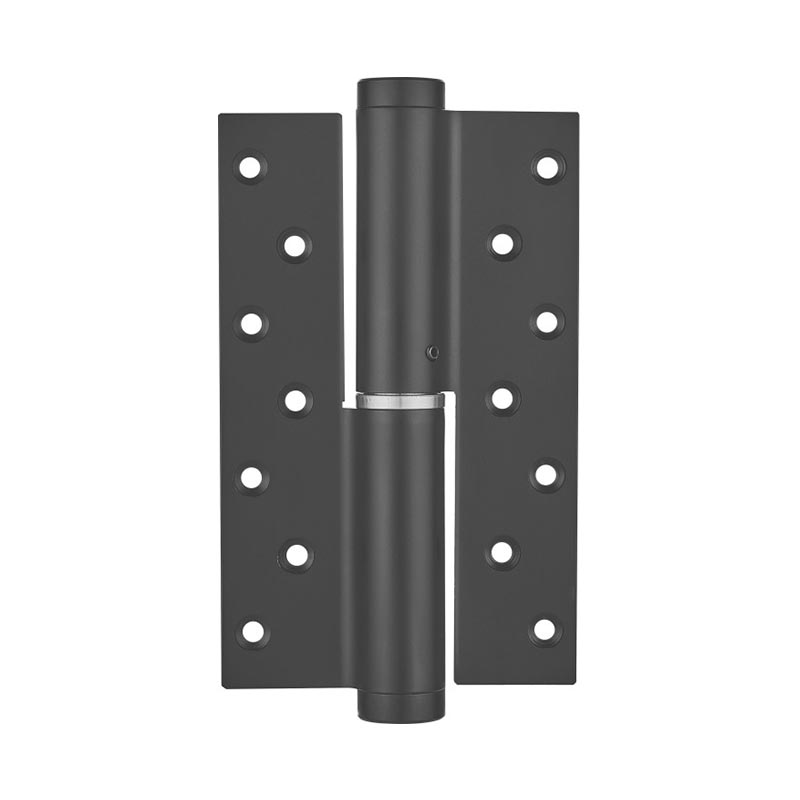
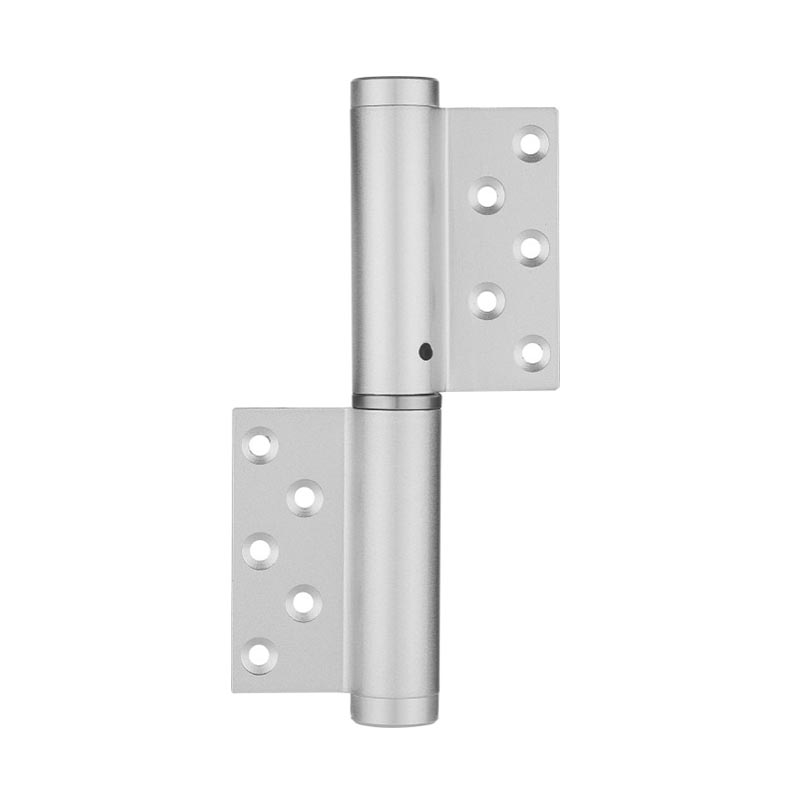
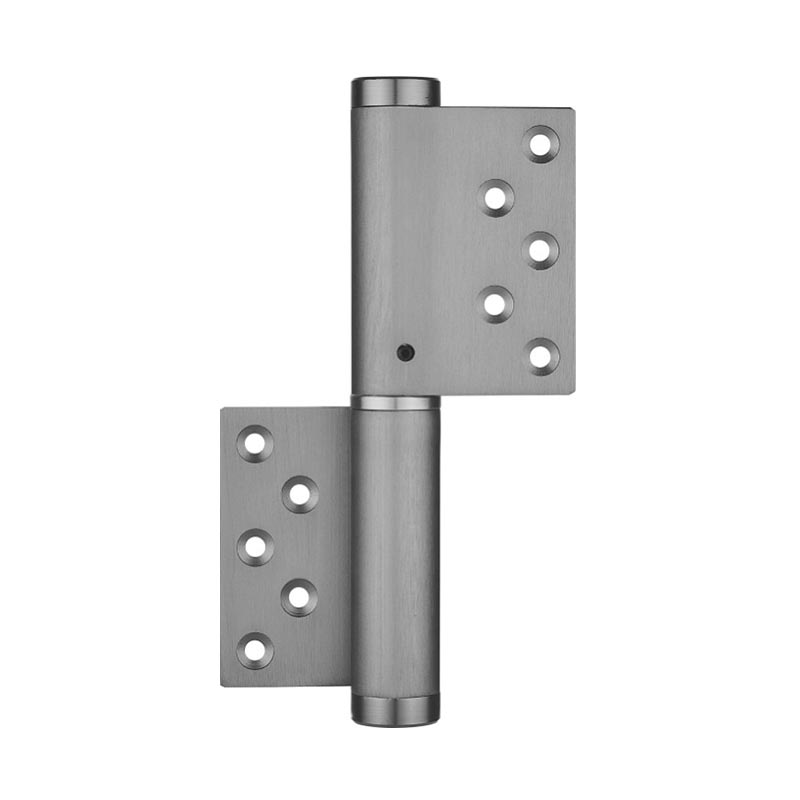
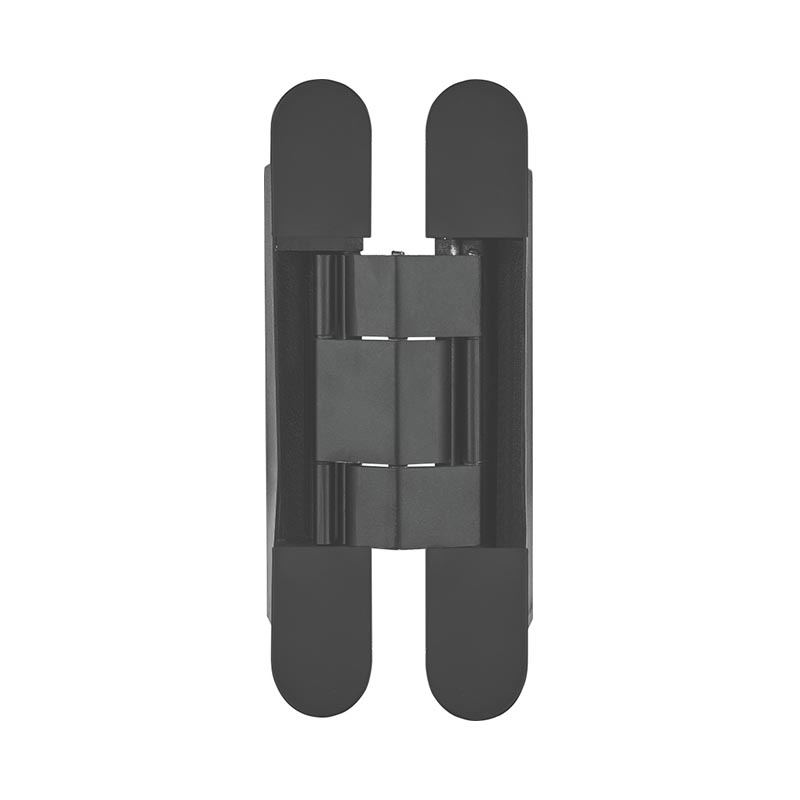
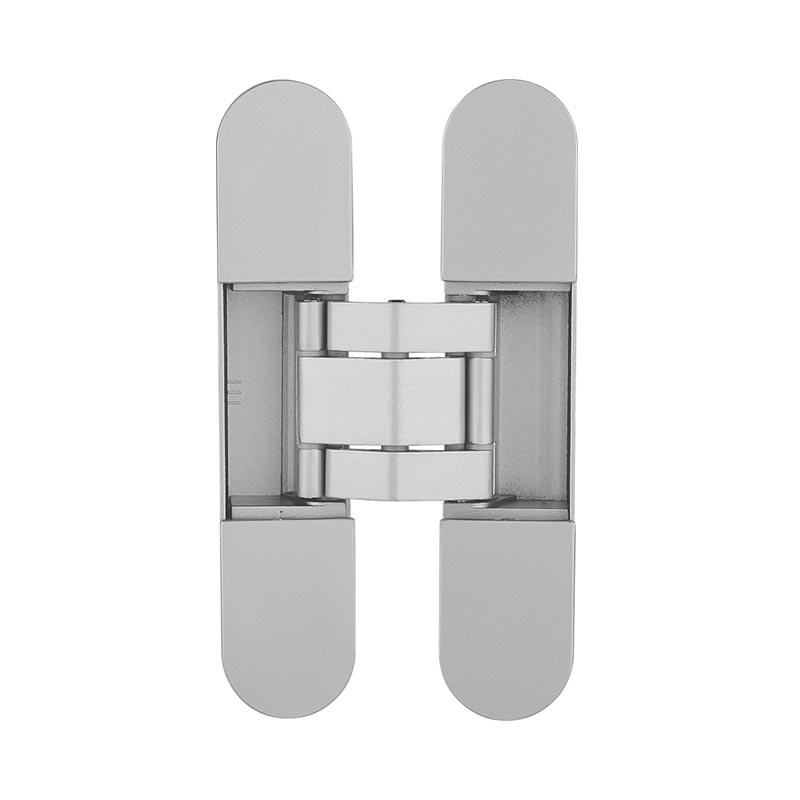
Concealed 3D Adjustable Hinges are widely used in modern furniture, kitchen cabinets, and office storage solutions due to their flexibility and ability to provide precise door alignment. One of the important functional features of these hinges is the rebound speed, which determines how smoothly and quietly a door closes. Proper adjustment ensures not only comfort but also protects both the furniture and the door from wear and tear. Understanding how to control the rebound speed is essential for achieving suitable performance.
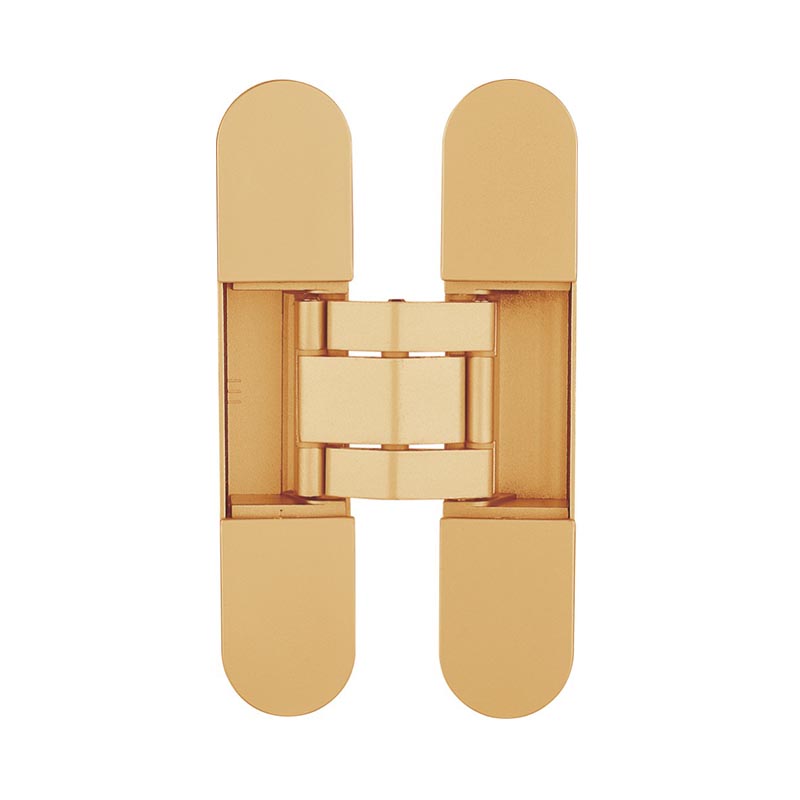
Rebound speed refers to the speed at which a door returns to its closed position after being released. If the speed is too fast, the door may slam, causing noise, damage, or even injury. If it is too slow, the door may not fully close, causing gaps or misalignment. Concealed 3D adjustable hinges allow for fine-tuning of this speed, making them highly versatile for different door sizes, weights, and materials. Correctly adjusting the rebound ensures smooth, silent operation and extends the hinge’s lifespan.
Many concealed 3D adjustable hinges feature built-in hydraulic or damping systems that control door movement. The common method for adjusting rebound speed is by turning a small screw or dial located on the hinge. Turning the screw clockwise typically increases resistance, slowing the rebound, while turning it counterclockwise decreases resistance, allowing the door to close faster. It is important to make gradual adjustments and test the door frequently to achieve the desired speed without compromising safety or performance.
The weight of the door significantly affects the rebound speed. Heavier doors require more damping, while lighter doors may need less. Some concealed 3D adjustable hinges allow adjustment of tension or spring pressure in addition to hydraulic damping. By carefully balancing these factors, operators can ensure that doors of different sizes and weights close at consistent, controlled speeds. Adjustments may require iterative testing to match the door’s mass with the hinge’s settings accurately.
Cabinets or doors often use multiple hinges on a single panel. When adjusting rebound speed, it is crucial to tune all hinges consistently. If one hinge is set faster than the others, the door may twist, bind, or fail to close evenly. Start with the top hinge, adjust the speed, and then move to the middle and bottom hinges. Test the door after each adjustment to ensure smooth, synchronized operation across all hinges.
Rebound speed can also be affected by temperature, humidity, and frequency of use. Some damping fluids in concealed hinges become more viscous in cold temperatures, slowing the door, while heat may reduce viscosity and speed up the rebound. Frequent use may slightly alter performance over time due to wear. Periodic re-adjustment ensures that doors continue to operate smoothly, maintaining both function and aesthetics.
Adjusting the rebound speed of Concealed 3D Adjustable Hinges involves a combination of fine-tuning hydraulic or damping mechanisms, balancing door weight, coordinating multiple hinges, and considering environmental factors. By following proper adjustment methods, users can achieve smooth, quiet, and controlled door movement, enhancing the overall functionality and longevity of their furniture. Understanding these principles ensures that doors close efficiently while protecting the hinges, doors, and surrounding structures from damage.

No.123, Kaixuan road, yunshan street, lanxi city, jinhua city, zhejiang province, china

+86-18066248602

+86-579-88864580

+86-579-88864581

Copyright © 2024 Lanxi Maya Hardware Co., Ltd. All Rights Reserved. Privacy Policy

Hydraulic Door Hinges Hardware Factory



 English
 Español
 русский