Invisible Door Locks have become increasingly popular as a modern solution for enhancing security without compromising aesthetics. Their unique design hides the locking mechanism inside the door, making it difficult for intruders to locate or tamper with the lock. However, one of the common concerns among homeowners and builders is whether installing such locks affects the overall structural strength of the door and whether additional reinforcement is necessary. Understanding the interaction between the lock and the door structure is crucial to maintaining both security and durability.
The installation process of invisible locks involves creating precise cutouts within the door to accommodate the locking mechanism. These modifications can potentially weaken the surrounding material if not executed properly. Doors that are thin, hollow, or made from lower-quality materials are particularly vulnerable to structural compromise during this process. High-quality locks often include reinforced housings that distribute stress evenly across the door, reducing the impact of material removal. Additionally, some manufacturers offer supplemental metal plates or inserts to strengthen the door around the lock area, ensuring that the installation does not create a weak point.
The type of door being modified plays a significant role in determining whether reinforcement is necessary. Solid wood, metal, or composite doors generally retain their structural integrity even after modifications for an invisible lock. In contrast, hollow-core doors or doors with less dense cores may become susceptible to bending or cracking around the installation site. In such cases, it is recommended to reinforce the door with metal or dense composite inserts before embedding the lock. Proper reinforcement preserves rigidity and prevents the lock area from becoming a point of vulnerability, maintaining both security and door durability.
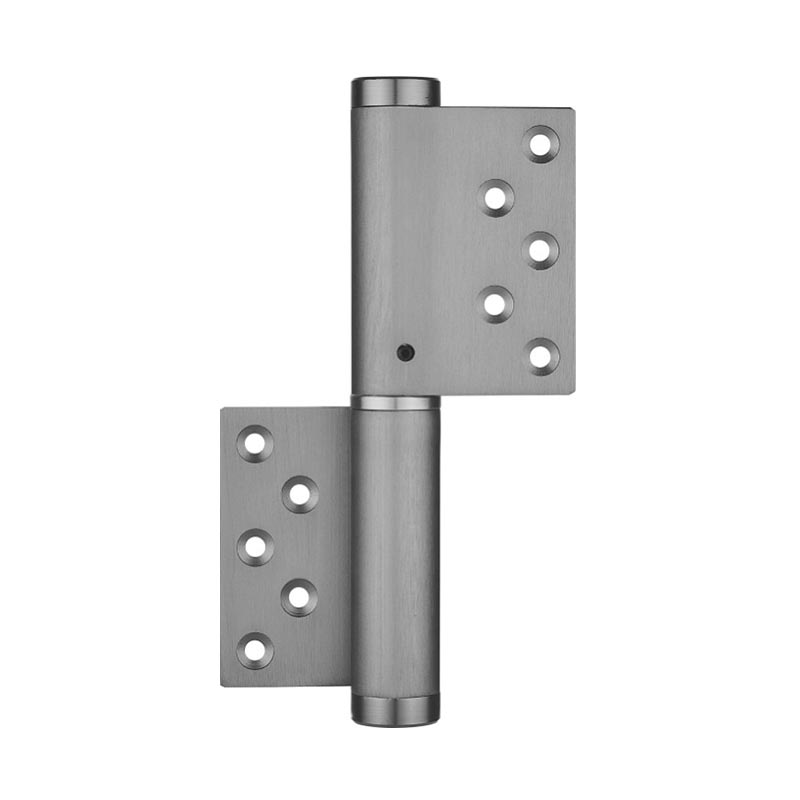
Invisible locks are effective when the door and its frame function together as a cohesive system. Even a strong lock will not perform well if the surrounding door frame is weak or misaligned. Reinforced strike plates, heavy-duty hinges, and proper alignment are essential to distribute force evenly and prevent stress concentrations that could cause damage. Many invisible lock designs integrate with the frame by extending into it or using multiple locking points, which adds structural support and further reduces the risk of compromise. This integration ensures that the door remains resistant to forceful entry while maintaining overall stability.
Contemporary invisible locks are engineered with both security and door integrity in mind. Internal metal reinforcements and multi-point locking systems enhance rigidity and compensate for any minor material removal during installation. When installed correctly, these locks can increase the door’s resistance to forced entry, rather than diminishing it. Proper installation by trained professionals, along with consideration for door material and frame quality, ensures that the lock functions as intended without undermining structural strength.
Invisible Door Locks do not inherently weaken a door when appropriate installation techniques and reinforcements are applied. Solid doors typically require minimal additional support, whereas hollow or weaker doors benefit from targeted reinforcements around the lock and along the frame. By paying close attention to materials, installation quality, and complementary hardware, homeowners can enjoy the aesthetic and security advantages of invisible locks without compromising the door’s overall structural integrity. These measures allow invisible locks to provide a reliable balance between discreet design and robust protection.

No.123, Kaixuan road, yunshan street, lanxi city, jinhua city, zhejiang province, china

+86-18066248602

+86-579-88864580

+86-579-88864581

Copyright © 2024 Lanxi Maya Hardware Co., Ltd. All Rights Reserved. Privacy Policy

Hydraulic Door Hinges Hardware Factory



 English
 Español
 русский