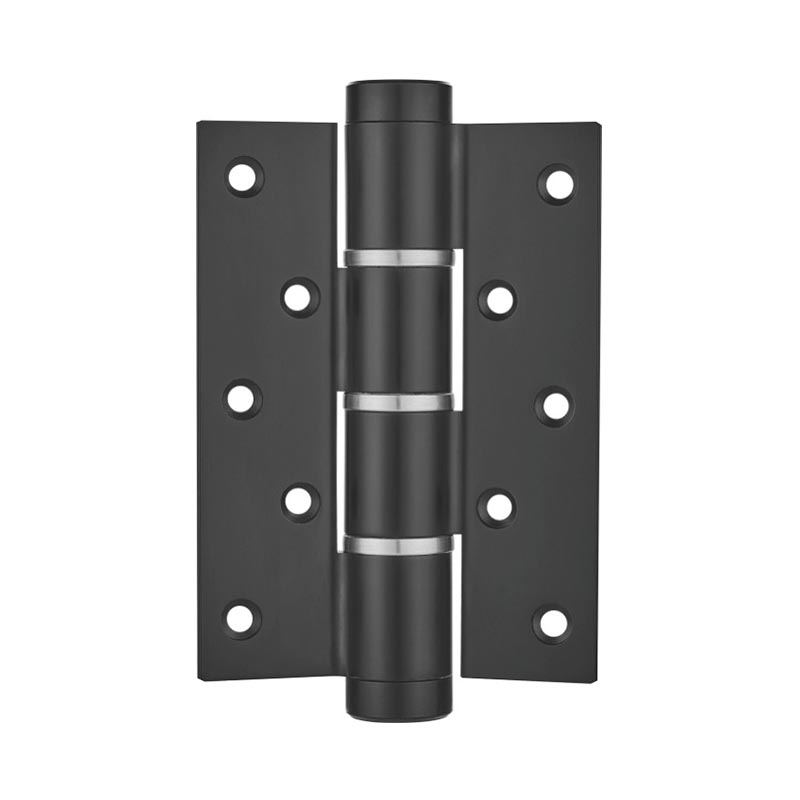
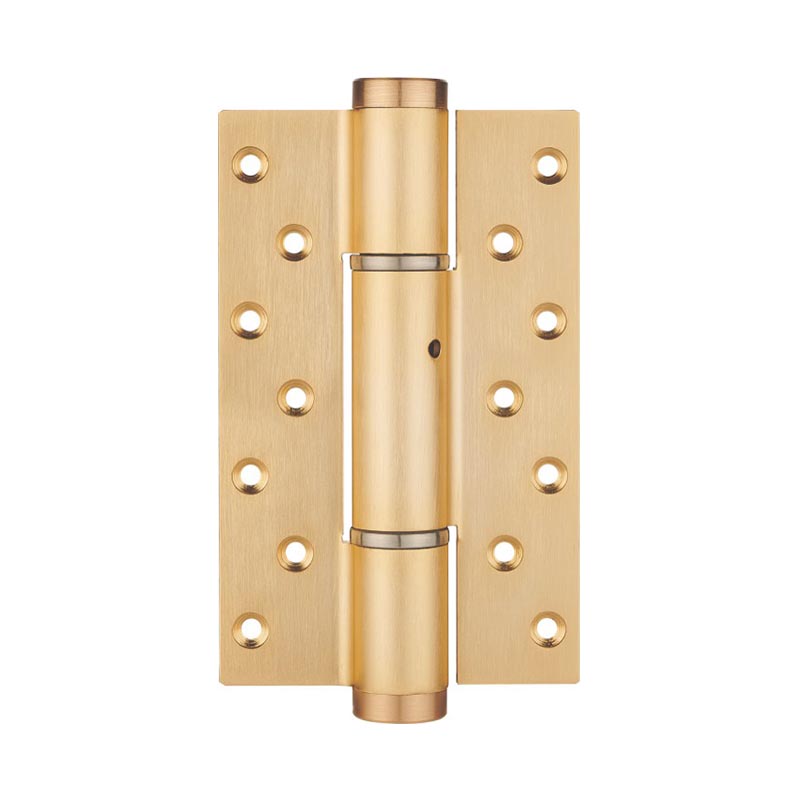
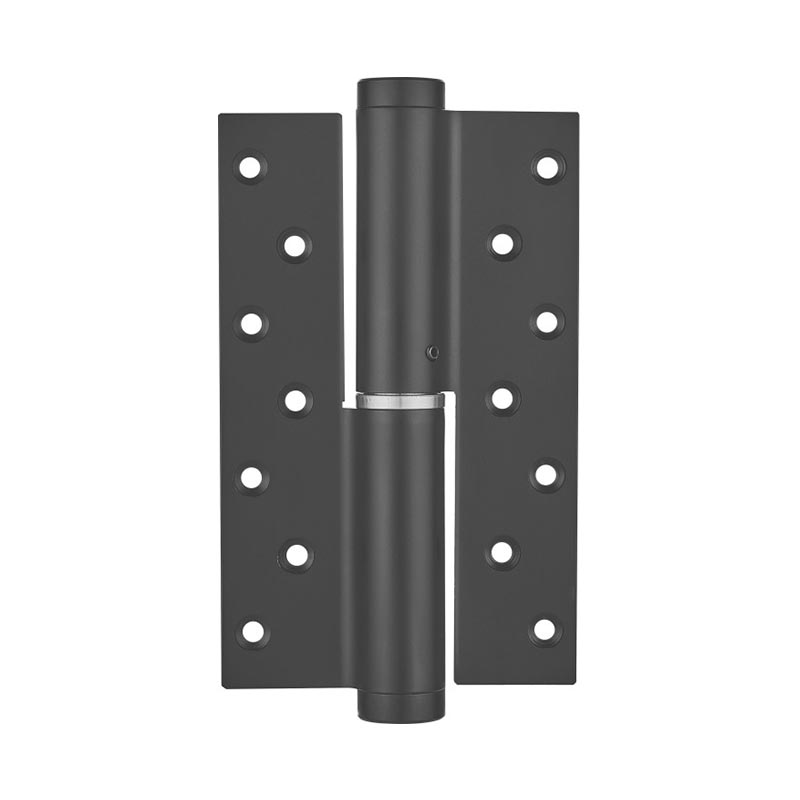
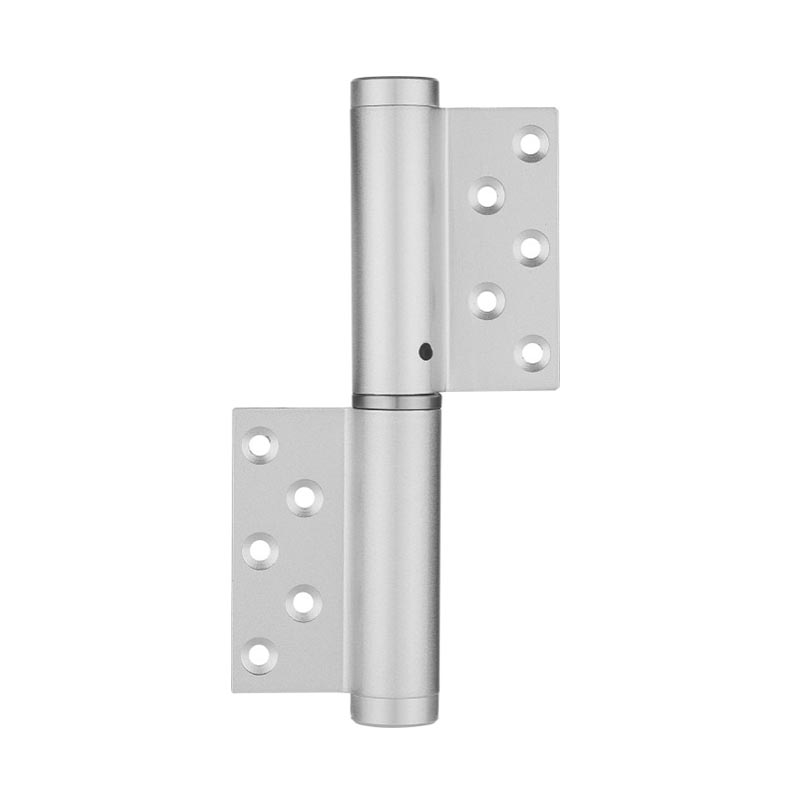
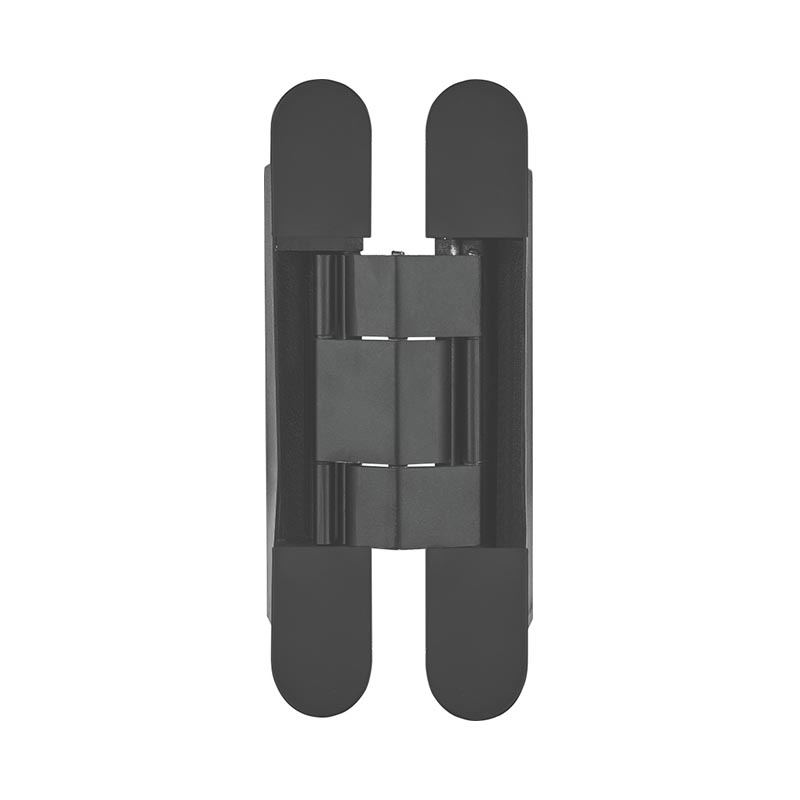
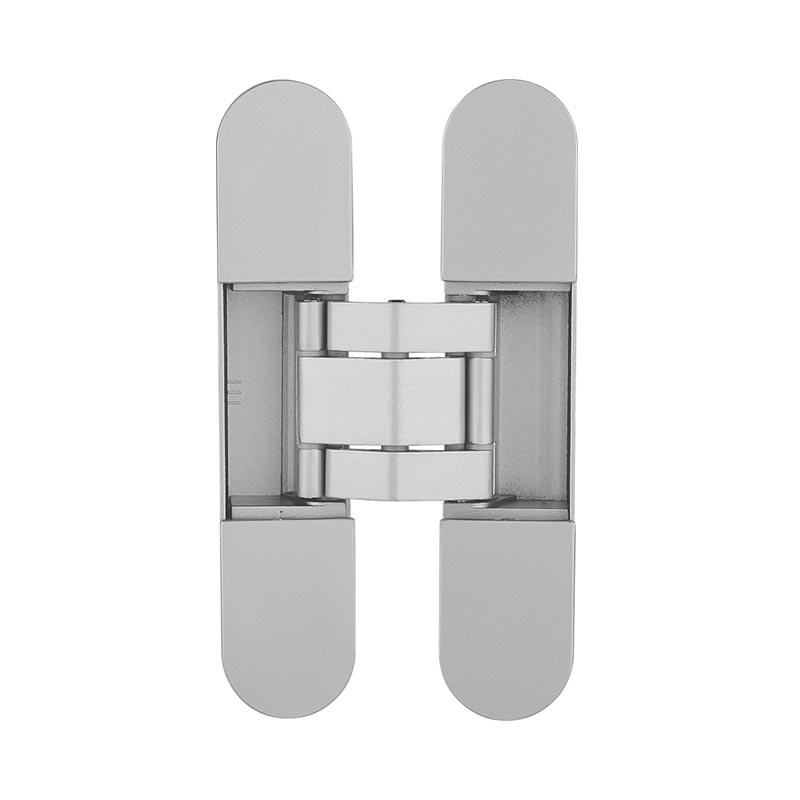
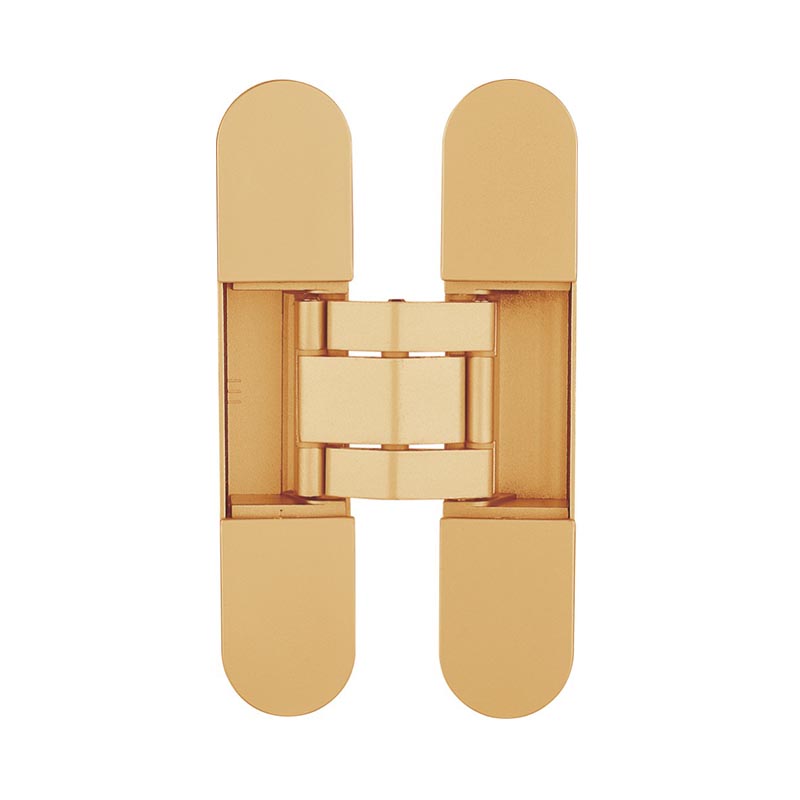
The damping effect in Damping Spring Hinges is designed to control the speed at which doors close, providing smooth and quiet operation. This mechanism typically relies on a hydraulic or pneumatic system that resists motion, combined with a spring that returns the door to its closed position. Proper adjustment ensures that the door does not slam, reducing noise and mechanical stress on both the hinge and door frame.
The damping system operates by creating controlled resistance as the door moves. By adjusting the internal components, users can increase or decrease the resistance, which directly affects the closing speed. Understanding the interaction between the spring tension and the damping mechanism is crucial for precise adjustments. Misaligned settings can cause too fast or too slow movement, negatively impacting performance and user experience.
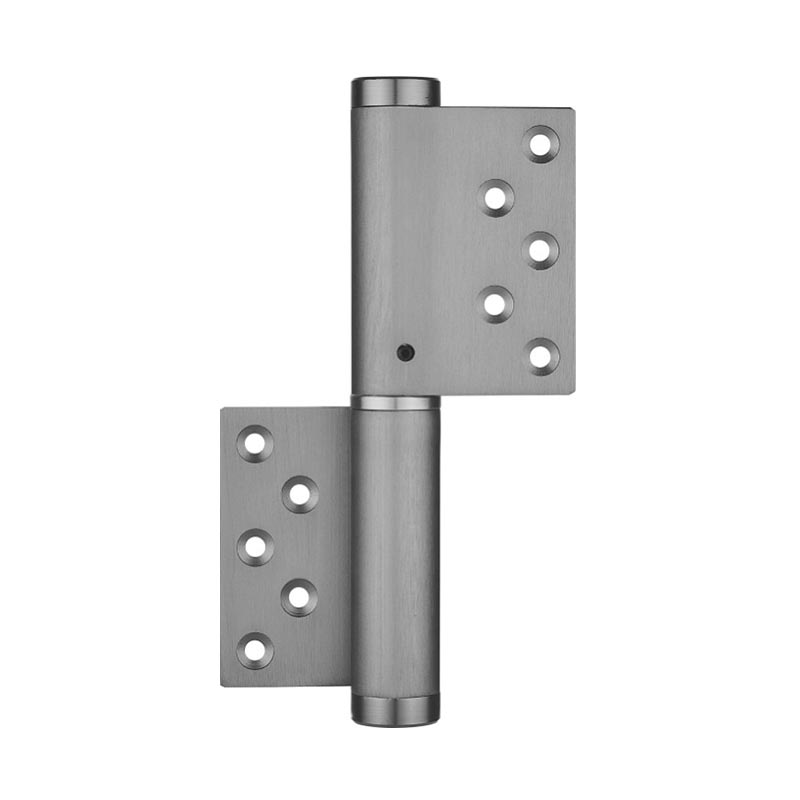
Most Damping Spring Hinges feature dedicated adjustment screws or control valves that regulate the flow of the damping fluid or air inside the hinge. These screws are usually located on the hinge body and can be turned clockwise or counterclockwise to change the damping resistance. Tightening the adjustment typically increases resistance, slowing the door, while loosening it reduces resistance, allowing the door to close more quickly.
For hydraulic models, the adjustment screw modifies the size of the internal flow channel, controlling how fast the fluid moves through the damping chamber. In pneumatic models, similar principles apply, with air displacement controlling movement speed. The key is to make gradual adjustments, testing the door after each change to ensure suitable operation.
In addition to adjusting the damping mechanism, the spring tension must also be considered. The spring provides the force to return the door to a closed position, and its tension must be balanced with the damping resistance to achieve smooth movement. If the spring is too strong relative to the damping, the door may close too quickly despite the adjustments. Conversely, if the spring is too weak, the door may not close completely or may move sluggishly.
Some Damping Spring Hinges allow independent adjustment of both the spring and the damping system. This flexibility enables users to fine-tune performance based on door weight, size, and usage frequency. Achieving the right balance improves both safety and durability, ensuring that the door closes gently without putting excessive strain on the hinge.
After making adjustments, it is important to test the door repeatedly to ensure consistent performance. Open and close the door several times at different speeds, observing how it behaves. Adjustments should be made in small increments, as large changes can easily overcompensate and negatively affect performance.
It is also important to check that the damping effect remains consistent over time. Some hinges may require occasional re-adjustment, especially after heavy usage or after seasonal changes that affect temperature and material expansion.
Proper maintenance complements damping adjustments. Keeping the hinge clean and lubricated ensures smooth operation and prevents the damping mechanism from sticking or leaking. Inspecting the hinge periodically helps maintain consistent resistance and prolongs its service life. High-quality Damping Spring Hinges are designed for long-term use, but regular care ensures that adjustments remain effective over time.
By understanding the interaction between spring tension and damping resistance, and by carefully adjusting screws or control valves, users can optimize the performance of Damping Spring Hinges. Properly adjusted hinges provide quiet, controlled, and reliable door operation for years of service.

No.123, Kaixuan road, yunshan street, lanxi city, jinhua city, zhejiang province, china

+86-18066248602

+86-579-88864580

+86-579-88864581

Copyright © 2024 Lanxi Maya Hardware Co., Ltd. All Rights Reserved. Privacy Policy

Hydraulic Door Hinges Hardware Factory



 English
 Español
 русский