Structural Requirements for Long-Term Durability
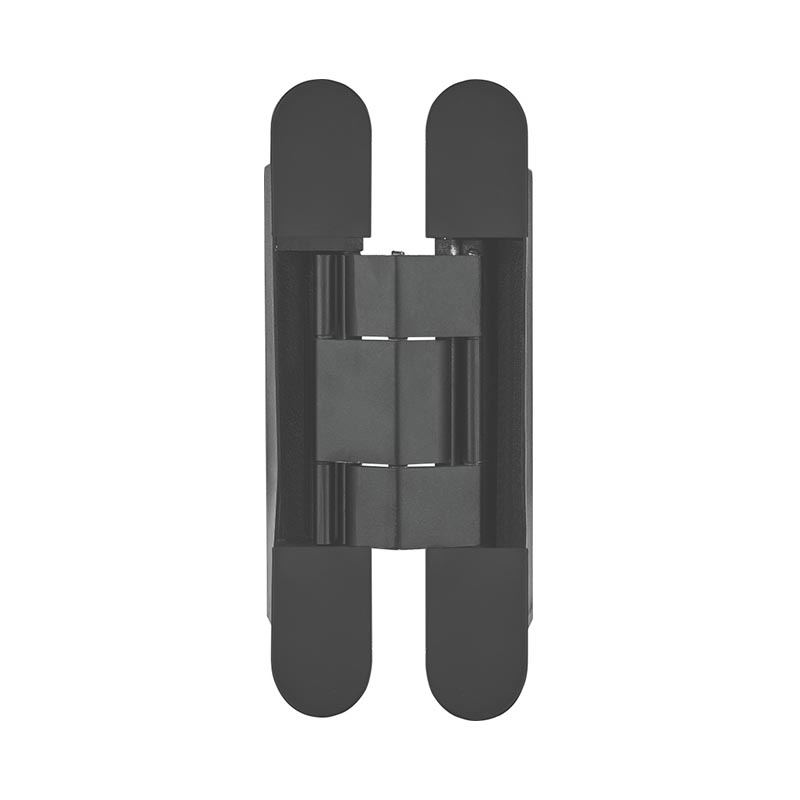
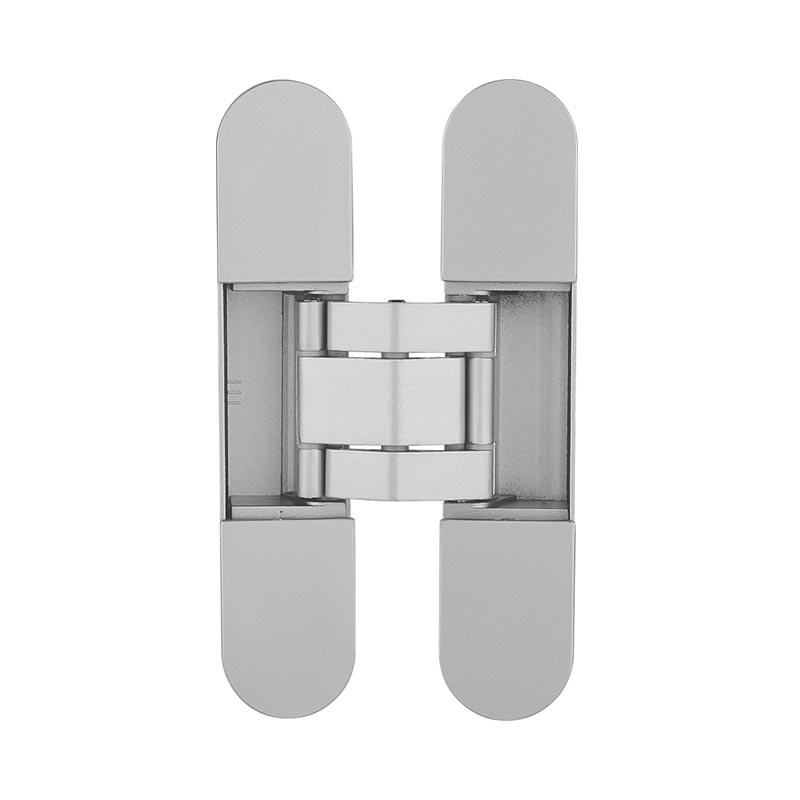
The durability of Invisible 3D Adjustable Hinges depends largely on the design of their three-dimensional adjustment structure. Since these hinges support door weight while allowing precise alignment, the internal mechanism must withstand repeated adjustments and long-term mechanical stress. A durable design ensures that the hinge maintains stable performance without losing accuracy over time.
High-Strength Material Selection
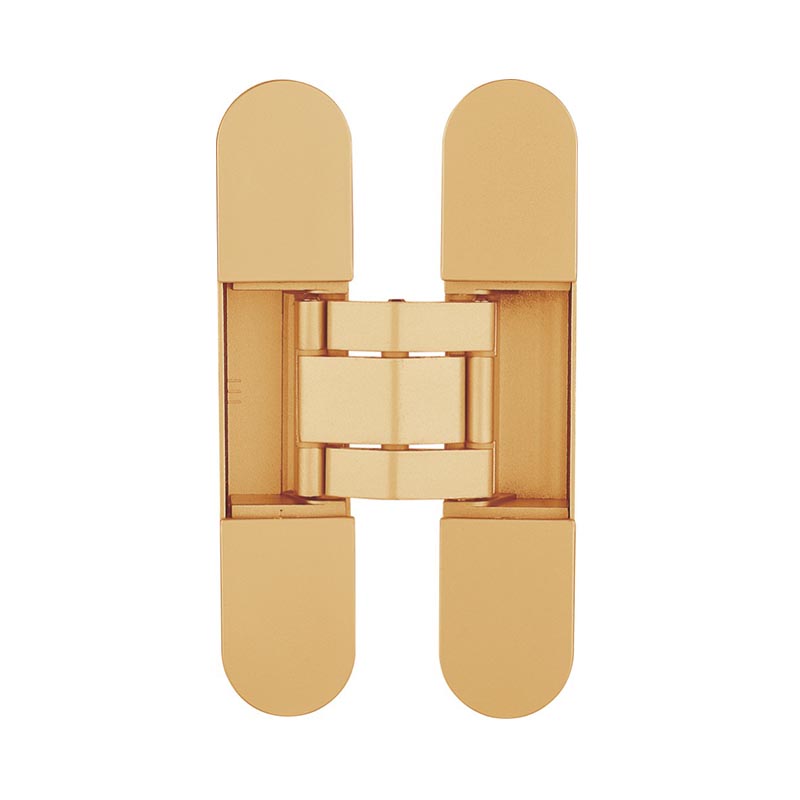
- Material selection plays a critical role in achieving long service life. Durable hinges typically use high-strength steel or hardened alloys to resist deformation. These materials provide the mechanical strength required to support heavy doors while maintaining adjustment accuracy.
- Surface treatment is equally important for durability. Protective coatings such as electroplating or powder coating help prevent corrosion and surface damage. Corrosion resistance is especially important in environments with high humidity or temperature changes. Proper material treatment extends the operational life of the hinge and preserves adjustment reliability.
- Wear-resistant materials are also essential for moving parts. Components that experience frequent movement must maintain smooth operation without excessive friction. High-quality materials reduce wear and ensure stable adjustment performance.
Reinforced Adjustment Mechanism
- The adjustment mechanism is the core of a durable hinge design. Threaded adjustment screws and sliding components must be designed to withstand repeated operation without loosening. Reinforced screw threads improve load capacity and reduce the risk of stripping during adjustments.
- Strong internal supports help maintain the position of the adjustment components. When the hinge structure is reinforced, movement remains controlled and precise. This prevents unwanted shifting that may occur under heavy loads.
- The adjustment system should also be designed to reduce stress concentrations. Smooth transitions between structural elements reduce the likelihood of cracks or fatigue. Reinforced adjustment mechanisms ensure that the hinge continues to perform reliably even after years of use.
Precision Manufacturing and Tolerances
- Durability is closely linked to manufacturing precision. Tight tolerances ensure that components fit together correctly and operate smoothly. Poorly fitted parts may cause uneven loading and accelerated wear.
- Precision machining improves the alignment of adjustment components and reduces unnecessary movement. Accurate manufacturing also helps maintain consistent adjustment performance. When components are precisely matched, the hinge operates smoothly and requires less force during adjustment.
- High manufacturing quality ensures that the hinge maintains its structural integrity over time. Reliable tolerances help prevent mechanical looseness and preserve adjustment accuracy.
Protection of Internal Components
- Invisible hinges require internal adjustment mechanisms that remain protected from external damage. Enclosed structures help shield critical components from dust, moisture, and mechanical impact. Protective designs reduce the likelihood of contamination that may affect movement.
- Sealed adjustment channels and protective covers improve long-term reliability. When internal components remain clean and well protected, adjustment performance remains stable. This protection is especially important in environments where doors are frequently used.
- Proper sealing also helps preserve lubrication inside the hinge. Lubricated components experience less friction and wear, which contributes to longer service life.
Load Distribution and Mechanical Balance
- Effective load distribution is essential for maintaining durability. The hinge must support the weight of the door without excessive stress on individual components. Balanced structural design allows forces to spread evenly across the hinge body.
- Mechanical balance reduces strain on adjustment mechanisms and pivot points. When loads are evenly distributed, components experience less stress and wear more slowly. Balanced design also improves the smoothness of door movement.
- Proper load distribution helps prevent deformation that could affect adjustment accuracy. Durable hinge structures maintain their shape and function even under heavy use.






 English
 Español
 русский