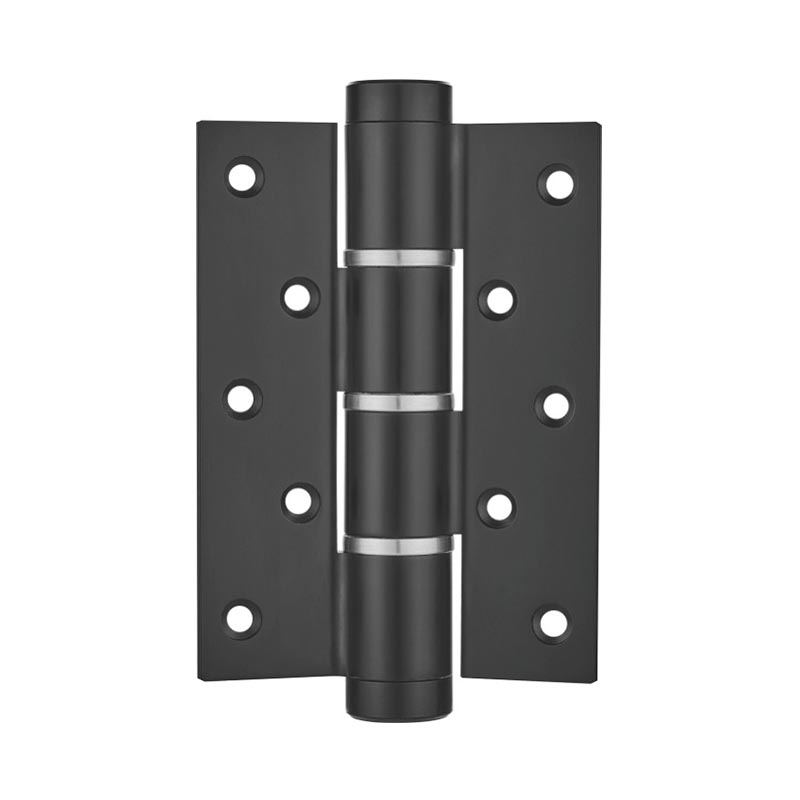
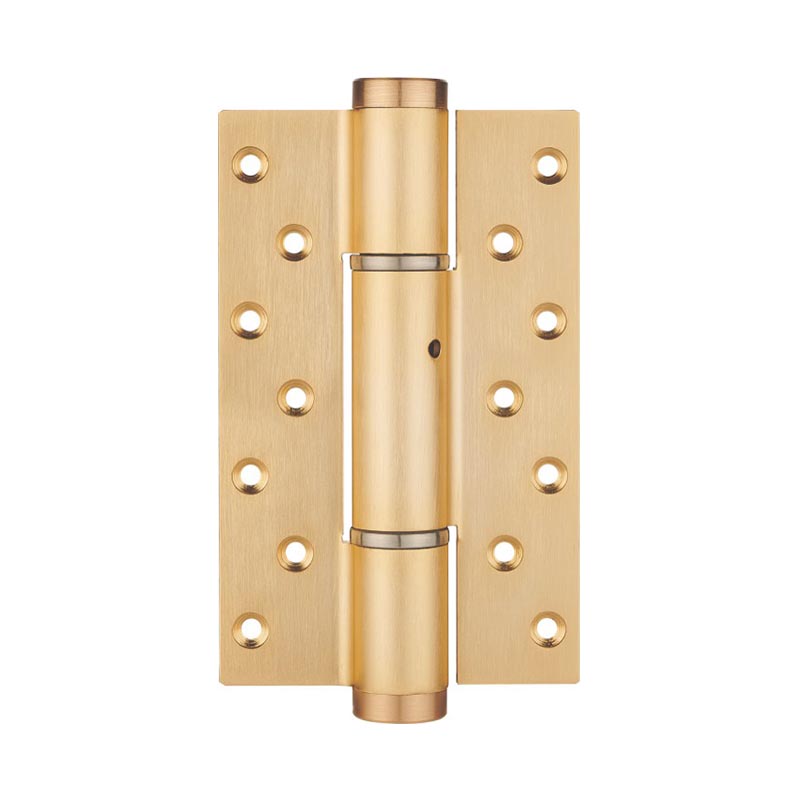
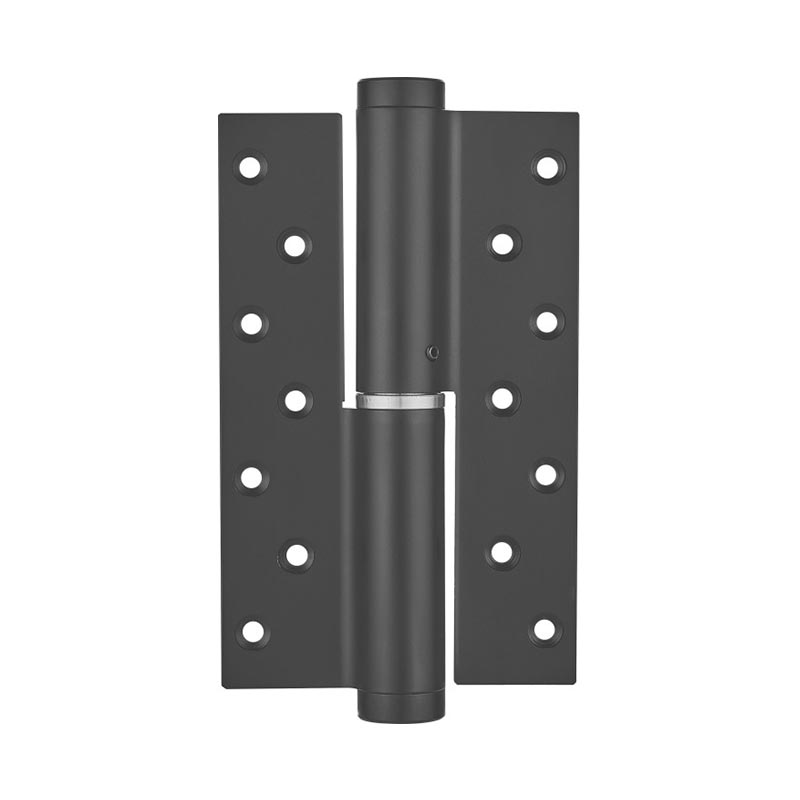
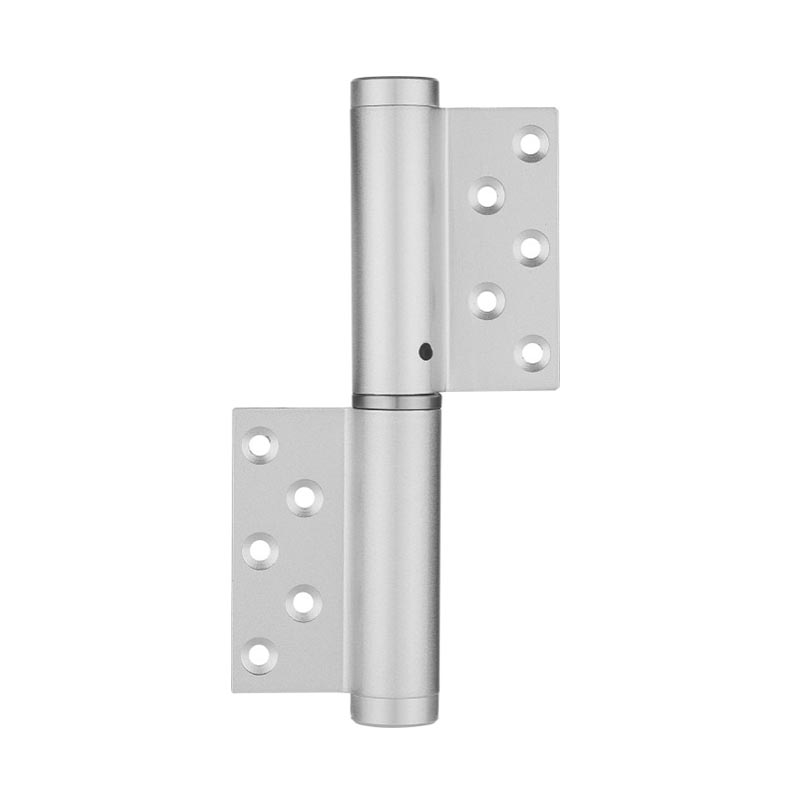
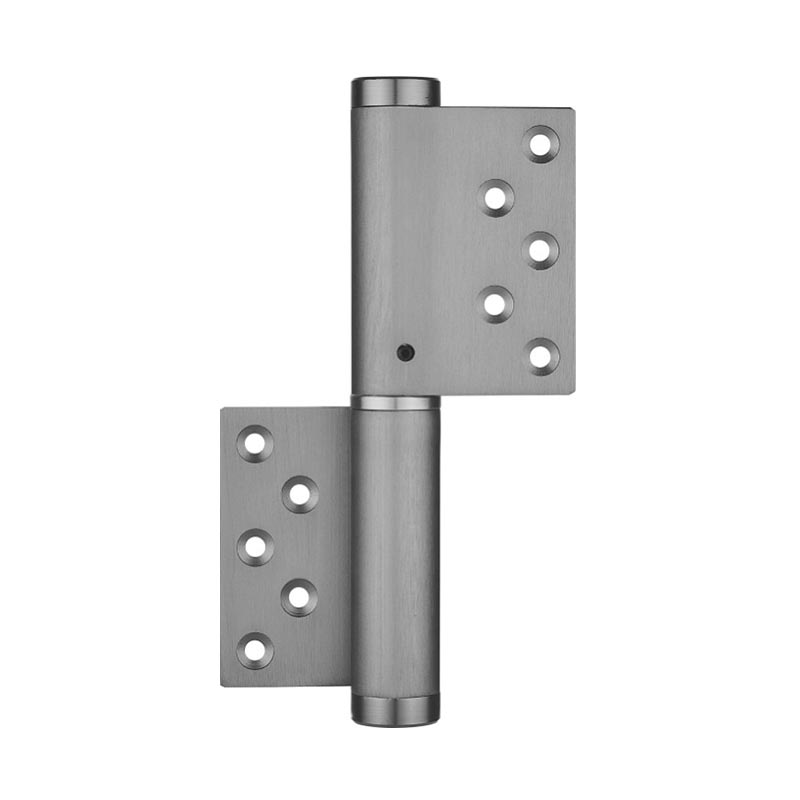
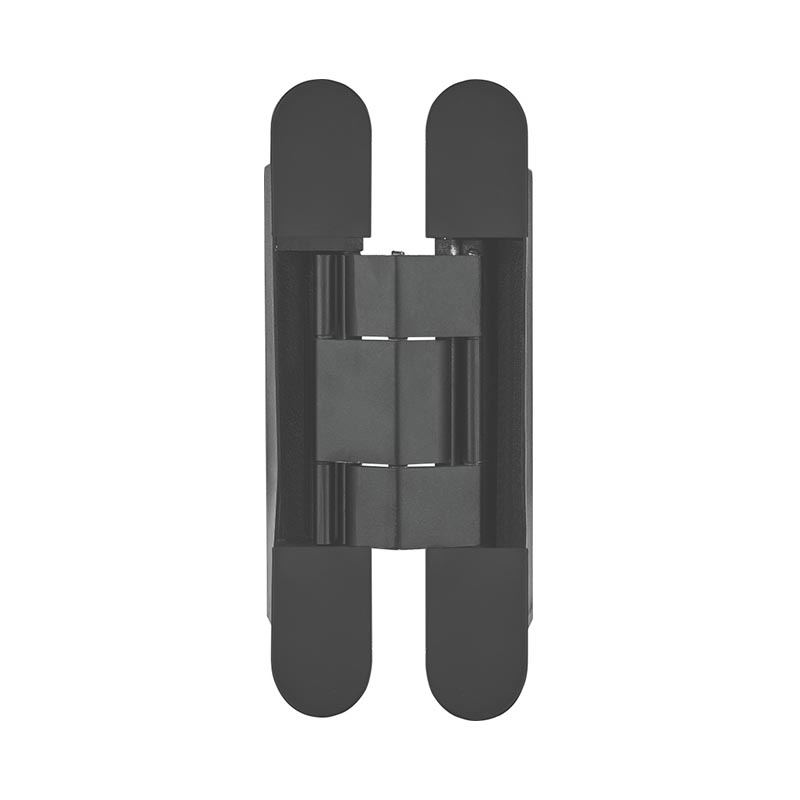
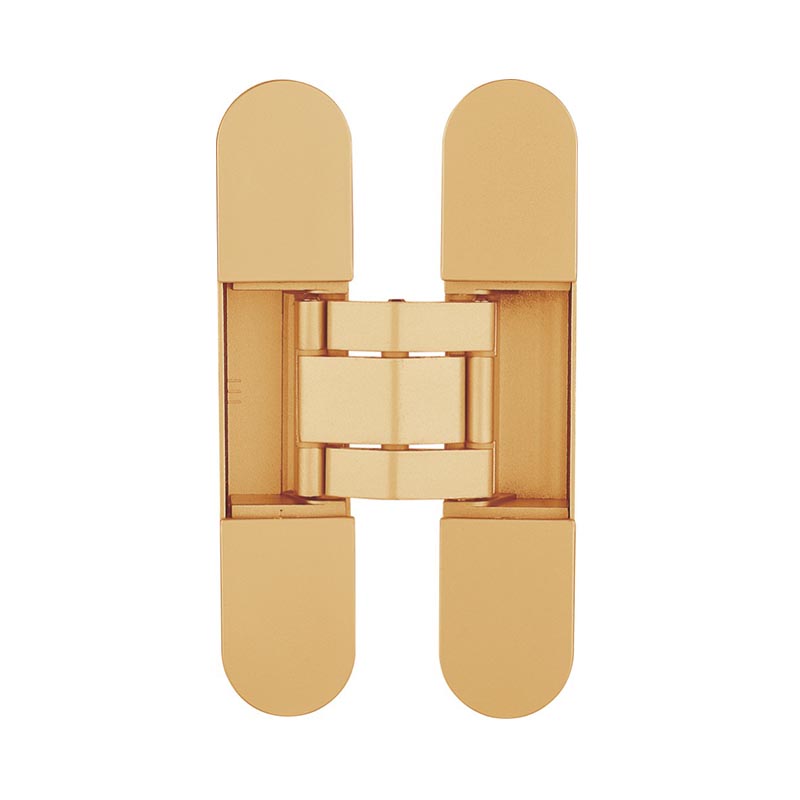
Damping Spring Hinges are widely used in furniture, cabinets, doors, and specialized equipment where controlled closing and smooth movement are required. These hinges combine a spring mechanism with damping technology to prevent slamming and reduce wear over time. The performance of damping spring hinges can vary significantly depending on the materials used in their construction. Understanding these differences is essential for selecting the right hinge for specific applications, ensuring durability, reliability, and smooth operation.
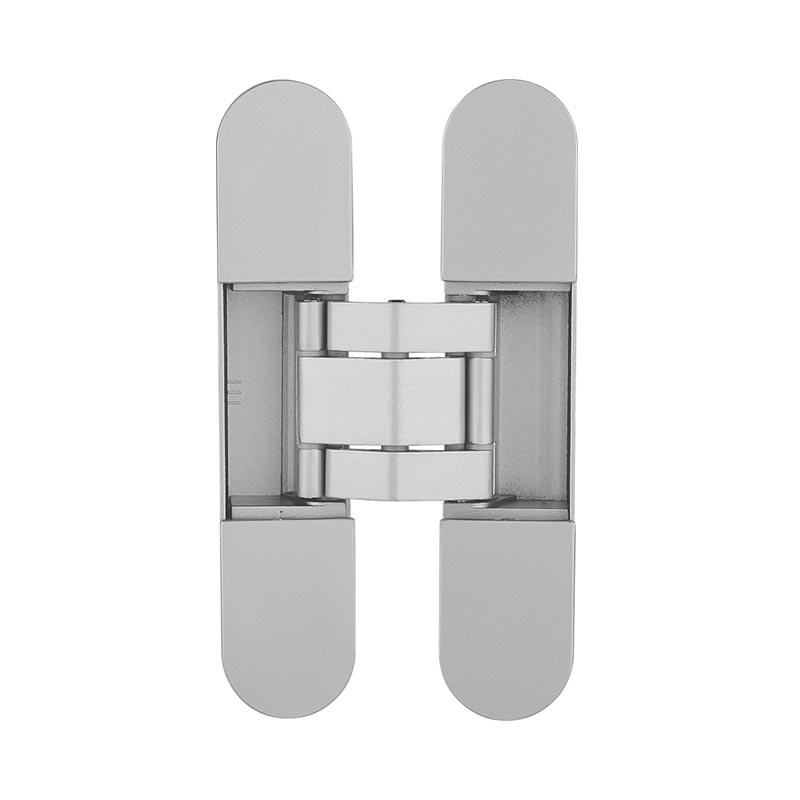
Steel is one of the common materials used in damping spring hinges due to its strength and durability. Steel hinges can handle heavier doors and offer consistent spring tension over prolonged use. High-quality steel often undergoes heat treatment or plating to resist corrosion and wear. Steel damping spring hinges excel in applications that require high load-bearing capacity, such as heavy cabinet doors or industrial enclosures. However, uncoated steel may be prone to rust in humid environments, which can affect hinge performance over time.
Stainless steel hinges provide both strength and good corrosion resistance, making them ideal for environments exposed to moisture, such as kitchens, bathrooms, or outdoor installations. Stainless steel maintains its mechanical properties over a wide temperature range and resists deformation under stress. The damping mechanism in stainless steel hinges operates smoothly, ensuring consistent door closing without squeaking or jamming. Their combination of durability and resistance to environmental factors makes stainless steel damping spring hinges a premium choice for long-term performance.
Brass and bronze hinges are valued for their aesthetic appeal and resistance to corrosion. These materials are often used in decorative furniture or doors where both performance and appearance matter. Brass damping spring hinges offer moderate strength and smooth operation, though they may not support very heavy doors as effectively as steel or stainless steel. Bronze hinges provide additional durability and can handle slightly higher loads. Both materials provide quiet and smooth damping action, but their cost is generally higher than that of standard steel hinges.
Plastic or composite damping spring hinges are lightweight and resistant to corrosion. They are suitable for lightweight doors or applications where metal hinges might be overkill. While these hinges provide adequate damping and smooth closing for lighter loads, they generally have lower load-bearing capacity and may wear faster under heavy use. They are often used in cabinets, small enclosures, or furniture where cost-effectiveness and corrosion resistance are priorities.
The hinge material not only affects load capacity and durability but also influences the damping mechanism itself. Heavier and stiffer materials like steel and stainless steel provide more controlled and consistent closing action, while softer metals like brass or lightweight composites allow for smoother but less forceful damping. Material choice should consider door weight, environmental conditions, desired aesthetics, and frequency of use to ensure suitable performance.
Damping Spring Hinges exhibit varied performance depending on the materials used. Steel provides strength and reliability for heavy-duty applications, stainless steel offers corrosion resistance and longevity, brass and bronze combine aesthetics with moderate load capacity, and plastic hinges are suitable for lightweight, cost-sensitive installations. By understanding these material-specific differences, users and manufacturers can select the right hinge for each application, ensuring smooth, durable, and efficient door operation.

No.123, Kaixuan road, yunshan street, lanxi city, jinhua city, zhejiang province, china

+86-18066248602

+86-579-88864580

+86-579-88864581

Copyright © 2024 Lanxi Maya Hardware Co., Ltd. All Rights Reserved. Privacy Policy

Hydraulic Door Hinges Hardware Factory



 English
 Español
 русский