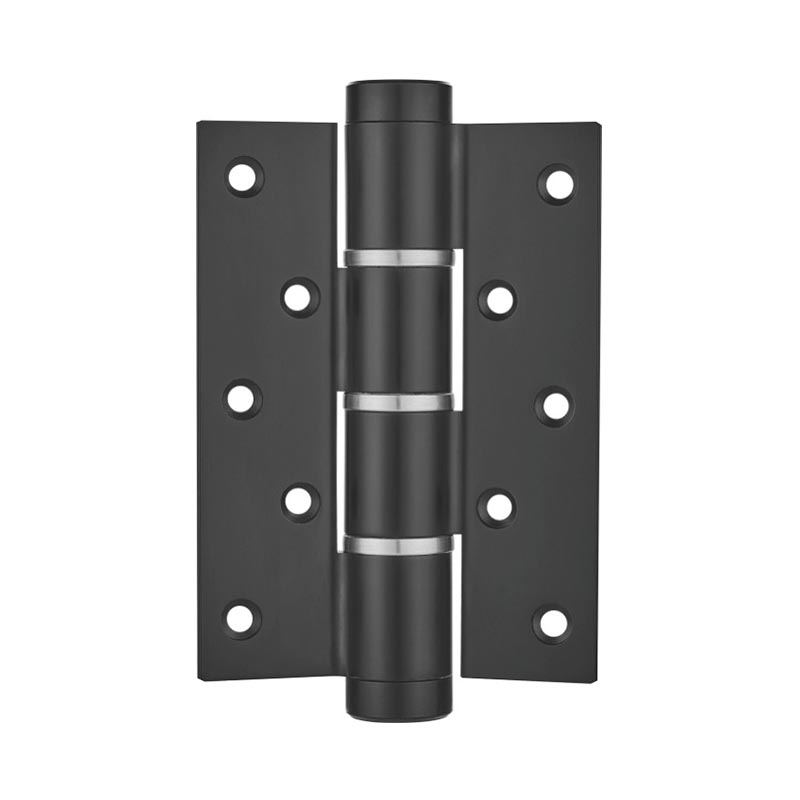
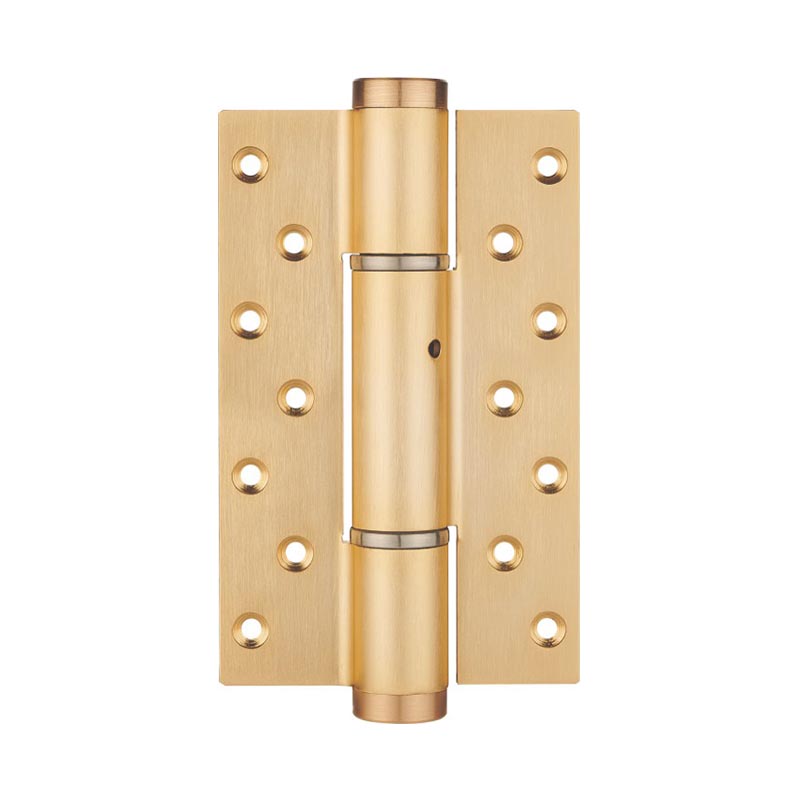
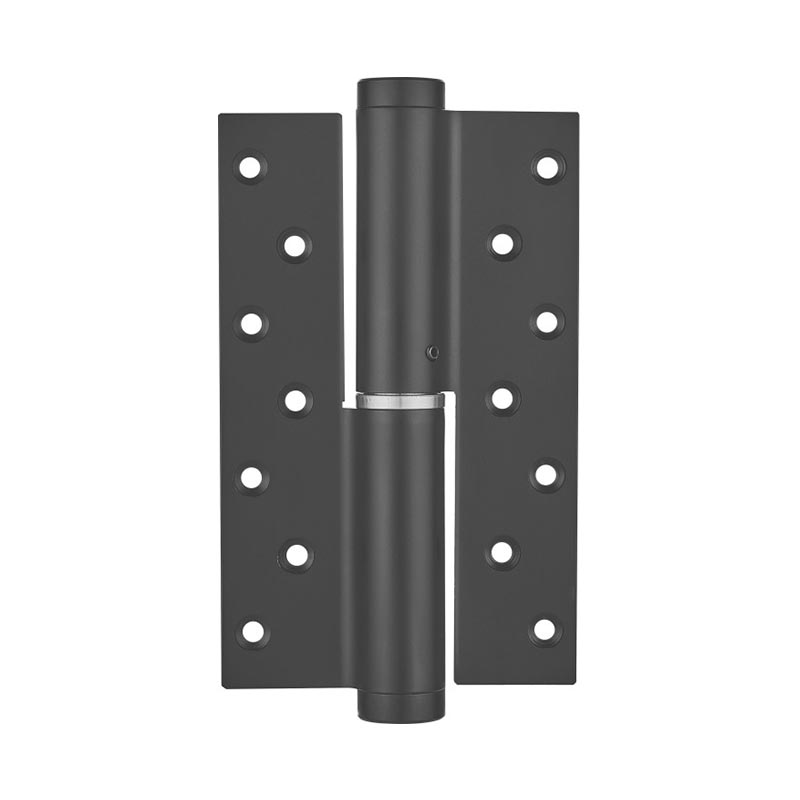
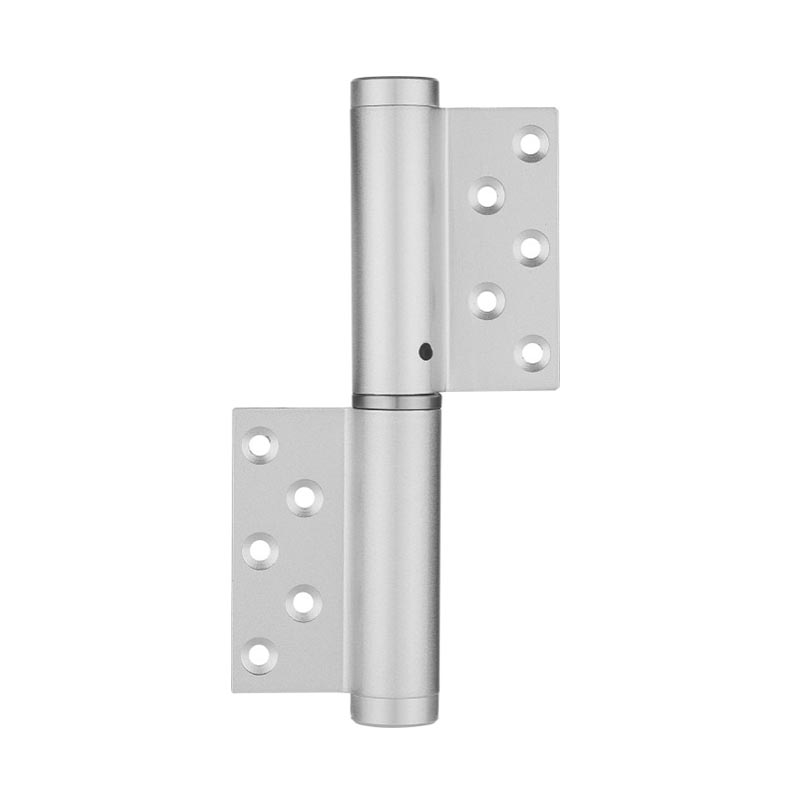
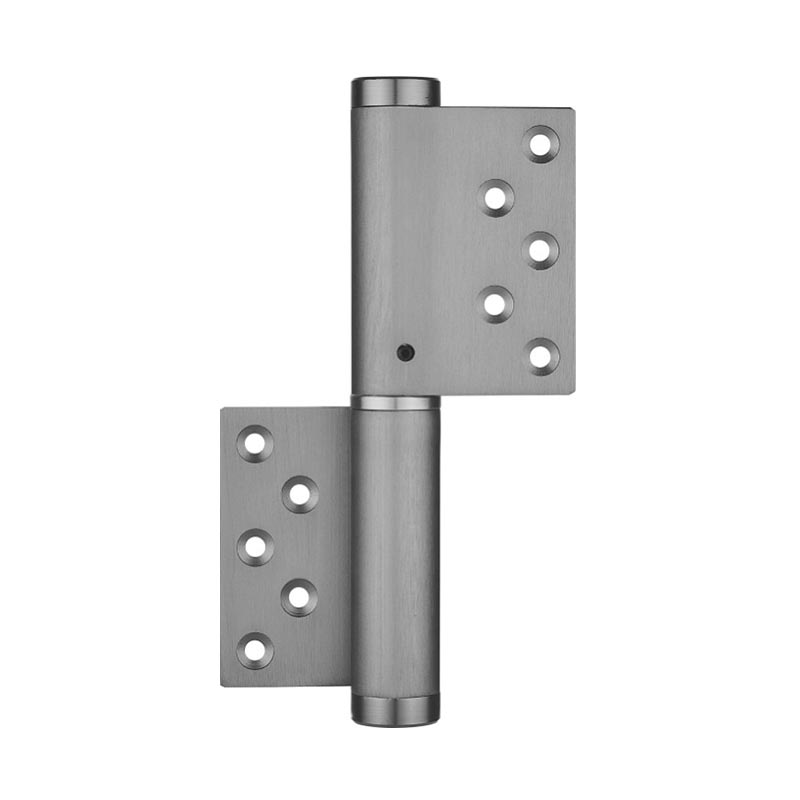
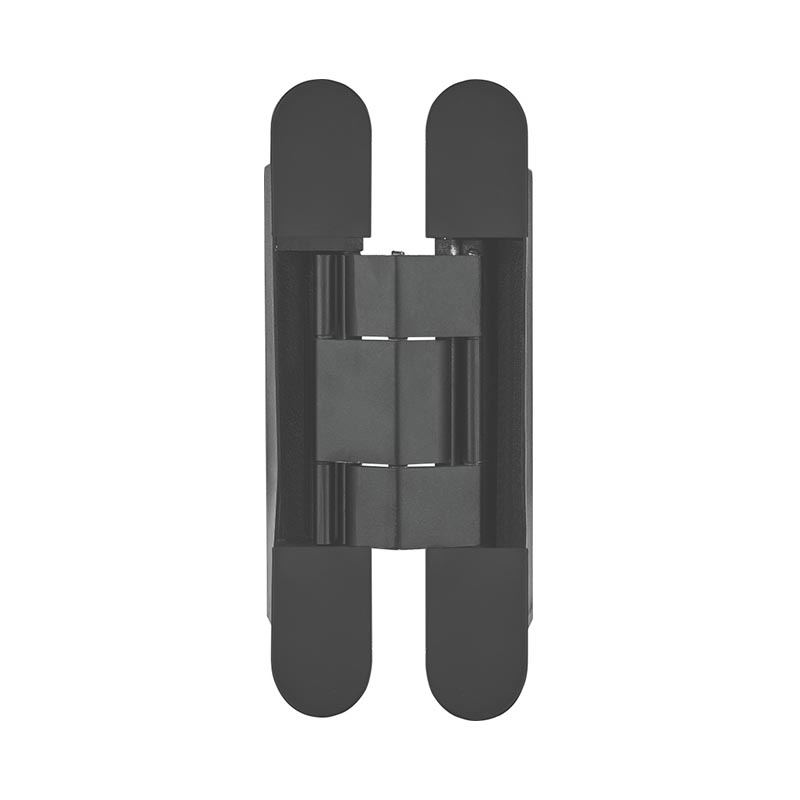
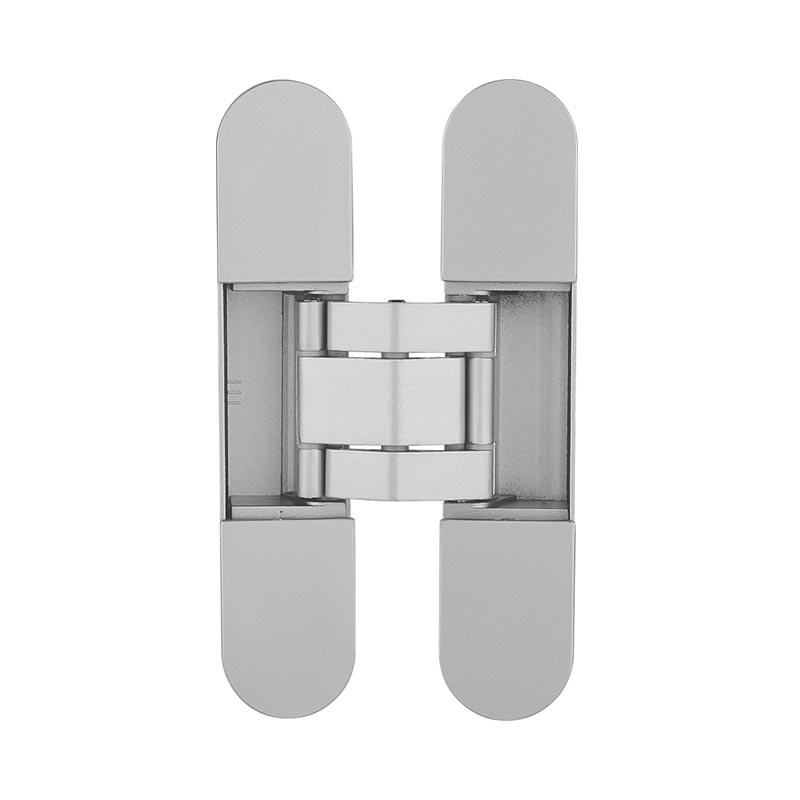
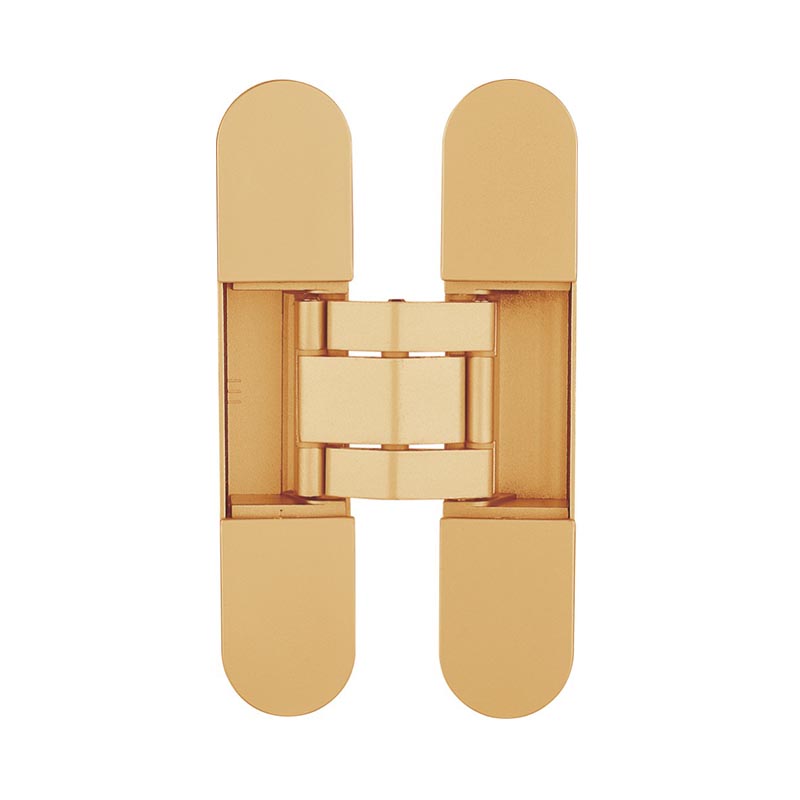
Damping Spring Hinges are commonly used in cabinets, doors, and furniture to provide controlled closing and smooth motion. These hinges rely on internal springs combined with metal components to manage door movement and absorb energy during operation. However, when installed in high-humidity environments such as kitchens, bathrooms, or coastal regions, these metal components are at risk of corrosion. Rust formation can impair hinge function, reduce spring efficiency, and even cause complete mechanical failure if left unaddressed. Understanding the factors that contribute to corrosion in damping spring hinges is critical for selecting suitable materials, coatings, and maintenance practices to ensure long-term performance.
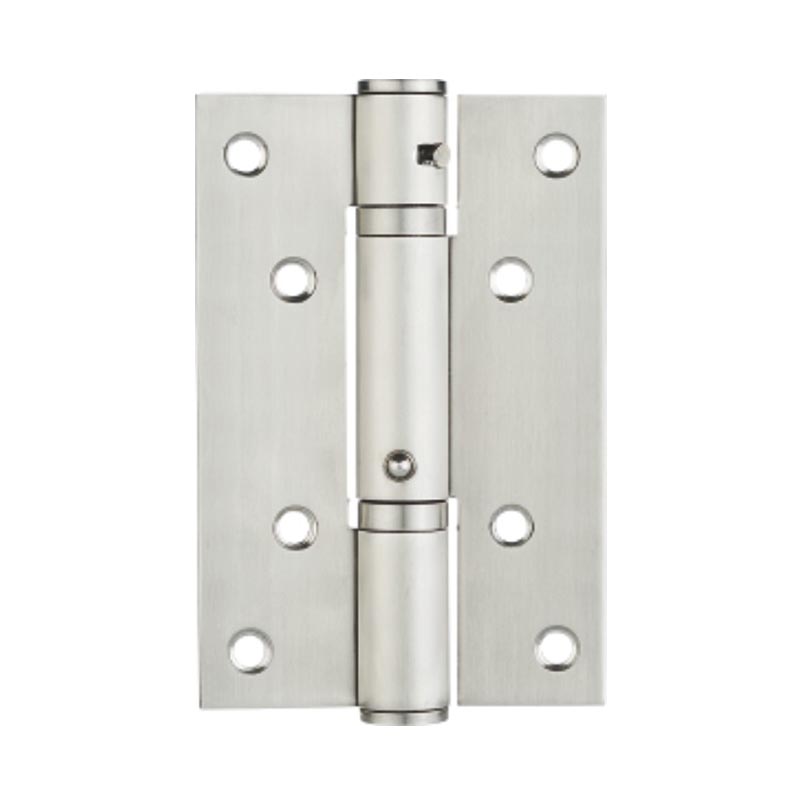
The likelihood of corrosion largely depends on the materials used in Damping Spring Hinges. Standard carbon steel components are highly susceptible to rust when exposed to moisture and oxygen. In contrast, stainless steel, brass, or zinc-alloy hinges offer better resistance due to their natural corrosion-resistant properties. Stainless steel hinges, especially those with higher chromium content, develop a protective oxide layer that prevents further rust formation. The choice of material should consider both the environmental conditions and the expected operational load to balance durability, aesthetics, and mechanical performance. High-quality hinges designed for humid conditions often incorporate corrosion-resistant metals to prolong functional lifespan.
Another effective strategy to prevent rust involves surface treatments and protective coatings. Electroplating, powder coating, and specialized anti-corrosion sprays create a barrier between the metal and moisture in the environment. For Damping Spring Hinges, coatings not only prevent oxidation but also maintain the smooth movement of the internal spring mechanism by reducing friction and wear. Some manufacturers also apply additional treatments to the spring itself, ensuring that both the load-bearing components and moving parts remain protected. Proper coating selection is critical; an inappropriate coating may wear off quickly under frequent operation, exposing the hinge to rapid corrosion.
Humidity affects not only the hinge body but also the internal damping spring. Excess moisture can cause surface rust on the spring, increasing friction and reducing its energy-absorbing efficiency. Rust accumulation may also alter the spring’s tension, resulting in irregular door movement or loss of damping function. Over time, corrosion can cause fatigue cracks or breakage in the spring, severely compromising hinge performance. In environments with constant humidity, additional sealing or lubricating measures can help protect the spring from moisture ingress and maintain consistent operation.
Regular maintenance is essential to prolong the life of Damping Spring Hinges in humid conditions. Periodic cleaning to remove moisture, dust, and residue can prevent rust initiation. Applying appropriate lubricants or corrosion inhibitors to moving parts and exposed metal surfaces helps maintain smooth operation and reduces the risk of oxidation. In highly humid or coastal areas, more frequent inspections and preventive maintenance may be required. Proper ventilation and controlling indoor humidity can also reduce the risk of corrosion by limiting the exposure of metal surfaces to moisture-laden air.
High-humidity environments pose a significant risk to the structural integrity and performance of Damping Spring Hinges. Factors such as material selection, surface coatings, and the condition of the internal spring influence the hinge’s susceptibility to corrosion. Using corrosion-resistant materials, applying protective treatments, and following regular maintenance routines are essential strategies to prevent rust formation and maintain long-term functionality. By understanding the interaction between moisture and metal components, users can ensure reliable hinge operation even in challenging environmental conditions.

No.123, Kaixuan road, yunshan street, lanxi city, jinhua city, zhejiang province, china

+86-18066248602

+86-579-88864580

+86-579-88864581

Copyright © 2024 Lanxi Maya Hardware Co., Ltd. All Rights Reserved. Privacy Policy

Hydraulic Door Hinges Hardware Factory



 English
 Español
 русский