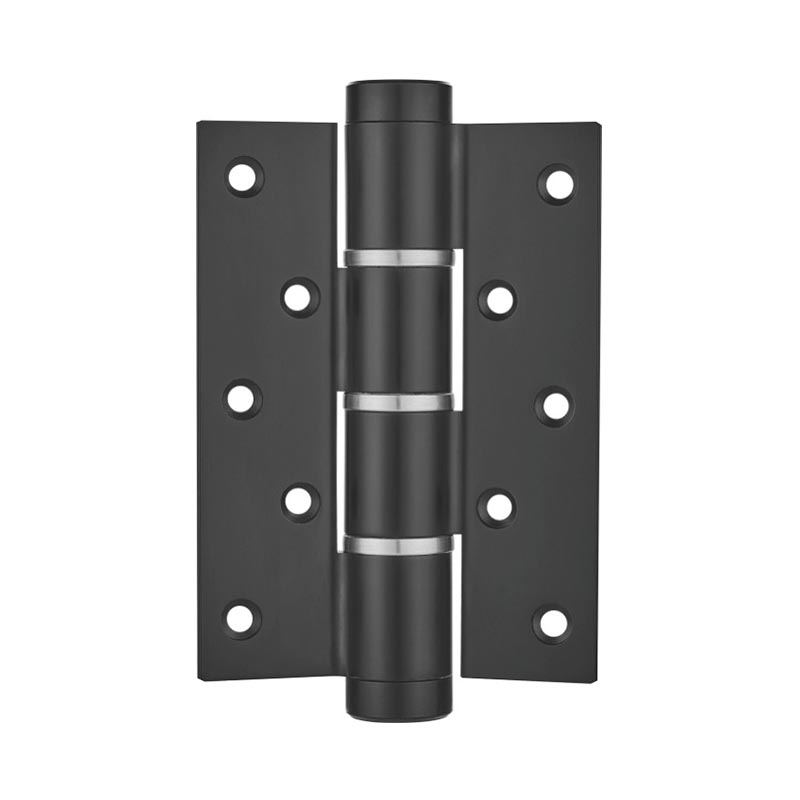
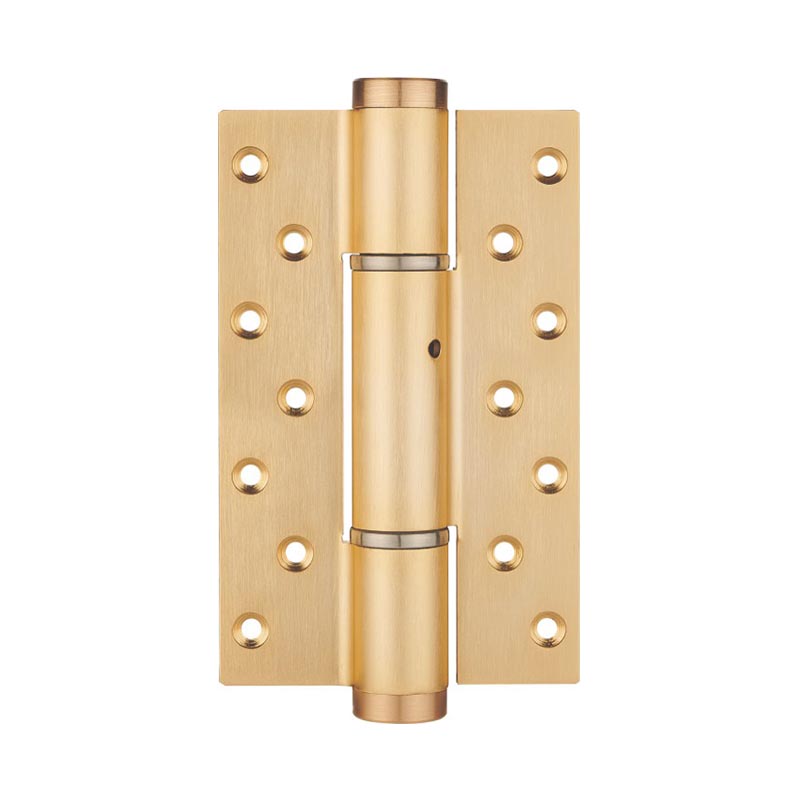
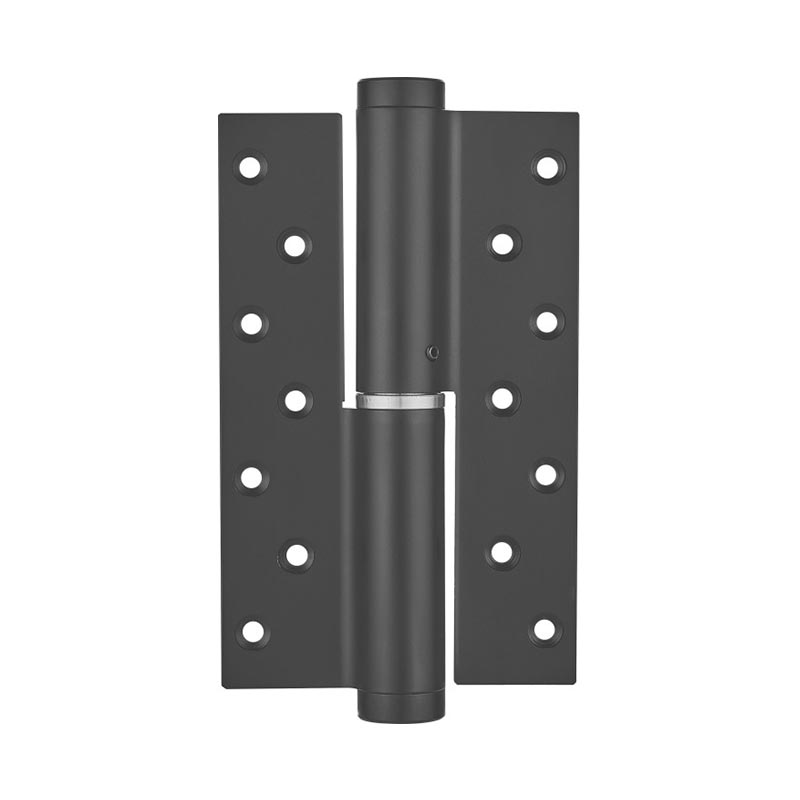
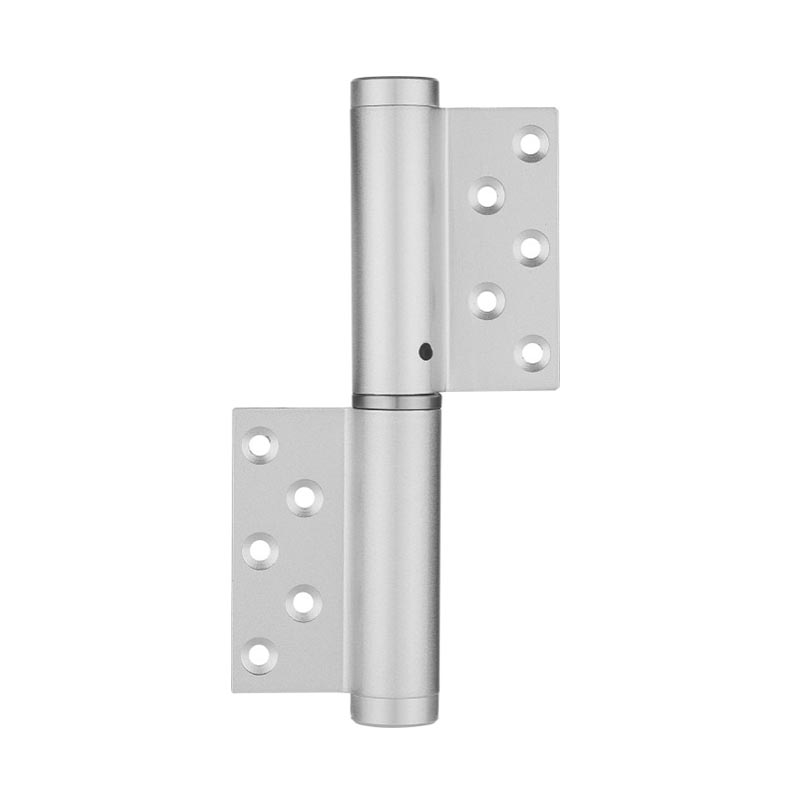
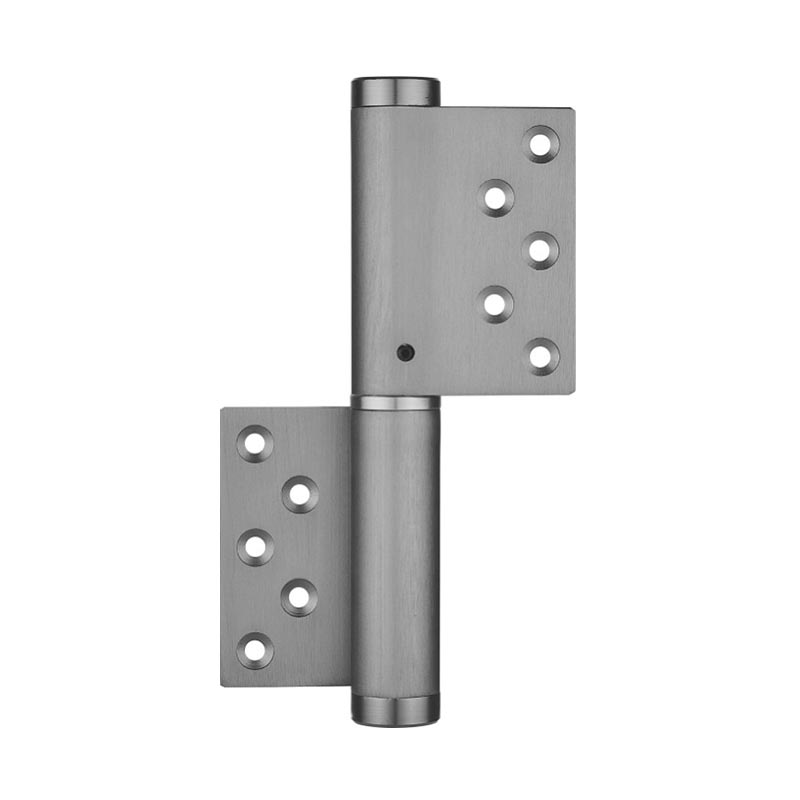
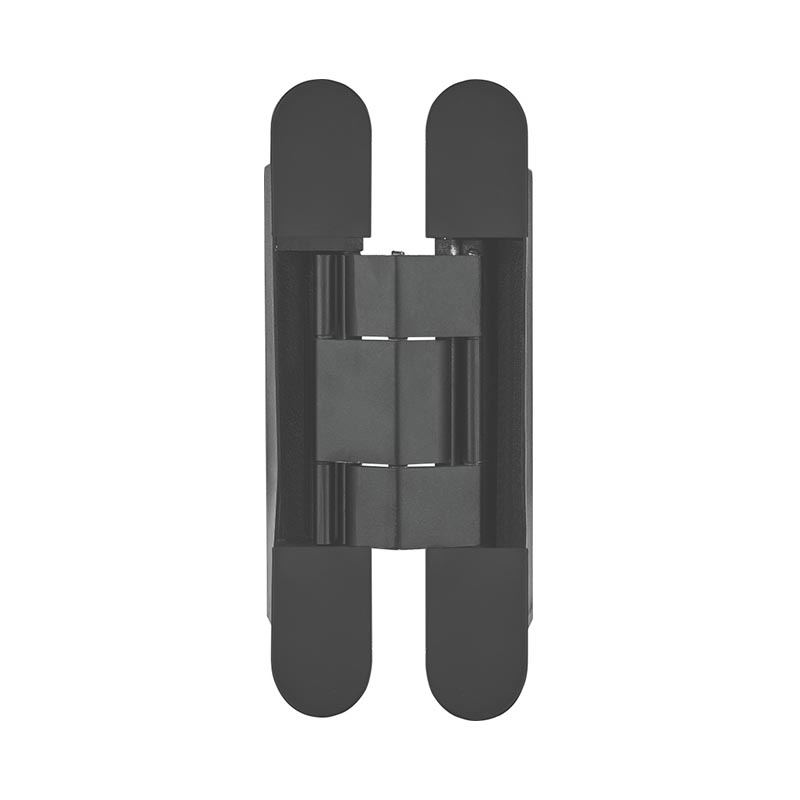
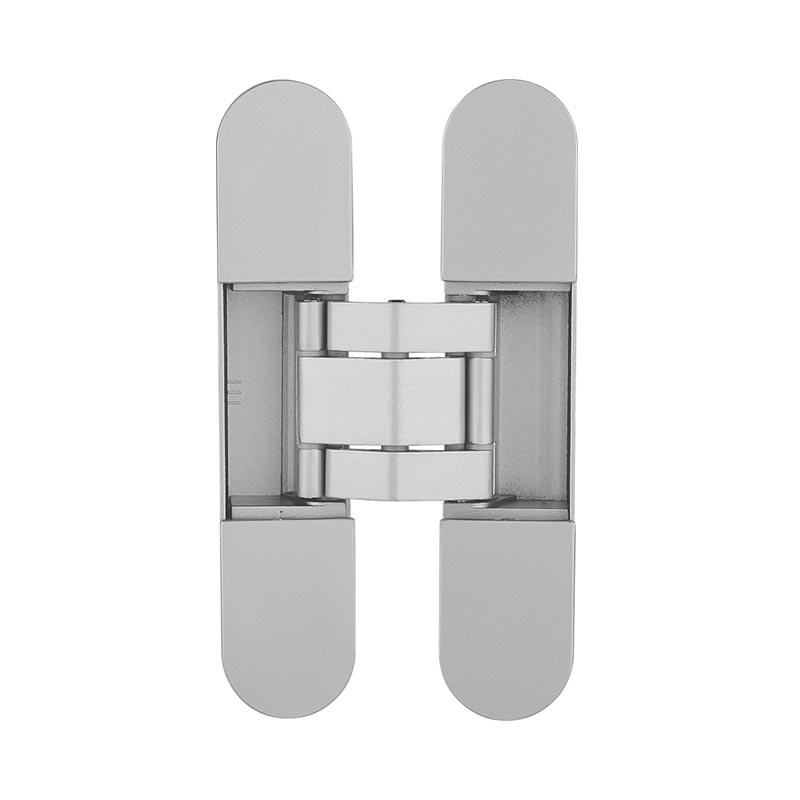
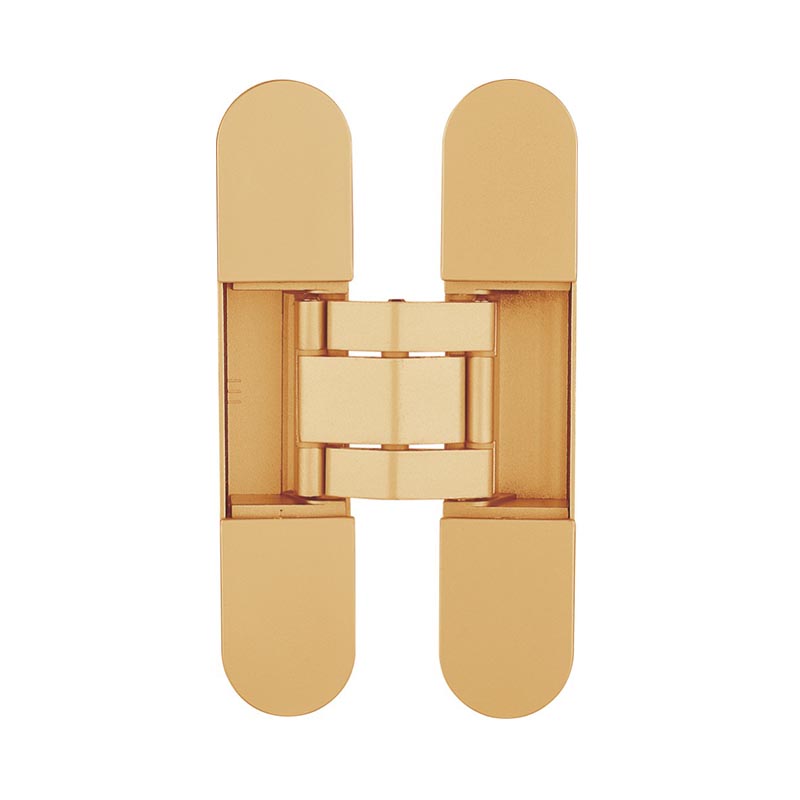
Multi-Function Hydraulic Hinges are widely used in doors, cabinets, and specialized equipment due to their ability to provide controlled closing, adjustable damping, and smooth operation. The internal hydraulic system relies on oil to create resistance and control the movement of the door or panel. However, external temperature fluctuations can significantly affect the oil’s physical properties, particularly its viscosity, which in turn influences the damping performance of the hinge. Understanding how temperature interacts with hydraulic oil and hinge mechanics is essential for ensuring consistent operation across different environments and climates.
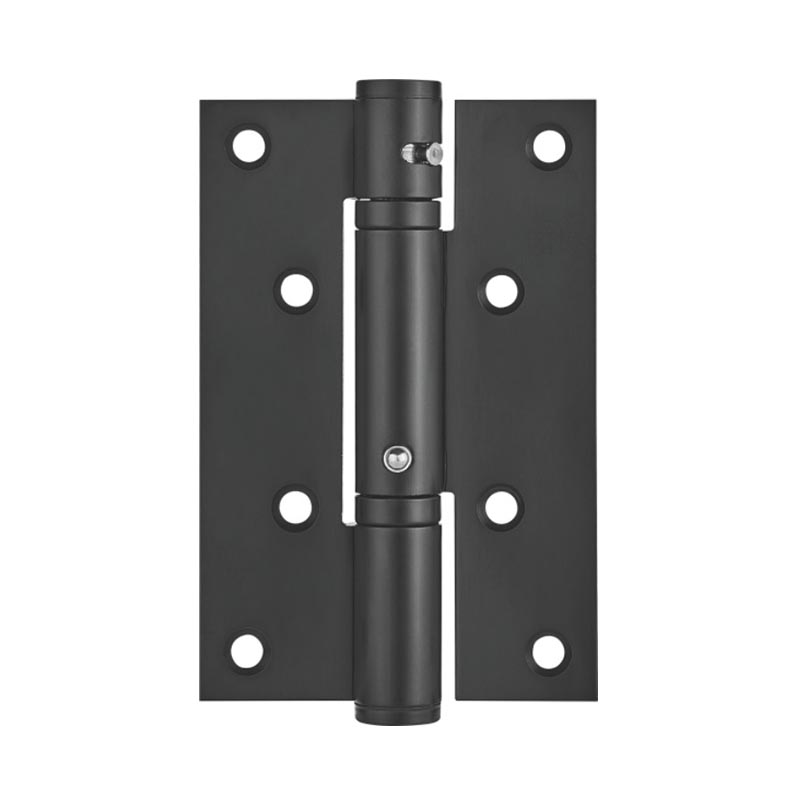
Hydraulic oil is highly sensitive to temperature changes. When the surrounding environment becomes colder, the oil thickens, increasing resistance within the hinge’s damping chamber. This higher viscosity results in slower door movement, potentially causing the door to close sluggishly or unevenly. Conversely, in higher temperatures, the oil becomes thinner and flows more freely, reducing the damping effect. This can cause doors to close too quickly, creating noise, or even risking slamming. The temperature-dependent behavior of the hydraulic oil means that hinge performance can vary widely between winter and summer conditions if the system is not designed to compensate for these changes.
The viscosity of the hydraulic oil directly affects the hinge’s ability to absorb energy and control motion. In colder conditions, the thicker oil increases internal friction, resulting in slower damping response and reduced flexibility. Users may perceive the door as stiff or resistant to opening and closing. In warmer environments, the reduced viscosity lowers internal resistance, which can make the damping action too weak, decreasing the effectiveness of the buffer. For Multi-Function Hydraulic Hinges, this can cause inconsistent door behavior and compromised performance, especially in applications requiring precise control over movement, such as in high-end cabinetry or equipment doors.
To mitigate the effects of temperature on damping performance, many Multi-Function Hydraulic Hinges incorporate design features that maintain consistent oil flow regardless of environmental conditions. These mechanisms may include temperature-resistant oils, specialized valve designs, or dual-chamber damping systems that regulate flow across a wider range of temperatures. Some hinges also use adjustable damping screws, allowing installers or users to fine-tune performance according to seasonal variations. These compensatory features help ensure that the door closes smoothly, quietly, and consistently, even when external temperatures fluctuate dramatically.
Understanding the influence of temperature on hydraulic hinges is important for both installation and maintenance. When installing hinges in outdoor or unheated environments, selecting models with oils formulated for wide temperature ranges ensures consistent performance. Routine maintenance, such as checking oil condition and verifying smooth operation, can also prevent temperature-related issues. In some cases, hinges may require minor adjustments to damping settings to account for seasonal changes, maintaining suitable functionality throughout the year.
External temperature variations have a direct effect on the viscosity of hydraulic oil within Multi-Function Hydraulic Hinges, which in turn influences damping and buffering performance. Cold conditions thicken the oil, slowing movement, while heat reduces viscosity, potentially causing doors to close too quickly. Modern hinge designs incorporate compensatory mechanisms, temperature-resistant oils, and adjustable features to maintain reliable performance. Proper installation, maintenance, and awareness of environmental conditions are essential for ensuring consistent operation and extending the service life of hydraulic hinge systems.

No.123, Kaixuan road, yunshan street, lanxi city, jinhua city, zhejiang province, china

+86-18066248602

+86-579-88864580

+86-579-88864581

Copyright © 2024 Lanxi Maya Hardware Co., Ltd. All Rights Reserved. Privacy Policy

Hydraulic Door Hinges Hardware Factory



 English
 Español
 русский