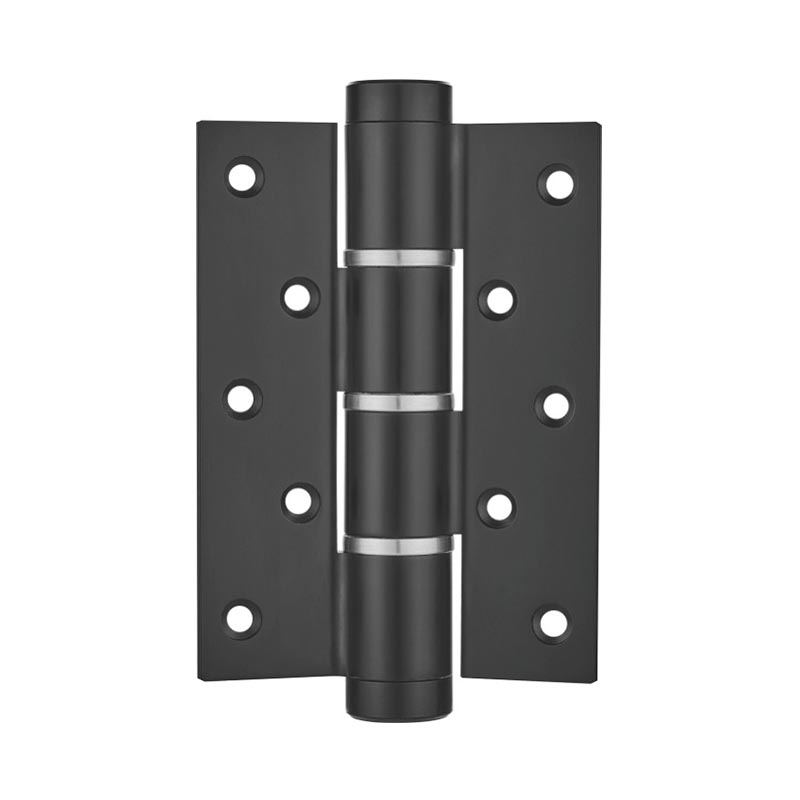
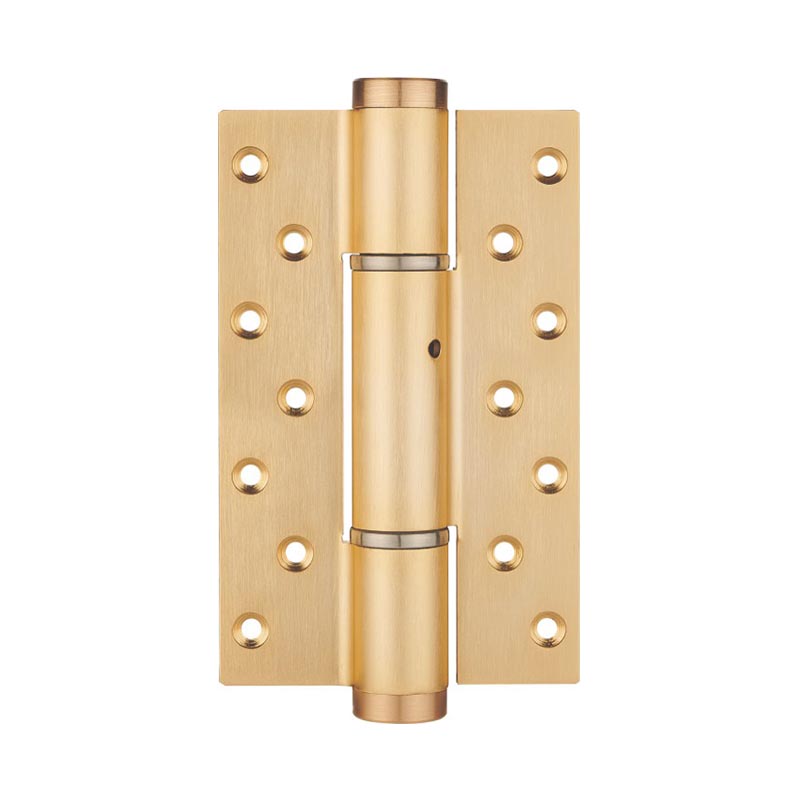
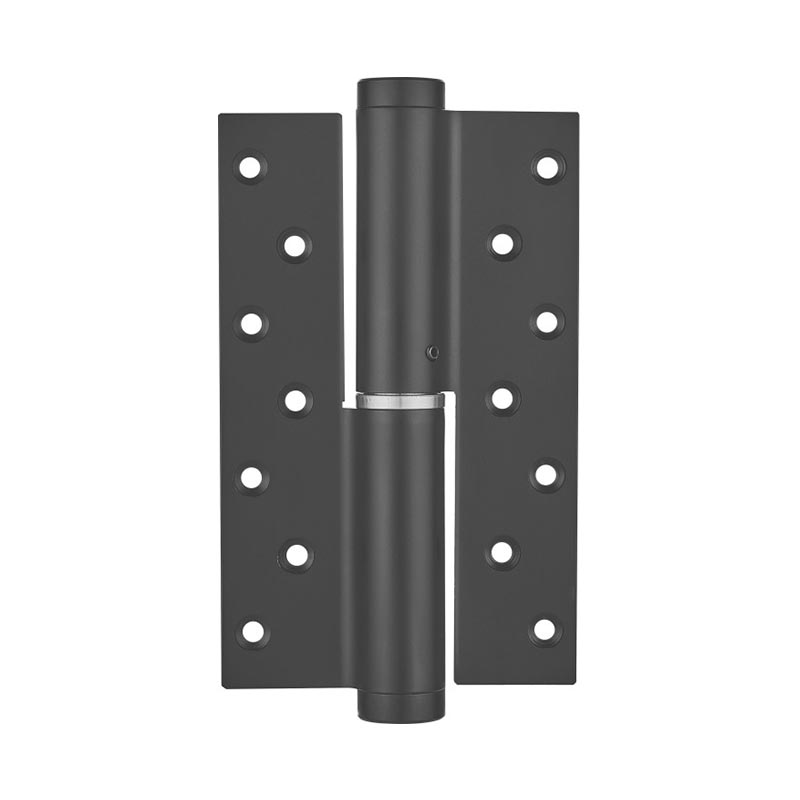
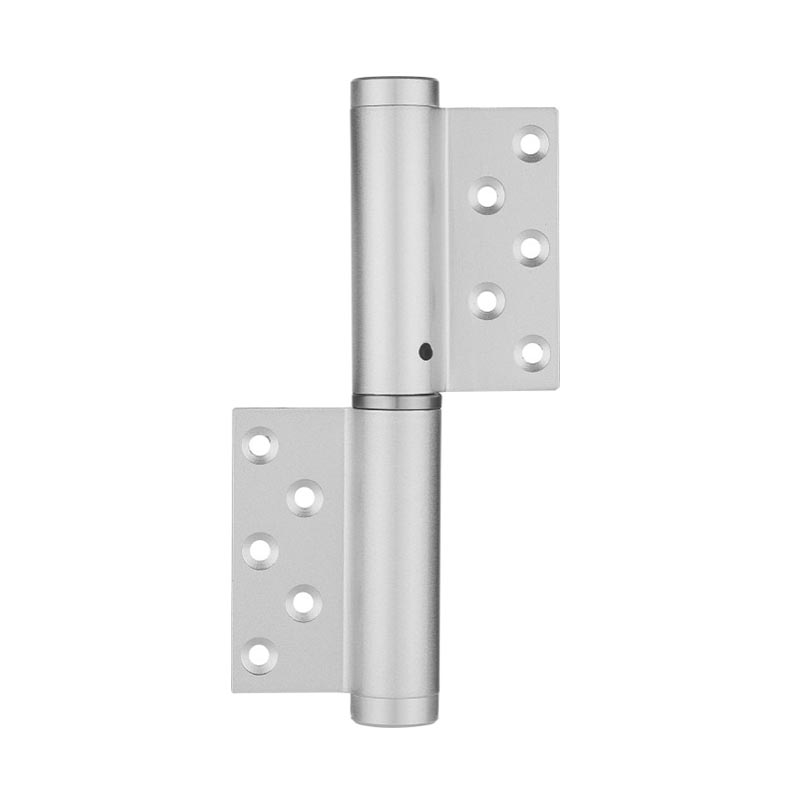
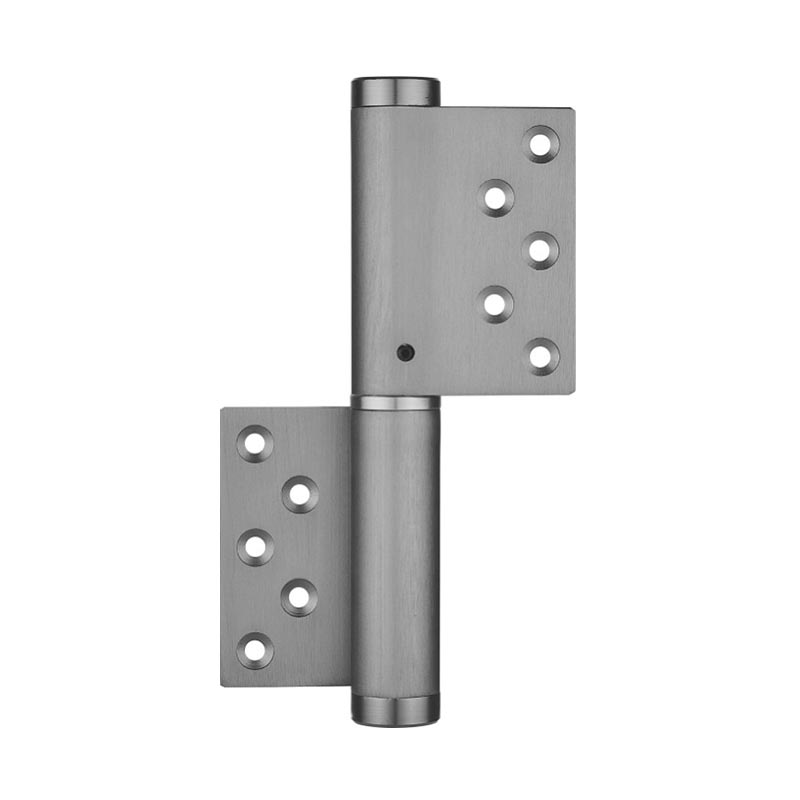
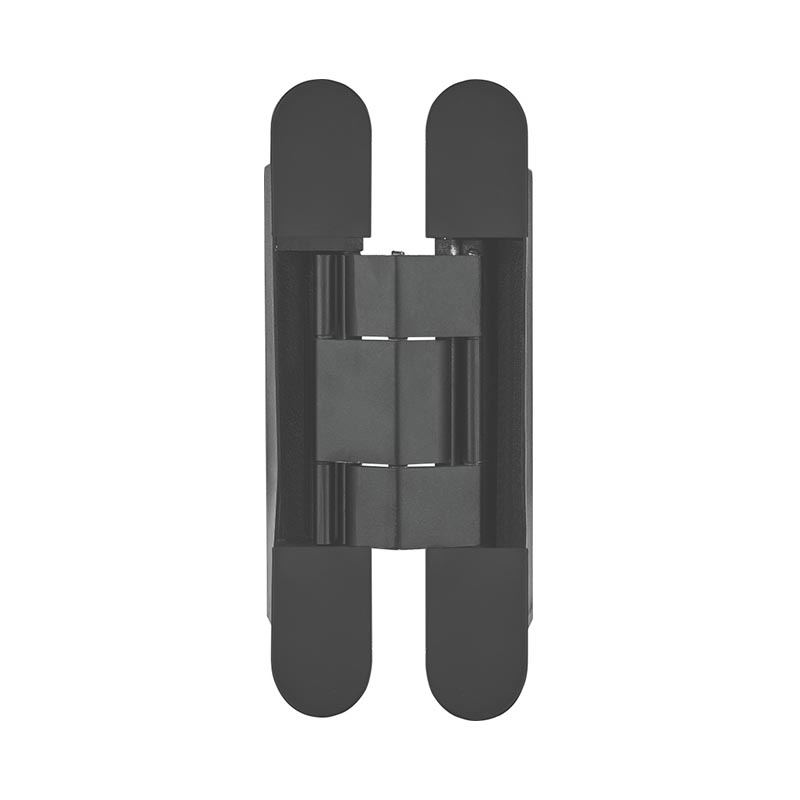
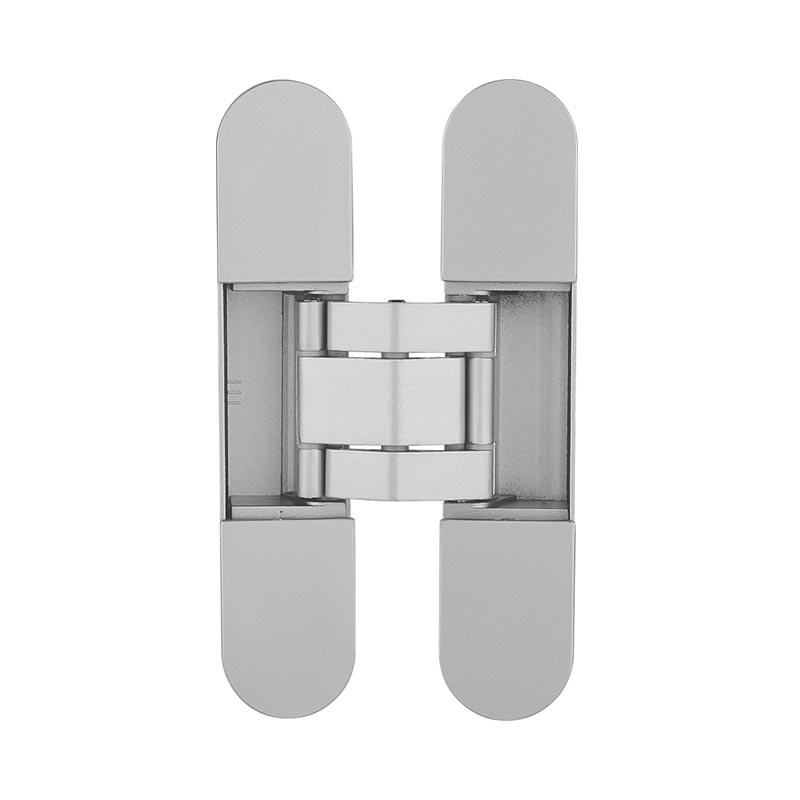
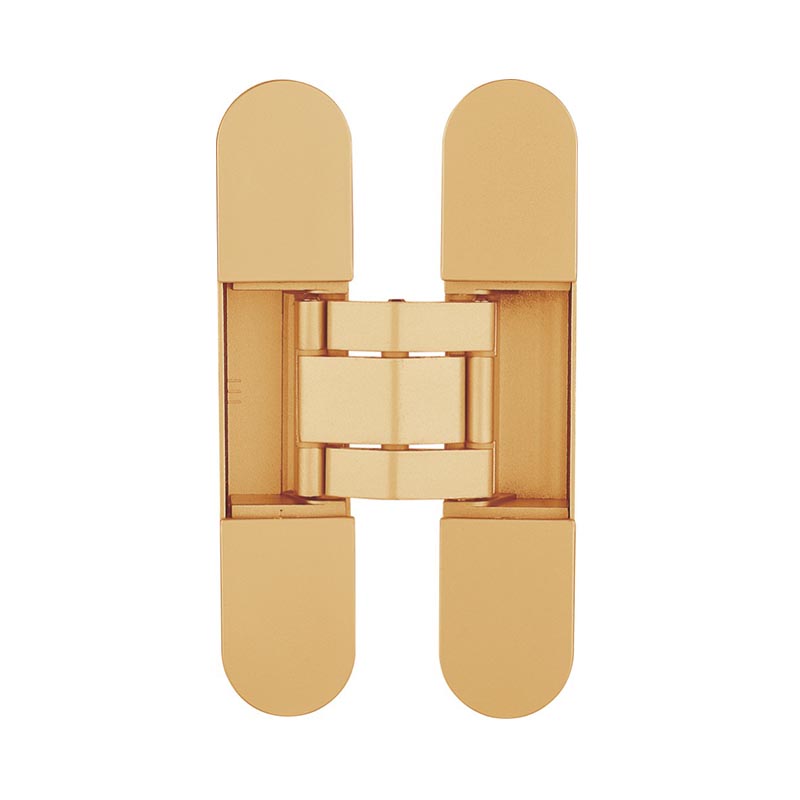
In furniture, cabinetry, and architectural hardware, hinge technology plays a vital role in comfort, safety, and durability. Different hinge mechanisms are designed to control door movement in specific ways, depending on application requirements. Among the common solutions are hydraulic damping systems, pneumatic hinges, and traditional spring hinges.
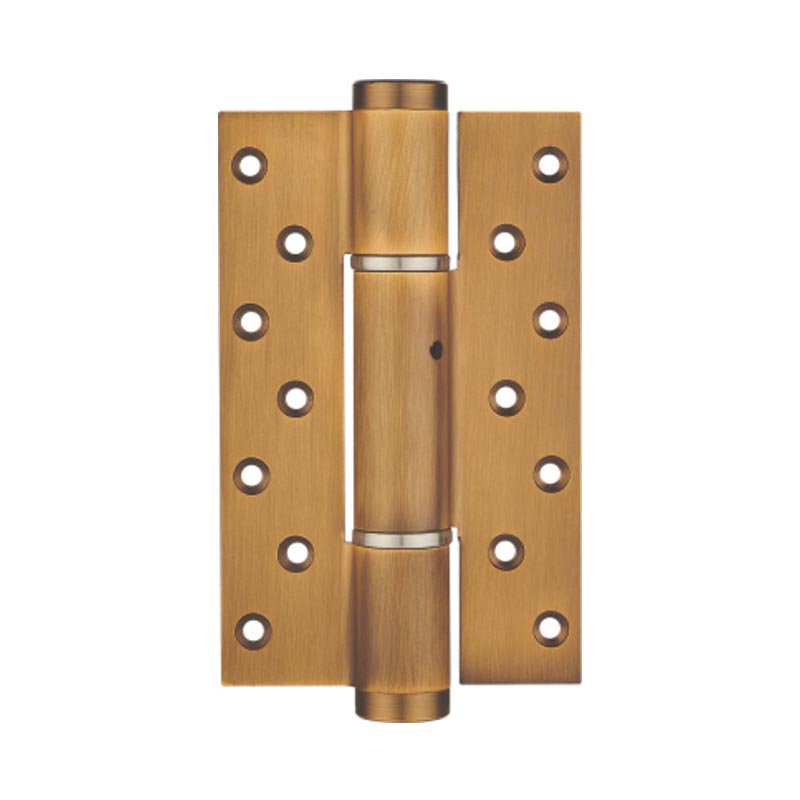
Hydraulic damping hinges use fluid resistance to control door movement. When a door closes, internal hydraulic oil passes through precision channels, slowing the motion and creating a smooth, controlled closing action. This mechanism is especially valued in modern cabinetry and interior doors where noise reduction and gentle closing are important. Because the resistance is fluid-based, the closing speed remains consistent and predictable across repeated cycles.
One of the primary advantages of hydraulic hinges is their ability to provide smooth and silent operation. Unlike spring mechanisms that rely on stored mechanical energy, hydraulic systems absorb motion gradually, reducing impact forces on both the door and the frame. This controlled movement reduces wear on screws, panels, and mounting surfaces, extending overall service life. Hydraulic hinges also improve user experience by preventing slamming, which is particularly important in kitchens, offices, and residential interiors.
Pneumatic hinges operate using compressed air to control motion. While they also provide damping, air is compressible, which can result in less consistent resistance compared with hydraulic fluid. In practice, pneumatic hinges may feel less stable during closing, especially when door weight changes or environmental conditions fluctuate. Hydraulic hinges typically offer more precise control and smoother deceleration, making them better suited for applications requiring refined motion and reliable performance over time.
Spring hinges are among the traditional and widely used hinge types. They rely on metal springs to automatically close doors or provide tension. While spring hinges are simple and cost-effective, they lack the controlled motion offered by hydraulic systems. Spring mechanisms can cause abrupt closing, noise, and increased stress on door structures. Over time, springs may fatigue, causing reduced effectiveness or uneven closing behavior. In contrast, hydraulic hinges maintain consistent performance with less mechanical shock.
Hydraulic damping hinges are generally more durable in terms of motion consistency, but they are also more complex. High-quality designs are sealed to prevent fluid leakage and contamination, ensuring long service life with minimal maintenance. Pneumatic hinges may be affected by air leaks or pressure loss, while spring hinges can require periodic adjustment or replacement due to metal fatigue. For long-term reliability, hydraulic systems often offer a better balance between durability and performance.
Cost is another important factor when comparing hinge types. Spring hinges are typically the affordable and easiest to install, making them suitable for basic or heavy-duty applications where precision is less critical. Pneumatic hinges occupy a middle ground, offering some damping at a moderate cost. Hydraulic damping hinges usually represent a higher initial investment, but their benefits in comfort, longevity, and reduced maintenance often justify the expense in premium furniture and architectural applications.
Environmental conditions and usage frequency also emphasize the differences between hinge types. Hydraulic systems are less sensitive to temperature fluctuations than pneumatic ones, as fluid properties remain relatively stable. Spring hinges, while robust, can become noisy or inconsistent under heavy use. In high-traffic or noise-sensitive environments, hydraulic hinges provide a clear advantage by maintaining smooth operation regardless of frequent opening and closing cycles.
Each hinge type has its own strengths and limitations. Hydraulic damping hinges excel in smoothness, noise reduction, and long-term consistency, making them ideal for modern interiors and premium applications. Pneumatic hinges offer moderate damping but may lack precision, while spring hinges remain a practical and economical choice for simpler needs. By understanding these differences, users can select the hinge system that aligns with their functional, aesthetic, and budget requirements.

No.123, Kaixuan road, yunshan street, lanxi city, jinhua city, zhejiang province, china

+86-18066248602

+86-579-88864580

+86-579-88864581

Copyright © 2024 Lanxi Maya Hardware Co., Ltd. All Rights Reserved. Privacy Policy

Hydraulic Door Hinges Hardware Factory



 English
 Español
 русский