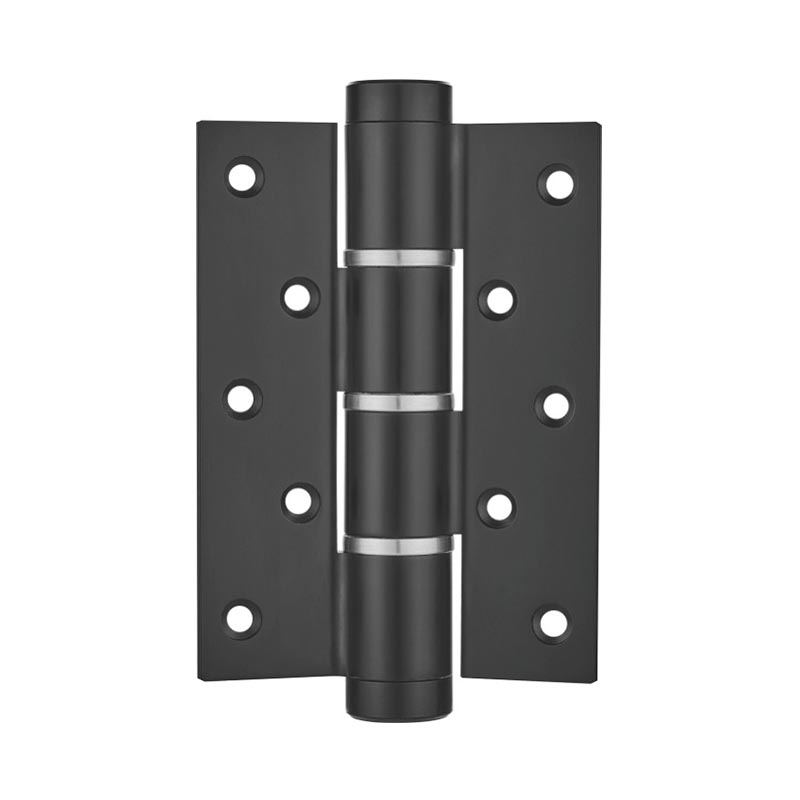
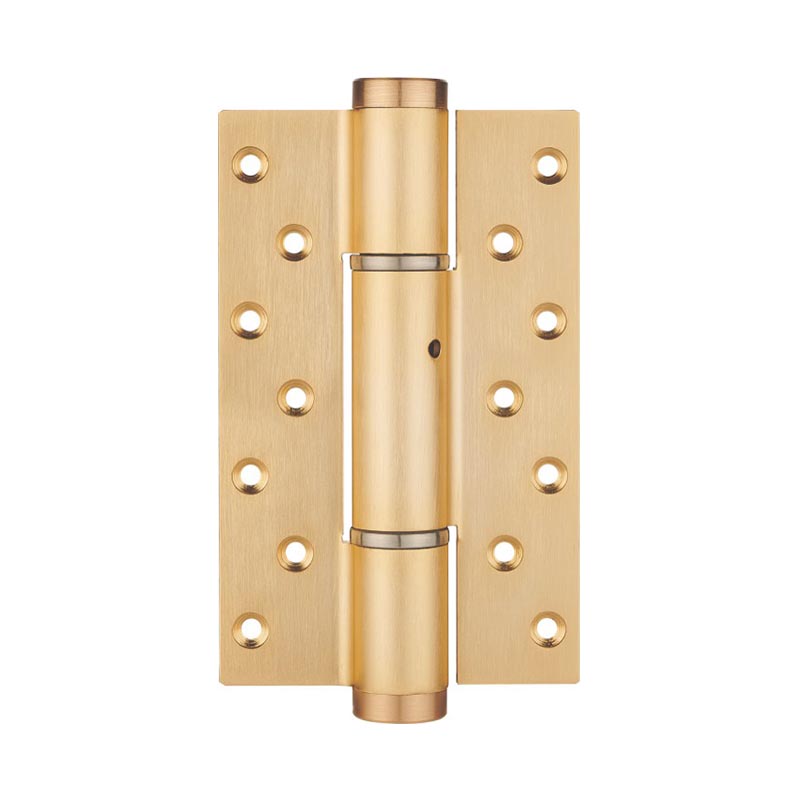
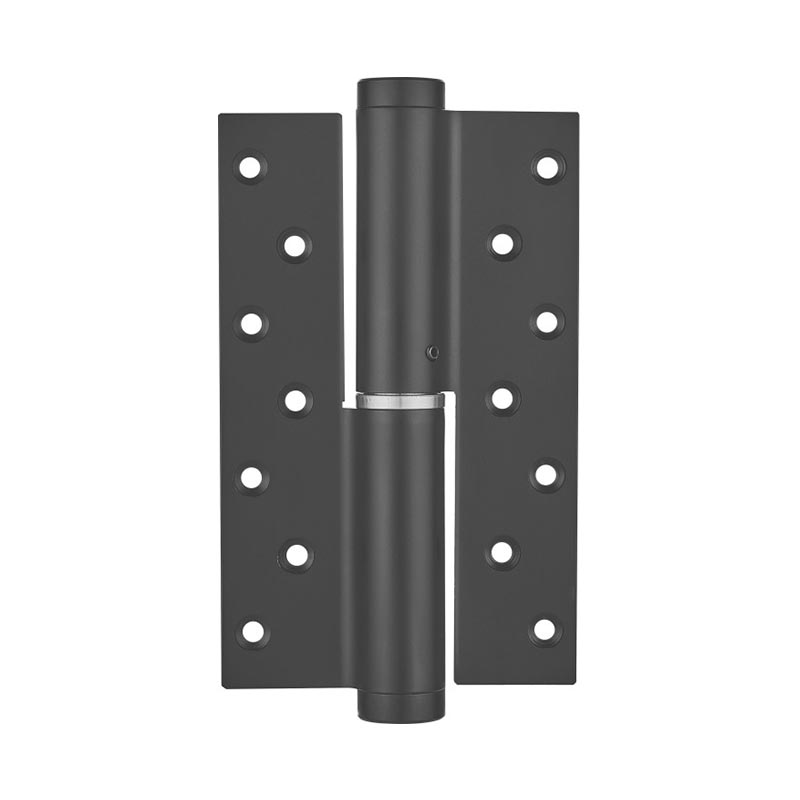
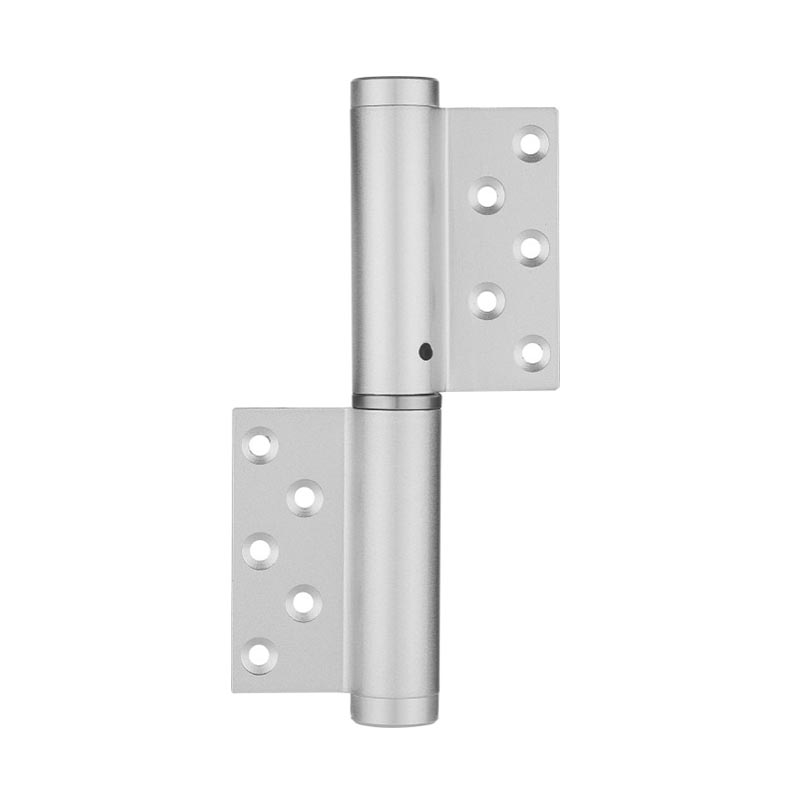
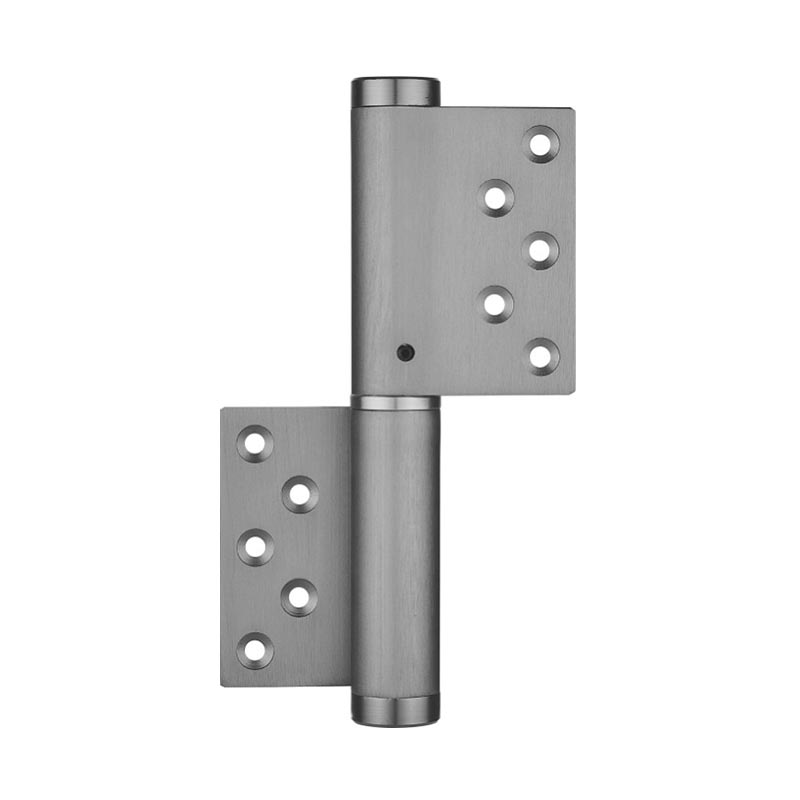
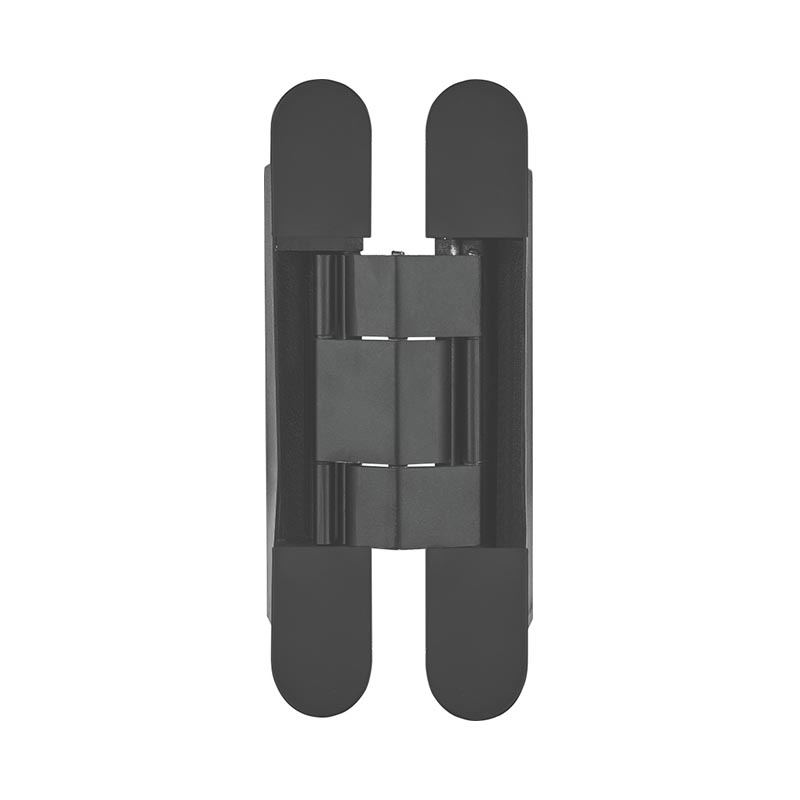
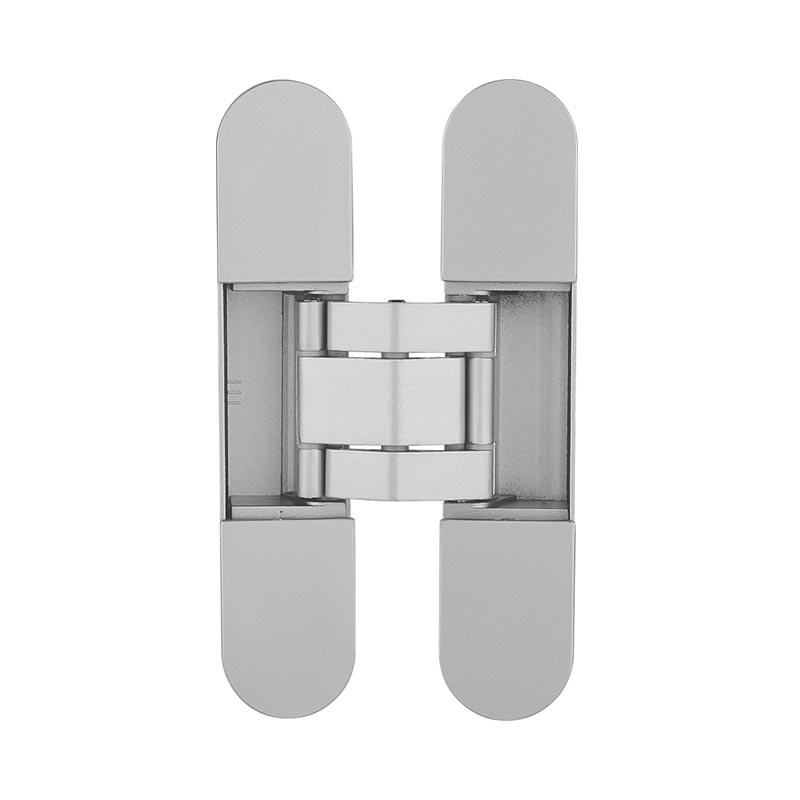
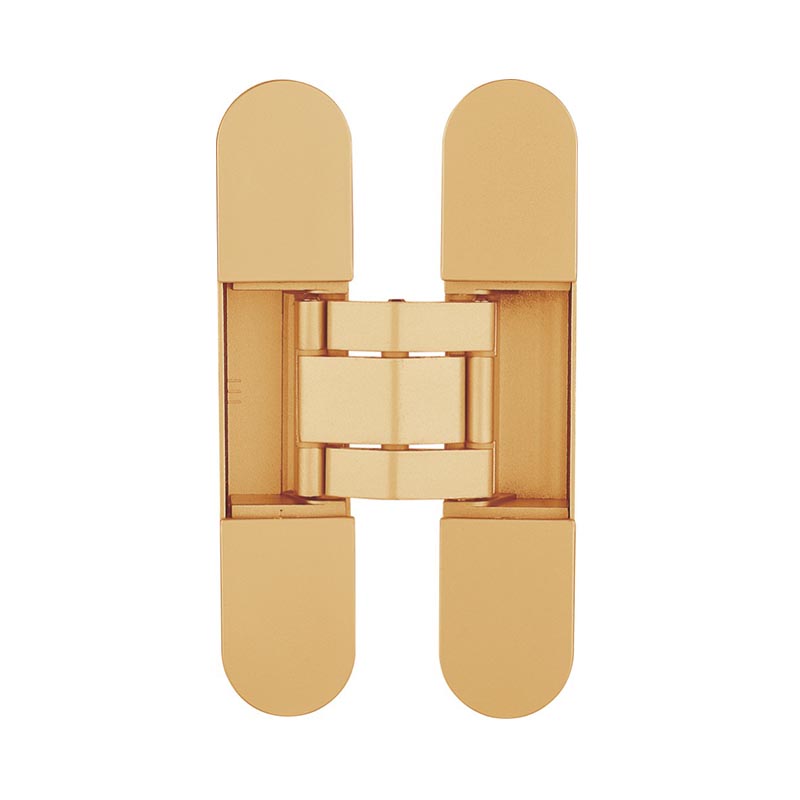
Most people walk through doors without a second thought to the tiny hardware pieces doing all the work out of sight. Doors swing smoothly thanks to a mix of small parts working together, and spring hinges are widely used for doors and all kinds of furniture.
On the surface, spring hinges look just like standard hinges, but a built-in spring adds extra functional support. They're perfect for any door that needs to swing shut on its own, or spaces where people want an easier, softer swing motion.
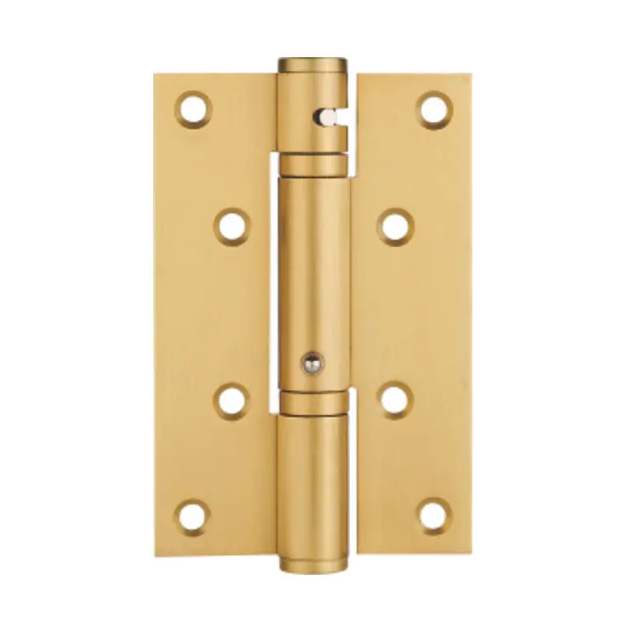
Hardware purchasers shouldn't just memorize product labels when looking at spring hinges. Each style is built for specific use cases. A hinge meant for lightweight indoor household doors won't hold up on high-traffic commercial entryways. Furniture factories also have totally different requirements compared to construction contractors.
More buyers now take the time to compare hinge styles before locking in orders, as practical, long-lasting hardware grows more important across industries. Learning how popular spring hinge models differ helps businesses pick the right products without guesswork.
We open and close doors all day long, whether at home, in offices or restaurants. Reliable hardware that lets doors move smoothly makes daily life much easier.
Spring hinges are widely chosen for their self-closing function. They pull doors back shut automatically after you walk through, which fits lots of different scenarios.
Shops and commercial spaces stay tidier with self-closing doors. For household use, they bring simple convenience. Even cabinet panels and small furniture doors work better with spring hinges installed.
Customers'demands for hardware have shifted over time. Nowadays, people don't just judge hinges by their looks; they care more about how well they perform with regular daily use.
Different industries may choose spring hinges for different reasons:
| Application | Common Reason for Use |
|---|---|
| Homes | Provides easier door operation |
| Offices | Supports regular door movement |
| Restaurants | Helps manage busy access areas |
| Furniture production | Improves opening and closing experience |
| Commercial projects | Supports practical door solutions |
Although spring hinges are small hardware components, they can influence the overall experience of using a door or product.
The market includes several spring hinge designs. Each type has its own characteristics and is suitable for different applications.
Choosing between them depends on the purpose of the installation, the expected movement, and the working environment.
Single action spring hinges are designed for movement in one direction. They are commonly used when a door needs assistance returning after being opened.
This type is often found in regular door applications where a simple closing function is needed. Many buyers choose this design because it is straightforward and suitable for common situations.
For example, an office room door or an interior access door may use this type of hinge. The door opens normally, and the spring function helps guide it back afterward.
Single action spring hinges are often considered for:
Their simple structure makes them a practical choice for many everyday applications.
Double action spring hinges work differently because they allow movement in two directions. Doors using this type can open from either side, which makes them useful in areas with frequent traffic.
Restaurants, service areas, and shared spaces often need doors that allow people to move quickly and easily. A two-way opening design can support this type of environment.
Compared with standard door applications, double action hinges are usually selected for spaces where convenience and movement flow are important.
Doors of all sizes and weights need different closing force. Adjustable spring hinges solve this, letting users tweak tension to match their exact needs.
They're ideal for jobs where requirements might shift after setup. For instance, property managers often want to fine-tune how fast or slow a door closes post-installation.
Buyers lean toward adjustable hinges when they want hardware that can be reworked later to fit changing demands.
Certain doors get constant, heavy use every single day, and standard hinges won't hold up here. That's where heavy duty spring hinges come in.
You'll find them widely installed in commercial buildings, industrial facilities and any space with nonstop door movement.
These hinges are built to withstand years of repeated opening and closing while keeping steady, consistent performance over time.
Although all spring hinges share the same basic purpose, their applications can be quite different.
Understanding these differences can help buyers avoid choosing a product based only on appearance.
| Type | Suitable Application | Main Feature |
|---|---|---|
| Single action spring hinge | Standard doors | Supports closing in one direction |
| Double action spring hinge | Swing doors | Allows movement from both sides |
| Adjustable spring hinge | Flexible projects | Provides more adjustment options |
| Heavy duty spring hinge | Frequent-use areas | Designed for stronger support |
A buyer working on a small office renovation may have completely different needs from a company installing doors in a large commercial building.
The right choice depends on the actual environment rather than the product name alone.
Spring hinges stay popular mainly because they work for so many different uses, anywhere doors or panels need to move in a controlled way.
Around homes, people like these hinges for simple convenience. No need to manually push doors shut—they close on their own.
Commercial locations rely heavily on them too, since their doors get opened and shut nonstop all day. Restaurants, hotels, offices and public buildings all need tough hardware that keeps up with constant traffic.
Furniture makers also regularly fit spring hinges onto their goods. Cabinets, storage cupboards and similar pieces move far more smoothly with these hinges, making them nicer for customers to use.
Common application fields include:
| Industry | Possible Uses |
|---|---|
| Construction | Building doors and access systems |
| Furniture | Cabinets and storage products |
| Hospitality | Service areas and facility doors |
| Retail | Customer access spaces |
| Manufacturing | Equipment covers and panels |
The variety of applications explains why spring hinge designs continue to develop.
Choosing a spring hinge requires understanding the actual working situation. A product that looks suitable in a catalog may not always match the final installation.
The location of use is an important starting point. Indoor doors, outdoor doors, furniture panels, and industrial equipment all have different conditions.
Usage frequency is another point. A door opened occasionally may not require the same type of support as one used throughout the day.
Before ordering, buyers often review several details:
Application Environment
Where the hinge will be installed affects the choice. Space conditions, door style, and daily use habits all matter.
Product Compatibility
The hinge needs to match the door or panel where it will be installed. Understanding the project requirements can reduce adjustment work later.
Supplier Communication
Clear communication helps avoid misunderstandings. Sharing application details allows suppliers to provide more suitable suggestions.
Future Demand
For companies purchasing regularly, it is useful to think about future needs. A supplier that can support different requirements may provide more convenience over time.
The purchasing process becomes easier when buyers focus on the actual use instead of selecting products only by basic appearance.
For wholesale customers, finding a supplier is not only about product availability. Service and communication are also part of the purchasing experience.
A supplier familiar with different applications can help buyers understand product choices more clearly. This is especially useful when customers are unsure which spring hinge type fits their project.
During cooperation, businesses often pay attention to:
A good supplier relationship can reduce unnecessary communication problems. When both sides understand expectations, future orders are usually easier to manage.
For international buyers, communication becomes even more important. Clear product information and reliable support can help reduce difficulties during purchasing.
The hardware market continues to move toward more practical and flexible solutions. Users want products that not only work but also fit different environments.
Spring hinges are a good example of this change. Their applications are expanding because different industries have different movement requirements.
Construction companies may focus on installation convenience. Furniture producers may care about user experience. Commercial businesses may pay more attention to daily operation.
Because of these differences, suppliers are offering more choices to match various situations.
Buyers are also becoming more careful during purchasing. Instead of selecting hardware only by price, many companies now consider product suitability, supplier communication, and future cooperation.
Understanding the differences between types of spring loaded hinges helps buyers make more informed choices when planning projects, replacing hardware, or managing regular purchases.

No.123, Kaixuan road, yunshan street, lanxi city, jinhua city, zhejiang province, china

+86-18066248602

+86-579-88864580

+86-579-88864581

Copyright © 2024 Lanxi Maya Hardware Co., Ltd. All Rights Reserved. Privacy Policy

Hydraulic Door Hinges Hardware Factory



 English
 Español
 русский