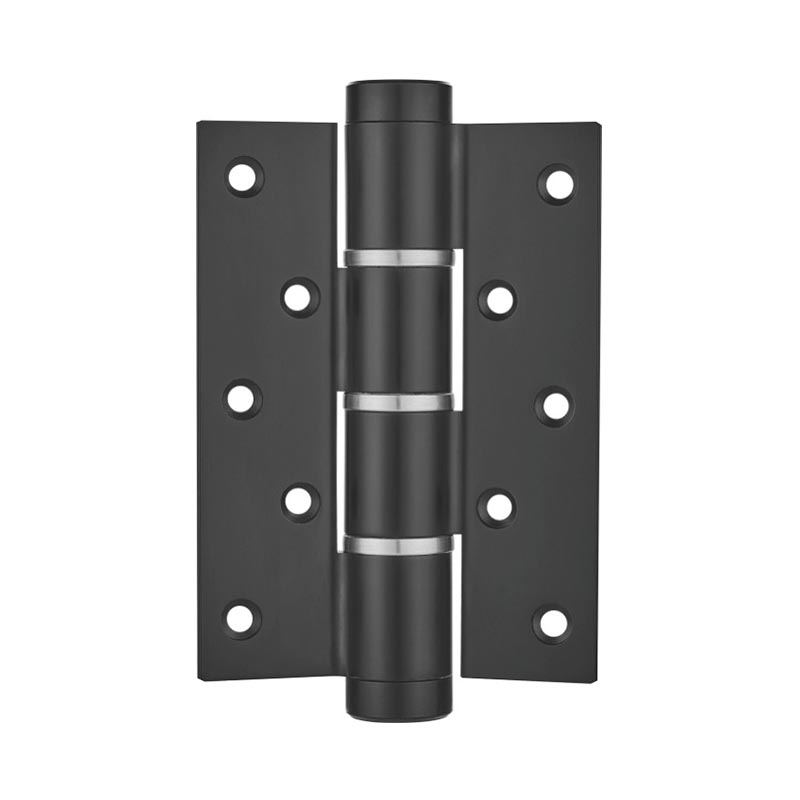
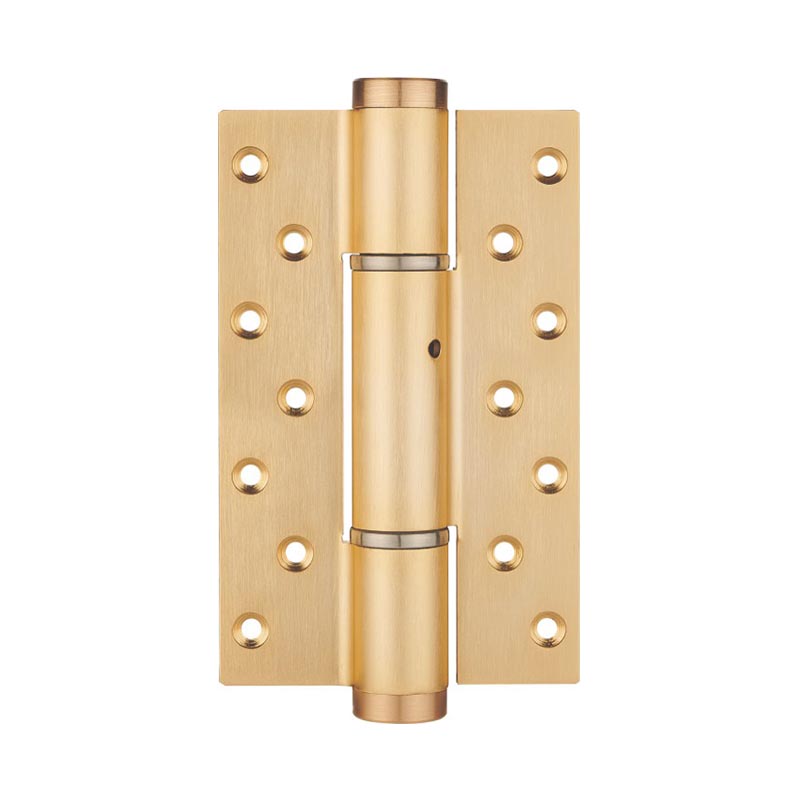
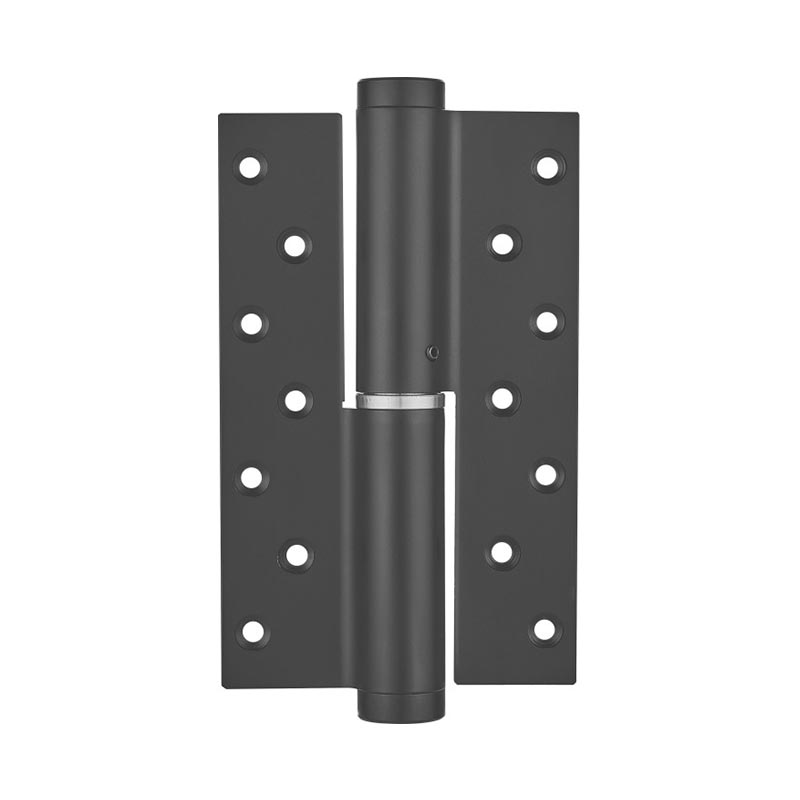
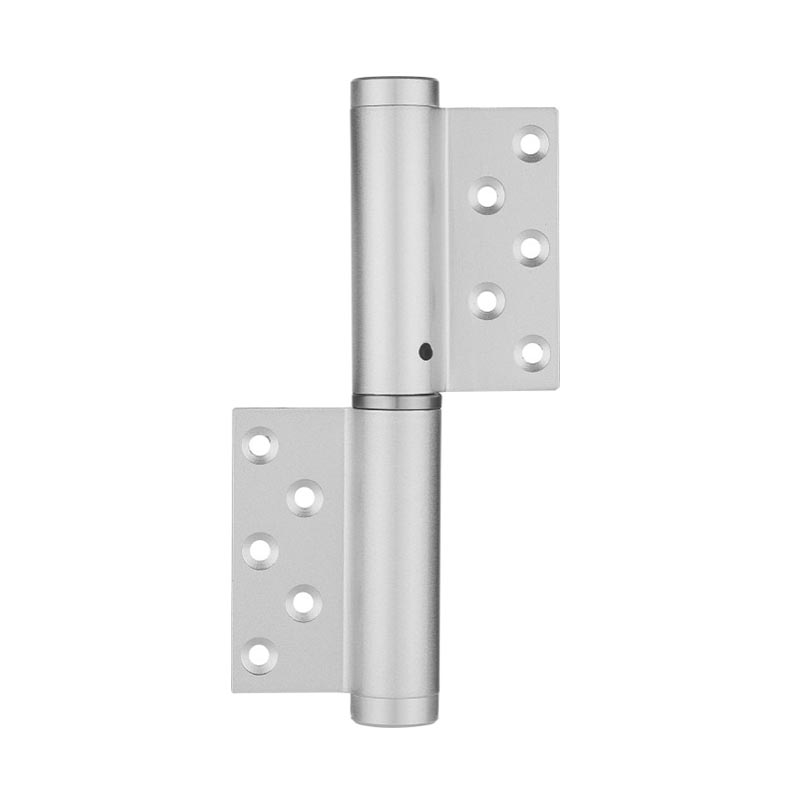
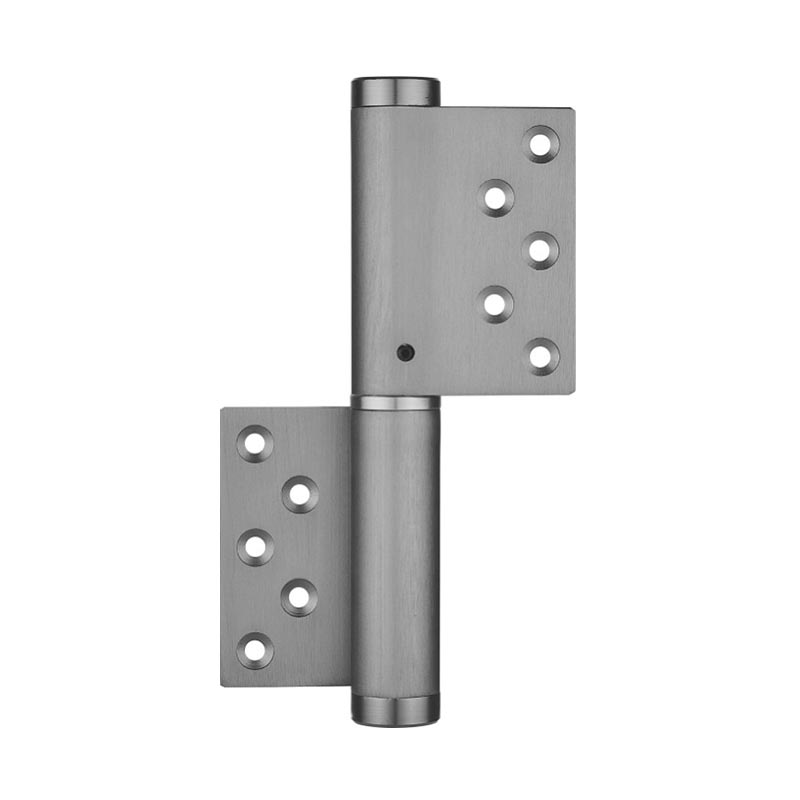
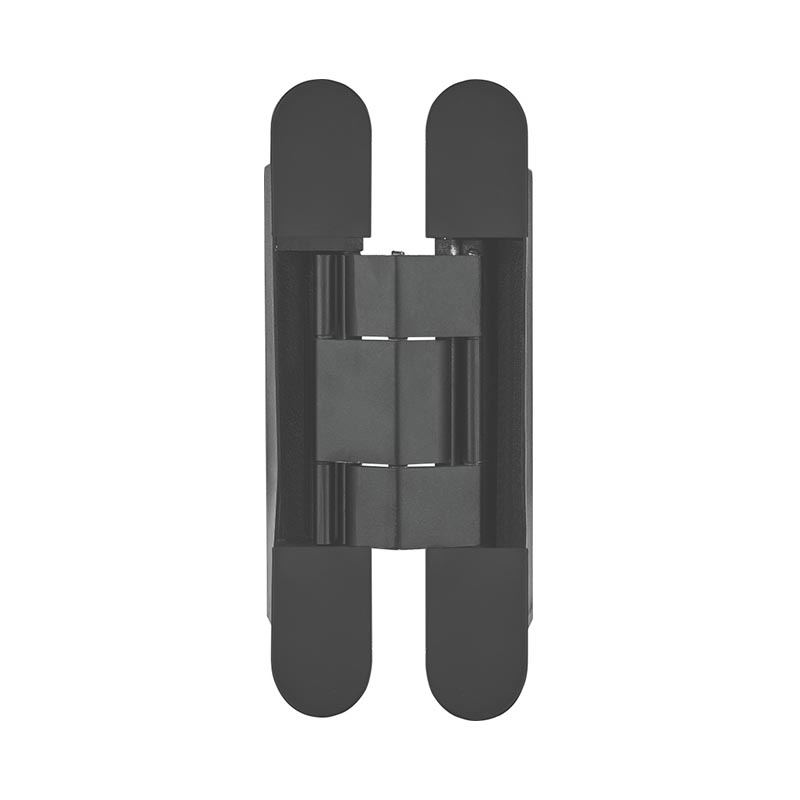
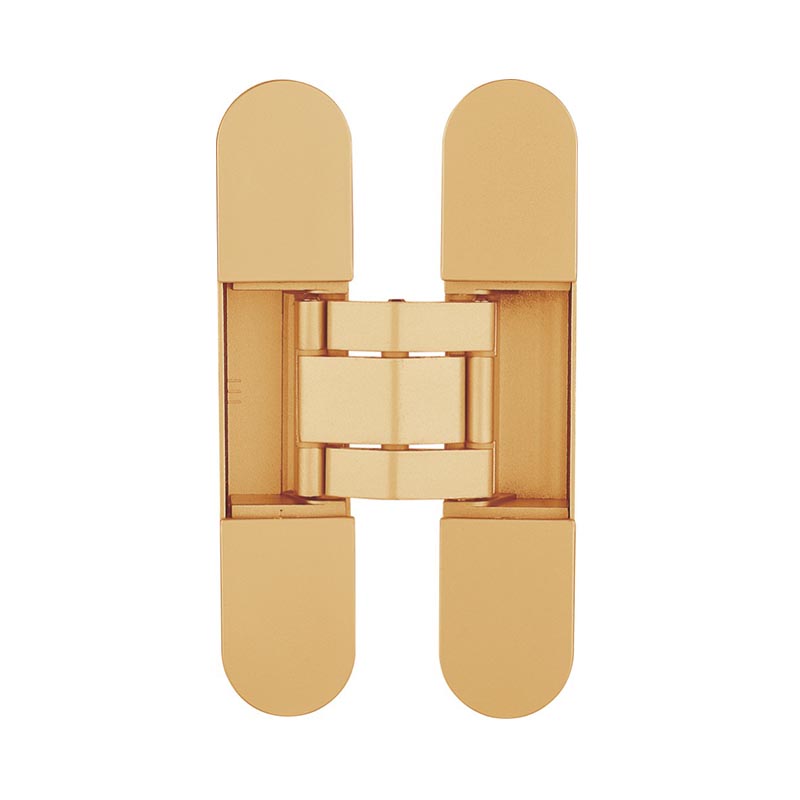
Invisible 3D Adjustable Hinges are widely used in modern cabinetry and architectural doors due to their sleek design, adjustability, and smooth operational performance. At the core of their functionality lies the internal spring mechanism, which plays a crucial role in controlling door movement, maintaining alignment, and providing a consistent closing or opening force. Unlike traditional hinges, where spring effects are external or minimal, these hidden springs are integrated within the hinge body, allowing precise force distribution without compromising aesthetics. By analyzing how the spring interacts with other components, one can better understand its impact on the overall performance and durability of the hinge system.
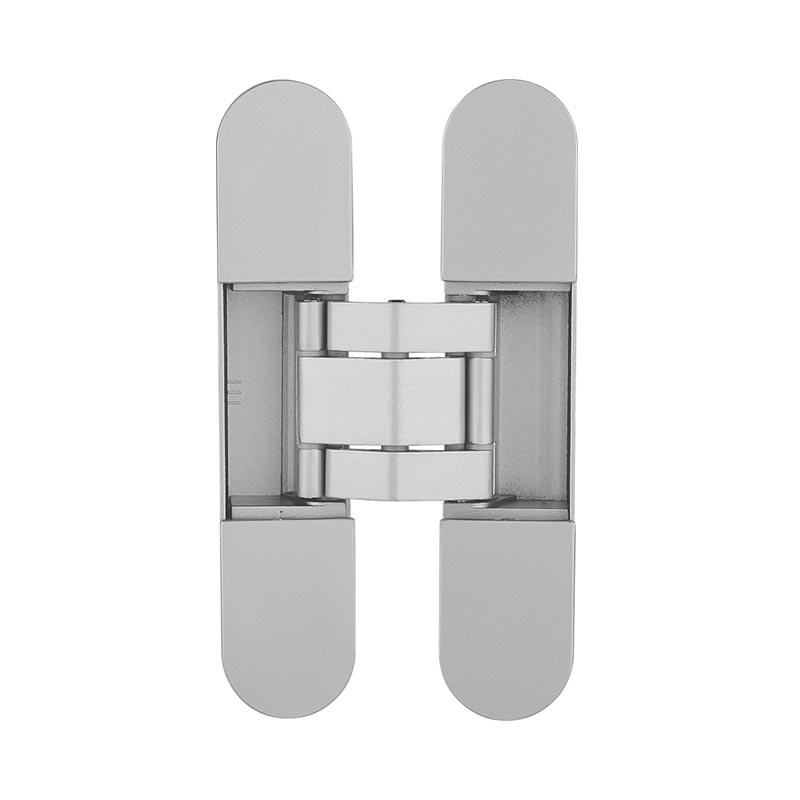
One of the primary purposes of the internal spring is to generate a controlled force that assists the door in closing or opening. This is especially important for heavy doors or cabinet panels, where manual operation alone could cause abrupt movements, slamming, or misalignment. The spring stores mechanical energy when the door is opened and gradually releases it to guide the door along a smooth path. By calibrating spring tension, manufacturers ensure that the door closes softly without additional dampers, or in combination with hydraulic systems, the spring supports consistent deceleration. This controlled force is critical for preventing damage to the door, frame, or adjacent structures and for maintaining a quiet and user-friendly experience.
Invisible 3D Adjustable Hinges often allow adjustments in three directions: vertical, horizontal, and depth. The internal spring contributes significantly to maintaining alignment despite repeated use. By exerting consistent lateral and vertical pressure, the spring counteracts minor sagging or shifts caused by gravity or frequent operation. This ensures that the door remains flush with the surrounding panels and that gaps remain uniform, even over extended periods of usage. Proper spring design reduces wear on other hinge components by distributing force evenly across the hinge body, improving long-term stability and operational reliability.
Internal springs also help distribute weight and manage load effectively. When dealing with large or heavy doors, the spring works alongside the hinge arms to reduce stress on pivot points. This reduces the risk of loosening or deformation at the attachment points over time. By absorbing some of the mechanical load, the spring contributes to smoother motion under higher stress, allowing the hinge to perform consistently across a wide range of door sizes and weights. This feature is particularly valuable in commercial applications or for custom furniture where door dimensions may exceed standard specifications.
In many Invisible 3D Adjustable Hinges, internal springs operate in tandem with hydraulic dampers or cushioning mechanisms. While the damper controls the speed of closing or opening, the spring provides the force required to move the door. This separation of function allows precise tuning of the hinge’s behavior: the spring determines the overall energy available, and the hydraulic system modulates the motion. The combination ensures both smooth operation and impact protection, optimizing both usability and longevity. Well-designed springs reduce the workload on hydraulic components, lowering maintenance requirements and enhancing the life of the hinge system.
The internal spring in Invisible 3D Adjustable Hinges is more than a simple mechanical element; it is a critical component that influences force control, alignment, stability, load management, and integration with damping systems. By storing and releasing energy efficiently, maintaining door position, and supporting other hinge functions, the spring ensures reliable and consistent performance across a variety of applications. Proper design and calibration of these springs are essential for improving both functionality and longevity of the hinge, making them an indispensable part of modern concealed door hardware.

No.123, Kaixuan road, yunshan street, lanxi city, jinhua city, zhejiang province, china

+86-18066248602

+86-579-88864580

+86-579-88864581

Copyright © 2024 Lanxi Maya Hardware Co., Ltd. All Rights Reserved. Privacy Policy

Hydraulic Door Hinges Hardware Factory



 English
 Español
 русский