

 English
 Español
 русский
News
Home / News / Industry News / Door Closing and Latching: Diagnose Resistance Before Adjusting Hinges
A door can move smoothly through most of its closing arc and still stop just before the latch engages. Increasing the closing speed may hide the symptom for a while, but it can also make the movement harsher. The underlying resistance may remain in the latch, seals or alignment.
For door manufacturers and hardware buyers, door closing and latching should be reviewed as separate but connected parts of the assembly. A hydraulic hinge influences movement; it does not correct every frame or lock problem. A structured inspection helps identify which component needs attention before a new adjustment becomes the default solution.
Observe the door from several starting positions using the manufacturer's instructions and the project's approved inspection procedure. Identify where it slows, touches another surface or fails to close. A problem throughout the arc suggests a different investigation from one appearing only near the frame.
Record the observation in clear physical terms. For example, the latch nose touches the strike edge before the leaf reaches its intended closed position. That description is more useful than saying the hinge is weak, because it identifies an interface that another installer can examine.
Keep the door's complete fitted condition in view. A leaf that closes before seals or trim are installed is not the same assembly as the finished door. Include the lock, strike, seals and threshold in the review so that the observed behaviour relates to the delivered product.
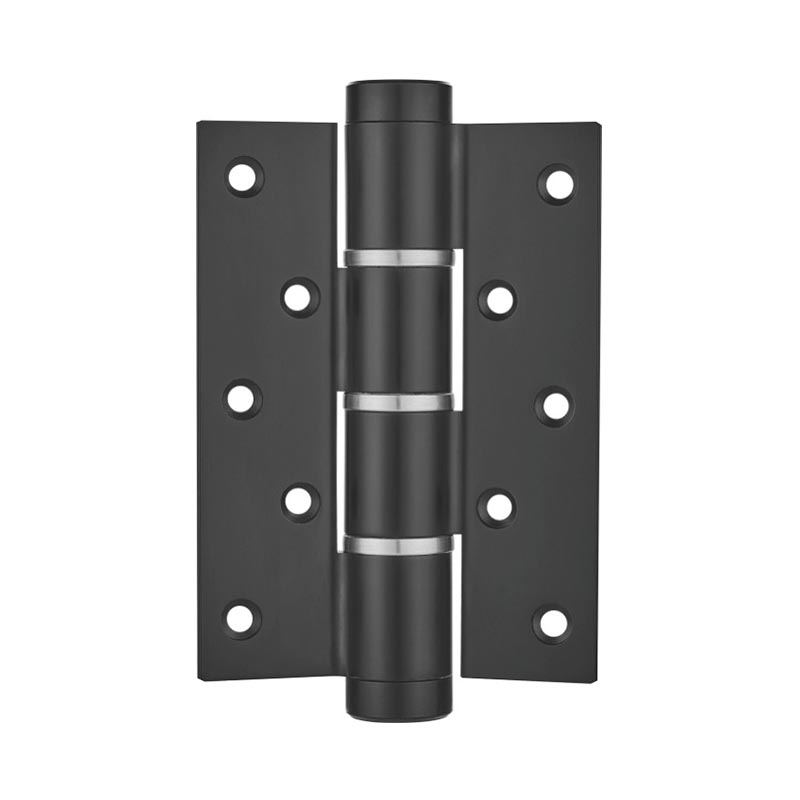
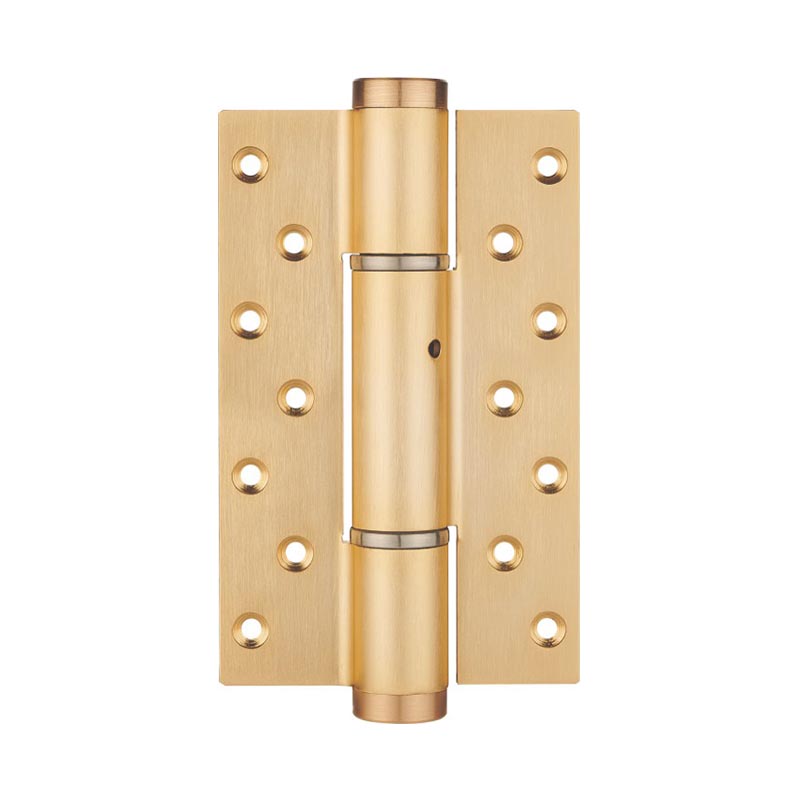
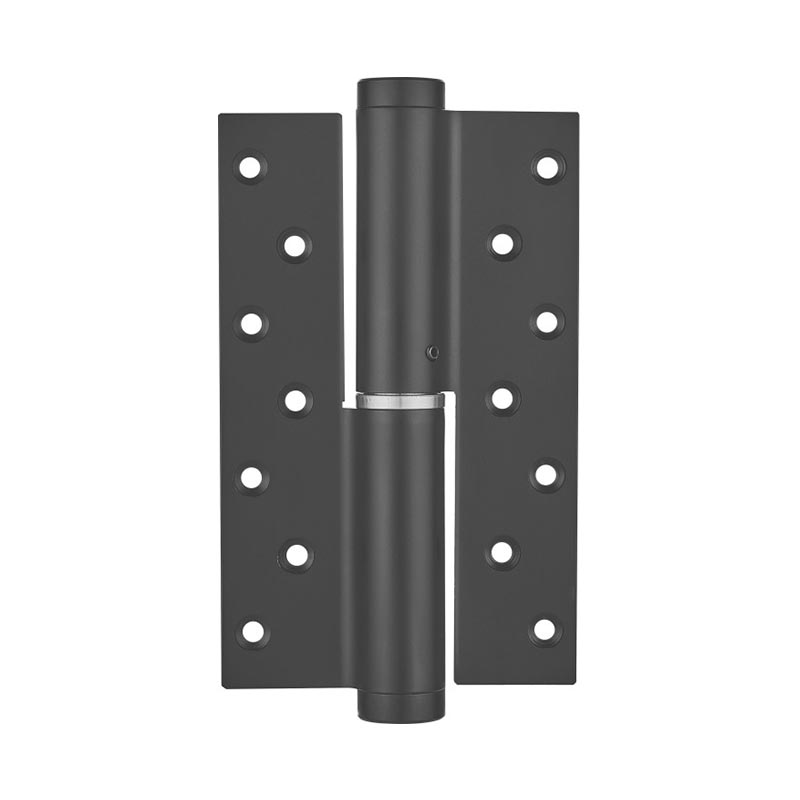
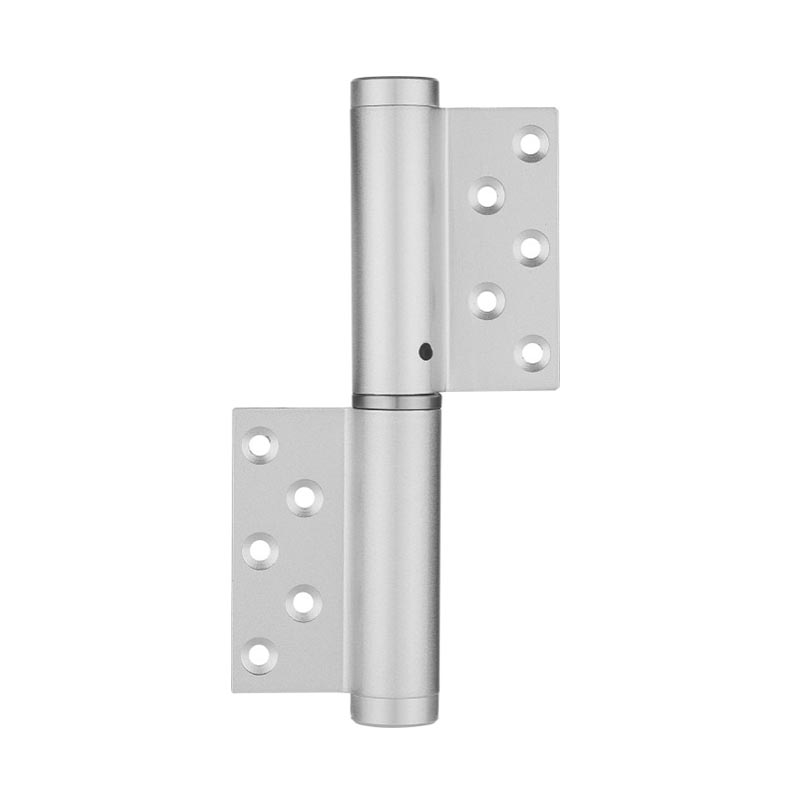
Hydraulic door hinges may combine a closing mechanism with controlled movement, depending on the selected model. The available adjustments and their effects need to be read from that model's instructions. Do not infer adjustment functions from another hinge that looks similar.
Closing force and closing speed answer different questions. The assembly needs enough force to overcome its intended resistance, while the movement needs appropriate control. Changing speed should not become a substitute for correcting a latch that cannot enter its strike freely.
Ask the supplier to identify the permitted adjustment sequence and limits. Keep the product code and instruction revision in the inspection record. If the required behaviour lies outside the documented adjustment range, review the hardware selection or door construction instead of improvising a setting.
Door resistance can come from contact at the frame, a misaligned hinge arrangement or an unsuitable fixing condition. Examine the gaps and intended movement path. Look for marks that indicate contact, while recognising that a visible mark alone does not establish the complete cause.
A door with a distorted frame may need installation correction. A seal compressed beyond its intended condition may need a seal or assembly review. The responsible door team should evaluate those interfaces using the approved drawings and tolerances.
Do not loosen hardware indiscriminately to make the leaf move. Fixings support the assembly, and changes must follow the installation instructions. For a product approval sample, preserve the specified fixing method so that the review does not accidentally approve a configuration different from production.
A latch must meet the strike in the intended position and enter without unintended obstruction. Schlage's guidance on doors that will not latch illustrates the importance of checking alignment rather than treating every closing failure as a lock defect.
Observe whether the latch contacts the strike at the expected location. Include the closed gap and the depth of the receiving space. A latch that reaches the opening but cannot seat fully presents a different issue from one hitting above or below it.
The review should identify which team owns any correction. Door, frame and lock suppliers may each control part of the interface. A marked photograph and dimensioned drawing can resolve the discussion more effectively than repeatedly increasing hinge adjustment to compensate.
Seals are part of the designed door set and should be present during acceptance. Their contact near closure can influence the force needed for the final movement. Review the intended seal type and installation rather than removing it to obtain an easier demonstration.
Building air pressure may also affect some doors. If behaviour changes between an unconditioned sample area and the installed building, involve the project team in the investigation. Record whether ventilation systems were operating when the observation was made.
An illustrative office project may approve a sample without its final perimeter seal. After installation, the seal changes the final closing condition. The solution begins by reviewing the complete assembly and its intended setting, not by assuming that the original hinge has suddenly lost performance.
A door that closes reliably still needs to satisfy the applicable project requirements. Accessibility, fire performance and other regulated uses cannot be established by a casual closing demonstration. The hardware and complete door set must be reviewed against the relevant specification.
The US Access Board's accessibility standards, for example, address closing speed and opening force for relevant doors. Their existence demonstrates why a setting should be assessed in context. They do not provide evidence that a particular hinge or door is compliant in every installation.
Avoid a universal adjustment instruction in marketing content. The correct setting depends on the product, door assembly and project. Where a formal inspection is required, assign it to the appropriate qualified party and retain the supporting record.
A sample review should identify the door construction, hinge model, hinge arrangement, lock, seals and frame. Record the documented settings and the starting positions used. Note whether the latch engaged consistently in the complete installed condition.
For repeat orders, specify how a proposed hardware or seal change will be assessed. A new component can alter the final movement even if the door leaf remains unchanged. The approved sequence should therefore travel with the assembly specification, not with the hinge alone.
Self-closing hinges work best as part of a coordinated door design. Before turning another adjustment screw, establish where resistance appears and whether the latch can engage as intended. That gives procurement and installation teams a concrete route to reliable operation.

No.123, Kaixuan road, yunshan street, lanxi city, jinhua city, zhejiang province, china

+86-18066248602

+86-579-88864580

+86-579-88864581

Copyright © 2024 Lanxi Maya Hardware Co., Ltd. All Rights Reserved. Privacy Policy

Hydraulic Door Hinges Hardware Factory