Invisible Door Locks have become increasingly popular in modern homes and offices due to their sleek design and advanced security features. By being concealed within the door, these locks offer an extra layer of security while maintaining aesthetic appeal. However, many potential buyers are concerned about the reliability of these devices and whether they are prone to failure. Understanding the common issues and factors that influence the fault rate of Invisible Door Locks helps users make informed decisions and ensures long-term security.
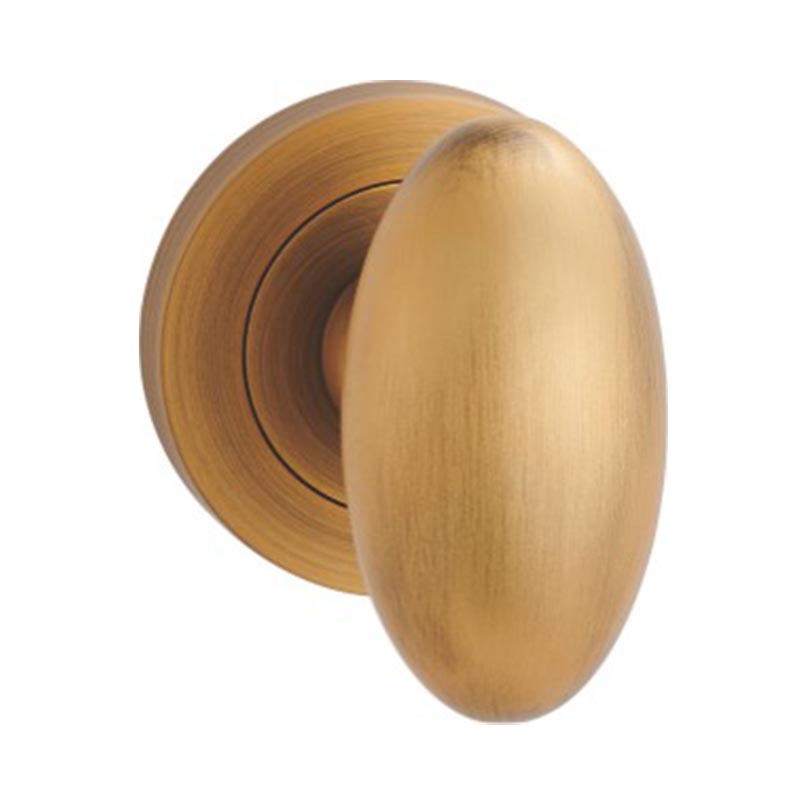
The fault rate of Invisible Door Locks varies depending on the brand, build quality, and type of technology used. High-quality models from reputable manufacturers generally have low failure rates, while cheaper alternatives may experience malfunctions more frequently. Common reasons for failure include mechanical wear, battery depletion, software glitches, and improper installation. In general, electronic or smart Invisible Door Locks may have slightly higher failure rates than purely mechanical models due to the complexity of their electronic components. Regular maintenance and proper usage can significantly reduce the likelihood of issues.
Mechanical issues are among the frequently reported problems in Invisible Door Locks. Components such as latches, springs, and locking rods can wear out over time, especially if the lock is frequently used or subjected to heavy force. Misalignment of the lock mechanism during installation can also cause jamming or difficulty in locking and unlocking. In some cases, poorly manufactured locks may suffer from loose screws or parts, causing inconsistent operation. Routine inspection and timely replacement of worn components can prevent mechanical failures and extend the lifespan of the lock.
For electronic or smart Invisible Door Locks, software and electronic components introduce additional potential failure points. Batteries may drain faster than expected, particularly in high-use environments, causing the lock to become unresponsive. Connectivity issues can arise if the lock relies on Wi-Fi, Bluetooth, or other wireless protocols, causing temporary loss of remote control or mobile app functionality. Firmware bugs or outdated software can also create operational problems, such as delayed response or error messages during locking and unlocking. Ensuring regular software updates and using high-quality batteries can help maintain suitable performance.
User behavior and environmental conditions can also affect the reliability of Invisible Door Locks. Improper handling, excessive force, or attempting to unlock the door with incorrect methods can damage the mechanism. Extreme temperatures, high humidity, or exposure to dust and debris may impact both mechanical and electronic components, increasing the likelihood of malfunction. Proper installation in suitable conditions, combined with careful usage, is essential to reduce failure risks.
Preventive maintenance is key to reducing the fault rate of Invisible Door Locks. Regularly checking mechanical parts, lubricating moving components, replacing batteries, and updating firmware can prevent many common issues. Following the manufacturer’s instructions for installation and operation ensures the lock performs reliably over time. Investing in high-quality products from reputable brands also reduces the risk of encountering defects or operational problems.
Invisible Door Locks are generally reliable when purchased from reputable manufacturers and properly maintained. Mechanical wear, electronic issues, user errors, and environmental factors are the primary causes of failure, but most problems can be mitigated with preventive maintenance and careful usage. By understanding the common issues and implementing proper care, users can enjoy both the security and aesthetic benefits of Invisible Door Locks while reducing the risk of malfunction.

No.123, Kaixuan road, yunshan street, lanxi city, jinhua city, zhejiang province, china

+86-18066248602

+86-579-88864580

+86-579-88864581

Copyright © 2024 Lanxi Maya Hardware Co., Ltd. All Rights Reserved. Privacy Policy

Hydraulic Door Hinges Hardware Factory



 English
 Español
 русский