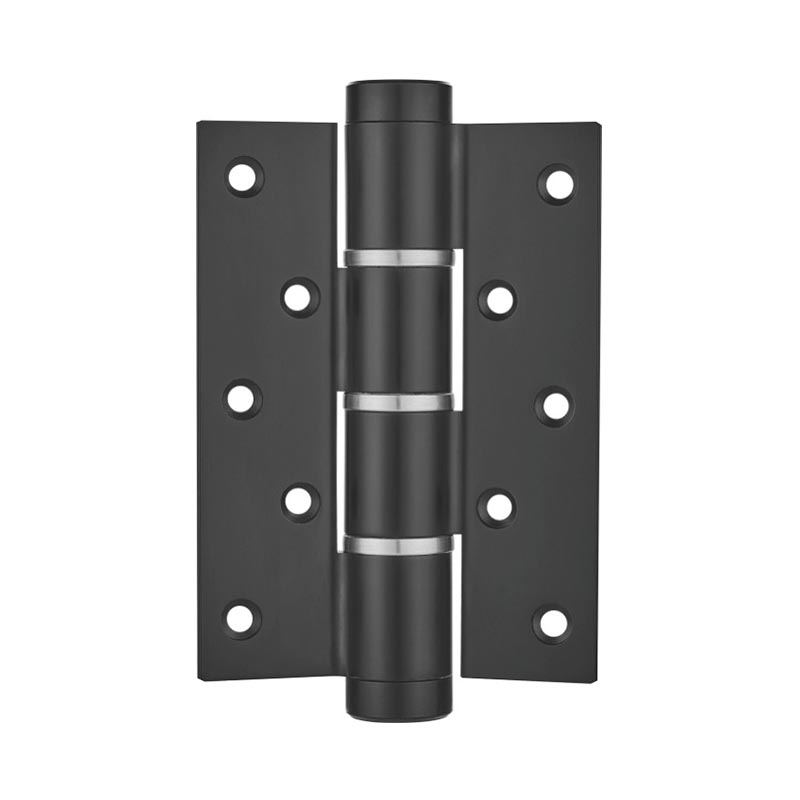
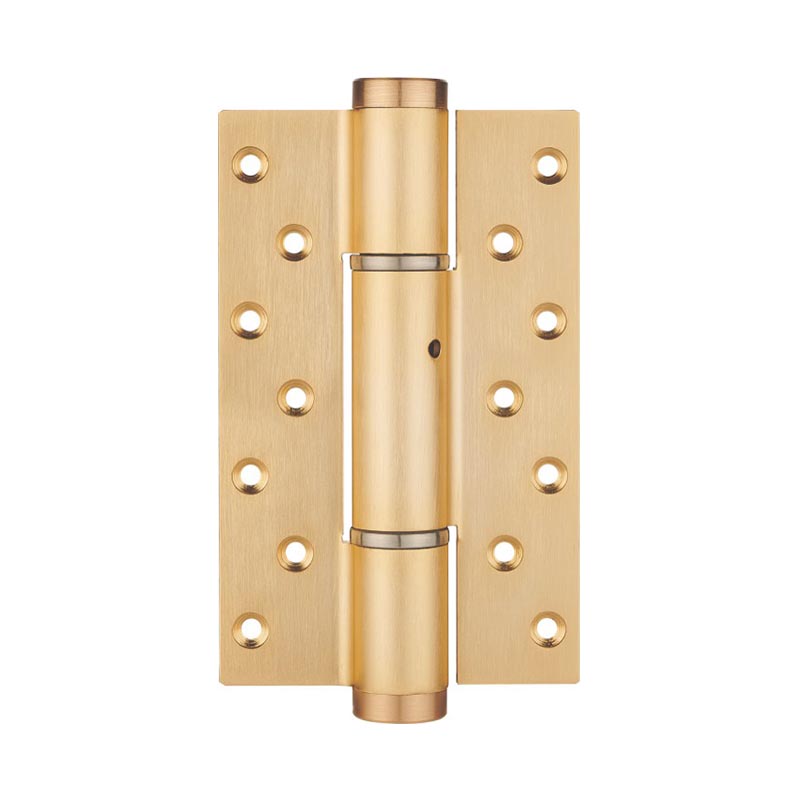
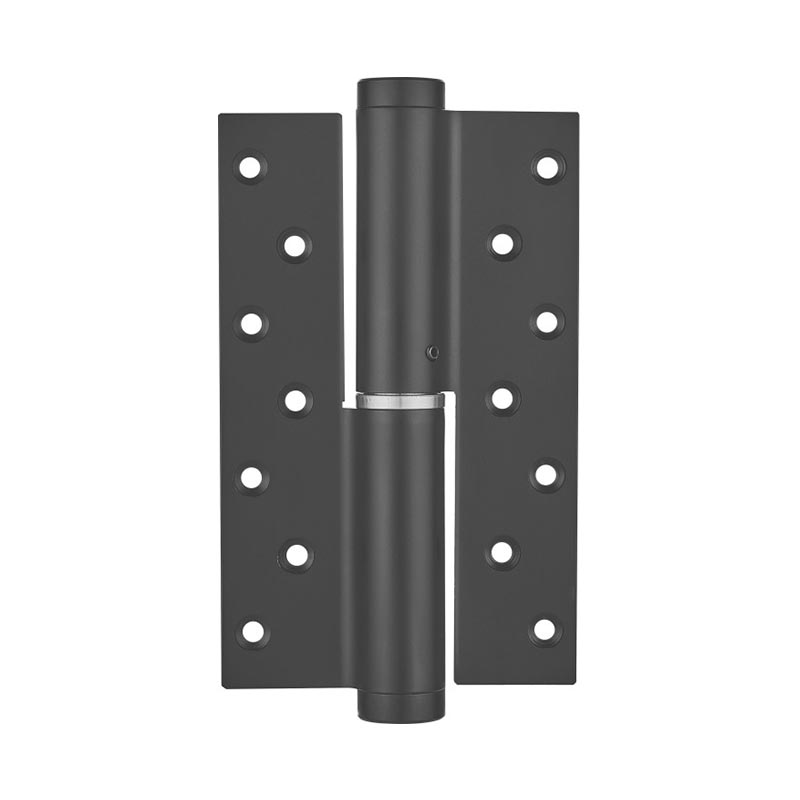
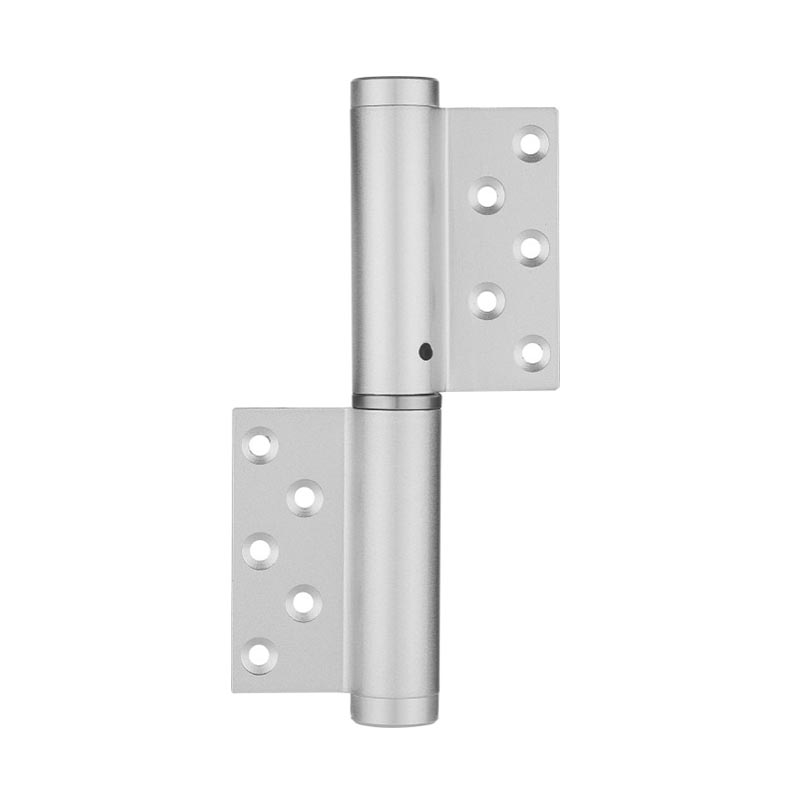
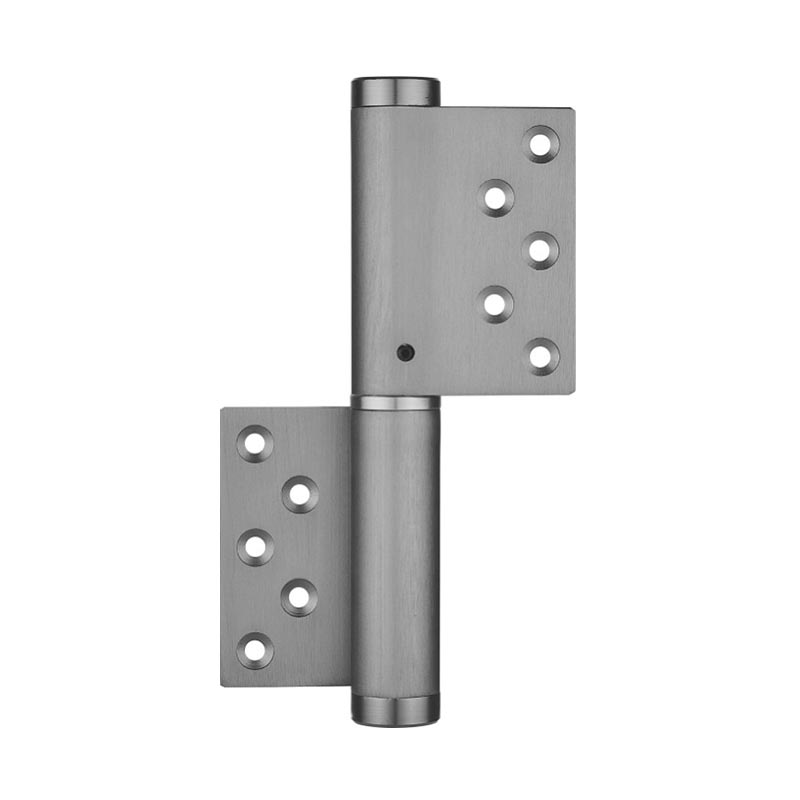
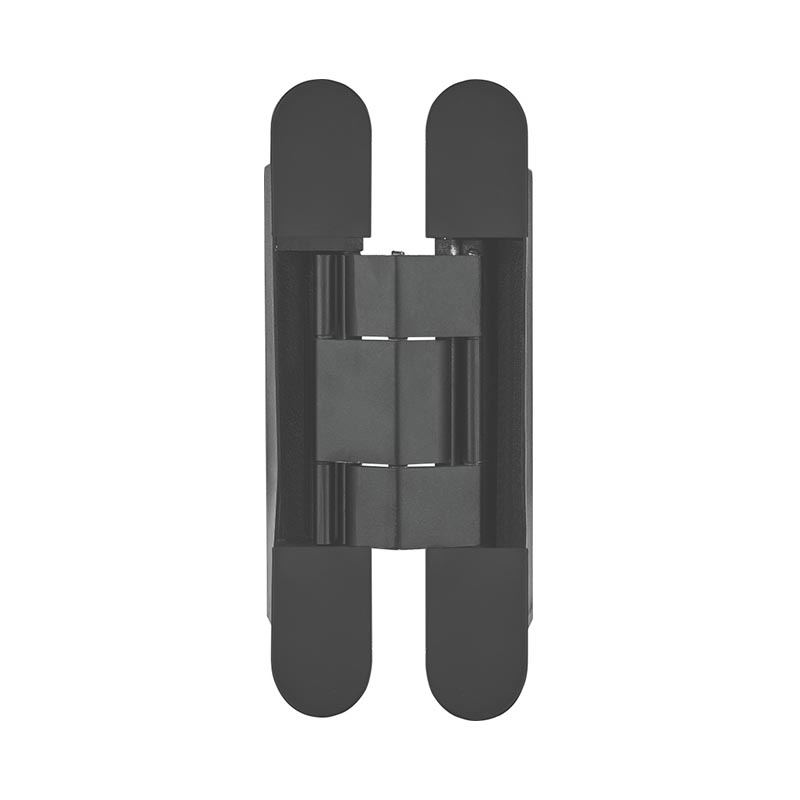
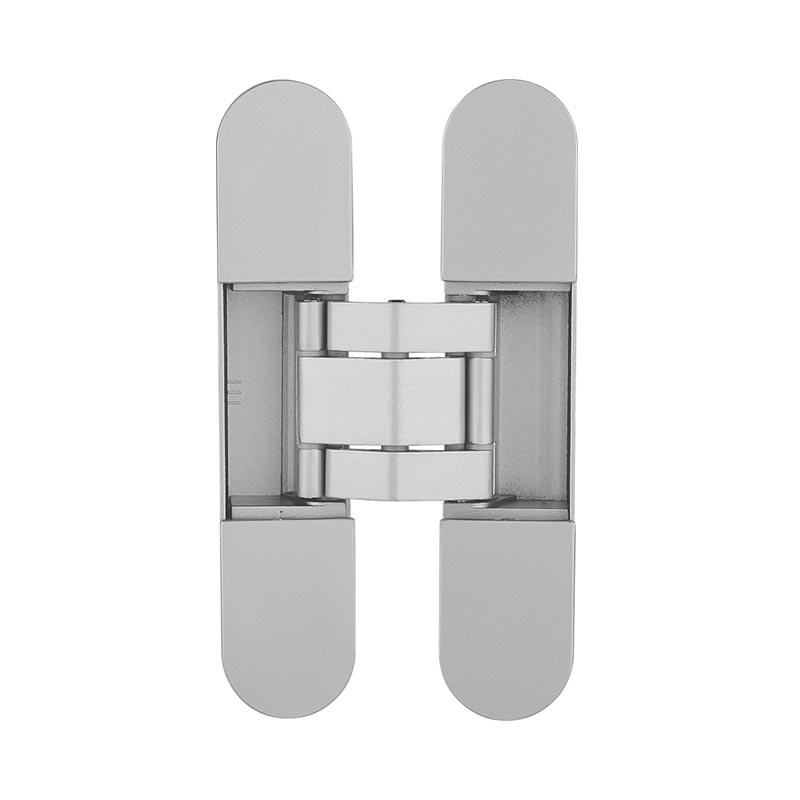
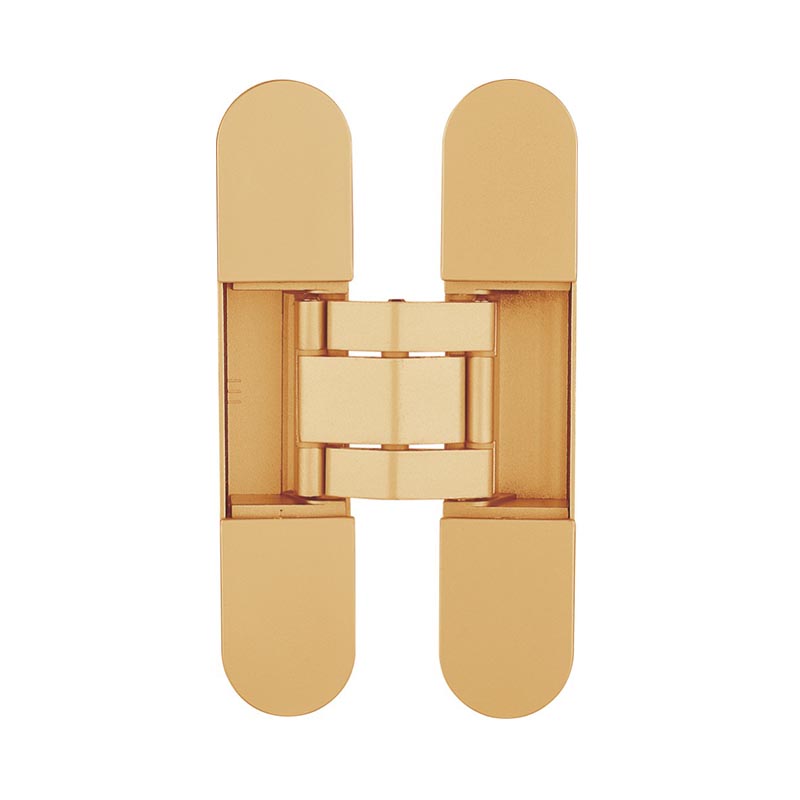
Invisible door locks are increasingly popular in modern homes, offices, and commercial spaces due to their discreet design and enhanced security features. Unlike traditional locks that are visibly mounted on doors, these locks are hidden within the door structure, making them less accessible to unauthorized tampering. One of the primary concerns for users is their effectiveness against break-ins and technical lock-picking methods.
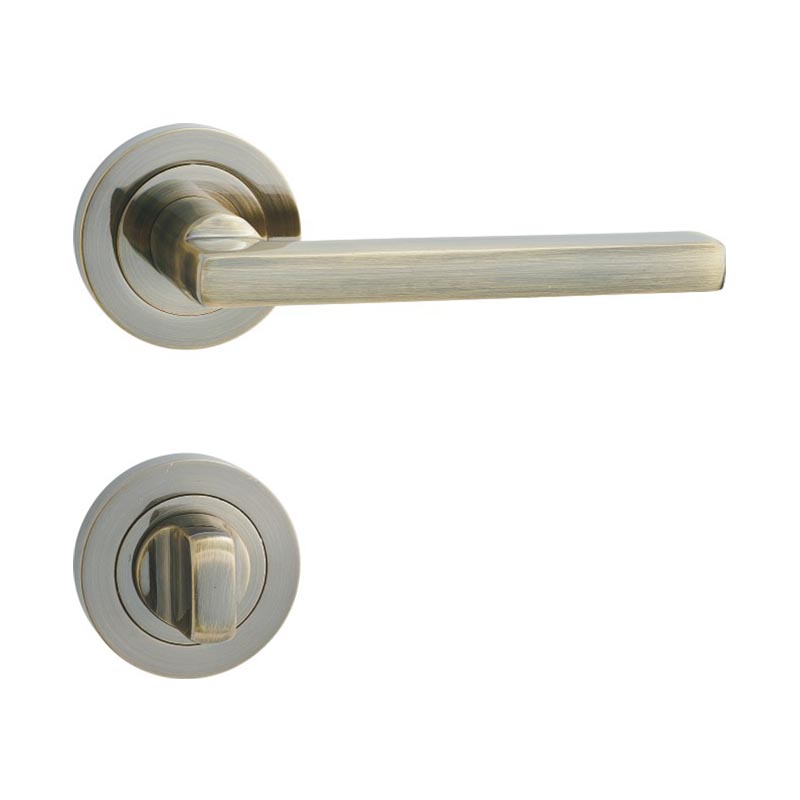
A fundamental security feature of invisible door locks is their hidden and reinforced structure. The locking mechanism is embedded inside the door, with minimal external exposure. This makes it significantly harder for intruders to access the locking components without dismantling the door itself. Many designs include reinforced metal casings and anti-drill plates that resist mechanical force, reducing the risk of forced entry.
To enhance security, some invisible locks use multi-layered locking mechanisms. These may combine deadbolts, latch systems, and additional internal bolts that extend into the door frame at multiple points. Such designs distribute the force applied during tampering, making it difficult for an intruder to defeat the lock by simple prying or kicking. Multi-point engagement also stabilizes the door, reducing vulnerability to common break-in techniques.
Technical lock picking is a common method used by experienced intruders to bypass conventional locks. Many invisible locks integrate electronic access control, including keypad entry, biometric authentication, or smartphone-controlled locking. These digital systems often feature anti-tamper circuits that trigger alarms or temporarily lock the system if multiple incorrect attempts are detected. Mechanical-only invisible locks incorporate complex internal pin structures and rotational resistance to make picking impractical without specialized tools.
Modern invisible locks often include integrated alarm systems. If the lock senses forced entry attempts, vibration, or unauthorized manipulation, it can trigger an audible alarm or send instant notifications to the owner’s smartphone. These features provide an additional deterrent and improve the overall security response by alerting occupants or security personnel immediately when tampering is detected.
Beyond resisting technical lock picking, invisible door locks are designed to withstand physical attacks. Hardened steel components, anti-drill plates, and reinforced locking bolts protect against drilling, hammering, or cutting attempts. The hidden installation further reduces the exposure of vulnerable areas, preventing common break-in methods that target traditional lock faces.
To maintain security even in extreme scenarios, some invisible locks include redundancy features. Multiple locking points, secondary internal locks, or backup electronic authentication ensure that even if one component is compromised, the door remains secure. Fail-safe measures, such as manual override systems, are designed to allow authorized access without compromising the overall anti-tampering integrity.
Integration with Home Security Systems
Invisible door locks are frequently integrated into broader smart home or security systems. This allows homeowners to monitor lock status remotely, schedule automatic locking, or link the lock to cameras and sensors. Integration ensures that even subtle tampering attempts are detected promptly, improving security beyond the physical strength of the lock itself.
Invisible door locks combine hidden installation, reinforced structures, advanced locking mechanisms, and electronic safeguards to protect against tampering and technical bypass techniques. From anti-drill plates to alarm integration and multi-layered mechanisms, these locks are designed to provide robust protection for residential and commercial doors. By leveraging both physical and electronic security measures, Invisible Door Locks offer a highly effective solution for modern safety needs, deterring unauthorized access while maintaining a sleek, unobtrusive design.

No.123, Kaixuan road, yunshan street, lanxi city, jinhua city, zhejiang province, china

+86-18066248602

+86-579-88864580

+86-579-88864581

Copyright © 2024 Lanxi Maya Hardware Co., Ltd. All Rights Reserved. Privacy Policy

Hydraulic Door Hinges Hardware Factory



 English
 Español
 русский